Table of Contents >> Show >> Hide
- What Is a BiPAP Machine?
- How Does a BiPAP Machine Work?
- BiPAP vs. CPAP: What Is the Difference?
- Who Might Need a BiPAP Machine?
- Benefits of a BiPAP Machine
- Common Side Effects of a BiPAP Machine
- Less Common but More Serious Risks
- How Doctors Choose the Right BiPAP Settings
- Tips to Make BiPAP More Comfortable
- When to Call a Healthcare Provider
- Real-World Experiences With a BiPAP Machine
- Final Thoughts
- SEO Tags
If breathing were a group project, a BiPAP machine would be the classmate who actually shows up, brings snacks, and does the hard parts without making it weird. For people with certain sleep and lung-related conditions, a BiPAP machine can make breathing easier, sleep more restful, and mornings a lot less zombie-like.
But what exactly is a BiPAP machine? Is it the same as CPAP? Why do some people swear by it while others spend a few nights negotiating with a face mask like it is a tiny plastic overlord? In this guide, we will break down the definition of a BiPAP machine, how it works, who may need one, its side effects, and what real-life adjustment can feel like.
If you have ever looked at a bedside breathing machine and thought, “This looks like a gadget from a very nerdy spaceship,” you are not entirely wrong. The good news is that this device has a straightforward mission: help keep breathing steady when your body needs support.
What Is a BiPAP Machine?
A BiPAP machine stands for bilevel positive airway pressure. You may also see it written as BPAP. Technically, “BiPAP” is a brand name that became so famous it started being used like a generic label, the way people say “Kleenex” when they mean tissue.
The machine delivers pressurized air through a mask to help support breathing. What makes BiPAP different from some other airway pressure machines is that it provides two different pressure levels:
IPAP: Higher pressure when you inhale
This helps push air into your lungs and reduce the work of breathing. Think of it as a gentle boost when your body is trying to pull air in.
EPAP: Lower pressure when you exhale
This lower setting makes it easier to breathe out. In plain English, BiPAP is less like “constant wind tunnel” and more like “help on the inhale, less resistance on the exhale.”
That two-level setup is the whole magic trick. It can be especially helpful for people who need more breathing support than standard continuous pressure can comfortably provide.
How Does a BiPAP Machine Work?
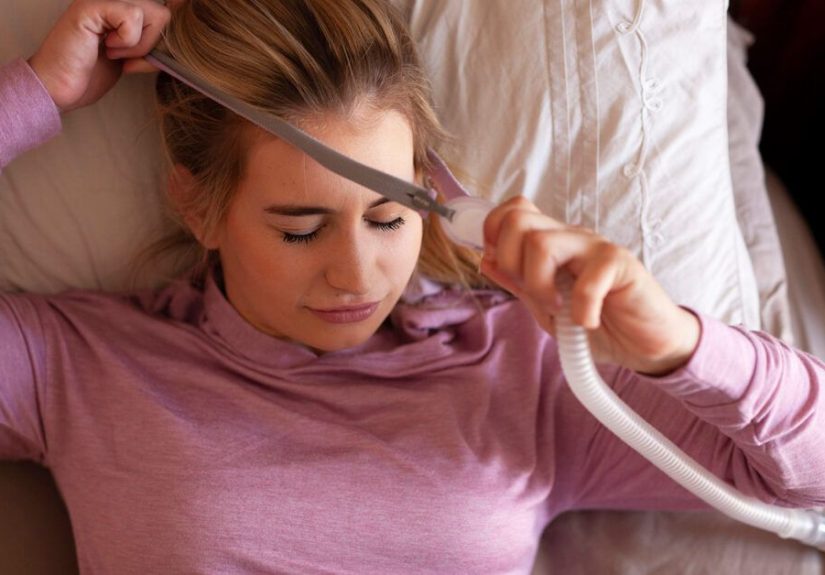
A BiPAP machine uses a motor to generate pressurized airflow. That air travels through tubing into a mask worn over the nose, or over both the nose and mouth. The air pressure helps keep the airway open and can also improve how effectively air moves in and out of the lungs.
Here is the practical version:
- When you breathe in, the machine gives you a higher pressure.
- When you breathe out, it drops to a lower pressure.
- That pressure support can reduce breathing effort, improve oxygen movement, and help remove carbon dioxide more effectively in some conditions.
Some BiPAP devices are used at home during sleep. Others are used in hospitals for short-term breathing support during illness or flare-ups. In either setting, the goal is similar: support breathing without requiring an invasive breathing tube when possible.
BiPAP vs. CPAP: What Is the Difference?
This is the question almost everybody asks, usually within five minutes of hearing the word “BiPAP.”
CPAP uses one continuous pressure
CPAP stands for continuous positive airway pressure. It delivers the same pressure whether you are inhaling or exhaling. For many people with obstructive sleep apnea, CPAP is the first machine doctors try because it works well and is the standard starting point.
BiPAP uses two pressures
BiPAP delivers a higher pressure on inhalation and a lower pressure on exhalation. That can feel more natural for some users, especially when higher pressure settings are needed or when a person has trouble exhaling against continuous pressure.
In short:
- CPAP: one steady pressure all night
- BiPAP: one pressure for breathing in, another for breathing out
For routine obstructive sleep apnea, CPAP or APAP is often used first. BiPAP may come into the picture when CPAP is not tolerated, when pressure needs are more complex, or when the person also has conditions involving poor ventilation or carbon dioxide retention.
Who Might Need a BiPAP Machine?
A BiPAP machine is not only for snoring spouses who sound like malfunctioning lawn equipment. It may be prescribed for a range of medical situations where breathing support is needed.
1. Obstructive sleep apnea
Some people with obstructive sleep apnea do well on CPAP. Others need BiPAP because the prescribed pressure is high, CPAP feels uncomfortable, or treatment is not working well enough.
2. Central sleep apnea
In central sleep apnea, breathing pauses happen because the brain’s signaling to breathing muscles becomes irregular. Certain PAP modes, including BiPAP in some cases, may be considered depending on the patient’s condition and evaluation.
3. COPD and hypercapnia
People with chronic obstructive pulmonary disease (COPD), especially those with hypercapnia or high carbon dioxide levels, may benefit from BiPAP because it can reduce the work of breathing and help with ventilation.
4. Obesity hypoventilation syndrome
This condition can make it hard for the body to move enough air in and out during sleep. BiPAP may be used when additional ventilatory support is needed.
5. Neuromuscular or neurologic conditions
Some disorders weaken the muscles involved in breathing. In these cases, a BiPAP machine may provide support at night or during certain periods when breathing becomes harder.
6. Short-term hospital breathing support
BiPAP may also be used during a COPD flare-up, pneumonia, heart failure-related breathing distress, or after surgery when a patient needs help breathing but can still breathe on their own.
Benefits of a BiPAP Machine
When prescribed correctly, BiPAP can do more than just make a machine hum on your nightstand. It can make a real difference in symptoms, sleep quality, and daily functioning.
Easier breathing
The main benefit is right there in the name: breathing gets help. The higher inhalation pressure supports airflow, while the lower exhalation pressure can feel less exhausting.
Better sleep quality
For people using BiPAP during sleep, treatment may reduce nighttime awakenings, improve restfulness, and cut down on morning headaches or daytime fatigue.
Reduced breathing effort
People with lung disease or ventilatory problems may feel less “air hungry” when the machine reduces how hard the respiratory muscles have to work.
Noninvasive support
BiPAP provides breathing support through a mask, which is much less invasive than a breathing tube. That matters in both comfort and complication risk.
Common Side Effects of a BiPAP Machine
No medical device gets a free pass from side effects, and BiPAP is no exception. The good news is that many side effects are manageable with mask adjustments, humidification, and follow-up care.
Dry mouth
This is one of the most common complaints, especially if you breathe through your mouth or the mask leaks. It can leave you waking up feeling like you swallowed a roll of paper towels.
Dry nose, stuffy nose, or sinus congestion
Pressurized air can irritate nasal passages, especially without adequate humidification. Some users benefit from a heated humidifier or saline sprays recommended by their clinician.
Mask leaks
If the mask does not fit well, air may leak into the eyes or around the cheeks. That can reduce treatment effectiveness and create irritation.
Skin irritation or pressure marks
A tight mask can rub the bridge of the nose, cheeks, or upper lip. A loose mask leaks; a tight mask complains loudly through your skin. The goal is the Goldilocks fit.
Claustrophobic feelings
Some people feel trapped or anxious when wearing the mask. This is common in the beginning and often improves with gradual use, the right mask style, and practice while awake.
Eye irritation
Leaking air blowing upward can dry out or irritate the eyes. This usually points to a fit problem, not a dramatic betrayal by the machine.
Mild stomach bloating
Some users swallow air, which can lead to bloating or gassiness. It is not glamorous, but it does happen.
Trouble clearing secretions
In some patients, especially those with more complex respiratory illness, a mask-based system may make secretion management harder if other support strategies are not in place.
Less Common but More Serious Risks
These are less common, but they matter:
- Low blood pressure in some situations
- Aspiration risk in selected patients
- Rare pressure-related lung injury
- Poor tolerance if the person cannot breathe independently enough to use noninvasive ventilation safely
This is why a BiPAP machine should be prescribed and adjusted by a qualified healthcare professional. The settings are not something to guess at like seasoning on fries.
How Doctors Choose the Right BiPAP Settings
BiPAP settings are prescribed, often after sleep testing, respiratory evaluation, or monitored titration. A doctor or sleep specialist determines the pressure levels, mask type, and any humidification settings.
In some cases, the pressure setup is adjusted during an in-lab sleep study or based on home treatment data and follow-up. Good follow-up is part of the treatment, not an optional bonus feature.
Tips to Make BiPAP More Comfortable
Use the right mask style
Full-face masks, nasal masks, and nasal pillows all feel different. A mouth breather may need a different setup than someone who mainly breathes through the nose.
Ask about humidification
A heated humidifier can help reduce dryness and congestion. For many users, this is the difference between “I can do this” and “absolutely not.”
Practice while awake
Wearing the mask for short daytime sessions can help reduce anxiety and make nighttime use easier.
Fix leaks early
Do not try to “just deal with” a bad mask fit. Small leaks can turn into dry mouth, sore eyes, irritated skin, and poor therapy.
Clean the equipment regularly
Mask, tubing, humidifier chamber, and filters need routine cleaning and maintenance. If not cleaned, equipment can collect bacteria, mold, debris, and unpleasant odors.
Plan for power outages
If you rely on a BiPAP machine at home, ask about battery backup or a compatible car adapter. That is not over-preparing. That is just smart.
When to Call a Healthcare Provider
Contact your healthcare team if:
- You cannot tolerate the mask or pressure
- You still feel exhausted despite regular use
- You develop significant skin sores or eye irritation
- You have worsening shortness of breath
- You suspect the machine settings are not right
- Your device is old and may be affected by a manufacturer recall
If your breathing gets worse suddenly, that is not a “maybe I will mention it at my next appointment” moment. Seek urgent medical care.
Real-World Experiences With a BiPAP Machine
People’s experiences with a BiPAP machine are often a mix of relief, frustration, adaptation, and eventually routine. The first few nights are rarely elegant. Many users describe the experience as strange at first because sleeping with pressurized air and a mask is not exactly a natural human hobby. Some say the machine feels noisy, even when it is not particularly loud. Others become hyper-aware of every breath, which can make it harder to fall asleep in the beginning.
One of the most common early experiences is mask drama. The mask may feel too tight, too loose, too warm, too bulky, or somehow all four at once. New users often wake up with marks on their face or with dry mouth because the mask leaked during sleep. For mouth breathers, finding the right mask style can be the turning point between giving up and finally settling into treatment. A lot of people do not fail BiPAP; they simply start with the wrong mask.
Another common experience is a surprisingly emotional adjustment period. Some users feel embarrassed about sleeping with a machine, especially when sharing a bed or traveling. Others feel anxious because the mask can trigger claustrophobic feelings. But many also report that once they push through the first week or two and get the fit and humidity settings right, the machine becomes much less intimidating. It stops feeling like a medical event and starts feeling like part of bedtime, somewhere between brushing teeth and setting an alarm.
For people with sleep-disordered breathing, one of the most rewarding experiences is what happens during the day. They may notice fewer morning headaches, better focus, less daytime sleepiness, and less dozing off during quiet moments. Partners often notice changes too, such as quieter nights, less gasping, and fewer frightening pauses in breathing. Sometimes the patient notices the improvement slowly, but the person sleeping nearby notices it immediately.
People using BiPAP for COPD, hypoventilation, or other breathing disorders may describe a different kind of benefit. Instead of talking mainly about snoring or sleepiness, they often talk about the machine making breathing feel less like hard labor. Some say it reduces that panicky “I cannot quite catch my breath” sensation, especially at night or during flare-prone periods. The improvement is not always dramatic overnight, but even a modest reduction in breathing effort can feel huge when every breath has been a chore.
There are also practical lessons that experienced users repeat all the time: clean the equipment, replace worn parts, use distilled water if your humidifier requires it, and do not ignore power backup planning. People who depend on their machine often become accidental experts in extension cords, backup batteries, and the emotional importance of a properly fitted headgear strap. Glamorous? No. Helpful? Absolutely.
The most realistic takeaway is this: BiPAP treatment is often awkward before it becomes useful, and useful before it becomes normal. The people who succeed are not necessarily the ones who love the machine on day one. They are usually the ones who troubleshoot, ask for help, and keep going long enough to feel the payoff.
Final Thoughts
A BiPAP machine is a form of bilevel positive airway pressure therapy that supports breathing with two pressure levels: one for inhaling and one for exhaling. It may be used for conditions such as obstructive sleep apnea, central sleep apnea, COPD, obesity hypoventilation syndrome, and other problems that affect ventilation.
Its biggest strengths are improved breathing support and a more customized feel than single-pressure machines. Its most common downsides include dryness, mask discomfort, leaks, skin irritation, and adjustment challenges. For many users, though, the right settings and the right mask can turn BiPAP from an awkward bedside gadget into a major quality-of-life upgrade.
If you or a loved one may need a BiPAP machine, the next step is not guessing. It is getting evaluated by a qualified healthcare professional who can identify the underlying problem, recommend the right type of breathing support, and fine-tune treatment for safety and comfort.