Table of Contents >> Show >> Hide
- What Exactly Is White Pepper?
- White Pepper vs. Black Pepper: What’s the Difference?
- What Does White Pepper Taste Like?
- Culinary Uses: How White Pepper Is Used Around the World
- Health and Nutrition: Is White Pepper Good for You?
- Buying, Storing, and Grinding White Pepper
- Common Questions About White Pepper
- Experiences With White Pepper: How It Plays Out in Real Cooking
- Final Thoughts: Why White Pepper Is Worth Knowing
If black pepper is the loud friend who tells jokes at full volume, white pepper is the quiet one who leans in and delivers the punchline under their breath. It’s the same plant, the same basic spiceyet it tastes different, looks different, and shows up in very different dishes. So what exactly is white pepper, and why do some chefs swear by it while others avoid it like that dusty jar in the back of the pantry?
In this guide, we’ll break down what white pepper is made from, how it’s processed, how it tastes, when to use it instead of black pepper, and even what (limited but interesting) health benefits it may offer. By the end, you’ll know exactly when white pepper deserves a starring role in your cookingand when black pepper should stay in the spotlight.
What Exactly Is White Pepper?
White pepper comes from the same plant as black pepper, the Piper nigrum vine. The difference is not the speciesit’s all about how the pepper berries are harvested and processed.
A quick botany lesson
The pepper plant produces clusters of small berries (peppercorns). For black pepper, the berries are picked when they’re still green and unripe, then dried with the outer skin on. For white pepper, the berries are harvested when they’re fully ripe, typically red in color, and then the outer layer is removed so only the pale inner seed remains.
How white pepper is processed
To make white peppercorns, the ripe berries are usually:
- Soaked in water for several days (a process called retting) to loosen the outer skin.
- Rubbed or washed to remove that outer layer.
- Dried until the inner seed is hard and palethese are the white peppercorns you see in jars.
That soaking and fermenting step is what gives white pepper its signature aroma and flavormilder in some ways than black pepper, but with a slightly earthy, sometimes “funky” edge that people either love or find surprising at first.
White Pepper vs. Black Pepper: What’s the Difference?
Since both spices come from the same plant, it’s fair to wonder: can you just swap them in and out? Sometimes yesbut it helps to understand how they differ in a few key areas.
Appearance
- Black pepper: Dark brown to black, with a wrinkled outer skin.
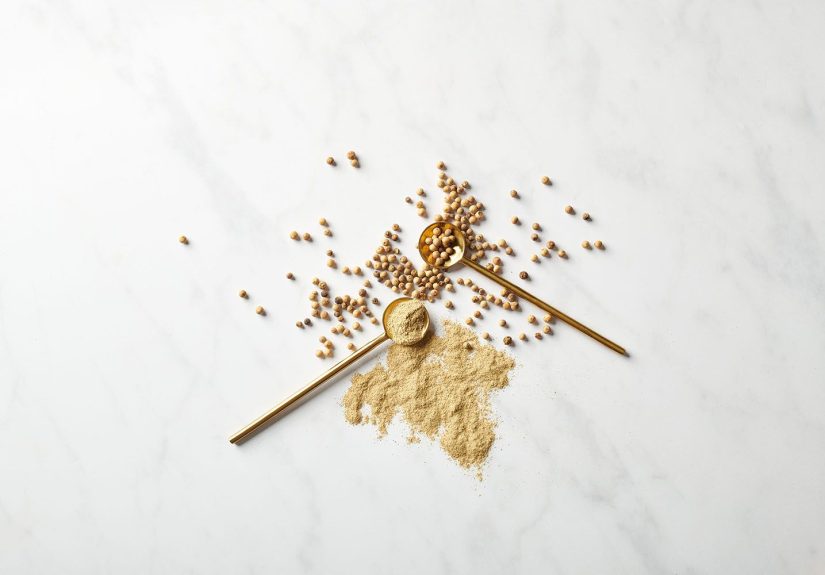
- White pepper: Smooth, beige to off-white, with the dark outer skin removed.
That smooth, pale look is exactly why white pepper is a favorite in light-colored dishesthink cream sauces, mashed potatoes, and pale soupswhere little black flecks would stand out visually.
Flavor and aroma
This is where opinions get strong. In general:
- Black pepper is bold, pungent, and a bit fruity. It hits your nose with that classic peppery aroma and a noticeable bite.
- White pepper is usually described as milder but earthier, with notes that can be slightly musty, woody, or even mushroom-like. Some varieties taste brighter and more herbaceous; others have a faintly fermented smell.
Because white pepper lacks the outer skin, you often feel its heat quickly on the tongue, but it doesn’t stick around as long as black pepper. It’s less about aroma exploding out of the grinder and more about a subtle, lingering warmth in the dish.
When to choose which
As a rough guide:
- Pick black pepper when you want bold, obvious spicesteaks, burgers, robust tomato sauces, roasted vegetables, and big-flavored marinades.
- Pick white pepper when the dish is delicate or light in colorcream soups, béchamel sauce, mashed potatoes, velouté, seafood chowders, and many traditional Asian soups and stir-fries.
Can you swap them? Technically yes, but the flavor and look will change. Using black pepper instead of white pepper might be fine for weeknight cooking, but in certain classic recipes (like hot and sour soup or silky white sauces), using white pepper keeps the flavor and appearance closer to the original.
What Does White Pepper Taste Like?
If you’ve only ever had black pepper, the first taste of white pepper can be a surprise. It’s less “peppery perfume” and more “quiet background hum.” Here are some common tasting notes people use:
- Earthy – reminiscent of mushrooms or damp soil in a good way.
- Mildly spicy – there’s still heat, but it feels smoother and less prickly than black pepper.
- Musty or fermented – especially in lower-quality or older white pepper, you might catch a barnyard or slightly funky aroma.
- Herbaceous or piney – high-quality white pepper can have bright, resinous notes that feel surprisingly fresh.
Most of that character comes from the soaking/fermentation step and the fact that the outer skin is removed. If you’ve ever tasted a dish and thought, “This doesn’t taste super spicy, but something warm and subtle is happening in the background,” there’s a decent chance white pepper is at work.
Culinary Uses: How White Pepper Is Used Around the World
White pepper shows up in many global cuisines, sometimes as the default pepper. Here’s where you’re most likely to meet it.
In European and American cooking
In Western kitchens, white pepper is often used when a recipe calls for pepper but the cook doesn’t want visible black specks. Common examples include:
- Creamy soups such as potato-leek soup, cream of mushroom, or seafood chowder.
- White sauces like béchamel, Alfredo, Mornay (cheese sauce), and velouté.
- Mashed potatoes and gratins, where you want a smooth, pale, creamy look.
- Swedish-style meatballs and other pale meat sauces where black specks might look out of place.
It’s also excellent in seafood dishespoached fish, delicate fish stews, or creamy shrimp pastawhere black pepper can sometimes feel too aggressive for the subtle flavor of the seafood.
In Asian cuisines
In many parts of Asia, especially China and Southeast Asia, white pepper often takes center stage where Western cooks would automatically grab black pepper.
- Chinese hot and sour soup gets a lot of its heat from white pepper rather than chiles.
- Congee (rice porridge) is frequently finished with a sprinkle of white pepper for gentle warmth.
- Stir-fries and quick soups often use white pepper because it dissolves easily in broth and sauces.
- Vietnamese and Thai dishes may use white pepper in marinades and clear soups, where its heat blends in without dark specks.
If you’ve ever wondered why some Asian restaurant dishes feel warm and peppery without visible black flakes, white pepper is usually the secret.
Easy ways to cook with white pepper at home
Not sure where to start? Try these simple ideas:
- Add a pinch of white pepper to scrambled eggs or omelets for a smoother, less visible heat.
- Finish mashed potatoes with butter, cream, salt, and a light dusting of white pepper instead of black.
- Use white pepper in cream-based sauces for chicken or seafood; stir in at the end so you can adjust to taste.
- Sprinkle a little over a bowl of chicken noodle soup or congee right before serving.
Because white pepper can taste stronger or more “forward” than you expect, it’s best to start small and build up slowly. A little can go a long way.
Health and Nutrition: Is White Pepper Good for You?
White pepper isn’t just about flavorit also contains some interesting compounds that have been studied for potential health effects. That said, it’s important to remember you only use it in tiny amounts, so it’s more of a bonus than a primary source of nutrients.
What’s in white pepper?
White pepper contains:
- Piperine, the main active compound responsible for its pungency.
- Small amounts of fiber, manganese, iron, and other minerals.
- Antioxidant compounds that help neutralize free radicals.
However, because a serving is often just a pinch or two, you’re not getting huge amounts of vitamins or minerals from it alone.
Potential health benefits (in context)
Early research and traditional use suggest a few possible benefits of white pepper and its key compound, piperine:
- Digestive support: Pepper has long been used to stimulate digestive juices, which may help with appetite and mild indigestion.
- Anti-inflammatory and antioxidant effects: Lab and animal studies give hints that piperine has anti-inflammatory and antioxidant properties, which may be broadly supportive of health.
- Enhanced absorption of other nutrients: Piperine may help your body absorb certain compoundscurcumin (from turmeric) is the classic example used in some supplements.
- Traditional uses: In some traditional systems, white pepper has been used for joint pain, cough, and circulation, though modern clinical evidence is limited.
All of this is interesting, but pepper is not a miracle medicine. Think of white pepper as part of a flavorful, varied dieta spice that may offer small health perks on top of making food taste better.
Safety and side effects
For most healthy adults, the amount of white pepper used in cooking is considered safe. Potential issues mostly show up when people consume large amounts or concentrated supplements:
- Digestive irritation is possible with high doses, especially for people with sensitive stomachs or acid reflux.
- Interactions with medications are a concern primarily with piperine-containing supplements, not normal table use. If you take prescription drugs and use pepper extracts or high-dose blends, talk with a healthcare professional.
- Allergic reactions are rare but possible, as with any spice.
Bottom line: using white pepper to season your dinner is generally safe; just don’t treat it as a cure-all or take large amounts of concentrated piperine without medical advice.
Buying, Storing, and Grinding White Pepper
Not all white pepper is created equal. Because it’s more delicately flavoredand more prone to off smellsquality and storage matter.
Whole vs. ground
You’ll usually find white pepper sold as either whole peppercorns or pre-ground powder:
- Whole white peppercorns stay fresh longer and are less likely to develop a stale or overly funky aroma. You can grind them in a pepper mill or crush them in a mortar and pestle as needed.
- Ground white pepper is super convenient and dissolves quickly in sauces and soups. The trade-off is that it loses aroma faster and is more sensitive to heat, air, and moisture.
If you can, buy whole peppercorns for long-term storage and grind what you need. For everyday cooking, a small jar of ground white pepper from a trusted brand is finejust try to use it within a year or so for best flavor.
How to store white pepper
To keep white pepper tasting its best:
- Store it in a cool, dark place away from direct sunlight and heat.
- Keep the container tightly sealed to avoid moisture and odor absorption.
- Avoid keeping it right next to the stove, where heat and steam can speed up flavor loss.
If you open your jar and the smell is extremely musty or “off”like a damp basementit may be time to upgrade to a fresh batch.
Common Questions About White Pepper
Can I use white pepper instead of black pepper?
Yes, but expect the flavor and look to change. In light-colored dishes like cream sauces, mashed potatoes, or clam chowder, white pepper is actually the preferred option. In robust dishes like steak rubs or chili, black pepper usually works better because it brings more aroma and “pop.”
Why does white pepper sometimes smell funky?
That slightly barnyard or fermented smell comes from the soaking and fermenting step used to remove the outer skin of the pepper berries. High-quality, fresh white pepper tends to be more pleasantly earthy and complex, while lower-quality or old white pepper can skew toward unpleasant funk. Buying smaller amounts and storing them well helps avoid the worst of that.
Is white pepper spicier than black pepper?
It depends on how you define “spicy.” Many people experience white pepper’s heat as sharper but shorterit hits quickly, then fades. Black pepper’s heat can feel rounder and more aromatic because of the oils in the outer skin. In practice, both are spicy; they just express that heat differently.
Experiences With White Pepper: How It Plays Out in Real Cooking
Reading about white pepper is one thing; cooking with it is where its personality really shows. Here are some real-world scenarios that capture how this spice behaves in everyday kitchens.
Scenario 1: The “perfectly pale” mashed potatoes
Imagine you’re making mashed potatoes for a fancy holiday dinner. The butter is rich, the cream is velvety, and you want the texture to look like a cloud. If you finish the dish with black pepper, little specks appear all over the bowl. Some people love that rustic look; others want a smoother, more uniform appearance. Swap in white pepper, and you get a gentle warmth and savory depth without changing the look. Guests taste “something” but rarely see it or immediately identify it as pepper. They just know the potatoes taste more complete.
Scenario 2: The quietly spicy cream soup
A pot of cream of mushroom or potato-leek soup is simmering on the stove. You’ve seasoned with salt, thyme, perhaps a little garlic, but it still feels flat. A pinch or two of white pepper can bring everything into focus. Unlike black pepper, which can dominate with aroma, white pepper slips into the background, supporting the mushrooms, leeks, or potatoes instead of competing with them. The soup doesn’t scream “pepper!” It whispers “warm, cozy, and just peppery enough.”
Scenario 3: The Chinese-style comfort bowl
Think of a bowl of hot congee or chicken rice soup on a cold morning. A drizzle of soy sauce, a bit of scallion, maybe shredded chickenand then a light dusting of white pepper over the top. The pepper melts into the broth almost instantly. There are no visible specks, but the first spoonful delivers a mild tingle that wakes up your senses and cuts through the richness. That gentle heat is exactly why white pepper shows up so often in Chinese home cooking and Asian restaurant soups.
Scenario 4: The delicate fish dish
Now picture a piece of cod or halibut poached in a light broth or baked with lemon and butter. Adding black pepper can sometimes overshadow the fish or make the sauce look speckled. A small amount of white pepper in the sauce adds warmth and rounds out the flavor without shouting over the fish. When you cut into the fillet, the sauce looks pristine, but the flavor has more dimension than simple lemon and salt.
Scenario 5: Learning the “less is more” rule
Many cooks have a moment where they realize white pepper is not meant to be dumped in by the tablespoon. Because its heat can feel sharp and its aroma can skew musty when overused, too much white pepper can make a dish taste oddly barnyard-like instead of pleasantly savory. That’s when the “tiny pinch, taste, then adjust” rule becomes your best friend. Used thoughtfully, white pepper adds finesse. Used heavily, it can take over in a way black pepper rarely does.
What these experiences have in common
Across all of these situations, white pepper succeeds when it’s used for:
- Subtlety – adding warmth and depth without shouting.
- Aesthetics – keeping sauces, soups, and sides visually clean.
- Harmony – supporting delicate flavors like fish, eggs, and mild vegetables instead of overshadowing them.
Once you’ve cooked with white pepper a few times, you start to “hear” its quiet influence in dishes. It doesn’t replace black pepper, but it absolutely deserves its own spot in the spice rackespecially if you love creamy, pale, or subtly seasoned food.
Final Thoughts: Why White Pepper Is Worth Knowing
White pepper is not just “black pepper but lighter.” It’s a distinct ingredient with its own production method, flavor profile, and ideal use cases. From creamy sauces and mashed potatoes to Asian soups and delicate seafood dishes, it shines wherever you want gentle heat, subtle earthiness, and a clean visual presentation.
Is it mandatory in every kitchen? Maybe not. But once you understand what white pepper is, what it tastes like, and how to use it, it becomes a powerful tool for fine-tuning flavor. For cooks who care about both taste and appearance, this quiet little spice is absolutely worth paying attention to.
SEO metadata in JSON format