Table of Contents >> Show >> Hide
- What Exactly Is a Facade Fragment?
- Why Fragments Fascinate Us
- How Facade Fragments Tell a Building’s Story
- Why Cities Save Pieces Instead of Whole Buildings
- The Big Debate: Preservation, Reuse, or a Fancy Mask?
- Where You See Facade Fragments Today
- How to Read a Facade Fragment Like a Detective
- Experiences With Facade Fragments: What It Feels Like to Meet a Building in Pieces
- Conclusion
Note: HTML body only, English content, SEO JSON included at the end, and unnecessary citation artifacts removed for web publishing.
Some buildings do not disappear all at once. They leave behind clues. A carved stone face above a doorway. A stretch of terra-cotta trim clinging to a brick wall. A cast-iron storefront that somehow survived every bad renovation idea from disco to frosted vinyl lettering. These leftover pieces are facade fragments, and they are the architectural equivalent of finding one page from a very juicy diary.
Facade fragments matter because they are not random scraps. They hold evidence. They reveal how a building wanted to be seen, how a neighborhood once presented itself, and what materials, labor, craftsmanship, and ambition shaped a street. In preservation work, the visual character of a historic building is not just about age. It is about form, materials, setting, detail, and the relationship between all those things. That is why a fragment can say a lot, even when the rest of the structure is gone or radically changed.
This is the real magic of facade fragments: they are small, but they are loud. They tell stories about style, commerce, technology, weather, damage, repairs, pride, neglect, and second chances. If a full building is a novel, a fragment is the dog-eared chapter that still smells like the place it came from.
What Exactly Is a Facade Fragment?
A facade fragment is any surviving exterior piece that helps define the face of a building. That can include cornices, lintels, window surrounds, terra-cotta panels, masonry details, carved stone, cast-iron columns, decorative brickwork, signage frames, parapets, ornament, or entire storefront sections. Some fragments stay where they were born. Others are removed, archived, studied, displayed, or reused.
In historic preservation, these pieces are not treated like pretty rubble. They are considered records. A fragment can preserve information about scale, craftsmanship, construction methods, material technology, and the social role of a building on its block. A simple storefront detail, for example, may tell you whether the building once sold dry goods, welcomed theatergoers, or tried very hard to impress people with money and hats.
That last part matters. Facades were never neutral. They were advertisements, status symbols, civic gestures, and design statements. A commercial facade especially had to do several jobs at once: attract attention, communicate quality, frame merchandise, and contribute to the character of the street. So when fragments survive, they preserve both design and attitude. Architecture, as usual, had a little ego.
Why Fragments Fascinate Us
People are drawn to facade fragments because they create a tension between what remains and what is missing. A complete building tells you a story in order. A fragment makes you work for it. It invites questions. Was this from a grand department store or a modest corner shop? Why is the carving so elaborate? Why does the brick color change halfway up? Why is one window taller than the others? Why does this one stone block look older, rougher, or slightly annoyed?
That mystery is part of the appeal, but the fascination is also physical. Historic buildings often used materials and surface treatments that reward close looking. Tool marks in stone, uneven glaze in terra cotta, subtle mortar profiles, cast-iron repetition, hand-finished ornament, and weathered patina all create texture that modern flat systems often skip. A fragment lets you see that old-school attention up close. It is craftsmanship in snack-size form.
There is also something deeply human about fragments. They are evidence of endurance. They have survived demolition, redevelopment, changing taste, deferred maintenance, and the occasional “modernization” project that should probably apologize in writing. When a fragment remains, it reminds us that cities are layered, not erased in one clean swipe.
How Facade Fragments Tell a Building’s Story
They reveal shape and composition
The face of a building is never just decoration. The size and arrangement of openings, the rhythm of bays, the vertical or horizontal emphasis, and the relationship between base, middle, and top all shape how a building reads from the street. Even a partial facade can reveal whether a structure was formal or utilitarian, grand or compact, symmetrical or improvised.
They preserve material clues
Materials are storytellers. Brick can suggest local production, era, and budget. Terra cotta can signal ornament-rich design and industrial-era manufacturing. Cast iron often points to commercial architecture and modular fabrication. Stone can suggest status, regional sourcing, or a desire to look permanent, even when the financing was less emotionally stable.
They capture craftsmanship
Fragments preserve the evidence of labor. A carved capital, molded cornice, decorative spandrel, or shaped lintel can tell us what skill sets were available, what tools were used, and how much visual richness owners were willing to pay for. Close-range details are often the first things lost in insensitive repairs, so surviving pieces carry extra value.
They keep context alive
A fragment without provenance is interesting. A fragment with provenance is powerful. Once experts know where it came from, what elevation it belonged to, and how it related to the rest of the building, the object becomes a real document. That is why preservation professionals emphasize recording original location, photographing removed elements, and documenting their condition and use.
Why Cities Save Pieces Instead of Whole Buildings
In a perfect world, important historic buildings would remain intact, carefully maintained, and blessed with owners who understand gutters. In the real world, buildings are damaged by time, flood, structural failure, disinvestment, code issues, speculative development, and changing market demands. Sometimes full preservation is possible. Sometimes rehabilitation and adaptive reuse are the best path. Sometimes only fragments survive.
That does not mean the fragments are meaningless leftovers. In many preservation efforts, exterior features are kept because they hold essential character. Historic tax credit programs and rehabilitation standards have helped encourage reuse rather than demolition, turning older buildings into housing, offices, hotels, schools, and mixed-use spaces. That approach works best when the historic fabric is treated as more than a costume. The goal is not to tape a nostalgic face onto a generic box and call it heritage. The goal is to preserve genuine character while allowing the place to function in the present.
Sometimes fragments are also preserved in collections or museums. That may sound a little sad at first, but it can be deeply valuable. Study collections allow researchers, students, and the public to examine how buildings were made, what details defined them, and how design changed over time. In other words, a fragment can continue teaching long after its original building stopped paying property taxes.
The Big Debate: Preservation, Reuse, or a Fancy Mask?
This is where things get spicy. Not every project that keeps part of a facade is automatically good preservation. Some people praise facade retention because it keeps a visual connection to the past and helps maintain the identity of a street. Others criticize shallow preservation when only the front wall survives and everything behind it becomes disconnected from the building’s original character.
Both sides have a point. Saving a facade can be better than total erasure, especially in dense commercial districts where the streetscape matters. But fragments should not be used as decorative alibis. A preserved frontage has the most value when it remains tied to real documentation, honest interpretation, compatible materials, and thoughtful reuse. Preservation is strongest when it respects what is authentic, acknowledges changes over time, and avoids creating a fake history that looks old but says very little.
That is why preservation guidance often focuses on distinguishing features, existing materials, craftsmanship, and setting. The point is not to freeze buildings in amber. The point is to understand what gives them identity before making changes. Good projects read the building first. Bad projects read only the spreadsheet.
Where You See Facade Fragments Today
You can find facade fragments in more places than you might expect. On Main Streets, they appear in restored storefronts where cast-iron columns, transoms, and cornices help reestablish commercial character. In adaptive reuse projects, they survive as exterior anchors while interiors evolve for new uses. In museums and study collections, they become teaching tools. In architectural salvage warehouses, they wait patiently for a second act. In archives, measured drawings and photographs help reconstruct or interpret lost facades after disaster or demolition.
They also show up in the background of everyday life. The old carved panel above the coffee shop. The ornamental spandrel tucked into a lobby wall. The ghost outline of a cornice on a side elevation. The bricked-in opening that tells you the storefront used to be different. Once you start noticing facade fragments, your city becomes a lot less quiet.
How to Read a Facade Fragment Like a Detective
Start with the material. Is it stone, cast iron, pressed metal, terra cotta, brick, wood, or concrete? Material narrows the era and hints at technology. Next, study the finish. Was it polished, painted, glazed, rough-cut, machine-made, or hand-worked? Then look at scale. A huge ornament piece likely came from a major commercial or civic structure, while a smaller molded trim element may have belonged to a house or neighborhood storefront.
After that, ask where it sat on the building. Base elements often had to be tough and tactile. Upper facade ornament could be more delicate, theatrical, and frankly a little dramatic. Weathering patterns can also help. Soot, water staining, rust, repair patches, and worn edges all tell stories about exposure and maintenance. Fragments are not just art objects. They are field notes written in dust and mortar.
Most importantly, do not separate the piece from its context too quickly. A fragment becomes more meaningful when tied to photographs, drawings, addresses, maps, or oral histories. That is where the story expands from “beautiful old object” to “evidence of how this place lived.”
Experiences With Facade Fragments: What It Feels Like to Meet a Building in Pieces
There is a very specific feeling that comes from standing in front of a facade fragment in real life. It is not quite nostalgia, because you may never have known the original building. It is not exactly loss either, because something is still there. It feels more like being introduced to a person through a single surviving letter. You know you are meeting only part of the story, but the part you have is vivid enough to make the rest feel close.
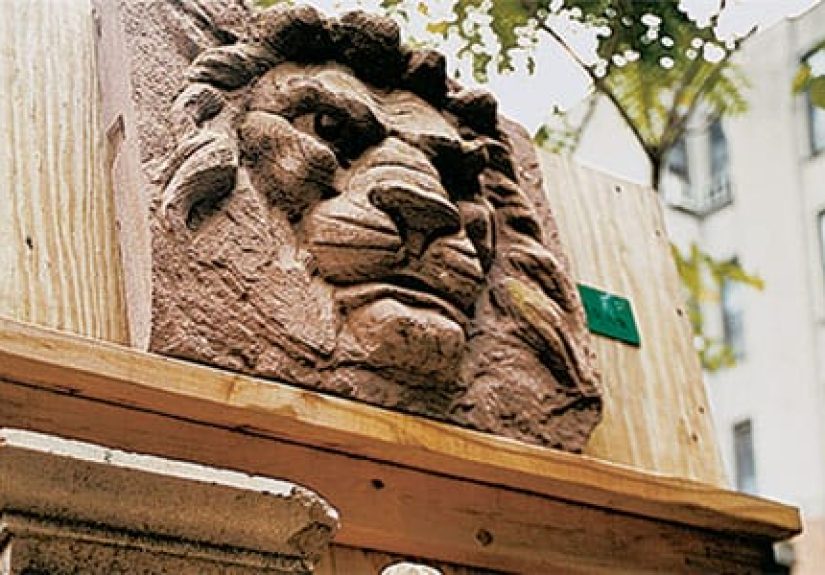
Walk through an older downtown and this experience starts happening every few steps. A patched brick wall suggests where a neighboring building once attached. A surviving cast-iron column at street level whispers that this block used to sell goods with more ceremony. A terracotta face, half hidden under a newer sign, stares down like it remembers when the street was louder, slower, and perhaps dressed better. Facade fragments do this all the time. They turn casual walks into acts of reading.
One of the most striking things about the experience is scale. Details that look modest from across the street can become astonishing up close. You notice chisel marks, tiny chips in glaze, variations in mortar, and the precision of repetitive patterns. Suddenly the building stops being “historic” in the vague brochure sense and starts becoming physical evidence of human work. Somebody drew that line. Somebody carved that curve. Somebody lifted that block into place and probably complained about the weather while doing it.
There is also an emotional contrast that makes fragments powerful. They are sturdy and vulnerable at the same time. A stone ornament can survive a century of wind and still look elegant, yet lose its meaning if separated from its address, photograph, or story. That is why documented fragments feel richer than anonymous salvage. Once you know where a piece came from, the experience changes. It is no longer just a handsome object. It is a surviving witness.
For many people, facade fragments also make cities feel more honest. Perfectly new construction can be efficient, attractive, and useful, but fragments reveal that urban places are built through layers, arguments, repairs, and reinventions. They remind us that a city is not one moment. It is many moments, stacked. A retained storefront, an archived cornice, a reconstructed detail, or even a ghost outline on brick can make that layered history visible in a way that plaques alone rarely do.
And yes, there is a little romance in it. Not movie-kiss-in-the-rain romance. More like “I can’t believe this old thing still has the nerve to be beautiful” romance. Facade fragments are stubborn. They survive trends, demolition plans, and people who think beige panels are a personality. That stubbornness is moving. It tells us that places can change without becoming blank.
Maybe that is the best experience facade fragments offer. They train us to look longer. They make us slower, more observant, and more curious about the streets we thought we already knew. They remind us that buildings are not silent objects. Even in pieces, they talk. The question is whether we are paying attention.
Conclusion
Facade fragments are more than leftovers from lost buildings. They are condensed pieces of architectural memory. They preserve visual character, material knowledge, craftsmanship, and urban identity in forms small enough to overlook and rich enough to reward careful attention. Whether they remain on a street, enter a study collection, or guide a smart adaptive reuse project, they help keep the story of a place from flattening into forgettable newness.
So the next time you see a carved lintel, a weathered storefront column, or a fragment of ornament hanging on where it has no business still looking that good, ask the obvious question: what is their story? Chances are, the facade fragments are already answering.