Table of Contents >> Show >> Hide
- Why Media Coverage Matters After Mass Shootings
- 10 Ways The Media Makes Mass Shootings Worse
- 1. Turning the Attacker Into the Main Character
- 2. Publishing Manifestos and Grievances Like a Press Release
- 3. Overusing Photos and Videos of the Perpetrator
- 4. Speculating Before Facts Are Confirmed
- 5. Making the Coverage Feel Like Entertainment
- 6. Ignoring Victims Until They Become Symbols
- 7. Treating Mental Illness as the Easy Explanation
- 8. Creating Panic Without Practical Information
- 9. Dropping the Story Before the Hard Questions Begin
- 10. Framing Every Shooting as Inevitable
- What Responsible Coverage Should Look Like
- Experiences and Reflections: What It Feels Like From the Audience Side
- Conclusion
Mass shootings are already devastating. They shatter families, traumatize communities, and leave the rest of the country refreshing news apps with that sick, familiar question: “Not again?” The media does not pull the trigger, and responsible journalism remains essential during any public crisis. People need accurate information, safety updates, context, accountability, and a record of what happened.
But here is the uncomfortable part: the way mass shootings are covered can sometimes deepen the damage. Certain reporting habits can spread panic, reward fame-seeking attackers, retraumatize survivors, distort public understanding, and turn tragedy into a grim content marathon. The problem is not journalism itself. The problem is journalism on autopilot: sirens, speculation, mugshots, manifestos, dramatic music, and “breaking news” banners that stay on-screen long after anything new is actually breaking.
This article explores 10 ways the media makes mass shootings worse, based on research into media contagion, trauma-informed journalism, public safety guidance, and ethical reporting standards. The goal is not to shame reporters doing hard work under intense pressure. It is to show how coverage can inform the public without accidentally becoming part of the problem.
Why Media Coverage Matters After Mass Shootings
Mass shootings occupy a unique space in American public life. They are statistically less common than many other forms of gun violence, yet they generate enormous fear because they feel random, public, and impossible to predict. A grocery store, school, church, concert, office, or parade can suddenly become a national headline. That fear is real, and the public deserves clear information.
Still, researchers and journalism experts have warned that some attackers seek attention, recognition, or symbolic power. When coverage turns perpetrators into household names, repeats their images, dissects their grievances, and spreads their messages, it can give them exactly the audience they wanted. That does not mean every report causes copycats. The research is more careful than that. But it does mean coverage choices matter.
Good reporting can help communities understand warning signs, support victims, correct misinformation, and push meaningful policy conversations. Bad reporting can make the attacker famous, flatten victims into numbers, and leave the audience terrified but not better informed. In other words, the media can be a flashlightor a fog machine with a logo.
10 Ways The Media Makes Mass Shootings Worse
1. Turning the Attacker Into the Main Character
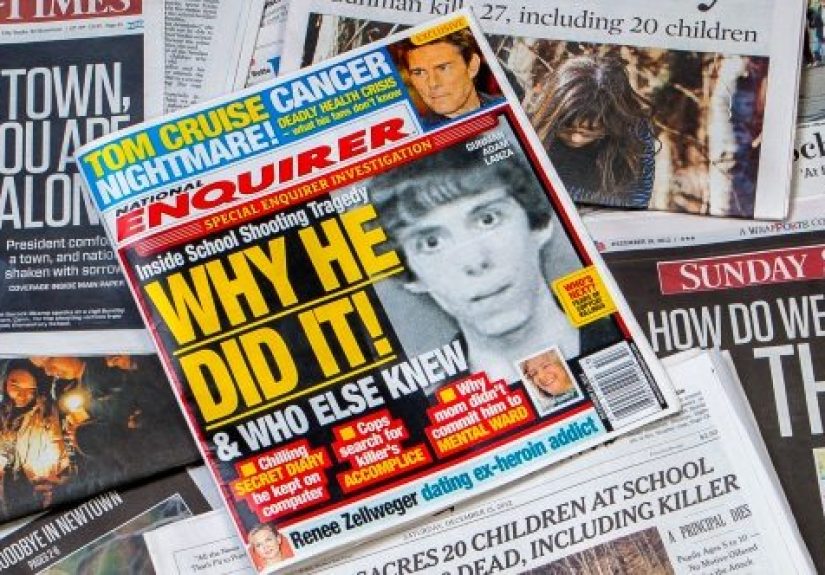
One of the most harmful media habits is centering the perpetrator. The attacker’s name, photo, biography, social media posts, childhood, clothing, writings, playlist, and personal complaints often receive wall-to-wall attention. Meanwhile, victims may be reduced to a casualty count until later, if they are covered meaningfully at all.
This framing matters because some perpetrators crave notoriety. When media outlets repeatedly display their face and name, they can unintentionally create the dark celebrity status the attacker desired. It also teaches the public to remember the person who caused the harm more than the people who lived, loved, taught, worked, laughed, and were taken away.
A healthier approach is simple: name the perpetrator sparingly when there is a clear public-interest reason, avoid using the name in headlines when possible, and do not turn the attacker’s image into the visual logo of the tragedy. The story should belong to victims, survivors, responders, and the communitynot the person who tried to steal the spotlight through violence.
2. Publishing Manifestos and Grievances Like a Press Release
Some mass shooters leave behind writings, videos, posts, or symbolic messages. The temptation to quote them is strong because journalists want to explain motive. But publishing long excerpts or linking to original materials can spread propaganda, conspiracies, hate, or personal fantasies directly to a mass audience.
There is a major difference between explaining that an attacker was motivated by extremist beliefs and handing readers the attacker’s unfiltered recruitment brochure. Responsible coverage summarizes only what is necessary, avoids sensational excerpts, and refuses to amplify slogans designed to travel online.
Think of it like reporting on a restaurant fire: people need to know what happened, not a downloadable blueprint for how to repeat it. The public can understand motive without receiving a souvenir copy of the attacker’s worldview.
3. Overusing Photos and Videos of the Perpetrator
Images are powerful. A single photo can become the memory hook for an entire event. That is why repeated use of a perpetrator’s face can be so damaging. It turns the attacker into an icon, even when the story criticizes them. Visual repetition says, “Remember this person.” Unfortunately, some troubled viewers may do exactly that.
Newsrooms should ask whether the image adds public value or merely fills space. In many cases, photos of vigils, community support, victim memorials, first responders, or public safety briefings are more ethical and more informative. They shift attention toward the human cost and the recovery process.
Showing the perpetrator once may sometimes be justified, especially if law enforcement is still searching for a suspect. But after the public safety purpose ends, so should the visual spotlight. There is no journalistic need to turn a killer’s face into a screensaver for national grief.
4. Speculating Before Facts Are Confirmed
Breaking news creates pressure. Audiences want answers immediately, editors want updates constantly, and social media rewards whoever posts firsteven if “first” later becomes “spectacularly wrong.” In mass shooting coverage, early information is often confused. Initial casualty numbers may change. Motives may be unknown. Witness accounts may conflict. Rumors can spread faster than corrections.
Speculation is harmful because it can misidentify people, inflame tensions, spread fear, and force victims’ families to process false claims in real time. Once misinformation enters the public bloodstream, corrections rarely travel as far. The internet has many talents; quietly admitting it was wrong is not one of them.
Responsible journalists should clearly label what is confirmed, what is preliminary, and what remains unknown. “We do not yet know” is not a weakness. In crisis reporting, it is often the most honest sentence in the room.
5. Making the Coverage Feel Like Entertainment
Some coverage leans into dramatic music, countdown clocks, animated timelines, ominous graphics, and endless “special report” packaging. The result can feel less like public service journalism and more like a disaster documentary being edited while the disaster is still happening.
This style can intensify fear and keep viewers emotionally trapped. It also risks converting tragedy into a spectacle. When every detail is presented with cinematic urgency, the audience may feel more anxious but not more informed.
Mass shooting coverage should be sober, clear, and humane. Strong journalism does not need a thunderclap sound effect. The facts are serious enough. If the presentation starts to resemble a movie trailer, the newsroom should probably step away from the graphics package and drink some water.
6. Ignoring Victims Until They Become Symbols
Victims are often introduced as numbers first: dead, wounded, hospitalized, missing. Numbers matter, but they are not enough. Every person harmed had a life beyond the attack. They had inside jokes, favorite foods, unfinished errands, group chats, bad coffee habits, pets, plans, and people who loved them.
At the same time, victim coverage must be handled carefully. Families should not be pressured for interviews while in shock. Survivors should not be ambushed. Photos and personal details should be used with consent whenever possible. Humanizing victims is not the same as mining grief for clicks.
The best reporting gives victims dignity. It tells readers who they were, not just how they died. It also follows communities beyond the first news cycle, when donations slow down, cameras leave, and survivors are still navigating trauma, medical bills, school reopenings, workplace anxiety, and anniversaries.
7. Treating Mental Illness as the Easy Explanation
After mass shootings, media coverage often reaches for one quick answer: mental illness. The problem is that this framing can be misleading and stigmatizing. Most people with mental health conditions are not violent, and violence is usually shaped by multiple factors, including grievance, access to weapons, isolation, domestic violence history, extremist beliefs, personal crisis, and leakage of threatening intent.
Oversimplifying the cause can make the public feel as if mass shootings are impossible to prevent because “the person just snapped.” Prevention experts warn against that myth. Many attackers show concerning behaviors before violence, and those warning signs may create opportunities for intervention.
Careful reporting can discuss mental health when relevant without making it the villain in a cheap detective story. The better question is not “What label can we attach?” but “What pathway led to violence, who noticed, what systems failed, and what could reduce future risk?”
8. Creating Panic Without Practical Information
Fear spreads quickly after mass shootings. Some media coverage makes that fear worse by emphasizing danger without offering useful context. Viewers may hear repeated warnings, see alarming footage, and absorb the idea that no public space is safe. What they may not receive is practical information: reunification locations, official emergency updates, donation guidance, counseling resources, school communication channels, or verified ways to help.
Public fear is not automatically public knowledge. Journalism should reduce confusion, not just document it. Especially in the first hours after an attack, the most valuable reporting may be boring in the best possible way: road closures, hospital information, official briefings, how families can check on loved ones, and what rumors are false.
When coverage informs instead of alarms, it helps communities regain a sense of agency. That is not as flashy as a red banner screaming “CHAOS,” but it is far more useful.
9. Dropping the Story Before the Hard Questions Begin
Media attention often peaks during the attack and fades after the funeral coverage. But the most important questions may come later. Were warning signs missed? Did institutions respond properly? What support do survivors need? What policies are being proposed? Which claims are backed by evidence? What happened to injured victims months later? How are children, teachers, workers, or neighbors recovering?
When coverage disappears too quickly, the public gets spectacle without accountability. It also leaves communities feeling used: their worst day becomes national content, then everyone moves on to the next outrage buffet.
Strong journalism follows through. It investigates prevention failures, tracks promised reforms, checks on survivors, and reports on long-term recovery. The aftermath is not a footnote. For the people who lived through it, the aftermath is the rest of their lives.
10. Framing Every Shooting as Inevitable
Perhaps the most damaging media pattern is fatalism. The story becomes: another shooting, another vigil, another argument, nothing changes. That framing may feel emotionally accurate, but it can make prevention seem hopeless.
Mass violence is complex, but complexity is not the same as inevitability. Reporting can examine threat assessment, safe firearm storage, domestic violence intervention, community reporting systems, school climate, workplace safety, online radicalization, crisis services, and policy debates without pretending there is one magic fix.
The media makes mass shootings worse when it teaches helplessness. It serves the public better when it explains risk factors, prevention opportunities, and evidence-based responses. Journalism should not sell false comfort, but it also should not turn despair into a brand identity.
What Responsible Coverage Should Look Like
Responsible mass shooting coverage does not hide the truth. It tells the truth with discipline. It verifies before publishing, limits unnecessary perpetrator attention, avoids spreading manifestos, centers victims with consent and care, provides practical information, and follows the story long after the cameras would rather go home.
Good coverage also uses precise language. “Active shooter,” “mass shooting,” “mass killing,” and “gun violence” can mean different things depending on the definition. Sloppy terms confuse readers and can distort public debate. When journalists explain what they mean, audiences can better understand the scope of the problem.
Finally, responsible media coverage treats trauma as a public health issue, not just a dramatic event. It recognizes that survivors may be watching. Families may be reading. Children may overhear the broadcast. Communities may be trying to grieve without becoming a national stage. Ethical journalism does not require emotional distance from humanity. In fact, it requires the opposite.
Experiences and Reflections: What It Feels Like From the Audience Side
Many Americans have developed a grim routine after mass shootings. First comes the alert. Then the half-formed dread. Then the search for basic facts: where, how many, is it over, is anyone I know nearby? Soon the coverage expands. Aerial footage loops. Anchors fill silence. Social media users race to identify the attacker before officials do. Comment sections become tiny bonfires of certainty, blame, grief, and misinformation.
For the average reader or viewer, the experience can be emotionally exhausting. You may want to stay informed, but every refresh adds another layer of fear. You may want to honor the victims, but the attacker’s face appears everywhere. You may want thoughtful solutions, but the conversation becomes a shouting match before the names of the dead are even known. It is like trying to drink water from a fire hose, except the fire hose is also yelling at you.
Parents often describe a special kind of helplessness. They see a school shooting headline and immediately imagine their own child’s classroom. Workers picture their office. Shoppers picture their grocery store. Worshippers picture their sanctuary. This is one reason careful coverage matters: media does not merely report fear; it can shape the size and direction of that fear.
Survivors and families face an even heavier burden. Imagine living through the worst moment of your life and then seeing strangers analyze it like a sports replay. Imagine being asked for an interview before you have even called relatives. Imagine seeing the person who harmed your community become the most recognizable image on television. Trauma-informed reporting exists because people are not props in a national conversation.
There is also the experience of numbness. After repeated tragedies, some audiences begin to shut down. They scroll past headlines not because they do not care, but because caring hurts and seems to lead nowhere. This numbness is dangerous. It can reduce public pressure, isolate survivors, and make preventable violence feel like weather. Bad coverage contributes to numbness by repeating the same dramatic template without deeper context. Better coverage can interrupt numbness by restoring humanity, specificity, and agency.
One practical experience many readers share is frustration with the “motive obsession.” People want to understand why something happened, but coverage can become so focused on the attacker’s psychology that it sidelines more useful questions. What warning behaviors were visible? Were threats reported? What support systems existed? Were firearms stored securely? Did institutions communicate? What can communities learn without glorifying the person responsible?
Another common frustration is the speed of politicization. Policy debate is necessary; democracy should not go silent after tragedy. But instant partisan combat can flatten grief into talking points. The media can either fuel that reflex or slow it down with evidence, context, and humility. The best journalism makes room for both mourning and accountability.
From the audience side, the healthiest coverage often feels less dramatic but more respectful. It gives confirmed facts. It names victims with care. It tells people how to help. It does not replay panic footage endlessly. It avoids turning the attacker into a legend. It returns weeks later to ask what changed. That kind of coverage may not produce the loudest ratings spike, but it produces something more valuable: public understanding.
The media cannot erase mass shootings. But it can choose whether its coverage adds oxygen to fear and notoriety or adds light to grief and prevention. That choice matters every single time.
Conclusion
The media makes mass shootings worse when it gives perpetrators fame, spreads their messages, speculates before facts are known, sensationalizes trauma, ignores victims’ dignity, oversimplifies causes, and abandons communities after the cameras leave. But the media can also be part of the solution. Responsible reporting can inform the public, reduce panic, protect survivors, honor victims, and focus attention on prevention rather than spectacle.
The real challenge is balance. Journalists must tell the truth without becoming a megaphone for violence. Audiences must demand information without rewarding sensationalism. Platforms must recognize that attention is not neutral. In mass shooting coverage, every editorial choice asks the same question: are we helping people understand, or are we helping the tragedy echo?