Table of Contents >> Show >> Hide
- What a Candida Diet Can and Cannot Do
- Good Foods for a Diet to Combat Candida
- Bad Foods to Limit on a Candida-Focused Diet
- Foods People Often Fear for No Good Reason
- A Simple One-Day Candida-Conscious Meal Plan
- How to Make This Diet Easier in Real Life
- When to Talk to a Healthcare Professional
- Experiences Related to “Good and Bad Foods for a Diet to Combat Candida”
- Final Thoughts
If Candida had a publicist, it would probably say, “I’m not the problem, your habits are.” Annoyingly, that is not completely wrong. Candida is a type of yeast that normally lives in and on the body. Trouble starts when the balance gets thrown off and it grows too much, especially in the mouth, gut, or vagina. That is when people start googling “Candida diet” at 11:47 p.m. while suspiciously staring at a loaf of bread.
Here is the sensible version of the story: food is not a magic antifungal wand. Still, your eating pattern can affect blood sugar, digestion, energy, and the internal environment that helps either calm things down or keep the chaos humming. A diet to combat Candida is best viewed as a support plan. It can reduce the usual suspects, like added sugar and heavily refined foods, while emphasizing whole foods that are easier on the body and kinder to your overall health.
That means no panic, no food fear, and no dramatic breakup text to every carbohydrate you have ever loved. The goal is to eat in a way that supports recovery, not to turn your kitchen into a punishment center.
What a Candida Diet Can and Cannot Do
Let’s clear the air before we blame blueberries for everything. A so-called anti-Candida diet may help some people feel better because it cuts back on sugary drinks, desserts, refined flour, and ultra-processed foods. That alone can improve blood sugar control, reduce digestive drama, and make meals more stable and satisfying.
What it cannot reliably do is “cure” every form of Candida overgrowth through food alone. If you have oral thrush, recurring vaginal yeast infections, or symptoms that keep coming back after antibiotics or alongside poorly controlled blood sugar, it is smart to get evaluated. A real infection needs proper diagnosis and often medical treatment. Diet can support that process, but it should not replace it.
Think of food as the stage crew, not the lead actor. Important? Absolutely. The whole show? Not even close.
Good Foods for a Diet to Combat Candida
1. Nonstarchy Vegetables
If there is a “most likely to help” category, this is it. Nonstarchy vegetables bring fiber, water, vitamins, minerals, and very little added sugar drama. They also make meals feel bigger without turning your blood sugar into a roller coaster. Great options include broccoli, cauliflower, zucchini, spinach, kale, cucumbers, celery, asparagus, green beans, Brussels sprouts, bell peppers, cabbage, and leafy salad greens.
These foods do not need a wellness halo or a spiritual backstory. They are simply practical. Roast them, sauté them, grill them, toss them in soups, or pile them into omelets. If your plate looks greener and less beige, you are probably moving in the right direction.
2. Plain Yogurt and Kefir With Live Cultures
Many people exploring a Candida-friendly diet assume all dairy is the villain. Not so fast. Unsweetened yogurt and kefir with live cultures can be useful because they provide protein and may support a healthier microbial balance. The keyword here is unsweetened. Fruit-on-the-bottom dessert yogurt wearing a “health food” costume does not get the same invitation.
If dairy does not agree with you, skip it without guilt. You can choose plain cultured options that fit your tolerance, or focus on other whole foods instead. The goal is not to force yogurt into your life like it is your new personality trait.
3. Lean Proteins
Protein does not directly “kill” Candida, but it helps stabilize meals, curb cravings, and make low-junk eating easier to sustain. Good choices include eggs, chicken, turkey, fish, tofu, tempeh, edamame, and lean cuts of meat. Pairing protein with vegetables and fiber-rich carbs can help you avoid the classic snack spiral that begins with “I’ll just have one cookie” and ends with an empty package and a deep sense of self-reflection.
When possible, choose minimally processed protein over heavily breaded or sugar-glazed versions. A grilled salmon fillet is not the same experience as sweet barbecue nuggets, even if both once met a fish or a chicken somewhere along the way.
4. Beans, Lentils, and Smart Carbs
Here is where many anti-Candida food lists get a little dramatic. Some plans ban nearly all carbs, including beans and whole grains. For many people, that is unnecessary and hard to maintain. Foods like lentils, black beans, chickpeas, quinoa, steel-cut oats, and brown rice can fit just fine, especially when portions are sensible and the rest of the meal is built around protein and vegetables.
Why? Because fiber matters. Fiber helps with fullness, digestion, and overall diet quality. The body responds very differently to a bowl of oatmeal with nuts and cinnamon than it does to a frosted pastry and a sugar-loaded coffee drink. Not all carbs are the same, and pretending they are is one of the internet’s favorite bad hobbies.
5. Lower-Sugar Fruits
Fruit gets unfairly accused in Candida conversations. Whole fruit is not the same as candy, even though certain diet forums behave as if an apple is one bad day away from becoming a doughnut. Lower-sugar fruits such as berries, kiwi, grapefruit, and green apples are often easier to fit into a Candida-conscious plan. They provide fiber, antioxidants, and a little sweetness without the crash-and-burn effect of dessert foods.
If your symptoms are flaring and you want to be extra cautious for a short period, keep fruit portions moderate and choose whole fruit over juice or dried fruit. Juice strips away the chewing, the fiber advantage, and most of the self-control.
6. Nuts, Seeds, and Healthy Fats
Almonds, walnuts, chia seeds, flaxseeds, pumpkin seeds, avocado, and olive oil make meals more satisfying and can help keep you away from sugary convenience foods. They are not miracle cures, but they are useful tools. Add chia or ground flax to plain yogurt, toss pumpkin seeds on a salad, or use olive oil to roast vegetables instead of drowning them in sweet bottled sauces.
Just read ingredient labels. Candied nuts and sweetened seed mixes are basically dessert wearing hiking boots.
7. Water, Sparkling Water, and Unsweetened Drinks
Beverages matter more than people realize. Sugary drinks can flood a day with added sugar before lunch even shows up. Water, sparkling water, unsweetened tea, and coffee without a dessert’s worth of syrup are better choices. If plain water feels painfully boring, add lemon, cucumber, or mint and pretend you are more organized than you actually are.
Bad Foods to Limit on a Candida-Focused Diet
1. Sugary Drinks and Liquid Sugar in Disguise
Soda, sweet tea, energy drinks, flavored coffee drinks, sweetened juices, and smoothie-shop sugar bombs can pile on added sugar fast. These foods do not just make a Candida-conscious plan harder; they also work against steady energy and blood sugar management. If you are trying to reduce the conditions that may encourage recurring problems, these are a smart place to cut first.
2. Candy, Pastries, and Desserts
This category is not shocking, but it is worth saying clearly. Candy, cookies, cakes, doughnuts, pastries, and frozen desserts are common troublemakers because they pack added sugars and refined flour while offering very little nutrition. They are also easy to overeat because the brain tends to greet them with the calm judgment of a raccoon in a snack aisle.
3. Refined Grains and White-Flour Staples
White bread, many crackers, sugary cereals, bagels, pastries, and standard pasta dishes built around refined flour can be less helpful than higher-fiber alternatives. This does not mean every tortilla or slice of toast is forbidden forever. It means refined carbs should not dominate your day if you are trying to eat in a way that supports better balance.
4. Sweetened Dairy Products
Flavored yogurts, sugary creamers, sweetened milk drinks, and dessert-like dairy products often sneak in a surprising amount of added sugar. A plain Greek yogurt with berries and cinnamon is one thing. A “healthy” yogurt parfait with candy-like granola clusters and syrupy fruit is another thing entirely.
5. Alcohol
Alcohol can complicate things for several reasons. Many alcoholic drinks contain sugar, alcohol can disrupt sleep and appetite regulation, and beverages like beer and sweet cocktails do not exactly support a clean, steady eating pattern. If you are dealing with recurrent Candida issues, reducing alcohol is usually a wise move. Your liver will not send a thank-you card, but it will notice.
6. Ultra-Processed Snack Foods
Chips, snack cakes, frosted cereals, candy bars, sweet granola bars, and many packaged “low-fat” foods tend to deliver a mash-up of refined starches, added sugars, low fiber, and very little staying power. These foods can feed cravings more than they feed you.
7. Foods That Clearly Trigger Your Symptoms
This is the most personal category. Some people notice they feel worse after specific foods, while others do not. If a food seems to aggravate bloating, irritation, or other symptoms, keep a short food and symptom journal for a week or two. Do not turn it into a detective drama with red string on the wall. Just look for patterns and bring them to your healthcare professional if needed.
Foods People Often Fear for No Good Reason
One of the strangest features of the anti-Candida internet is how often it turns ordinary foods into cartoon villains. Here are a few foods that are often over-banned:
- Whole fruit: In moderate portions, whole fruit can fit into a balanced plan.
- Beans and lentils: These offer fiber and nutrition, not automatic doom.
- Whole grains: Many people do fine with modest portions of oats, quinoa, or brown rice.
- Unsweetened yogurt: Often more helpful than harmful.
- Mushrooms and vinegar: Some elimination-style Candida plans cut them, but not everyone needs to avoid them.
The smarter question is not “What can I ban next?” It is “What eating pattern helps me feel better, stay nourished, and avoid obvious excess sugar and junk?” That question usually produces better answers and fewer kitchen meltdowns.
A Simple One-Day Candida-Conscious Meal Plan
Breakfast
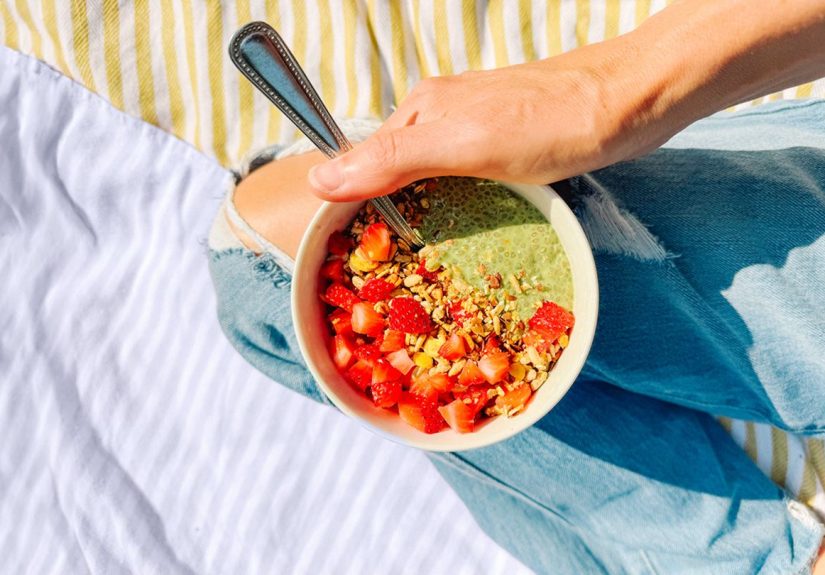
Plain Greek yogurt topped with berries, chia seeds, and chopped walnuts, plus a side of scrambled eggs.
Lunch
Big salad with grilled chicken, mixed greens, cucumbers, bell peppers, avocado, pumpkin seeds, and olive oil with lemon.
Snack
Sliced green apple with almond butter or hummus with raw vegetables.
Dinner
Baked salmon with roasted Brussels sprouts and cauliflower, plus a small serving of quinoa or lentils.
Drink Options
Water, sparkling water, unsweetened tea, or coffee without sugary syrups.
This is not the only way to eat. It is just an example of how the general strategy works: protein, fiber, less added sugar, and fewer ultra-processed foods pretending to be your friend.
How to Make This Diet Easier in Real Life
Most people do not fail because they ate one strawberry. They struggle because the plan is too strict, too confusing, or too joyless to survive real life. To make it workable, try these rules:
- Start by cutting sugary drinks and obvious desserts first.
- Swap refined breakfast foods for protein and fiber.
- Build meals around vegetables plus protein.
- Choose snacks that actually contain food, not just marketing.
- Read labels for added sugar, especially in yogurt, sauces, cereal, and “health” bars.
- Aim for consistency, not food perfection theater.
You do not need a refrigerator full of powders, tonics, or mystery supplements with labels that look like they were designed during a full moon. A boringly solid grocery list will usually beat a dramatic cleanse.
When to Talk to a Healthcare Professional
If you have recurring yeast infections, white patches in the mouth, trouble swallowing, persistent digestive complaints, or symptoms that keep returning after antibiotics, it is worth getting checked out. The same goes if you have diabetes, are pregnant, use steroid medications, wear dentures, or have immune-related health issues. Repeated symptoms are a clue to look deeper, not just to ban another food group.
Diet can be part of the strategy. It should not be your entire medical plan.
Experiences Related to “Good and Bad Foods for a Diet to Combat Candida”
People who try a Candida-focused diet often describe the experience in surprisingly similar ways, even when their exact symptoms are different. First comes the discovery phase. This is when someone realizes that their “pretty healthy” routine includes a muffin for breakfast, a sweet coffee at 10 a.m., a sandwich on white bread at lunch, a granola bar at 3 p.m., and a dessert that “doesn’t count” because it came in a very small bowl. Once they start reading labels, they are shocked at how much added sugar and refined starch had quietly taken over the day. The first week of cleaning that up can feel a little rough, mostly because cravings get loud when their favorite fuel source goes missing.
Then comes the adjustment phase. This is where people begin building meals that are actually satisfying. Instead of a sweet breakfast that disappears in an hour, they try eggs, plain yogurt, berries, or oatmeal with nuts. Instead of grazing on crackers and bars, they reach for vegetables with hummus, leftover chicken, or a handful of nuts and seeds. The funny part is that many people start the diet expecting it to feel like punishment, but what they often notice first is steadier energy. Not fireworks. Not enlightenment. Just fewer crashes and less of that desperate “I need sugar right now or I may legally become a dragon” feeling.
Another common experience is realizing that some “health foods” are not helping. Sweetened yogurt, bottled smoothies, low-fat flavored coffee drinks, dried fruit snacks, and “natural” granola can look wholesome while still delivering a sugar load that works against the whole plan. People often say that once they switch to plain yogurt, whole fruit, real meals, and unsweetened drinks, they feel less bloated and less snacky. That does not prove that every symptom was caused by Candida, but it does show how much better the body can feel when the diet becomes less chaotic.
There is also the all-or-nothing trap. Many people go into a Candida diet ready to ban fruit, grains, beans, vinegar, mushrooms, joy, and possibly conversation. Two weeks later, they are exhausted, annoyed, and one drive-through away from giving a farewell speech. The better experience usually comes from a balanced approach. People tend to do better when they cut the obvious sugar and junk first, keep the meals simple, and avoid turning the plan into a food prison. In other words, the most successful Candida-conscious eaters are usually not the most extreme. They are the most consistent.
Finally, many people say the biggest lesson is not about one superfood or one forbidden ingredient. It is about patterns. When meals are built around vegetables, protein, fiber, and fewer ultra-processed foods, life gets easier. Cravings calm down. Grocery shopping gets less confusing. Eating feels more stable. And if symptoms continue despite all that effort, the experience becomes useful in another way: it pushes them to stop guessing and get a proper medical evaluation. That may be the most valuable result of all. A better diet can help support recovery, but it can also help you recognize when food is only part of the picture.
Final Thoughts
The best diet to combat Candida is not the most restrictive one on the internet. It is the one that reduces added sugar, cuts back on refined and ultra-processed foods, supports blood sugar balance, includes plenty of vegetables and protein, and is realistic enough to follow for more than a weekend. Good foods are whole, simple, and steady. Bad foods are usually the ones that arrive with too much sugar, too little fiber, and too much marketing confidence.
So yes, clean up the menu. Just do not expect one heroic plate of broccoli to solve a problem that may need real treatment. Broccoli is excellent, but it should not have that kind of pressure.