Table of Contents >> Show >> Hide
- Why Sand Is So Annoying After a Beach Day
- 1. Create a “No-Sand Zone” Before Anyone Gets in the Car
- 2. Pack Beach Gear in Mesh Bags and Plastic Bins
- 3. Use Baby Powder or Cornstarch on Sandy Skin
- 4. Let Wet Sand Dry Before You Attack It
- 5. Shake, Brush, and Rinse Beach Towels Before Washing
- 6. Sweep Hard Floors First, Then Vacuum Carefully
- 7. Protect Hardwood Floors from Grit Scratches
- 8. Agitate Rugs and Carpets Before Vacuuming
- 9. Use Sticky Rollers on Upholstery and Soft Surfaces
- 10. Grab a Paintbrush for Corners, Vents, and Baseboards
- 11. Build an Entryway Sand Trap
- Bonus Tips for Keeping Sand Out of the Laundry Room
- Best Tools to Keep Ready After Every Beach Trip
- Common Sand-Cleanup Mistakes to Avoid
- Real-Life Experience: The Beach-Day Routine That Finally Worked
- Conclusion: Keep the Beach Memories, Not the Beach Floor
Beach days are proof that joy comes in simple forms: sunshine, waves, snacks that somehow taste better from a cooler, and children who believe the ocean is a personal splash pad. Unfortunately, beach days also come with one tiny problem that behaves like it signed a long-term lease in your home: sand.
Sand in the car. Sand in the hallway. Sand in the washing machine. Sand in the couch cushions, where it waits patiently to exfoliate your elbow during movie night. If you have ever returned from the beach and wondered whether half the shoreline followed you home, you are not alone. The good news is that keeping a sand-free home after a beach trip is not about cleaning harder. It is about cleaning smarter.
This guide shares 11 genius ways to banish sand from your home after a beach day, using practical prevention, smart tools, and a few delightfully simple tricks. No panic-cleaning required. No sacrificing your vacuum cleaner to the beach gods. Just a cleaner house, a calmer laundry room, and fewer crunchy footsteps across the kitchen floor.
Why Sand Is So Annoying After a Beach Day
Sand is tiny, gritty, clingy, and weirdly ambitious. It hides in towel loops, shoe soles, swimsuit seams, beach bags, stroller wheels, car mats, and the mysterious folds of folding chairs. Once inside, it spreads quickly because people step on it, bags drop it, pets track it, and wet items glue it to surfaces.
The smartest way to remove sand after a beach day is to stop most of it before it enters your home. Think of your cleanup plan in three zones: the beach, the car, and the entryway. If you win those three battles, your floors, furniture, and washing machine will thank you.
1. Create a “No-Sand Zone” Before Anyone Gets in the Car
The best sand cleanup starts before you leave the beach. Choose a spot near the car and make it your family’s unofficial de-sanding station. This can be as simple as a towel on the ground, a small outdoor mat, or a plastic bin where everyone drops sandy shoes and gear.
Keep a soft-bristle brush, a jug of water, and a microfiber towel in the trunk. Before anyone climbs in, brush off feet, ankles, sandals, chair legs, cooler bottoms, and beach toys. Rinse stubborn spots with water, then dry them quickly so wet sand does not turn into beach cement.
Quick example
If your kids are wearing water shoes, have them stomp gently on a towel, remove the shoes, shake them upside down, and place them in a mesh bag or plastic tub. It takes less than two minutes and can save you from vacuuming the car for the next three weekends.
2. Pack Beach Gear in Mesh Bags and Plastic Bins
Beach bags are often sand delivery vehicles disguised as cute accessories. Instead of tossing everything into one big tote, use a system. Mesh bags are excellent for toys, sandals, goggles, and lightweight gear because loose sand can fall out before the items reach the car. Plastic bins are better for wet towels, muddy toys, and anything that needs to be contained.
Use separate bags for clean and sandy items. Keep phones, keys, headphones, and other electronics in resealable bags. A single grain of sand in the wrong place can turn your phone case, charging port, or camera lens into a tiny disaster scene.
3. Use Baby Powder or Cornstarch on Sandy Skin
One of the easiest ways to remove sand from skin is also one of the oldest beach tricks: baby powder or cornstarch. Sand sticks to damp skin because moisture acts like glue. Powder absorbs that moisture, making the sand easier to brush away.
Sprinkle a little powder on sandy feet, legs, hands, or arms, then gently rub with your hands or a towel. The sand loosens almost instantly. Cornstarch works well if you prefer a kitchen-cabinet option. For convenience, pour some into a clean sock, tie it off, and keep it in your beach bag as a homemade “sand eraser.”
Use this trick on dry or mostly dry skin. If someone is still dripping wet from the ocean, rinse first and let them dry for a moment before applying powder.
4. Let Wet Sand Dry Before You Attack It
Wet sand is stubborn. Dry sand is cooperative. That simple difference can save your floors, rugs, towels, and patience. If you bring home sandy towels, mats, shoes, or bags, resist the urge to shake them indoors or throw them straight into the washing machine.
Hang damp items outside until they dry. Once dry, shake them hard, brush them off, or beat them gently against a railing or outdoor wall. Dry sand releases from fabric much more easily than wet sand. This step is especially important for beach towels, canvas totes, blankets, tents, and seat covers.
5. Shake, Brush, and Rinse Beach Towels Before Washing
Your washing machine is not a sand trap. It is an appliance with pumps, filters, seals, and moving parts that do not appreciate being treated like a miniature shoreline. Before washing beach towels, shake them outside thoroughly. Then use a soft brush or broom to remove grit stuck in the fibers.
If towels are still sandy, rinse them outdoors with a hose and let them dry before shaking again. Wash beach towels separately from delicate clothes, and avoid overloading the machine. Heavy towels need room to move, rinse, and spin properly.
Skip fabric softener for beach laundry. It can leave residue on towel fibers and may make it harder for sand and grime to rinse away. A good detergent and a proper rinse cycle are usually enough.
6. Sweep Hard Floors First, Then Vacuum Carefully
When sand lands on hard floors, your first instinct may be to grab the vacuum. Slow down. Large amounts of sand can be rough on some vacuums, especially if the grit is heavy, damp, or piled up near entryways.
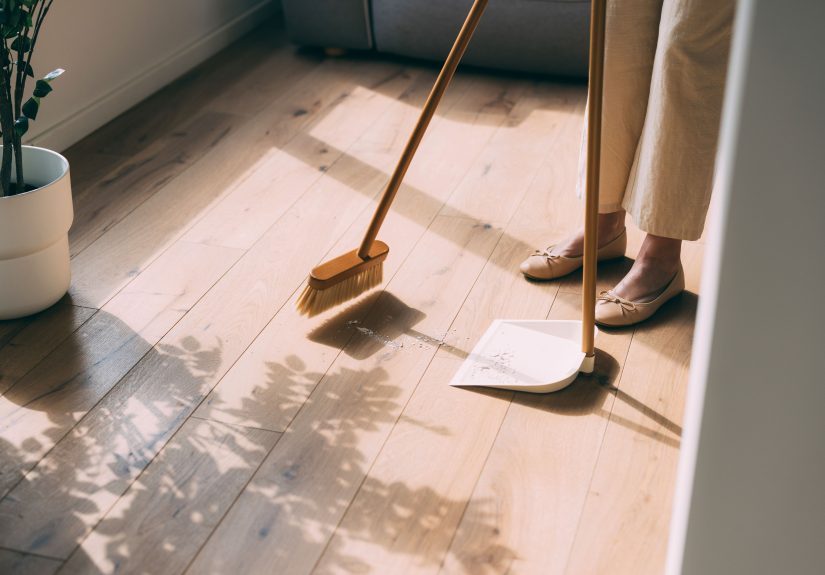
Start by sweeping visible sand into a dustpan. Use a soft broom on hardwood, vinyl, laminate, and tile. Once the big grit is gone, vacuum with the proper hard-floor setting or attachment. This two-step method reduces the amount of abrasive sand your vacuum has to swallow.
After sweeping and vacuuming, mop only if needed. Use a damp mop, not a soaking-wet one. Rinse the mop frequently, or use a disposable mop pad for the first pass so you do not drag sandy water around the floor like a very sad beach-themed paintbrush.
7. Protect Hardwood Floors from Grit Scratches
Sand can act like sandpaper on hardwood floors. That is not poetic; it is literally what sandpaper uses. If your beach traffic route runs from the front door to the bathroom, laundry room, or kitchen, give that path extra attention.
Place washable runners or mats near entrances during beach season. Ask everyone to remove shoes at the door, and keep a small basket or rack nearby for flip-flops and water shoes. Vacuum or sweep the entry area as soon as you get home, before grit spreads into living spaces.
For hardwood floors, avoid harsh cleaners and random dish soap mixtures. Use a cleaner made for sealed wood floors, and do not let standing water sit on the surface. Sand removal should be gentle, dry-first, and controlled.
8. Agitate Rugs and Carpets Before Vacuuming
Rugs are sand magnets, especially near doors. If a small rug is washable or portable, take it outside and shake it vigorously. Then hang it over a railing and tap the back with your hand, a broom handle, or a rug beater. You may be shocked by how much sand falls out. Try not to take it personally.
For wall-to-wall carpet or large area rugs, loosen embedded sand before vacuuming. Use a soft-bristle brush to lift the carpet fibers gently, then vacuum slowly with multiple passes. Go in more than one direction so the vacuum can reach grit hiding deep in the pile.
If the carpet still feels gritty under bare feet, wait for any moisture to dry completely and vacuum again. Damp sand clings; dry sand surrenders.
9. Use Sticky Rollers on Upholstery and Soft Surfaces
Sand on furniture is sneaky. It hides between cushions, along seams, in tufted upholstery, and under throw pillows. Before using a vacuum on delicate upholstery, try a sticky lint roller. It can pick up surface grit without pushing particles deeper into fabric.
After rolling, use a vacuum crevice tool along cushion seams and corners. Remove cushions if possible, shake them outside, and vacuum the frame underneath. If your sofa has removable covers, check the care label before washing. Shake and brush them outside first so you do not invite sand into the washer.
10. Grab a Paintbrush for Corners, Vents, and Baseboards
A clean, soft paintbrush is one of the most underrated tools for removing sand from the home. It reaches places a broom cannot: baseboard grooves, sliding door tracks, vent slats, wicker furniture, stroller wheels, cooler hinges, and the tiny corners of beach chairs.
Brush trapped sand out of cracks and crevices, then vacuum or sweep it up. For sliding doors, clean the track before sand mixes with moisture and turns into gritty sludge. A paintbrush also works well on woven baskets and textured outdoor furniture that comes inside after a beach trip.
11. Build an Entryway Sand Trap
A good entryway setup can save hours of cleaning. Place a coarse outdoor mat outside the door and a washable indoor mat just inside. Add a shoe basket, a towel hook, and a small bin for sandy beach gear. This turns your entryway into a filter instead of a sand runway.
If you go to the beach often, keep a “beach return kit” near the door. Include a hand broom, dustpan, lint roller, microfiber cloth, and a small spray bottle of water. When everyone comes home, the routine is simple: shoes off, gear in the bin, feet wiped, towels outside, floors checked.
Bonus Tips for Keeping Sand Out of the Laundry Room
The laundry room is often where beach sand makes its final stand. Before washing swimsuits, turn pockets inside out, rinse suits in cool water, and check seams where grit hides. For towels and clothes, shake first, rinse if needed, dry outside, then shake again.
After a sandy load, inspect the washer drum and door seal. Wipe loose grit with a microfiber cloth. If your front-load washer has a drain filter, check the owner’s manual for safe cleaning instructions. Running an empty rinse or maintenance cycle may help flush away remaining particles.
Never shake sandy items over a sink or bathtub. Sand can collect in drains and create plumbing headaches. Always shake outdoors or over a trash can.
Best Tools to Keep Ready After Every Beach Trip
You do not need an expensive arsenal to keep sand under control. A few simple tools can make the process much easier:
- Soft-bristle brush for skin, shoes, chairs, and car mats
- Mesh bags for toys and sandals
- Plastic bins for wet or sandy gear
- Microfiber towels for feet and car seats
- Lint roller for upholstery and clothing
- Clean paintbrush for vents, tracks, and corners
- Dustpan and broom for entryway cleanup
- Vacuum with brush and crevice attachments
- Outdoor hose or portable water jug
- Cornstarch or baby powder for sandy skin
Common Sand-Cleanup Mistakes to Avoid
Putting Sandy Towels Straight in the Washer
This is the fast road to grit in the drum, filter, and drain system. Shake and rinse first.
Mopping Before Sweeping
Wet mopping loose sand can smear it around and trap grit in your mop head. Remove dry debris first.
Vacuuming Big Sand Piles
Vacuums are helpful, but they are not magic. Sweep heavy sand first, then vacuum the leftovers.
Letting Sandy Gear Sit Indoors
The longer sandy bags, shoes, and towels sit inside, the more sand spreads. Contain them immediately.
Real-Life Experience: The Beach-Day Routine That Finally Worked
After years of returning from the beach with enough sand to start a small indoor dune, I learned that the secret is not one big cleaning session. It is a chain of tiny habits. The first time I tried a real “sand control routine,” it felt almost too simple. I packed two mesh bags, one plastic bin, a small brush, a bottle of water, a microfiber towel, and a little cornstarch in a sock. It looked like I was preparing for a beach day and a minor science experiment.
At the beach, the mesh bags immediately proved their worth. The kids tossed shells, toy shovels, goggles, and water shoes into them, and sand fell out before we even reached the parking lot. Instead of stuffing wet towels into the same tote as sunscreen, snacks, and clean clothes, I put sandy towels in the plastic bin. That one decision saved the trunk. Usually, the car looked like it had been lightly breaded. This time, most of the mess stayed contained.
The biggest surprise was the cornstarch trick. Sandy feet that normally required endless wiping were clean in seconds. A little powder, a quick rub, and the sand dropped off like it had received an eviction notice. The kids thought it was hilarious, which helped. Any cleaning trick that turns into entertainment is a keeper.
When we got home, nobody carried towels through the living room. That was the rule. Towels went straight outside to dry. Shoes stayed by the door. Beach toys got a quick hose rinse. The entryway mat caught the remaining grit, and I swept it up before it traveled farther. Later, when the towels were dry, I shook them outside and watched a dramatic cloud of sand fall away. It was deeply satisfying, like winning a tiny domestic championship.
The laundry was easier too. Because the towels had already been shaken and dried, the washer did not end up with a sandy ring inside the drum. I washed towels separately, skipped fabric softener, and gave the machine a quick wipe afterward. No gritty clothes. No crunchy towel folds. No mystery sand in the next load of socks.
The real lesson is that sand cleanup works best when it happens in stages. Brush it off before the car. Contain it during the ride. Stop it at the door. Let wet items dry. Shake before washing. Clean floors dry-first. None of these steps are difficult, but together they make a huge difference.
Now, beach days feel less like a trade: fun now, cleaning punishment later. The house stays cleaner, the car survives, and the washing machine does not sound like it is digesting gravel. Sand still comes home, of course. Sand is determined. But with the right routine, it no longer wins.
Conclusion: Keep the Beach Memories, Not the Beach Floor
A beautiful beach day should end with tired smiles, salty hair, and maybe a few seashellsnot a gritty trail from the front door to the laundry room. The best way to banish sand from your home after a beach day is to combine prevention with smart cleanup. Brush and rinse before the car. Use mesh bags and bins. Dry sandy items before shaking them. Sweep before vacuuming. Protect hardwood floors. Treat rugs, furniture, and laundry with the right tools.
Sand may be nature’s glitter, but your home does not have to sparkle with it for the next month. With these 11 genius sand-removal tips, you can enjoy the beach, protect your floors and appliances, and return to a clean, comfortable home. That is the kind of beach souvenir everyone can appreciate.