Table of Contents >> Show >> Hide
- What Is Tuscan Decor?
- 11 Tuscan Decor Ideas That Bring Rustic Charm to Your Home
- 1. Start With a Warm, Earthy Color Palette
- 2. Add Terracotta for Instant Tuscan Warmth
- 3. Use Natural Stone and Textured Surfaces
- 4. Choose Distressed or Dark Wood Furniture
- 5. Bring in Wrought Iron Accents
- 6. Create the Look of Aged Plaster Walls
- 7. Add Arches and Curved Shapes Where Possible
- 8. Decorate With Ceramic Pottery and Handmade Pieces
- 9. Layer Linen, Cotton, Leather, and Woven Textures
- 10. Use Warm, Layered Lighting
- 11. Connect Indoors With Outdoor Living
- How to Make Tuscan Decor Feel Modern, Not Dated
- Room-by-Room Tuscan Decor Examples
- Common Tuscan Decorating Mistakes to Avoid
- Personal Experience: Living With Tuscan Decor in a Real Home
- Conclusion
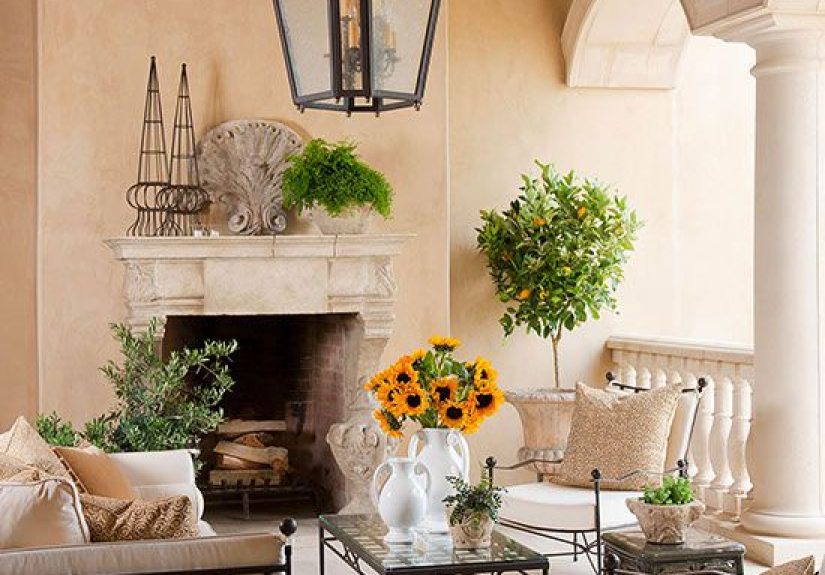
Tuscan decor is what happens when a home decides to stop trying so hard and start aging beautifully. Inspired by the countryside of Tuscany, this rustic Italian decorating style blends warm earth tones, natural materials, weathered finishes, handcrafted details, and just enough old-world romance to make your kitchen feel like it should be simmering tomato sauce at all times.
The best part? You do not need a villa, vineyard, or dramatic stone courtyard to bring Tuscan style into your home. A few thoughtful choicesterracotta tiles, textured walls, dark wood furniture, wrought iron accents, aged ceramics, linen fabrics, and warm lightingcan create that relaxed, sun-washed charm without turning your living room into a theme restaurant. Nobody wants to live inside a breadstick commercial.
Modern Tuscan decor is less about heavy faux finishes and more about authenticity. Think natural stone instead of shiny imitation, cozy layers instead of clutter, and rustic pieces that look collected over time rather than ordered in one frantic online shopping session at midnight. Below are 11 Tuscan decor ideas that bring rustic charm, warmth, and timeless Italian countryside character into your home.
What Is Tuscan Decor?
Tuscan decor is a rustic Mediterranean interior style rooted in the landscapes and traditional architecture of Tuscany, a region in central Italy known for rolling hills, stone farmhouses, vineyards, olive groves, and sunbaked villages. In home design, the style often features earthy colors, terracotta, limestone, travertine, distressed wood, wrought iron, plaster walls, arched details, and handcrafted accessories.
Unlike sleek modern minimalism, Tuscan interior design celebrates texture, age, and imperfection. A slightly uneven plaster wall, a weathered table, or a hand-glazed ceramic bowl is not a flaw; it is the design equivalent of a good laugh line. The goal is to create a space that feels welcoming, lived-in, and connected to nature.
11 Tuscan Decor Ideas That Bring Rustic Charm to Your Home
1. Start With a Warm, Earthy Color Palette
The foundation of Tuscan decor is color. Instead of icy whites, grays, or high-contrast black-and-white schemes, Tuscan homes lean into warm, grounded shades inspired by the Italian countryside. Terracotta, ochre, golden beige, olive green, burnt sienna, cream, clay, espresso brown, and muted rust all belong in this palette.
For walls, choose soft cream, warm beige, muted gold, or a pale plaster-like neutral. These shades make a room feel sunny without shouting, “I painted this during a Tuscan fever dream.” If you prefer a modern version, keep the walls lighter and add deeper Tuscan colors through rugs, pottery, cushions, art, or curtains.
A smart strategy is to use three layers: a light neutral base, a warm wood tone, and one or two rich accent colors. For example, cream walls, dark walnut furniture, terracotta pottery, and olive green pillows create a Tuscan-inspired room that feels updated, not dusty.
2. Add Terracotta for Instant Tuscan Warmth
Terracotta is one of the most recognizable materials in Tuscan decorating. Its reddish-orange clay tone brings warmth, texture, and a handcrafted feeling to floors, planters, backsplashes, and accessories. If your budget allows, terracotta floor tiles are a beautiful choice for kitchens, entryways, sunrooms, and patios.
If new flooring is not in the plan, smaller terracotta touches work beautifully. Try clay planters filled with herbs, a terracotta vase on a console table, a rustic bowl on open shelving, or a few handmade tiles used as a backsplash accent. Even one large terracotta pot near a window can make a room feel more Mediterranean.
To keep the look fresh, balance terracotta with creamy walls, linen textiles, and natural greenery. Too much red-orange can make a space feel heavy, but used thoughtfully, terracotta adds the perfect sunbaked glow.
3. Use Natural Stone and Textured Surfaces
Tuscan interiors are famous for natural stone. Limestone, travertine, sandstone, slate, and rustic fieldstone all bring an earthy, architectural quality to a home. Stone can appear in floors, fireplaces, kitchen backsplashes, bathroom walls, entryways, or even a single accent wall.
If you already have a fireplace, consider giving it a Tuscan update with stone veneer or a limestone-style surround. In a kitchen, a stone or tumbled tile backsplash behind the stove creates an old-world focal point. In a bathroom, stone-look tile can transform a plain space into something that feels more spa-like and rustic.
Texture matters as much as material. Tuscan decor rarely looks glossy or overly polished. Matte finishes, honed stone, handmade tile, and uneven surfaces feel more authentic than shiny, high-glam materials. The goal is not perfection; it is character.
4. Choose Distressed or Dark Wood Furniture
Wood is essential to Tuscan home decor. Look for sturdy pieces with weight, warmth, and visible grain. Dark walnut, chestnut, oak, and reclaimed wood work especially well. Dining tables, armoires, benches, coffee tables, and kitchen islands can all help establish the rustic Italian mood.
A large farmhouse-style dining table is one of the best Tuscan decor investments because it instantly becomes the heart of the home. Pair it with simple wooden chairs, upholstered end chairs, or even a rustic bench. Add a linen runner, ceramic bowl, and olive branches, and suddenly dinner feels more meaningfuleven if it is just takeout in disguise.
Distressed finishes are welcome, but avoid furniture that looks artificially scraped within an inch of its life. A little patina is charming. A coffee table that looks like it fought a lawn mower is another story. Choose pieces that feel aged, solid, and naturally worn.
5. Bring in Wrought Iron Accents
Wrought iron adds structure and old-world elegance to Tuscan interiors. It can appear in chandeliers, curtain rods, stair railings, candle sconces, mirror frames, bed frames, cabinet hardware, and outdoor furniture. The dark metal contrasts beautifully with warm plaster, wood, stone, and terracotta.
For a subtle touch, replace basic hardware with oil-rubbed bronze or black iron pulls. Add a wrought iron chandelier over the dining table, or use iron wall sconces in a hallway. In the kitchen, a hanging pot rack can look charming if it is styled neatly with copper pans or frequently used cookware.
The trick is moderation. Wrought iron should feel like jewelry for the room, not armor. A few strong pieces will look elegant; too many scrolls and curls can make the room feel like it is auditioning for a medieval banquet.
6. Create the Look of Aged Plaster Walls
Textured walls are a signature feature of Tuscan interior design. Traditional Tuscan homes often include plaster, stucco, limewash, or color-washed walls that give rooms depth and softness. These finishes catch light beautifully and make a space feel older and more layered.
Today, you can recreate the effect with limewash paint, Roman clay, Venetian plaster, or subtle textured wallpaper. A soft cream limewash in a dining room or bedroom can add movement without overwhelming the space. If you want more drama, try a warm beige or muted ochre finish on an accent wall.
For a budget-friendly approach, use paint techniques that mimic plaster, but keep the effect gentle. The goal is soft variation, not sponge-painted chaos. Tuscan walls should whisper “old villa,” not scream “craft project from 2004.”
7. Add Arches and Curved Shapes Where Possible
Arches are a classic architectural detail in Tuscan and Mediterranean homes. They soften a room, create a sense of flow, and add old-world character. While not everyone can remodel doorways into graceful arches, there are easier ways to introduce curved shapes.
Try an arched mirror above a console table, a rounded headboard in the bedroom, curved-back dining chairs, an arched cabinet, or artwork with architectural arch motifs. Even a niche-style bookshelf or rounded lamp base can gently echo the Tuscan look.
Curves help balance the heavier materials used in rustic decor. Stone, dark wood, and iron can feel substantial, so arched forms keep the room from looking too rigid. Think of arches as the design world’s way of saying, “Relax, have some pasta.”
8. Decorate With Ceramic Pottery and Handmade Pieces
Tuscan decor loves pieces that look touched by human hands. Ceramic pitchers, glazed bowls, olive oil jars, painted plates, rustic vases, and handmade tiles all bring color and personality to a room. Display them on open shelves, kitchen counters, dining hutches, or console tables.
Look for ceramics in earthy tones, deep blue, olive green, mustard yellow, cream, or terracotta. Patterns inspired by grapes, lemons, olives, vines, or simple geometric borders can work well when used sparingly. One beautiful ceramic platter on a wall is charming. Twelve grape-themed signs shouting “Vino!” may be a bit much unless your home is also a wine bar.
Vintage shops, estate sales, flea markets, and local artisans are great places to find pieces with character. Tuscan style looks best when it feels collected over time, so do not rush. Let the accessories arrive slowly, like guests to a long Italian lunch.
9. Layer Linen, Cotton, Leather, and Woven Textures
Tuscan interiors are not only about hard materials. Soft textures are what make the style comfortable and inviting. Linen curtains, cotton slipcovers, leather chairs, woven baskets, wool rugs, and embroidered pillows all help balance stone, tile, and wood.
In the living room, pair a neutral sofa with textured pillows in olive, rust, cream, or muted gold. Add a woven basket for blankets, a vintage-style rug, and a leather accent chair. In the bedroom, use linen bedding, a warm throw, and rustic wood nightstands for a relaxed countryside feeling.
Window treatments should feel natural and unfussy. Linen or cotton curtains in cream, oatmeal, or warm white soften the light and keep the room airy. Avoid overly shiny fabrics or stiff formal drapes unless you want your Tuscan home to look like it is preparing for a royal inspection.
10. Use Warm, Layered Lighting
Lighting can make or break Tuscan decor. This style depends on warmth, so harsh blue-white bulbs are not your friend. Choose warm lighting that flatters earth tones and creates a cozy evening glow.
Layer several light sources instead of relying on one ceiling fixture. Use a wrought iron chandelier over the dining table, table lamps with ceramic or aged metal bases, candle sconces in hallways, and under-cabinet lighting in the kitchen. In outdoor areas, lantern-style fixtures can add Mediterranean charm.
Candles also work beautifully in Tuscan spaces. Place pillar candles in iron holders, glass hurricanes, or ceramic trays. Just keep safety in mind and avoid turning your mantel into a tiny fire festival. Ambiance is lovely; emergency phone calls are less lovely.
11. Connect Indoors With Outdoor Living
Tuscan homes are deeply connected to the landscape. Even if your view is more driveway than vineyard, you can still create an indoor-outdoor feeling. Use plants, natural light, rustic outdoor furniture, and earthy materials to blur the line between home and garden.
Olive trees, rosemary, lavender, basil, thyme, citrus trees, and climbing vines are ideal for Tuscan-inspired spaces. Place herbs in terracotta pots on a kitchen windowsill, add an olive tree to a sunny living room corner, or create a patio arrangement with wrought iron chairs and weathered planters.
If you have a porch, balcony, or backyard, treat it like another room. Add a small bistro table, lanterns, outdoor cushions in warm neutrals, and potted greenery. Tuscan style is not only about how a home looks; it is about how it feels. It should invite slow mornings, long meals, and the occasional dramatic pause while holding a cup of coffee.
How to Make Tuscan Decor Feel Modern, Not Dated
Tuscan decor had a major moment in American homes in the early 2000s, and some versions became heavy, overly ornate, and extremely committed to faux finishes. Modern Tuscan style is more restrained. It keeps the best partswarmth, natural materials, rustic texture, and old-world charmwhile removing visual clutter.
To modernize the look, start with a lighter base. Cream, warm white, and soft beige walls make dark wood and terracotta feel fresh. Choose fewer accessories, but make each one count. Replace theme-heavy decor with authentic materials: real pottery, natural stone, linen, aged wood, and simple iron accents.
Also, mix Tuscan pieces with clean-lined furniture. A rustic dining table can look beautiful with simple upholstered chairs. A stone fireplace can feel updated with minimal mantel styling. A terracotta floor can pair well with a modern cream sofa and sculptural lighting. The balance keeps the style from feeling stuck in a time capsule.
Room-by-Room Tuscan Decor Examples
Tuscan Living Room
Start with warm neutral walls, a textured rug, a dark wood coffee table, and linen curtains. Add a leather chair, ceramic lamps, olive green pillows, and one large piece of countryside-inspired art. If you have a fireplace, style it with iron candleholders, pottery, or a rustic mirror.
Tuscan Kitchen
A Tuscan kitchen thrives on natural materials. Try stone or tumbled tile backsplashes, open wood shelving, copper pans, ceramic jars, a farmhouse sink, and warm cabinet hardware. A rustic island or wooden dining table makes the space feel welcoming and practical.
Tuscan Dining Room
Use a large wood table, simple chairs, a wrought iron chandelier, linen napkins, and ceramic serving pieces. Add a wall mirror or artwork with a landscape feel. Keep the table styling relaxed: a bowl of lemons, olive branches, candles, or a simple runner is enough.
Tuscan Bedroom
Choose linen bedding, a dark wood bed frame, warm lamps, woven baskets, and soft neutral walls. Add texture with a vintage-style rug or a plaster-look accent wall. Keep colors calm: cream, clay, olive, and warm brown create a restful Tuscan-inspired retreat.
Tuscan Bathroom
Use stone-look tile, bronze fixtures, a rustic mirror, warm lighting, and small ceramic accessories. A wooden stool, woven basket, or terracotta planter can soften the room. For a spa-like effect, add lavender, eucalyptus, or rosemary in a simple vase.
Common Tuscan Decorating Mistakes to Avoid
The first mistake is overdoing the theme. Tuscan decor should feel inspired by Italy, not like a souvenir shop after a grape harvest festival. Avoid too many wine signs, rooster motifs, faux grape garlands, and overly ornate accessories.
The second mistake is making everything dark. Traditional Tuscan style uses deep wood and rich colors, but modern homes need balance. Use lighter walls, natural fabrics, and plenty of daylight to prevent the room from feeling heavy.
The third mistake is choosing fake-looking finishes. Faux stone, plastic “rustic” decor, and overly distressed furniture can weaken the design. Authentic materials, even in small amounts, usually look better than large amounts of imitation.
Finally, do not forget comfort. A Tuscan home should feel warm, relaxed, and useful. If the room looks beautiful but nobody wants to sit down, something has gone wrong. Rustic charm works best when real life is invited in.
Personal Experience: Living With Tuscan Decor in a Real Home
The most valuable lesson about Tuscan decor is that it improves when you stop trying to finish it all at once. A Tuscan-inspired home should feel collected, not assembled from a single shopping cart. The charm comes from layers: a bowl found at a flea market, a wooden table with a few scratches, a linen curtain that moves softly in the afternoon light, and a terracotta pot that somehow makes even grocery-store basil look important.
One practical experience many homeowners have is that Tuscan decor works best when you begin with texture before adding color. For example, a plain beige room may look boring at first, but add a woven rug, a weathered wood console, a ceramic lamp, and a few olive branches, and suddenly the beige stops being “landlord special” and starts feeling like warm plaster. Texture gives the room depth before the stronger Tuscan colors arrive.
Another real-world tip is to use Tuscan elements in the rooms where warmth matters most. Kitchens, dining rooms, living rooms, and patios usually handle this style beautifully because they are already gathering spaces. A rustic dining table can become the emotional center of the home. People lean on it, talk around it, eat at it, do homework on it, and occasionally pile laundry on it because life has jokes. That lived-in quality is exactly why Tuscan decor feels so comfortable.
Lighting is also more important than many people expect. Warm bulbs can completely change the mood of terracotta, wood, and stone. Under cool lighting, Tuscan colors may look muddy or outdated. Under warm lighting, they glow. A wrought iron chandelier with soft bulbs, a ceramic table lamp, or a few candles on a mantel can make the same room feel richer and more welcoming.
When decorating with Tuscan style, it is wise to buy fewer but better accessories. One handmade ceramic pitcher will do more for a room than a dozen mass-produced signs announcing “Tuscan Kitchen” to people who are already standing in the kitchen. The best pieces have texture, weight, and usefulness. A large bowl can hold fruit. A woven basket can store blankets. A rustic bench can offer seating. Function keeps the style grounded.
Plants are another easy win. Rosemary, lavender, olive trees, and citrus plants bring the Tuscan feeling to life because they connect the room to nature. Even in a small apartment, a few herbs in terracotta pots on a windowsill can add scent, color, and personality. It is a tiny design move with a surprisingly big emotional payoff.
The most successful Tuscan-inspired homes do not copy Tuscany literally. Instead, they borrow its principles: warmth, natural materials, craftsmanship, sunlight, comfort, and hospitality. The result is a home that feels calm but not empty, rustic but not rough, elegant but not fussy. In other words, it is the kind of home where guests feel welcome, dinner feels unhurried, and nobody panics if a chair has a scratch. Actually, the scratch might make it better.
Conclusion
Tuscan decor brings rustic charm to your home by focusing on warmth, texture, natural materials, and a relaxed sense of old-world beauty. From terracotta and stone to wrought iron, linen, pottery, and dark wood furniture, every detail works together to create a space that feels grounded, welcoming, and timeless.
The key is balance. Use Tuscan interior design ideas thoughtfully, not excessively. Choose authentic textures over fake finishes, warm neutrals over heavy colors, and meaningful pieces over clutter. Whether you update one room or refresh your entire home, Tuscan style can make everyday living feel a little slower, cozier, and more connected to nature.
And honestly, if your home starts making you want to cook pasta, light a candle, and sit outside for no particular reason, you are probably doing it right.