Table of Contents >> Show >> Hide
- Before You Organize: A 60-Second Mindset Reset
- 14 Genius Organizing Tips That Changed the Way We Tidy Up
- 1) Create a “Landing Zone” by the Door (and Stop Feeding the Chair-Pile)
- 2) Measure First, Buy Later (Your Future Self Will Thank You)
- 3) Organize by Frequency, Not by Vibes
- 4) Use “Like with Like” Categories (Then Name Them in Plain English)
- 5) The “One In, One Out” Rule (So Stuff Stops Multiplying Overnight)
- 6) Add a Permanent Donation Bin (Make Decluttering a Background Habit)
- 7) Put Small Items in Drawers on Purpose (Dividers Are the Secret Sauce)
- 8) Go Vertical: File Things Upright Instead of Stacking
- 9) Turntables (“Lazy Susans”) for Deep Cabinets and Fridges
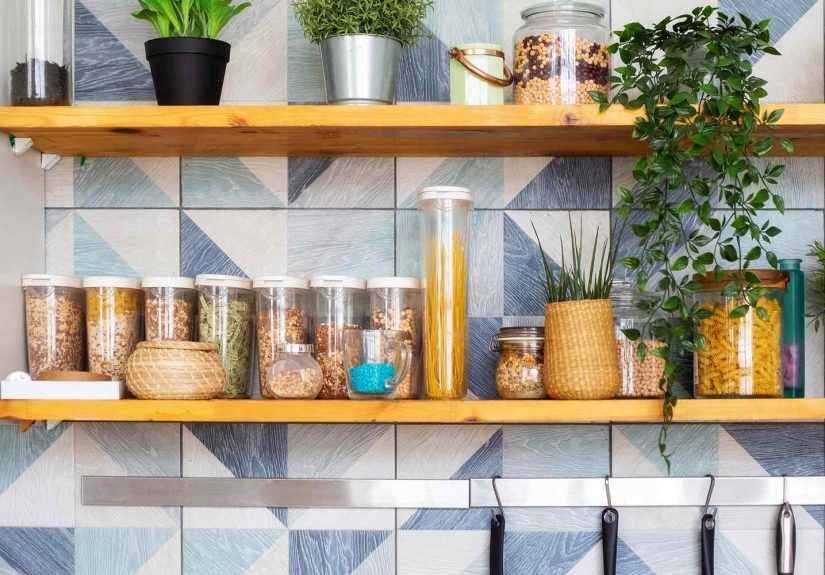
- 10) Decant Select Items into Clear Containers (Not Everything, Just the Repeat Offenders)
- 11) Build a Simple Paper System: “Inbox + Weekly Sort”
- 12) Use Hooks Everywhere (Because Hanging Beats Piling)
- 13) Limit “Open Storage” to What You’ll Actually Put Away
- 14) Adopt the “10-Minute Nightly Reset” (The Maintenance Hack That Makes Everything Else Work)
- How to Keep Your Home Organized Without Becoming the Household “System Manager”
- Real-Life Organizing Experiences: What Changes (and What Doesn’t)
- Conclusion
There are two kinds of “messy”: lived-in (cozy, charming, smells faintly like coffee) and
where-did-my-kitchen-scissors-go (mysterious, mildly haunted, and somehow always happening right before guests arrive).
The good news? You don’t need a weekend-long, label-every-single-thing marathon to fix it.
You need smarter organizing tipsthe kind that make tidying up easier tomorrow, not just prettier today.
The best home organization systems do three things: they reduce decision fatigue (“Where does this go?”),
they make the right action the easiest action (hello, open bins and hooks), and they match your real life
(including your real children, real pets, and real 9:47 p.m. “I can’t deal with this right now” energy).
Below are 14 genuinely genius organizing hackswith specific examplesplus a real-life experience section
at the end to help you avoid the classic “I bought cute bins and somehow got messier” phenomenon.
Before You Organize: A 60-Second Mindset Reset
Organization isn’t about making your home look like a catalog. It’s about building a system that makes your day smoother:
faster mornings, calmer evenings, fewer “we own five tape measures but none are here” moments. If you remember only one thing:
decluttering comes before storage solutions. Otherwise you’re just giving your clutter a luxury apartment.
14 Genius Organizing Tips That Changed the Way We Tidy Up
1) Create a “Landing Zone” by the Door (and Stop Feeding the Chair-Pile)
Most mess begins at the entryway: keys, mail, bags, sunglasses, dog leashesaka the starter kit for chaos.
Set up one intentional drop zone: a tray for pocket items, a hook rail for bags/leashes, and a basket for shoes.
If you have space, add a narrow bench with storage underneath. If you don’t, go vertical: hooks + a slim wall shelf still counts.
Example: Put a small bowl for keys and earbuds on a console table, hang a set of labeled hooks (“Work Bag,” “Gym,” “Dog”),
and keep one open tote for outgoing returns. Suddenly the door area stops acting like a junk drawer with hinges.
2) Measure First, Buy Later (Your Future Self Will Thank You)
The fastest way to turn organizing into a hobby (instead of a solution) is to buy containers before you know what fits.
Grab a tape measure, write down shelf depth/height, and measure drawers before shopping for bins, risers, or drawer dividers.
This keeps your storage solutions functional instead of decorative.
Example: Under-sink cabinets often have weird pipes. Measure the usable width on each side and choose stackable drawers
that fit around the plumbingso your cleaning supplies aren’t playing hide-and-seek behind a drain trap.
3) Organize by Frequency, Not by Vibes
Put daily items where your hands naturally reach (eye level, front of shelves, top drawers). Put occasional items higher, lower,
or farther back. This single shift makes tidy up routines faster because you stop “re-shelving” the same stuff over and over.
Example: In the kitchen, keep your everyday spices and oils near the stove, not across the room. Seasonal cookie cutters?
They can live higher up without ruining your Tuesday night dinner flow.
4) Use “Like with Like” Categories (Then Name Them in Plain English)
Categories are the backbone of home organization. Group items by what they are (or what you use them for),
then keep categories simple and obvious. Avoid overly specific subcategories unless you truly use them.
Example: Pantry zones: “Breakfast,” “Snacks,” “Baking,” “Dinner Helpers.” If you need a PhD to understand your labels,
the system won’t survive the first hungry teenager.
5) The “One In, One Out” Rule (So Stuff Stops Multiplying Overnight)
Clutter often isn’t a cleaning problemit’s an incoming-stuff problem. Use the one-in, one-out rule for clothing, mugs, water bottles,
toys, and cosmetics. When a new item enters, one leaves (donate, recycle, trash, or gift).
Example: Buy a new hoodie? Donate an older one you don’t reach for. This keeps closet organization from becoming
a seasonal emergency.
6) Add a Permanent Donation Bin (Make Decluttering a Background Habit)
Instead of waiting for “decluttering day” (a mythical holiday celebrated by no one), keep a labeled donation bin in a closet or laundry room.
Toss in items you’re done with as you notice them. When it’s full, drop it off.
Example: A sturdy tote labeled “Donate” in your bedroom closet catches the sweater that never fits right, the book you won’t reread,
and the toy your kid has quietly ignored since 2023.
7) Put Small Items in Drawers on Purpose (Dividers Are the Secret Sauce)
Drawers get messy because they’re basically tiny caves. Add drawer organizers or adjustable dividers so every category has a lane.
It’s easier to maintain because you can see when something doesn’t belong.
Example: In the “junk drawer” (your home’s emotional support drawer), divide into: tools, batteries, tape/scissors, and “mystery items.”
You’ll still have mystery items, but now they’ll be politely contained.
8) Go Vertical: File Things Upright Instead of Stacking
Stacks hide stuff. Upright storage shows you what you have. Use a vertical file method for cutting boards, baking sheets, wraps,
and even Tupperware lids. This is especially great for small space organization.
Example: Stand sheet pans and muffin tins in a rack like folders in a file cabinet. You’ll stop unstacking seven pans
to reach the one you actually use.
9) Turntables (“Lazy Susans”) for Deep Cabinets and Fridges
Deep shelves create “the forgotten back row.” A turntable fixes the problem by bringing items to you. Use them for sauces,
vitamins, skincare, cleaning suppliesanything that becomes a cluttered crowd.
Example: Put condiments on a turntable in the fridge. No more buying your fourth mustard because the first three
were hiding behind the pickle jar.
10) Decant Select Items into Clear Containers (Not Everything, Just the Repeat Offenders)
Decanting isn’t about aesthetic perfection. It’s about visibility and reducing package chaos. Focus on frequently used pantry items:
cereal, flour, sugar, rice, pasta, snacks. Clear containers make it obvious when you’re lowbefore you’re shaking a box for crumbs.
Example: Put flour and sugar in airtight canisters and label them clearly. Keep refill bags in a back-stock bin.
Your pantry becomes easier to shop, easier to clean, and less likely to avalanche.
11) Build a Simple Paper System: “Inbox + Weekly Sort”
Paper clutter is sneaky because it looks “important.” Give it one home: an inbox tray or wall file near the entryway.
Then set a recurring weekly reset to open mail, file essentials, and recycle the rest.
Example: One tray labeled “To Sort,” one folder for “Action,” and a small file for “Keep” (tax docs, manuals you truly need).
Bonus points: switch bills to paperless to shrink the stream.
12) Use Hooks Everywhere (Because Hanging Beats Piling)
Hooks are low-cost, high-impact organizing hacks. They turn “I’ll set this here for now” into “this has a home.”
Use wall hooks, over-the-door hooks, adhesive hooks inside cabinet doors, or S-hooks on wire shelving.
Example: Hang brooms and mops in a utility closet with hooks or S-hooks so they aren’t collapsing into a sad,
tangled heap on the floor.
13) Limit “Open Storage” to What You’ll Actually Put Away
Open shelves and baskets can be fantasticuntil they become visual clutter. The trick: open storage is for “easy put-away” items,
while closed storage hides the messy-but-necessary stuff.
Example: Living room: a nice basket for throw blankets (easy). A lidded box for remotes, chargers, and game controllers (also easy).
Tiny loose items on open shelves? That’s just décor-adjacent stress.
14) Adopt the “10-Minute Nightly Reset” (The Maintenance Hack That Makes Everything Else Work)
The most organized homes aren’t tidy because someone is constantly cleaning. They’re tidy because they have a short daily reset.
Set a timer for 10 minutes after dinner or before bed. Put away the day’s drift: dishes, mail, shoes, counters, backpacks.
Example: One adult clears the kitchen surfaces, one does a quick sweep of the entryway, kids put backpacks on hooks.
It’s not glamorous, but neither is stepping on a LEGO at 6 a.m.
How to Keep Your Home Organized Without Becoming the Household “System Manager”
A system that only you understand is a system that only you maintain. Make your organization obvious:
keep categories simple, store things near where they’re used, and choose containers that are easy to return items to (open bins,
front-facing labels, no complicated stacking puzzles). If your family can’t put it away in five seconds, they won’t.
Also: avoid “performative organizing,” where everything looks labeled but nothing actually has a logical flow.
Labels are helpful when they clarify a shared systemless helpful when they’re a decorative substitute for one.
Real-Life Organizing Experiences: What Changes (and What Doesn’t)
Here’s what people tend to experience when they start using these kinds of organizing tips in real homes (not showroom homes).
First, there’s a surprising emotional shift: you stop feeling like your house is silently judging you. That’s not because everything becomes perfect,
but because the mess becomes predictable. Your keys live in the tray. Your mail has an inbox. Your shoes have a basket. You’ve replaced
“random clutter everywhere” with “a few known hotspots,” and that alone lowers stress.
Second, you’ll probably overdo it at least once. Most of us start with a burst of motivation and immediately decide to reorganize
an entire pantry, closet, and garage in one day. Spoiler: your back will complain, your patience will evaporate, and you’ll end up
sitting on the floor holding a lid that fits nothing, questioning your life choices. The fix is smaller wins.
People who succeed long-term often start with one drawer, one shelf, or one “landing zone,” then build momentum from there.
Third, the “container trap” is real. When you buy bins first, you’ll discover you can store almost anything… including items you don’t need.
Many people report that the biggest breakthrough came when they did a simple purge before organizing: tossing expired products,
donating duplicate tools, and letting go of clothes that don’t fit. Once the volume drops, the organizing part suddenly feels easyand the
storage products you do buy actually solve a problem instead of decorating one.
Fourth, shared spaces improve fastest when the system is ridiculously simple. The most successful entryways usually have just a few elements:
hooks, a tray, a shoe solution, and a tiny paper spot. Kitchens get easier when daily-use items are placed by frequency and zones
(coffee stuff together, lunch stuff together). Closets get calmer when hangers match and categories are grouped, even if the folding isn’t
Instagram-level. The lesson: perfection isn’t required; clarity is.
Finally, people who keep the results almost always adopt a reset routine. It doesn’t have to be dramatic. A 10-minute nightly tidy up,
plus a weekly paper sort, prevents the “everything exploded again” cycle. The best part? After a few weeks, you notice a subtle benefit:
you spend less time looking for things. Not just big things (like the passport), but tiny daily nuisances (the tape, the allergy meds,
the scissors). That time adds up. And once you feel that difference, organization stops being a chore you dread and becomes a habit you
genuinely protectbecause it gives you your life back in five-minute increments.
Conclusion
The goal isn’t a flawless home. It’s a home that supports youwhere your routines flow, your stuff has a place,
and tidying up doesn’t require a heroic act of weekend labor. Start with one high-impact area (entryway, kitchen drawer, or paper pile),
pick one or two tips above, and let the system do the heavy lifting. Your future self is already less stressed.