Table of Contents >> Show >> Hide
- A video that starts with breathingand ends with purpose
- Meet Andrea (and why her story resonates)
- Why asthma stories matter more than you think
- Asthma basics (without putting you to sleep)
- Severe asthma: when “annoying” turns into “life-disrupting”
- The “control vs. rescue” lesson Andrea’s story keeps circling back to
- The asthma action plan: the paper shield that actually helps
- Triggers: the invisible villains that love surprise attacks
- Asthma education: the “missing chapter” in a lot of people’s care
- Family, school, work: the “team sport” side of asthma
- When to take symptoms seriously (and act fast)
- If you’re making your own “asthma story” video, steal these ideas
- Extra: of real-world experiences inspired by Andrea’s asthma story video
- Conclusion: the point of Andrea’s story is bigger than asthma
Medical note: This article is for general education only and isn’t a substitute for medical advice. If you think you (or someone you care for) is having a severe asthma flare or trouble breathing, follow your clinician’s plan and seek urgent care.
A video that starts with breathingand ends with purpose
Some people watch an asthma video expecting a list of symptoms and a reminder to “avoid triggers.” (Groundbreaking. Next you’ll tell us water is wet.)
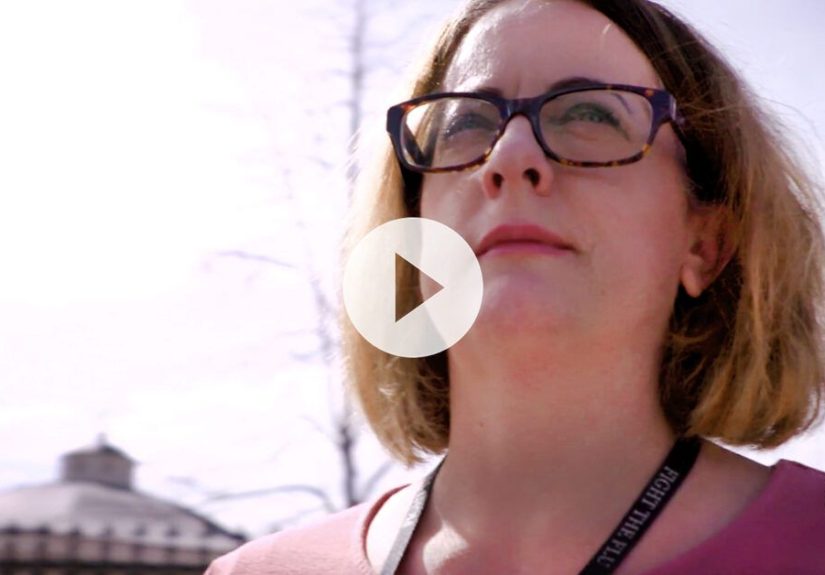
Andrea’s asthma story hits different. It’s a portrait of what it looks like when a chronic condition moves into your life, unpacks its bags, and announces,
“I live here now.” And thenplot twistyou learn to live well anyway.
In the video, Andrea describes how asthma shaped not just her health, but her identity: parent, advocate, educator, and the person in the household who always
knows where the inhalers arelike a superhero with a utility belt, except the villain is pollen and the cape is a pharmacy receipt.
Meet Andrea (and why her story resonates)
Andrea’s story is grounded in something many families recognize: asthma doesn’t always arrive solo. It can show up across generations, or appear in more than
one member of the household, turning everyday routines into tiny risk assessments: “Is the bedroom dusty?” “Is the air smoky today?” “Do we have meds packed?”
“Do we have backups for the backups?”
Instead of stopping at “this is hard,” Andrea’s story leans into “this is learnable.” She became deeply involved in asthma education and advocacybecause when
you’ve lived the problem, you tend to develop a low tolerance for confusing instructions, inconsistent care, and the phrase “just use your inhaler more.”
Why asthma stories matter more than you think
Asthma is often described in clinical termsairway inflammation, bronchoconstriction, reversible obstructionbut the lived reality is emotional too: the stress of
not getting a full breath, the embarrassment of coughing mid-meeting, the fear of waking up wheezing at 2 a.m.
That’s why patient storytelling has real value. When people share what it actually feels like to manage asthma, they turn invisible work into visible knowledge:
how to advocate at school, how to plan travel, how to respond early to symptoms, and how to stay calm when your body is not cooperating.
Asthma basics (without putting you to sleep)
Asthma is a chronic condition where the airways become inflamed and overly sensitive. When triggered, the muscles around the airways can tighten and the lining can
swell and produce extra mucus. The result is the classic combo platter: coughing, wheezing, chest tightness, and shortness of breath.
The tricky part is that asthma can be “quiet” for a while and then flaresometimes for obvious reasons (a cold, smoke, dust), and sometimes for reasons that feel
like your lungs are being dramatic for no reason. (Spoiler: there’s usually a reason. It’s just not always easy to spot.)
Severe asthma: when “annoying” turns into “life-disrupting”
Many people manage asthma with a consistent routine and occasional quick-relief medication. Severe asthma is different. It’s the kind that can remain uncontrolled
despite good use of standard therapies, or it requires higher-intensity treatment to stay controlled. In real life, that can mean more symptoms, more flares, more
missed school/work, and more planning around breathing.
The point isn’t to label someoneit’s to match the intensity of care to the intensity of the disease. For some people, that means a specialist evaluation,
addressing comorbid conditions (like allergies or reflux), checking inhaler technique, and considering advanced options when appropriate.
The “control vs. rescue” lesson Andrea’s story keeps circling back to
One of the most practical takeaways from patient stories like Andrea’s is this: asthma management works best when it isn’t all last-minute rescues.
Quick-relief inhalers are important for sudden symptoms, but long-term control is about reducing airway inflammation and preventing flare-ups in the first place.
Controller medicines: the boring heroes
If asthma were a movie, controllers would be the characters who do paperwork and save the world anyway. Daily controller therapyoften centered around inhaled
corticosteroidsreduces inflammation over time. It’s not as instantly satisfying as “one puff, relief,” but it’s the backbone of prevention for many people.
Rescue medicines: the emergency exit
Rescue inhalers are designed for fast relief during an asthma attack or sudden symptoms. They can be life-savingbut they’re not meant to be the only plan.
A pattern of frequent rescue use can be a clue that asthma isn’t well controlled and needs a care-plan upgrade.
The asthma action plan: the paper shield that actually helps
If you take one practical thing from Andrea’s story, make it this: don’t manage asthma by memory and vibes. A written asthma action plan helps you respond early,
clearly, and consistentlyespecially when you’re stressed (which is exactly when your brain loves to forget every helpful thing it has ever learned).
Many action plans use a simple zone systemoften compared to a traffic light:
- Green zone: feeling good; keep up daily control steps.
- Yellow zone: symptoms are creeping in; follow specific step-up instructions.
- Red zone: danger/emergency; follow urgent steps and seek medical help.
Peak flow: optional, but useful for some
Some people use a peak flow meter to track breathing changes early. It’s not required for everyone, but it can be helpfulespecially for those who don’t always
feel symptoms until they’re already in trouble. The key is having a “personal best” baseline and knowing what your zones mean for you.
Triggers: the invisible villains that love surprise attacks
Andrea’s video is a reminder that asthma triggers aren’t just “bad air.” They’re specific, personal, and often hiding in plain sight. A trigger can be an allergen,
an irritant, a respiratory infection, exercise without proper prep, weather changes, or stress (yes, stressbecause bodies are complicated like that).
Home triggers: where prevention often pays off
Many common triggers start at home: dust mites, mold, pet dander, cockroaches, smoke, strong scents, and cleaning chemicals.
The goal isn’t to live in a museum-quality bubble; it’s to reduce the biggest irritants in the places you spend the most time.
Outdoor air: when the environment has opinions
Outdoor air pollution and smoke can worsen symptoms for some people. On poor-air-quality days, strategies might include limiting strenuous outdoor activity,
keeping windows closed, and using indoor filtration if available. (Your lungs deserve a weather app too.)
Asthma education: the “missing chapter” in a lot of people’s care
Andrea’s story highlights a truth that doesn’t get enough spotlight: knowledge is a treatment. Learning how to use inhalers correctly, recognizing early warning
signs, understanding which medicine does what, and building habits around prevention can change outcomes.
What an asthma educator does (and why it matters)
Asthma educators teach practical skills: inhaler technique, spacer use, trigger reduction, action-plan literacy, and how to communicate with schools and workplaces.
They also help translate “medical” into “doable,” which is a rare and precious talent.
Home visit programs: meeting asthma where it lives
For some familiesespecially those facing environmental riskshome-based asthma education and trigger-reduction support can be valuable. A home visit can uncover
problems a clinic never sees: moisture issues, pests, ventilation concerns, or cleaning products that irritate airways. In some programs, trained staff help families
reduce triggers and improve day-to-day control.
Family, school, work: the “team sport” side of asthma
Andrea’s story feels especially relatable for parents and caregivers: managing asthma often means coordinating with other adultsteachers, coaches, school nurses,
babysitters, relatives, and friends’ parents.
Practical ways to make asthma safer in shared spaces
- Share the action plan with the people who need it (and keep it updated).
- Keep medicines accessible in the places symptoms are likely to happen (as permitted by school/work policies).
- Normalize asthma talk: “Here’s what helps” beats “I’ll be fine” when you’re not fine.
- Plan for exercise: for many, activity is possible and healthywhen it’s paired with the right prevention strategy.
When to take symptoms seriously (and act fast)
Asthma is not just “a bad cough.” Severe flare-ups can become emergencies. If symptoms escalate quickly, don’t wait it out out of stubborn optimism.
Follow the red-zone instructions in the action plan and seek urgent help.
Warning signs can include severe shortness of breath, trouble speaking in full sentences, symptoms that don’t improve with prescribed rescue medicine,
bluish lips/face, or signs of extreme fatigue/confusion. When in doubt, treat it as urgent. Breathing is not the category where you gamble.
If you’re making your own “asthma story” video, steal these ideas
Andrea’s asthma story works because it’s specific. It doesn’t just say “asthma is hard.” It shows what “hard” looks like, and what helps. If you’re filming a
similar videowhether for advocacy, school, a support group, or just to explain asthma to people in your lifehere are angles that land well:
- The moment you realized it was asthma: diagnosis stories help people recognize symptoms earlier.
- Your top triggers: specific is more useful than “everything.”
- Your routine: what you do daily vs. what you do in a flare.
- The tools that changed your life: action plan, spacer, peak flow tracking, air quality checks.
- The emotional side: anxiety, embarrassment, and resilience are part of the reality.
- Your advice to your past self: this is the part viewers remember.
Extra: of real-world experiences inspired by Andrea’s asthma story video
Not every asthma experience looks the same, but the patterns show up across different liveslike recurring characters in a long-running TV show.
Here are a few “you might recognize this” moments that echo the themes in Andrea’s asthma story video.
1) The “inhaler inventory” phase
Many people with asthma go through a season where they stop trusting single points of failure. One inhaler becomes two. One spacer becomes “one at home, one in
the backpack, one at Grandma’s, and one that lives in the car like it pays rent.” It sounds excessiveuntil the day it isn’t. Andrea’s story reflects that
preparedness mindset: you can’t control every trigger, but you can control whether you’re ready.
2) The “I’m fine” lie we tell to be polite
People often downplay symptoms because they don’t want to interrupt a meeting, a class, a game, or a family outing. They don’t want to look dramatic.
Meanwhile, asthma has absolutely no interest in your social calendar. One of the most powerful shifts many people report is learning to treat early symptoms as a
signalnot a personal failing. If you need to pause, sit, use prescribed medicine, or ask for help, you’re not being difficult. You’re being alive.
3) The “trigger detective” era
Over time, families become amateur investigators. “Is it the scented candle?” “Is it the new cleaning spray?” “Is the humidity up?” “Did the neighbor start
grilling and now the whole backyard smells like smoke?” This can feel exhausting, but it also builds skill. You learn what’s worth changing and what’s just noise.
Andrea’s story highlights that education isn’t abstractit’s applied, lived, and refined.
4) The school/work conversation that changes everything
A surprising number of “asthma breakthroughs” aren’t medicalthey’re logistical. A teacher agrees to allow water and breaks without making it a big deal.
A coach learns the early warning signs and keeps practice flexible. A manager stops scheduling the employee with asthma to stock the dusty back room.
These adjustments can sound small, but they prevent big problems. Sharing an asthma action plan can be the difference between “we’ll figure it out” and
“we already know what to do.”
5) The “control is freedom” realization
People sometimes worry that daily controller meds or structured routines mean asthma is “winning.” But many eventually discover the opposite:
consistent prevention creates more freedom. Fewer flare-ups means more sports, more travel, more sleep, and fewer moments where life shrinks down to the size of a
breath. Andrea’s story is, at its core, a story about expanding life again.
6) The “community makes it lighter” moment
Whether it’s an online group, a local education program, or a video story that makes you feel seen, community reduces the isolation.
Asthma can feel invisible to othersuntil it’s suddenly visible in the scariest way. Patient stories help bridge that gap.
Sometimes the most helpful thing is hearing, “Oh wow… me too.” That’s not a cure, but it’s a powerful kind of care.
7) The “I’m the expert on my body” upgrade
Finally, many people living with asthma develop a calm, firm confidence: they learn to describe symptoms clearly, ask better questions, and advocate for
guideline-based care. They understand that “controlled” isn’t just “not dying”it’s sleeping through the night, exercising comfortably, and not planning your life
around fear. Andrea’s asthma story video captures that energy: the patient isn’t passive. The patient is trained, prepared, and engagedbecause breathing is worth
being proactive about.
Conclusion: the point of Andrea’s story is bigger than asthma
Andrea’s asthma story video isn’t just a biography. It’s a blueprint: learn your triggers, build an action plan, use prevention consistently, and don’t try to
manage a serious condition with guesswork. Most importantly, it reminds us that asthma may be chronic, but helplessness doesn’t have to be.