Table of Contents >> Show >> Hide
- Why Dog Encounters Can Turn Risky So Fast
- 1. Stop, Stay Calm, and Make Yourself Boring
- 2. Read the Dog’s Signals and Create Space Slowly
- 3. Protect Yourself if the Encounter Escalates
- Common Mistakes That Make a Dog Encounter Worse
- Extra Safety Tips for Kids, Walkers, and Cyclists
- What Safe Behavior Looks Like in Real Life
- Conclusion
- Experiences Related to “3 Ways to Stay Safe when a Dog Approaches You”
- SEO Tags
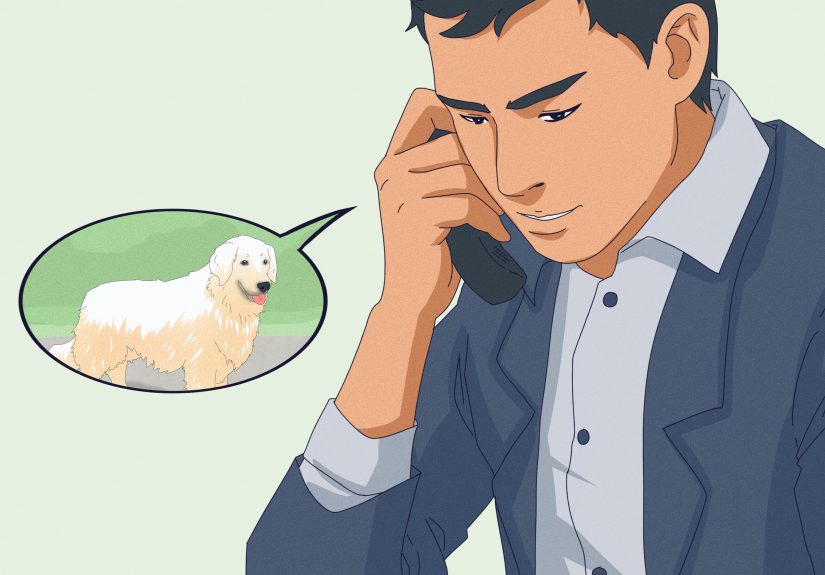
Most dogs you pass on a walk are perfectly fine, probably more interested in a squirrel, a snack, or their own dramatic leash tangles than in you. But every now and then, an unfamiliar dog approaches, and suddenly your brain starts flipping through bad movie scenes. Do you run? Freeze? Pretend you are invisible? Offer a motivational speech?
The good news is that staying safe when a dog approaches you is usually less about heroics and more about body language, calm choices, and not doing the exact thing that makes a nervous or excited dog more wound up. In other words, this is one of those life moments where being boring is actually a superpower.
If you know how to react, you can lower the odds of getting chased, jumped on, or bitten. The smartest response is not about “winning” against the dog. It is about helping the dog see you as non-threatening, non-interesting, and absolutely not worth the trouble. Below are three practical, expert-backed ways to stay safe when a dog approaches you, plus warning signs to watch for, mistakes to avoid, and what to do if things go sideways.
Why Dog Encounters Can Turn Risky So Fast
Dogs do not think like people, and that matters. A friendly-looking dog can still be scared. A wagging tail can still come with tension. A dog that is loose, tied up, behind a fence, guarding food, protecting puppies, or feeling cornered may react very differently from the relaxed family pet you picture in your head.
That is why the safest rule is simple: treat every unfamiliar dog with caution until the dog’s behavior, environment, and owner tell you otherwise. Even a dog that does not intend to hurt you can knock over a child, chase a runner, or bite when startled. Staying safe starts before the dog ever makes contact.
1. Stop, Stay Calm, and Make Yourself Boring
If a dog approaches you, your first job is to lower the energy of the moment. Running, shrieking, flailing your arms, or trying out your world-class panic sprint can trigger chasing behavior or make the dog feel more threatened. Calm is not just a nice idea here. Calm is strategy.
What to Do with Your Body
Stand still. Keep your movements small. Turn slightly sideways instead of squaring up face-to-face. This makes you look less confrontational. Keep your hands close to your body rather than waving them around like you are directing airport traffic. If you are carrying a jacket, bag, or purse, hold it calmly without swinging it.
If the dog keeps coming closer, avoid stepping toward it. Let the dog gather information from a distance. Many dogs approach because they are curious, uncertain, or overstimulated. A still person is less exciting than a moving target.
What to Do with Your Face and Voice
Do not stare directly into the dog’s eyes. In human terms, eye contact can feel polite. In dog terms, long direct eye contact can feel like pressure. Instead, keep the dog in view using your peripheral vision and look slightly away or downward.
If you need to say something, keep your voice low, firm, and brief. A simple “No,” “Stay,” or “Go home” can be more effective than yelling. This is not the moment for baby talk, squealing, or a dramatic monologue about your weekend plans.
Why This Works
Dogs are experts at reading movement and tension. When you become still, quiet, and predictable, you reduce the chance that the dog will treat you like prey, a threat, or an exciting game. Think of it as emotional dimming. You are lowering the brightness on the whole encounter.
2. Read the Dog’s Signals and Create Space Slowly
Once you have avoided the first mistake, the next step is reading the situation. A dog’s body language often tells you whether the encounter is mild curiosity, nervous uncertainty, or a bigger problem. You do not need to become a canine behaviorist in 10 seconds, but you do need to notice the basics.
Signs the Dog May Be Unsure or Stressed
Watch for a stiff body, hard staring, raised hackles, barking with forward motion, growling, snarling, lunging, or repeated snapping. Some dogs also show subtler signs before escalating: leaning away, stepping back, lowering the body, looking away, licking the lips, or turning the head. Those quieter signals often mean the dog wants more distance.
A tail wag is not a universal “hello.” A loose, wiggly body is different from a rigid body with a high, tight wag. One says, “Maybe I am friendly.” The other says, “Proceed at your own risk, human.”
How to Back Away Safely
If the dog is not leaving, slowly back away without turning your back. Keep your movements deliberate. No sudden pivots. No sprinting. No hopping onto someone’s flower bed like you are auditioning for a slapstick comedy.
Move toward a safe barrier if possible, such as a car, fence, gate, doorway, bench, or the other side of a bicycle. If you are with a child, bring the child close behind you rather than letting them move unpredictably. If you are on a bike, the safest move is often to stop, get off, and keep the bike between you and the dog.
When to Avoid Interaction Completely
Do not try to pet a strange dog just because it stopped near you. Do not reach over its head. Do not extend your face near its face. Do not attempt to help a loose dog if it looks frightened, trapped, injured, tethered, or territorial unless trained help is available. Dogs that are tied up, behind fences, guarding food, or caring for puppies deserve extra space.
If the dog appears lost or aggressive, prioritize your safety and call animal control or local authorities rather than trying to become the neighborhood dog whisperer in sandals.
3. Protect Yourself if the Encounter Escalates
Sometimes the situation moves past “awkward dog hello” into something more serious. If the dog starts lunging, nipping, circling, or making contact, your goal shifts from de-escalation to protection.
Use a Barrier if You Have One
A backpack, purse, jacket, trash can, mailbox post, umbrella, or bicycle can create space between you and the dog. The idea is not to hit the dog unless you are in immediate danger and have no alternative. The idea is to give the dog something other than your hands, legs, or face to focus on while you move toward safety.
If you are with a stroller, bike, or bag, use it as a shield. Many people forget this because panic narrows your thinking. But a simple object can buy a few important seconds and change the dog’s angle of approach.
If You Are Knocked Down
If a dog knocks you over, curl into a ball and protect your head, neck, and ears with your hands and forearms. Tuck your chin. Stay still. This is not glamorous, but it protects the most vulnerable areas of your body and can reduce movement that keeps the dog engaged.
Children should be taught this position clearly and calmly before they ever need it. It is one of those weirdly useful safety lessons, like stop-drop-and-roll, except with more fur.
If the Dog Bites You
Even a small bite can matter. Wash the wound thoroughly with soap and water as soon as possible. For minor wounds, clean the area, apply antibiotic ointment if appropriate for you, and cover it with a clean bandage. For deeper wounds, bleeding that will not stop, crushed skin, severe pain, or bites to the face, hands, or joints, get medical care right away.
You should also seek medical advice if you do not know the dog’s rabies vaccination status, if the dog was acting strangely, or if it has been a while since your last tetanus shot. Report the bite to local animal control or the police department when appropriate, especially if the dog is loose, unknown, or showing signs of illness.
Common Mistakes That Make a Dog Encounter Worse
Running
This is the classic mistake. Running can trigger a dog to chase, especially if the dog is aroused, territorial, or already uncertain about you.
Screaming or Flailing
Loud, sudden reactions raise tension. To a stressed dog, that can feel threatening. To an excitable dog, it can feel like an invitation to keep the party going. Neither option is great.
Reaching Out Too Fast
Many bites happen because a person assumes a dog is friendly, then reaches over its head or invades its space. Familiar to the owner does not mean familiar to you.
Trusting the Tail Alone
A wagging tail is only one part of the picture. Always read the whole dog: body stiffness, ear position, mouth tension, barking, lunging, and how the dog is moving in space.
Ignoring the Environment
A tied dog, fenced dog, stray dog, injured dog, or dog guarding something can behave very differently from a calm pet on a relaxed walk. Context matters more than people think.
Extra Safety Tips for Kids, Walkers, and Cyclists
Children should be taught never to run toward a strange dog, never to hug a dog they do not know, and never to put their face near a dog’s face. Kids also need adult supervision around dogs, including dogs they already know. Many bites happen during everyday interactions, not dramatic street encounters.
Walkers and joggers should stay alert in neighborhoods where dogs are frequently loose or kept behind low fencing. Cyclists should remember that speed can trigger chasing. If a dog chases, stopping and placing the bike between you and the dog is often safer than trying to outride it.
If you walk regularly, it may also help to know where homes with reactive dogs are located. That is not paranoia. That is route planning with a side of common sense.
What Safe Behavior Looks Like in Real Life
In real life, safe behavior is usually quiet and a little unexciting. You stop. You breathe. You angle your body slightly away. You keep your voice steady. You notice whether the dog is loose and wiggly or stiff and intense. You back away slowly. You put a bike, bag, or parked car between you and the dog if needed. You do not try to win the encounter. You end it.
That is the heart of staying safe when a dog approaches you. Most close calls do not need bravery. They need control. When you act calm and predictable, you make it easier for the dog to calm down too. And when the dog does not calm down, you already know your next move.
Conclusion
If you remember only three things, remember these: stay still, create space slowly, and protect yourself without escalating the situation. Those three habits can make a huge difference when an unfamiliar dog approaches. They are simple, practical, and easy to teach to children, walkers, runners, and anyone who spends time outdoors.
Dogs are wonderful companions, but safety starts with respect for their signals and their space. The goal is not to fear every dog. The goal is to know how to respond wisely when a situation feels uncertain. A little calm can go a very long way.
Experiences Related to “3 Ways to Stay Safe when a Dog Approaches You”
These composite experiences are based on common real-world situations people describe in neighborhoods, parks, sidewalks, and bike paths.
One of the most common experiences happens on an ordinary walk. Someone turns a corner, sees a loose dog ahead, and freezes for half a second while their brain argues with itself. The first impulse is usually to hurry away. But people who stay calm often notice the dog loses interest faster than expected. The dog may trot closer, sniff the air, circle once, and then move on when the person stands still and avoids dramatic movement. It feels strange in the moment because doing “nothing” seems wrong, yet that quiet response often prevents the dog from switching into chase mode.
Another very real experience happens with runners. A jogger hears barking behind them, turns, and sees a dog running out from a driveway. Nearly every instinct says, “Run faster.” But that usually turns a tense moment into a race no human wanted to enter. Runners who stop, turn slightly sideways, and use a calm voice often discover the dog pauses too. The dog may bark, pace, and posture, but without movement to chase, the encounter can cool down. It is not fun, and it definitely does not improve your mile split, but it is often safer than sprinting away.
Cyclists tell a similar story. A dog starts chasing the bike, and the rider’s first thought is to pedal harder. That can backfire quickly. People who safely stop, dismount, and place the bike between themselves and the dog often create exactly the barrier they need. The dog may still bark or circle, but the bike changes the shape of the encounter. It becomes less of a pursuit and more of a standoff, which is annoying but better than teeth meeting ankle at speed.
Parents often describe a different kind of experience: the dog is not charging, but the child reacts unpredictably. A child squeals, reaches out, or tries to run behind the adult. That is why practice matters before a real encounter happens. Families who rehearse “stand still, hands close, no screaming” at home usually handle the real moment better. The child may still be scared, but fear with a plan is safer than fear with freestyle choreography.
There are also experiences involving dogs that seem friendly at first. A person sees a wagging tail and assumes all is well, then reaches toward the dog’s head too quickly. The dog stiffens, snaps, or backs away sharply. These moments are a good reminder that friendliness is not just about the tail. Real safety comes from reading the whole dog: posture, eyes, mouth, movement, and whether the dog is loose, tethered, cornered, or guarding something.
Then there is the experience no one wants but many remember clearly: getting nipped or bitten and realizing the wound looks smaller than the fear it causes. People often say the surprise is worse than the pain at first. Afterward, the important lessons become practical: wash the wound well, get medical advice if needed, confirm rabies status if possible, and report the incident when appropriate. The emotional part matters too. Even a minor bite can make someone nervous around dogs for years, which is why prevention and calm response matter so much.
The pattern across these experiences is consistent. The safest outcomes usually come from simple choices made early: do not run, do not yell, do not crowd the dog, and do not assume a wagging tail is a permission slip. Stay calm, create space, use barriers when needed, and protect vulnerable areas if things escalate. It is not flashy advice, but in real life, flashy is overrated. Safe is better.