Table of Contents >> Show >> Hide
- What “inflammation” really means (and why food gets blamed)
- The 5 top foods that tend to stoke inflammation
- How to spot inflammatory foods in the wild
- Inflammation-calming swaps that don’t feel like punishment
- Who should pay extra attention to inflammatory foods?
- A realistic “anti-inflammatory” week (no kale worship required)
- Bottom line
- Experiences People Commonly Report When They Cut Back (About )
- SEO Tags
Inflammation gets a bad reputation, but it’s not inherently evil. Acute inflammation is the body’s
“firefighter mode” it helps you heal when you’re sick or injured. The problem is chronic,
low-grade inflammation: the kind that smolders in the background like a toaster oven someone forgot to turn off.
Diet isn’t the only cause, but it’s one of the loudest knobs you can actually adjust without moving to a mountain
and living off berries and moral superiority.
Below are five food categories that major U.S. medical organizations and research reviews repeatedly flag as
more likely to promote inflammation when they show up often in a typical “Western-style” pattern of eating.
Translation: you don’t need to fear a birthday cupcake. You do want to notice what you’re eating
day after day because your body definitely notices.
What “inflammation” really means (and why food gets blamed)
Acute vs. chronic inflammation
Acute inflammation is helpful: it’s a targeted response that supports healing. Chronic inflammation is different
it’s ongoing and can be associated with higher risk of conditions like cardiovascular disease and metabolic issues.
Food influences inflammation indirectly by affecting blood sugar swings, body fat distribution, oxidative stress,
and the gut microbiome (which is basically your internal neighborhood of microbes, and yes, they have opinions).
One meal won’t “ruin” you patterns matter
The most inflammatory “food” is usually the overall pattern: lots of ultra-processed, low-fiber, high-sugar,
high-salt eating with fewer whole plants and healthy fats. The goal here isn’t perfection. It’s to recognize
the biggest repeat offenders and make swaps you can actually stick with.
The 5 top foods that tend to stoke inflammation
1) Sugary drinks (aka liquid dessert with a marketing budget)
If added sugar had a “most likely to cause trouble” superlative, sugary drinks would win. Soda, sweet tea,
energy drinks, flavored coffees, and many “juice” drinks deliver a fast hit of sugar with basically no fiber
to slow it down. That rapid rise in blood glucose can contribute to insulin resistance over time, encourage
visceral fat (the deep belly fat around organs), and promote inflammatory signaling.
What makes sugary beverages especially sneaky is how easy they are to consume without feeling full.
A single bottle can quietly contain the sugar equivalent of a small dessert and your body processes it
fast because there’s nothing “whole” to chew, digest, and slow the ride.
Examples: regular soda, sweetened bottled teas, sports drinks, fruit punch, many café-style blended drinks.
Better swaps: sparkling water + citrus, unsweetened iced tea, coffee with cinnamon, water infused with berries or cucumber.
2) Refined grains and ultra-refined carbs (white flour everywhere)
Refined carbohydrates think white bread, many pastries, and a lot of “snack-aisle starch” have had much of
their fiber and nutrients removed. Without fiber to slow absorption, these foods can raise blood sugar quickly,
and frequent spikes are linked with metabolic stress that can feed inflammation.
Refined grains also tend to travel with friends: added sugars, sodium, and industrial fats. So it’s not just the
white bread it’s the package deal that often comes with it.
Examples: white bread, many bagels, pastries, crackers made with refined flour, many sugary cereals.
Better swaps: oats, brown rice, quinoa, 100% whole-grain bread, whole-grain pasta, popcorn (plain or lightly seasoned).
3) Processed meats (and “everyday” heavy red meat)
Processed meats are consistently associated with worse health outcomes in large bodies of research, and inflammation
is one proposed pathway. Processing often involves curing, smoking, or adding preservatives like nitrates/nitrites,
plus a hefty dose of sodium. Some processed meats are also high in saturated fat, which can contribute to metabolic
strain when intake is high.
Red meat isn’t automatically “bad,” but when it shows up frequently especially in larger portions and alongside
refined carbs and sugary drinks it can be part of a pattern linked with higher inflammation risk. If your weekly
menu looks like a parade of burgers, bacon, and “mystery deli slices,” your body might file a complaint.
Examples: bacon, sausage, hot dogs, deli lunch meat, pepperoni.
Better swaps: beans and lentils, fish, tofu/tempeh, skinless poultry, or smaller portions of red meat paired with vegetables and whole grains.
4) Deep-fried foods and foods made with trans fats
Fried foods aren’t inflammatory because they’re “fun” (sadly). High-heat cooking can create compounds such as
advanced glycation end products (AGEs), which are associated with oxidative stress and inflammation. Frying also
often means more calories and fats in a form that’s easy to overeat.
Then there’s trans fat the villain with receipts. Artificial trans fats largely came from partially hydrogenated
oils (PHOs). The FDA determined PHOs are not “generally recognized as safe,” which pushed them out of much of the
U.S. food supply. Even so, trans fats can still show up in some products, and fried/fast foods may have other fat
profiles that aren’t great when they dominate your diet.
Examples: french fries, fried chicken, donuts, packaged baked goods made with PHOs (check labels), some frostings.
Better swaps: oven-roasted “fries,” air-fried versions, sautéing in olive oil, baked treats you actually portion like a treat (wild concept, I know).
5) Ultra-processed foods (UPFs): when your snack has a résumé
Ultra-processed foods are products made with industrial formulations often containing refined starches,
added sugars, emulsifiers, flavorings, and other ingredients you wouldn’t use at home unless your kitchen doubles
as a chemistry lab. Not every packaged food is “ultra-processed,” but many UPFs are designed to be hyper-palatable,
easy to overeat, and low in fiber and micronutrients.
Research reviews link higher UPF intake with markers of low-grade inflammation and chronic disease risk.
Part of the mechanism may be indirect: UPFs can promote weight gain and metabolic strain; they often displace
fiber-rich whole foods that support a healthier gut environment.
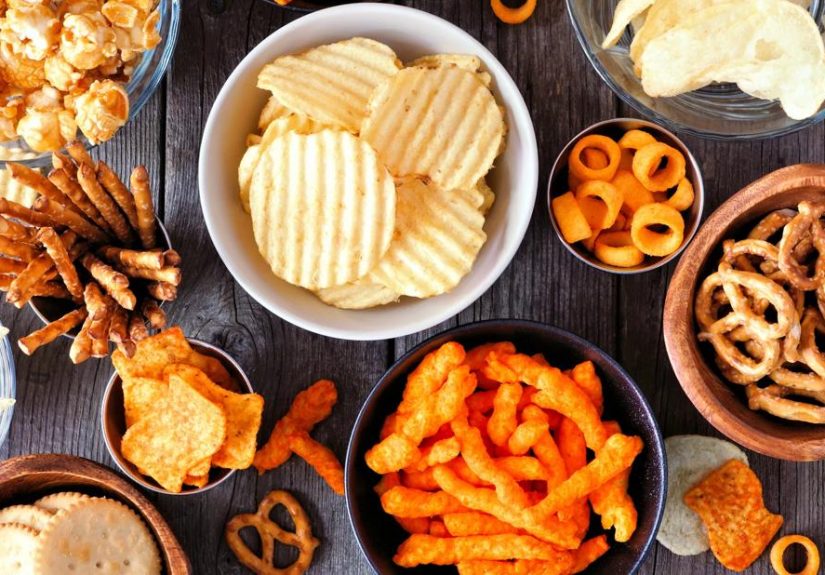
Examples: chips, many packaged snack cakes, instant noodles, fast-food combos, some frozen meals, many “protein” bars that taste like candy.
Better swaps: yogurt + fruit, nuts, hummus + veggies, simple sandwiches on whole-grain bread, leftovers that you actually like (seasoning is allowed!).
How to spot inflammatory foods in the wild
A quick label cheat sheet
- Added sugars: look for high grams per serving, and watch for multiple sugar sources (syrups, dextrose, etc.).
- Refined grains: “enriched wheat flour” often means refined; “100% whole wheat/whole grain” is the better sign.
- Processed meats: cured, smoked, deli-style, or anything that stays “fresh” for suspiciously long.
- Trans fats: avoid “partially hydrogenated oils” in ingredients (even if the nutrition panel says 0g).
- UPF clues: long ingredient lists, lots of additives, and a taste that makes you say, “How is this legal?”
Inflammation-calming swaps that don’t feel like punishment
The fastest way to make this sustainable is to swap, not suffer. Here are practical upgrades that keep your meals
recognizable as food:
| Common Choice | Try This Instead | Why It Helps |
|---|---|---|
| Soda or sweet tea | Sparkling water + lemon, unsweetened tea | Less sugar → fewer glucose spikes |
| White bread sandwich | 100% whole-grain bread + extra veggies | More fiber supports gut health |
| Hot dog / deli meat lunch | Bean bowl, tuna, chicken, tofu wrap | Less processed meat and sodium |
| Fries and fried sides | Roasted potatoes, salad, veggies + dip | Lower heat byproducts, more nutrients |
| Packaged snack cakes | Greek yogurt + berries, nuts, dark chocolate | More protein/fiber, fewer additives |
Who should pay extra attention to inflammatory foods?
Everyone benefits from a whole-food-forward pattern, but some people may notice bigger differences when they reduce
these foods: people with metabolic concerns (prediabetes/type 2 diabetes), cardiovascular risk factors, arthritis,
inflammatory bowel conditions, or anyone whose energy and digestion feel like a perpetual “low battery” icon.
If you have a medical condition or take medications, it’s smart to talk with a clinician or registered dietitian
before making major changes.
A realistic “anti-inflammatory” week (no kale worship required)
- Pick one lever: Start by cutting sugary drinks for 7 days. Keep everything else the same.
- Add one fiber anchor daily: oats, beans, lentils, berries, or a big salad.
- Cook one dinner at home: even a simple stir-fry counts as a win.
- Swap one snack: chips → nuts; candy → fruit + yogurt; pastry → peanut butter toast on whole grain.
- Track how you feel: energy, cravings, digestion, sleep quality not just the scale.
Bottom line
The five biggest inflammation-promoting food categories aren’t mysterious: sugary drinks, refined carbs, processed
meats, fried/trans-fat-heavy foods, and ultra-processed products. You don’t need to ban them forever but if they’re
your daily defaults, your body may respond with more inflammation than you’d like. Shift the pattern toward whole
foods, fiber, and healthier fats, and you’ll likely feel the difference where it counts: energy, cravings, and how
“puffy” or achy you feel day to day.
Experiences People Commonly Report When They Cut Back (About )
When people reduce inflammatory foods, the first changes they notice usually aren’t dramatic, movie-montage
transformations. They’re smaller and oddly satisfying like realizing you’re not thinking about snacks every
17 minutes. Here are a few real-world patterns dietitians and health coaches often hear about (with the important
disclaimer that everyone’s body is different, and correlation isn’t the same as magical proof).
The “3 p.m. crash” gets less brutal
One of the most common stories goes like this: someone swaps their daily soda or sweet coffee drink for unsweetened
tea or sparkling water for a week. They expect misery. Instead, they notice fewer energy spikes and dips especially
in the afternoon. It’s not that life becomes perfect. It’s more like the day stops feeling like a phone running on
12% battery. That steadier energy often lines up with fewer sugar-driven blood glucose swings.
Cravings calm down (after a short tantrum)
Many people report that the first few days without ultra-processed snacks feel… emotionally loud. That’s normal.
UPFs are engineered to be extremely rewarding. But after about a week or two, cravings can soften, and people start
noticing that fruit tastes sweeter and that “just one cookie” doesn’t trigger a cookie-related disappearance event.
A bigger breakfast with protein and fiber (think eggs + fruit, yogurt + oats, or tofu scramble) often helps a lot.
Digestion feels less like a surprise attack
Cutting back on refined grains and adding more whole grains, beans, and vegetables can improve regularity and reduce
bloating for some people though it may take a gradual ramp-up so your gut has time to adjust. People often describe
feeling “lighter” or less puffy, which may relate to lower sodium intake from processed foods and improved fiber intake.
Joints and “morning stiffness” may improve
Some people with achy joints report that reducing fried foods and processed meats, then replacing them with fish,
olive oil, nuts, and more colorful produce, helps them feel less stiff especially in the morning. This isn’t a
guaranteed result, and it’s not a substitute for medical care. But it’s a consistent enough anecdote that many
arthritis-focused organizations encourage limiting trans fats and heavily processed foods as part of an overall
anti-inflammatory approach.
Small wins build momentum
The most powerful “experience” isn’t a symptom disappearing overnight it’s the feeling of control returning.
People often say the first sustainable change is the one that doesn’t require perfection: swapping beverages,
cooking one extra meal at home, or choosing whole grains more often. Those are boring habits and boring habits,
repeated, are how health improves without you needing a new personality.