Table of Contents >> Show >> Hide
- Why Hair Clogs Happen (And Why They’re So Stubborn)
- Before You Start: A 60-Second Prep That Saves Headaches
- Way #1: Remove the Drain Cover and Pull Hair Out by Hand (Yes, Really)
- Way #2: Use a Barbed Plastic Drain Stick (Zip-It-Style Tools)
- Way #3: Make a DIY Hair Hook (Coat Hanger or Paper Clip)
- Way #4: Use a Plunger (Or a Wet/Dry Vacuum) to Pull the Hair Clump Loose
- Way #5: Use a Drain Snake or Hand Auger for Deeper Hair Clogs
- Optional Boost: Hot Water Flush + Gentle Cleaning (For Residue That Traps Hair)
- How to Prevent Hair Clogs (So You Can Stop Doing Drain Archaeology)
- of Real-World Experiences (The Stuff That Actually Happens at Home)
- Final Thoughts
If your shower is turning into a very sad, very shallow swimming pool, there’s a good chance you’ve fed the drain monster: hair + soap scum + conditioner = a clog that clings like it pays rent. The good news? Most hair clogs are beatable with a few basic tools, a little patience, and the willingness to say “ew” out loud at least once.
This guide breaks down five practical, plumber-approved ways to get hair out of a shower drainstarting with the simplest (gloves + bravery) and ending with the “okay, we’re bringing in equipment” options. You’ll also get prevention tips so you’re not doing this again next Tuesday.
Why Hair Clogs Happen (And Why They’re So Stubborn)
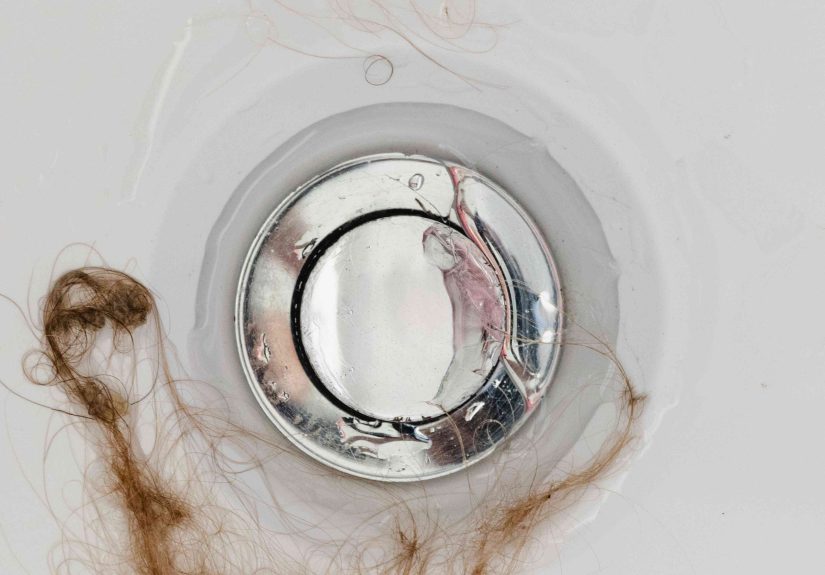
Hair doesn’t usually clog a drain by itself. The real trouble starts when loose strands tangle around tiny imperfections inside the drain, then catch soap residue, body oils, shampoo, and mineral buildup. Over time, that gunk turns into a sticky net that traps more hair, and your drain slows down like it’s buffering on bad Wi-Fi.
The most common clog zone is right under the drain cover or around the stopper mechanismclose enough to reach, but far enough to make you question your life choices. That’s why the best solutions are often mechanical: physically removing the hair, not just “hoping it dissolves.”
Before You Start: A 60-Second Prep That Saves Headaches
- Protect your hands: Put on disposable gloves. Hair clogs are… emotionally challenging.
- Gather basics: flashlight, paper towels, small screwdriver, and an old plastic bag for the “trophy.”
- Know your drain cover: some pop off, some screw off, and some hide screws under decorative caps.
- Safety note: If you recently poured chemical drain cleaner, avoid plunging or snaking right awaysplashback is dangerous. Rinse thoroughly and follow product directions, or call a pro if you’re unsure.
Way #1: Remove the Drain Cover and Pull Hair Out by Hand (Yes, Really)
This is the fastest fix for many slow drains because hair often collects right at the entrance. It’s not glamorous, but it’s effectiveand it costs exactly $0 if you already own gloves.
How to do it
- Remove the cover: Unscrew it if needed, or gently pry it up with a flathead screwdriver.
- Shine a light: Look for a visible clump or hair wrapped around a crossbar or stopper piece.
- Pull the hair out: Use gloved fingers, tweezers, or needle-nose pliers for better grip.
- Wipe the rim clean: Hair loves to hide in the gross ring around the drain opening.
- Run water: Test flow for 30–60 seconds to confirm the clog is gone.
When it works best
- Slow drains (not totally blocked)
- Hair visibly near the top of the drain
- Grid-style covers that catch hair like a tiny metal spiderweb
Pro tip
If your shower has a stopper mechanism (more common in tubs, but some shower/tub combos do), hair may be wrapped around it. Removing that assembly can expose a “hair bouquet” you never wanted.
Way #2: Use a Barbed Plastic Drain Stick (Zip-It-Style Tools)
If you’ve never used a plastic drain stick, imagine a flexible strip with tiny barbs designed to snag hair clumps. It slides into the drain, hooks the gunk, and pulls it out in one dramatic reveal. These tools are popular for a reason: they’re cheap, simple, and surprisingly satisfying (in a gross science experiment kind of way).
How to do it
- Remove the drain cover so you have a clear opening.
- Insert the tool slowly: push down 6–18 inches, depending on the tool and your drain.
- Twist gently: a small rotation helps the barbs catch hair from different angles.
- Pull up steadily: don’t yank like you’re starting a lawn mowerslow and steady prevents breakage.
- Repeat: do 2–4 passes until the tool comes up mostly clean.
Common mistakes to avoid
- Forcing it: If it won’t go, the drain may have a tight bend or a stopper part in the way.
- Skipping cleanup: Wipe the tool each pass so you’re not re-stuffing hair back into the drain.
- Ignoring the cover: Clean the drain cover toohair clings there and starts the next clog.
Why it works: It removes the hair physically, which is the main goal. Chemical solutions can help with residue, but hair itself often needs a “hook-and-remove” approach.
Way #3: Make a DIY Hair Hook (Coat Hanger or Paper Clip)
If you don’t have a drain stick handy, you can MacGyver a hair-removal tool from a wire coat hanger or sturdy paper clip. The trick is making a small hook that can snag hair without scratching everything to pieces.
How to do it (coat hanger version)
- Straighten the hanger leaving one end slightly bent.
- Form a small hook with pliersthink “tiny fishing hook,” not “pirate accessory.”
- Insert carefully: push down until you feel resistance.
- Rotate and lift: twist a little, then pull up slowly with steady pressure.
- Wipe and repeat until you stop pulling up hair.
When it works best
- Hair clogs close to the drain opening
- When you can’t easily reach with fingers
- As an emergency fix before guests arrive (and you want your shower to look functional)
Quick caution
A wire hook can scratch finishes or get stuck if you jam it too deep. Be gentle. You’re fishing for hair, not trying to excavate a tunnel.
Way #4: Use a Plunger (Or a Wet/Dry Vacuum) to Pull the Hair Clump Loose
When hair is combined with soap scum, it can form a plug that needs a little pressure to break free. A plunger can dislodge the clog so you can remove itor at least restore flow enough for the next step. If you have a wet/dry shop vacuum, you can sometimes pull the clog out instead of pushing it deeper.
Plunger method (classic and effective)
- Remove the drain cover if possible.
- Add a little water to cover the plunger’s rim (plungers need water to seal).
- Seal overflow openings if your setup has them (more common in tubs). A damp rag works.
- Plunge firmly: 10–15 strong pumps, keeping the seal tight.
- Check results: If water suddenly drains, you likely broke up the clog.
Wet/dry vacuum method (the “upgrade”)
- Set the vac to wet pickup (important).
- Create a seal: press the hose tightly against the drain opening. A damp towel helps seal gaps.
- Run suction in short bursts for 10–20 seconds.
- Inspect what comes up (brace yourself), then repeat as needed.
Why this helps with hair
Hair clogs are often a tangled wad. Pressure (plunger) can loosen it; suction (vac) can sometimes remove it. Either way, you’re changing the clog’s grip on the pipe wallsmaking it easier to extract with a hook or stick afterward.
Way #5: Use a Drain Snake or Hand Auger for Deeper Hair Clogs
If the clog is beyond the first bend, you’ll need something that can reach further. A drain snake (also called a hand auger) is designed to travel down the pipe, break through hair and gunk, and pull it back out. This is the most “serious” DIY option, and it’s often what separates a quick fix from a repeat clog.
How to snake a shower drain
- Remove the drain cover and clear any visible hair first.
- Feed the snake slowly into the drain until you feel resistance.
- Rotate the handle: this helps the coil bite into the hair.
- Pull back gently: bring up debris, wipe it off, and repeat.
- Flush with hot water: run water for a minute to wash away loosened residue.
What “success” looks like
- Water drains quickly without pooling
- You remove hair in multiple smaller pulls (not always one giant blob)
- You don’t hear gurgling or see water backing up after a minute of running the shower
When to call a plumber
If multiple drains in your home are backing up, if the clog returns within a day or two, or if you hear persistent gurgling, the issue may be deeper in the line. Also, if you can’t confidently snake the drain without forcing it, a pro can clear it safely.
Optional Boost: Hot Water Flush + Gentle Cleaning (For Residue That Traps Hair)
Once you’ve removed the hair physically, it’s smart to flush away the sticky soap-and-conditioner film that helped the clog form. Very hot water and a bit of dish soap can help move greasy residue. Some homeowners also use baking soda and vinegar for deodorizing and light buildup, but it’s best for minor issues and maintenancenot a miracle solution for a dense hair plug.
A simple maintenance flush
- Run very hot water for 30 seconds (avoid boiling water if you have PVC plumbing).
- Add a small squirt of dish soap and continue flushing for another 30 seconds.
- Repeat weekly if your household sheds like a golden retriever in summer.
How to Prevent Hair Clogs (So You Can Stop Doing Drain Archaeology)
- Use a hair catcher: A simple silicone or stainless cover can trap hair before it enters the drain. Empty it after each showerfuture you will be grateful.
- Brush hair before showering: Reduces loose strands that would otherwise go on a field trip down the drain.
- Do a quick weekly check: Lift the cover and remove any visible buildup before it becomes a full blockage.
- Be kind to your drain: Heavy conditioners and oils can increase residue that grabs hair and holds it tight.
of Real-World Experiences (The Stuff That Actually Happens at Home)
In real homes, shower drain clogs don’t show up as a dramatic “suddenly nothing drains” momentat least not at first. It usually starts with a small warning sign: the water lingers for an extra ten seconds, then twenty, then suddenly you’re showering in a puddle and pretending it’s a spa feature. Many people notice it most on hair-wash days, when conditioner and shed strands team up like they planned it in a group chat.
One common scenario is the “looks clean, still slow” mystery. You pull the drain cover, remove the obvious hair, and the drain improves… but not enough. That’s often because the clog isn’t a single blob sitting right at the surface. It’s a ropey braid of hair wrapped around soap scum a few inches down, where fingers can’t reach. In these cases, barbed plastic drain sticks tend to feel like a cheat code. People are frequently surprised by how much hair comes up on the second or third passbecause the first pull only catches the top layer. It’s a little like pulling weeds: if you only grab the leaves, the roots laugh at you.
Then there’s the “I tried baking soda and vinegar and it fizzed like a science fair!” moment. The fizz is satisfying, but if the clog is mostly hair, the reaction often can’t muscle through the tangled mass. Homeowners who get the best results usually treat that combo like a follow-up move: remove the hair mechanically first, then use a hot-water flush to rinse away the sticky residue that helped the clog form. That one-two punchpull the hair, then clean the gunktends to keep the drain running longer.
Plungers create another classic household story: someone tries it once with no seal, declares it useless, and gives up. But when you add a little water for a seal and plunge with consistent pressure, it can break a clog loose fast. The “aha” moment is when the water suddenly drops and everyone in the house treats it like a small plumbing miracle. In homes with long hair (or multiple people sharing one bathroom), a hand auger becomes the quiet hero. It’s not glamorous, but it’s the tool that reaches the deeper clogs that keep coming back.
The most consistent lesson from real-life drain battles is simple: prevention beats cure. The people who stop having repeat clogs are usually the ones who commit to a hair catcher and a quick weekly check. It’s not exciting, but it turns “disgusting Saturday project” into “30 seconds of maintenance.” And honestly, that’s the kind of adulting we all deserve.