Table of Contents >> Show >> Hide
- A simple formula before you start
- 1. The Classic Crowd-Pleaser Board
- 2. The Mediterranean Mezze-Style Board
- 3. The Harvest Board
- 4. The Brunch Charcuterie Board
- 5. The Dessert Board
- 6. The Game-Day Snack Board
- 7. The Southern-Inspired Board
- 8. The Budget-Friendly Grocery Board
- 9. The Veggie-Forward Grazing Board
- Styling tips that make every board look better
- Real-life experiences with charcuterie boards: what hosts learn after a few parties
- Conclusion
Charcuterie boards have achieved that rare party trick: they make you look wildly organized even when you assembled them five minutes before the doorbell rang. Put a few cheeses on a board, fan out some salami, toss down grapes like edible confetti, and suddenly your kitchen has “casual host with excellent taste” energy. That is the magic of a great board. It feels relaxed, looks impressive, and lets guests snack exactly how they want.
The best part is that there is no single right way to build one. A beautiful charcuterie board can be classic and elegant, bright and Mediterranean, sweet enough for dessert, or hearty enough to replace dinner. What matters most is balance: a mix of salty, creamy, crunchy, juicy, tangy, and sweet. When those textures and flavors show up together, the board stops being a random pile of groceries and starts feeling intentional.
If you are planning your next gathering, these nine charcuterie board ideas will give you plenty of inspiration without making you feel like you need a culinary degree or a tiny pair of gold serving tongs. Some are traditional, some bend the rules a little, and all of them are designed to be delicious, practical, and easy to customize for your crowd.
A simple formula before you start
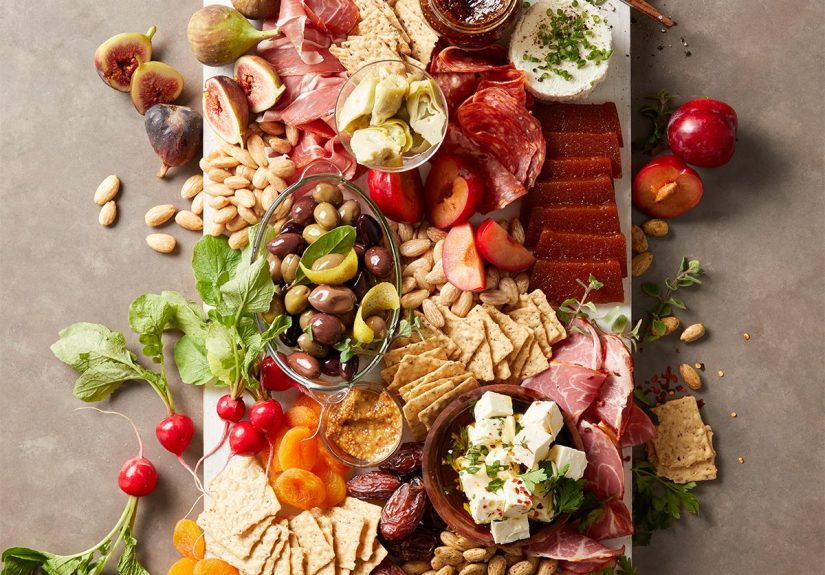
Before diving into the themes, it helps to know the basic anatomy of a strong board. Start with two to four cheeses in different textures, then add two to three meats, at least one crunchy base like crackers or toasted bread, one or two briny items such as olives or pickles, a sweet component like jam or honey, and fresh produce for color and contrast. Nuts, herbs, and dips can fill gaps and make the whole thing look abundant.
One more smart move: do not overload the board with giant chunks of everything. Slice some cheese ahead of time, fold or roll meats so guests can grab them easily, and use small bowls for messy ingredients like olives, mustard, or preserves. A board should look generous, not like it requires engineering equipment to eat.
1. The Classic Crowd-Pleaser Board
Best for holidays, happy hours, and almost any mixed-age gathering
If you want a board that pleases nearly everyone, this is your dependable starter pack. Build it with familiar favorites: sharp cheddar, Brie, and Manchego for cheese; prosciutto, Genoa salami, and soppressata for meat; grapes, apple slices, cornichons, and mixed nuts for contrast. Add a small bowl of fig jam and another of grainy mustard, then finish with crackers and sliced baguette.
This kind of board works because it checks every box without getting too fancy for its own good. There is creamy cheese, salty cured meat, crunchy crackers, juicy fruit, and just enough tangy bite from pickles and mustard to keep the palate awake. It is also a strong option if you do not know your guests’ preferences. Nobody has ever stared at a board with cheddar, salami, and grapes and thought, “Well, this is a disaster.”
2. The Mediterranean Mezze-Style Board
Best for warm-weather parties and lighter snacking
This is the board for people who want something colorful, fresh, and a little less meat-heavy. Instead of making cured meats the star, lean into dips and bright produce. Start with hummus, whipped feta, and baba ghanoush in small bowls. Surround them with pita wedges, cucumbers, cherry tomatoes, roasted red peppers, stuffed grape leaves, marinated olives, and feta cubes. You can still add a little prosciutto or dry salami, but it does not need to dominate.
The flavor profile here is zippy, herbaceous, and easy to keep eating long after you promised yourself you were “just having a little something before dinner.” A Mediterranean board also looks incredibly generous because vegetables and dips create volume fast. Add fresh dill, parsley, lemon wedges, and a drizzle of olive oil, and suddenly the whole thing looks like it belongs on a breezy patio beside a glass of chilled rosé.
3. The Harvest Board
Best for fall gatherings and cozy entertaining
When cooler weather rolls in, a harvest board feels like the appetizer equivalent of a chunky knit sweater. Think apple slices, pears, figs, dried apricots, candied nuts, aged cheddar, blue cheese, and creamy goat cheese. Add prosciutto or smoked sausage, then include pumpkin butter, honey, or spiced jam for sweetness. Rustic crackers and seeded bread fit the mood perfectly.
This board shines because fall produce does a lot of the decorating for you. Deep red grapes, golden pears, dark figs, and rosemary sprigs make the board look rich and seasonal without extra effort. If you want to push it a little further, include roasted squash dip or baked Brie as a warm centerpiece. Guests love a board that feels like autumn without requiring them to eat a decorative gourd.
4. The Brunch Charcuterie Board
Best for showers, weekend hosting, and lazy holiday mornings
Brunch boards are proof that charcuterie can clock in before noon. Build yours with mini bagels, croissants, smoked salmon, sliced ham, cream cheese, soft goat cheese, berries, grapes, hard-boiled eggs, and little bowls of jam or honey butter. If you want a sweeter angle, add waffles, chocolate-covered strawberries, yogurt dip, or cinnamon-sugar nuts.
What makes a brunch board so appealing is the range. Some guests will make a smoked salmon-and-caper masterpiece; others will happily stack fruit, cream cheese, and pastries like they are auditioning for the role of “most chaotic breakfast genius.” It feels more festive than setting food out in separate containers, and it invites people to graze at their own pace instead of committing immediately to a full plated meal.
5. The Dessert Board
Best for birthdays, girls’ night, and any gathering where sweets deserve their own spotlight
Not every charcuterie board needs salami. A dessert board can be just as dramatic and often disappears even faster. Use brownies, cookies, chocolate bark, macarons, strawberries, raspberries, dried cherries, pretzel twists, marshmallows, and caramel or chocolate sauce for dipping. Add a few salty elements like candied pecans or chocolate-covered nuts so the board does not turn into a sugar stampede.
The trick is contrast. Pair dark chocolate with juicy fruit, soft cookies with crunchy pretzels, and creamy dips with crisp dippers. A dessert board is also perfect for hosts who want something photogenic but low stress. Most items can be store-bought, nobody expects exact symmetry, and the final result always looks like a celebration. It is basically edible confetti with better manners.
6. The Game-Day Snack Board
Best for football Sundays, movie nights, and hungry guests who treat appetizers like a competitive sport
This is the board for a crowd that wants bold flavor and zero delicacy. Think pepperoni, smoked sausage, cheddar cubes, pepper jack, pretzels, kettle chips, spicy pickles, ranch dip, buffalo chicken dip, celery sticks, mini peppers, and crunchy crackers. You can even add sliders, chicken bites, or bacon-wrapped snacks around the edges if you want the board to wander into full meal territory.
Unlike a more refined wine-night spread, a game-day board should feel hearty and grab-friendly. Guests are balancing plates, drinks, and strong opinions about the referee, so easy-to-eat pieces win. This is also where spicy mustard, jalapeño jelly, and hot honey really earn their keep. The board should have enough punch to compete with the television, which is saying something during playoff season.
7. The Southern-Inspired Board
Best for porch parties, showers, and comfort-food fans
A Southern-style board leans into pickles, spreads, and familiar savory bites. Use pimento cheese, smoked ham, country sausage, sharp cheddar, deviled eggs, candied pecans, pickled okra, bread-and-butter pickles, crackers, and buttery toast points. Add peach preserves or pepper jelly for a sweet-spicy edge, and toss in fresh berries or sliced peaches when they are in season.
This board works because it feels nostalgic without being fussy. It is rich, a little tangy, a little sweet, and deeply snackable. It also gives you room to use regional favorites or family staples, which makes the board feel more personal than generic. When people start pointing and saying, “Oh wow, pimento cheese,” you know you have hit the right note.
8. The Budget-Friendly Grocery Board
Best for last-minute hosting and anyone who enjoys being financially responsible while still looking fabulous
You do not need imported truffle cheese and a marble slab the size of a coffee table to make a great board. A budget charcuterie board can be excellent when you focus on contrast and arrangement. Pick one or two cheeses, one meat, one seasonal fruit, one crunchy item, one briny item, and one spread. For example: cheddar, Brie, salami, green grapes, crackers, olives, and honey. That is enough to build a board that feels complete.
Volume can come from inexpensive produce like apple slices, baby carrots, cucumber rounds, or popcorn. Fresh herbs also make a modest board look a lot more polished. The key is to group ingredients thoughtfully and avoid leaving awkward empty spaces. A few nuts or grapes tucked into the gaps can turn a sparse-looking tray into something that feels abundant. Presentation does a lot of heavy lifting here, and thankfully it does not charge by the hour.
9. The Veggie-Forward Grazing Board
Best for spring parties, wellness-minded guests, and anyone who wants a board that feels fresh instead of heavy
This board keeps the fun of charcuterie but shifts the center of gravity toward produce. Load it with cucumbers, radishes, snap peas, carrots, endive, cherry tomatoes, roasted asparagus, marinated artichokes, hummus, whipped ricotta, herbed yogurt dip, and a few cheeses such as goat cheese or feta. Add seeded crackers and toasted flatbread so it still feels like a real spread rather than a very ambitious salad.
The beauty of this board is that it brings crunch and color in a way that immediately brightens the table. It is also a smart counterbalance if the rest of your menu is rich. Even meat lovers usually end up hovering near a good veggie board, especially when the dips are strong and the produce is crisp. A pile of snap peas next to whipped feta has surprising social power.
Styling tips that make every board look better
No matter which direction you choose, a few styling moves always help. Use small bowls to anchor the board, then arrange larger items like cheeses and dip containers first. Fold thin meats into ribbons or loose rosettes instead of laying them flat. Slice a few pieces of cheese in advance so guests are not forced to attack a whole wedge like they are starting a campsite survival challenge.
Color matters too. Spread bright ingredients around the board instead of clustering them in one corner. Place fruit in several spots, use herbs as small garnishes, and mix round shapes with wedges, cubes, and ribbons to keep the board visually alive. Also, serve perishable ingredients in smaller batches and restock from the refrigerator as needed. It keeps the board looking fresh and prevents your beautiful appetizer from spending too long at room temperature.
Real-life experiences with charcuterie boards: what hosts learn after a few parties
There is a funny gap between the fantasy of a charcuterie board and the reality of one. In the fantasy, everyone admires your artistic arrangement, politely samples each component, and comments on the surprising compatibility of honey and blue cheese. In reality, one person immediately grabs all the prosciutto, another builds a cracker tower tall enough to violate local building codes, and the strawberries vanish in six minutes. That is not failure. That is how you know people are actually enjoying it.
One of the first lessons most hosts learn is that “pretty” and “easy to eat” are not always the same thing. A board can look gorgeous with giant wedges, dramatic piles, and carefully placed garnishes, but guests are happiest when food is accessible. Cheese that is partly sliced disappears faster. Meats folded into loose layers are easier to grab than meats stuck together in a flat stack. Olives and pickles need little forks or spoons, and jam definitely needs its own spreader unless you want one cracker acting as a community knife. These tiny details sound boring until you watch a room full of people hover awkwardly because nobody wants to be the first one to dismantle the art project.
Another real-world truth is that guests tend to love familiarity more than novelty. Yes, that obscure sheep’s milk cheese wrapped in leaves may be incredible. But cheddar, Brie, salami, grapes, and good crackers will almost always outperform something so experimental that people have to squint at it. The sweet spot is mixing one or two conversation pieces with enough recognizable items to make everyone comfortable. A board should invite curiosity, not test courage.
Hosts also learn that abundance is often an illusion created by spacing, texture, and filler ingredients. You do not need a luxury budget to make a board look generous. Sliced apples, clusters of grapes, cucumber rounds, popcorn, nuts, and herbs can stretch the look of a platter beautifully. The board feels lush, guests have more variety, and your wallet gets to remain on speaking terms with you. This is especially useful for larger parties, where people remember the overall experience far more than the exact number of imported cheeses present.
Finally, experience teaches you that the best charcuterie boards are not rigid. They evolve with the season, the guest list, and the occasion. A summer board may lean bright and produce-heavy; a winter board may lean rich, spiced, and cozy. A baby shower board, a game-day board, and a movie-night board all need different energy. The real secret is not perfection. It is flexibility. Once you realize a great board is simply a smart mix of flavors, textures, and easy serving, the whole thing becomes much more fun. And frankly, that is the point. A charcuterie board should spark conversation, encourage grazing, and make people want to hang around the table a little longer. If that happens, your board did its job beautifully.
Conclusion
The beauty of charcuterie board ideas is that they scale up, dress up, calm down, and adapt to almost any occasion. You can go classic, seasonal, savory, sweet, budget-friendly, veggie-forward, or somewhere gloriously in between. Start with balance, think about how guests will actually eat, and let color and texture do some of the work. A great board does not need to be expensive or complicated. It just needs to feel generous, inviting, and a little bit fun.
So the next time you host, skip the panic and build a board with purpose. A few cheeses, a few meats, something crunchy, something juicy, something briny, and one sweet flourish can take you surprisingly far. Add a little confidence and a sprig of rosemary, and suddenly you are not just putting out snacks. You are making the whole table feel like a party.