Table of Contents >> Show >> Hide
- What Is Cinnamon Roll Casserole, Exactly?
- Why Everyone Loves This Easy Brunch Recipe
- The Flavor Profile: Why It Works So Well
- Ingredients That Make the Best Cinnamon Roll Casserole
- How to Make Cinnamon Roll Casserole
- Tips for a Better Cinnamon Roll Breakfast Casserole
- Make-Ahead, Storage, and Reheating
- What to Serve With Cinnamon Roll Casserole
- Fun Variations to Try
- Why This Recipe Earns Repeat Status
- Extra Kitchen Experiences: What Cinnamon Roll Casserole Feels Like in Real Life
- Conclusion
- SEO Tags
Some breakfasts are nutritious. Some breakfasts are practical. And then there is cinnamon roll casserole, which walks into the room like it owns the place, smells like a bakery won the lottery, and makes everyone suddenly very interested in getting out of bed.
If you love the cozy flavor of cinnamon rolls but do not love rolling dough before your coffee has kicked in, this dish is your breakfast hero. It captures the soft, sweet, cinnamon-swirled charm of a classic roll and turns it into a warm breakfast casserole that is easier to assemble, easier to serve, and much harder to resist. It is a smart shortcut for holidays, weekend brunch, school breaks, potlucks, or any random Sunday when you would like your kitchen to smell like good decisions.
The beauty of a cinnamon roll bake is that it feels a little fancy without actually requiring fancy behavior. You can start with refrigerated cinnamon rolls, add a simple custard made with eggs and dairy, and finish with icing, nuts, fruit, or a few extra flourishes if you are feeling ambitious. The result lands somewhere between bread pudding, French toast casserole, and dessert pretending to be breakfast. Frankly, it is a convincing performance.
What Is Cinnamon Roll Casserole, Exactly?
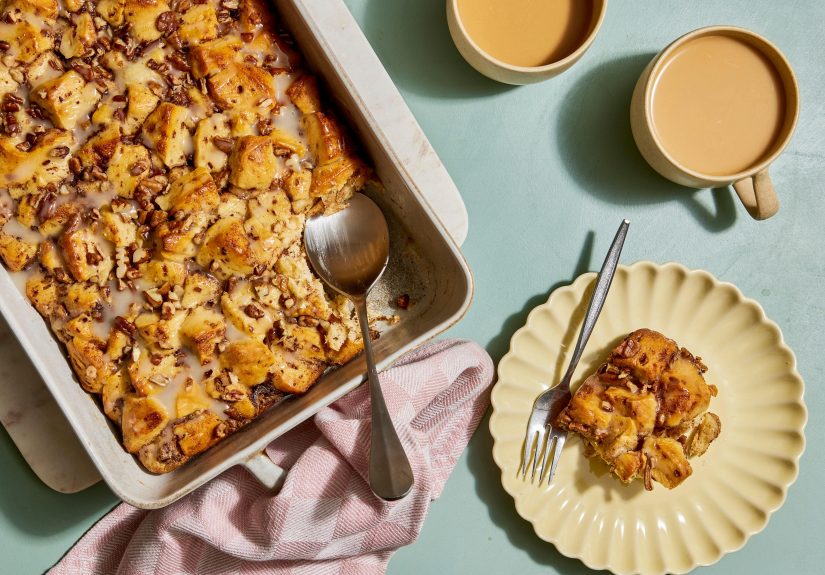
At its core, cinnamon roll casserole is a shortcut baked dish made by cutting cinnamon roll dough into bite-size pieces, arranging them in a baking dish, and soaking or coating them with a sweet egg mixture. Once baked, the dough puffs up, the custard sets, and the whole pan becomes soft in the middle, golden on top, and gloriously sticky around the edges.
That texture is the reason this dish has become such a favorite for brunch tables. A standard cinnamon roll is wonderful, but a casserole version gives you contrast: fluffy bites, custardy pockets, crispy corners, and icing in every forkful. It is less neat than an individual pastry, but that is part of its charm. This is a “scoop generously and call it rustic” situation.
Why Everyone Loves This Easy Brunch Recipe
There are plenty of sweet breakfast recipes out there, but this one checks an unusual number of boxes at once.
It saves time
Traditional cinnamon rolls can be worth the effort, but they are a project. A casserole version gives you similar flavor with a much shorter path from craving to plate. That makes it one of the best easy brunch recipes for busy households and holiday mornings.
It feeds a crowd
Instead of pulling apart individual rolls and hoping everyone got one with enough frosting, you can serve neat squares or generous spoonfuls from one pan. This is ideal for family breakfasts, baby showers, brunch buffets, and mornings when extra guests somehow appear the moment the coffee is brewed.
It is flexible
You can keep it classic or add chopped pecans, apples, berries, cream cheese, maple drizzle, or extra cinnamon sugar. It is one of those forgiving recipes that welcomes creativity without punishing you for not measuring with laboratory precision.
It feels special
Even when it is made from refrigerated dough, this casserole still feels celebratory. It belongs on Christmas morning, Easter brunch, Mother’s Day, or any day when a bowl of cereal would feel emotionally insufficient.
The Flavor Profile: Why It Works So Well
The magic of cinnamon roll casserole comes from layering familiar flavors in a new format. Cinnamon provides warmth, sweetness, and that unmistakable “something wonderful is happening in this kitchen” aroma. Vanilla rounds out the custard. Eggs and cream or milk create richness and help the casserole bake up tender rather than dry. Then the icing swoops in at the end and reminds everyone that restraint is overrated.
Some versions lean more like French toast casserole, with a soft, almost bread-pudding center. Others stay closer to a pull-apart pastry bake, with puffier pieces of dough and more contrast between crispy tops and gooey middles. Both are delicious. The difference usually comes down to how much custard you add and whether the casserole rests before baking.
Ingredients That Make the Best Cinnamon Roll Casserole
You do not need a long ingredient list to make this dish memorable. In fact, the best versions usually keep things simple.
The essentials
- Refrigerated cinnamon roll dough or prepared homemade dough
- Eggs
- Milk, half-and-half, or heavy cream
- Vanilla extract
- Ground cinnamon
- The icing that comes with the rolls, or a homemade glaze
The tasty extras
- Chopped pecans or walnuts for crunch
- Brown sugar for a deeper caramel note
- Apples, peaches, blueberries, or strawberries for a fruit-forward twist
- Cream cheese for extra tang and richness
- Maple syrup or maple extract if you want a pancake-meets-pastry vibe
- A splash of heavy cream for a softer, richer finish
If you are choosing between milk and cream, think of it this way: milk keeps things lighter, while cream makes the casserole more decadent and plush. Neither choice is wrong. This is breakfast, not a deposition.
How to Make Cinnamon Roll Casserole
The basic method is wonderfully straightforward, which is one reason the dish has become a modern brunch staple.
1. Cut the dough into pieces
Quarter or slice the cinnamon rolls into evenly sized chunks. This helps them bake consistently and creates lots of little nooks for the custard to settle into.
2. Arrange them in a greased baking dish
Spread the pieces out so they are snug but not smashed. You want them close enough to bake into a unified casserole, but not so crowded that the center stays underdone.
3. Whisk together the custard
Combine eggs, dairy, vanilla, and cinnamon. Some cooks add a little sugar, while others rely on the dough and icing for sweetness. Either approach works, though a lightly sweetened custard can boost the “bakery at brunch” effect.
4. Pour and top
Pour the custard over the dough pieces as evenly as possible. If you are adding pecans, fruit, or bits of cream cheese, scatter them now. Try to coat everything without drowning it. The goal is cozy, not swampy.
5. Bake until puffed and set
Bake until the center is set and the top is golden. If you like checking with a thermometer, an egg-based casserole should reach 160°F in the center. Let it cool for a few minutes before adding icing so the glaze softens into the casserole instead of vanishing into the pan like a sugar ghost.
Tips for a Better Cinnamon Roll Breakfast Casserole
Do not overbake it
This is the fastest way to turn a dreamy casserole into a dry disappointment. Pull it when the middle is set and the top is lightly golden. Residual heat will continue to do a little work after it leaves the oven.
Cut pieces evenly
Uniform dough pieces mean more even baking. Random chunks can create the breakfast equivalent of real estate drama: one bite underdone, one bite overly crisp, one bite somehow perfect and impossible to recreate.
Use the icing strategically
Warm it slightly if needed, then drizzle after the casserole has cooled just a bit. That gives you a glossy finish and a more distinct sweet topping.
Add texture
Pecans, walnuts, or a light streusel topping can keep the casserole from feeling too one-note. Since the interior is so soft, a little crunch makes each bite more interesting.
Do not be afraid of fruit
Apples and peaches make the dish feel almost cobbler-like, while berries add brightness that balances the sweetness. If you want your casserole to pretend it has a sensible side, fruit helps sell the act.
Make-Ahead, Storage, and Reheating
One reason this make-ahead breakfast is so popular is that it can fit different schedules. Some recipes are built for overnight chilling so the custard fully soaks in. Others are designed for same-day baking, especially when using raw refrigerated cinnamon roll dough. In practice, both styles can work well, so choose the version that best matches your morning chaos level.
After baking, refrigerate leftovers within 2 hours. Store portions in the refrigerator for up to 3 to 4 days. Reheat individual servings in the microwave for a quick weekday treat, or warm larger portions in the oven for a better texture. If you are reheating leftovers, heat them until they are steaming hot all the way through.
The flavor often gets even better on day two, when the cinnamon settles in and the icing becomes part of the whole experience. It is still sweet, still soft, and still capable of making plain toast feel underqualified.
What to Serve With Cinnamon Roll Casserole
Because this dish is rich and sweet, it plays especially well with savory or fresh sides. A few good pairings include:
- Scrambled eggs or a simple egg bake
- Crispy bacon or breakfast sausage
- Fresh berries, melon, or orange slices
- Plain Greek yogurt
- Strong coffee, cold brew, or hot chai
If you are serving it for a holiday breakfast, balance is your friend. A bright fruit salad and a savory protein help keep the meal from veering into dessert territory. Unless, of course, dessert territory is the destination. In that case, proceed proudly.
Fun Variations to Try
Apple cinnamon roll casserole
Add diced apples and a little extra cinnamon. The result tastes like a sweet crossover between apple pie and brunch.
Berry cinnamon roll bake
Blueberries or strawberries cut the richness and add color, which is especially nice for spring and summer brunches.
Maple pecan version
Top with chopped pecans and a little maple flavor in the glaze for a cozy, pancake-inspired spin.
Cream cheese deluxe
Add small dollops of cream cheese throughout the casserole if you want extra richness and tang.
Holiday casserole
Use nuts, dried fruit, orange zest, or a pinch of nutmeg for a festive breakfast that feels tailor-made for December mornings.
Why This Recipe Earns Repeat Status
The best recipes are not always the most elegant. Sometimes they are the ones that show up, smell amazing, feed everyone, and disappear quickly. That is exactly what cinnamon roll casserole does. It is approachable enough for beginner bakers, flexible enough for confident cooks, and indulgent enough to feel like a reward for surviving the week.
It also solves a very real problem: the desire to serve something warm, sweet, and memorable without turning breakfast into an all-day production. When a dish delivers bakery-style comfort with casserole-level convenience, people tend to remember it. Then they ask for it again. Then they start hovering near the oven. That is the cycle.
Extra Kitchen Experiences: What Cinnamon Roll Casserole Feels Like in Real Life
There is a reason people get sentimental about dishes like this. Cinnamon roll casserole is not just food; it is a whole mood. It is the kind of breakfast that changes the pace of a morning. You put it in the oven, and suddenly no one is rushing quite as much. The kitchen smells warm and sweet, the coffee tastes better, and even the people who claimed they were “not really hungry yet” start circling back suspiciously often.
On holiday mornings, this casserole is especially useful because it gives the cook a break. Instead of standing at the counter frosting individual pastries while everyone else opens gifts, chats, or watches a parade on television, you can carry one bubbling dish to the table and be done with it. That alone feels luxurious. It is generous without being fussy.
It also has a funny way of making people immediately share memories. Someone will say it reminds them of mall cinnamon rolls from childhood. Someone else will say it tastes like the best part of a cinnamon bun and French toast had a delicious little plot twist. A grandparent might take one bite and declare it “dangerously good,” which is usually family code for “please save me another serving.”
For home cooks, one of the nicest things about this recipe is the confidence it gives. You do not need advanced baking skills to make a pan that looks and tastes impressive. That means it is a great recipe for newer cooks, teenagers helping with brunch, or parents making breakfast with kids. Small hands can help cut dough pieces, whisk eggs, or drizzle icing, and the result still feels celebratory.
Then there is the leftover experience, which deserves some respect. A chilled square warmed up the next morning with a hot cup of coffee can feel almost better than the original serving. The casserole settles, the flavors mingle, and breakfast on an ordinary weekday suddenly feels suspiciously cheerful. It is one of those rare sweet breakfast dishes that can survive beyond its first dramatic oven entrance.
And maybe that is the real charm of cinnamon roll casserole. It is not trying to be trendy or precious. It is just reliably delicious, pleasantly low-stress, and built for sharing. It shows up when you need something easy, cozy, and crowd-pleasing. In a world full of complicated recipes and aggressive weekday alarms, that feels like a public service.
Conclusion
Cinnamon roll casserole earns every bit of its popularity because it delivers exactly what people want from a great breakfast bake: warm spice, soft texture, gooey sweetness, easy prep, and enough flexibility to suit casual weekends or big holiday brunches. Whether you keep it classic with icing and cinnamon or dress it up with pecans, fruit, or maple glaze, it is the kind of dish that invites second helpings and zero regrets.
If your goal is to make something comforting, crowd-friendly, and genuinely simple, this casserole absolutely belongs in your rotation. It is very easy to make, very easy to love, and, yes, oh so delicious.