Table of Contents >> Show >> Hide
- The “Healthier Smoking” Myth: What Smoking Really Means
- Comparing Methods: What Changes (and What Doesn’t)
- Health Risks That Matter No Matter the Method
- Secondhand Smoke: The Risk People Forget
- If You’re Asking “Which Is Healthiest?” Here’s the Honest Answer
- When to Talk to a Professional (and Why It’s Not Overkill)
- Extra: Real-World “Experiences” People Report (and Clinicians Recognize)
- The Smoke Experience: “Why Am I Coughing Like a Cartoon Grandpa?”
- The Vape Experience: “It’s So Easy… Which Is the Problem”
- The Edible Experience: “Nothing’s Happening… Nothing’s Happening… Oh No.”
- The Concentrate Experience: “That Escalated Quickly”
- The Social Experience: Smell, Secondhand, and “Please Don’t Hotbox My Asthma”
- The Wake-Up Call Experience: When Health Concerns Get Loud
- Conclusion: Better Questions Than “What’s the Healthiest Smoke?”
If you came here hoping for the “healthiest way to smoke weed,” I have both good news and bad news.
The good news: science can help you understand what different cannabis methods do to your body.
The bad news: the phrase “healthy smoke” is basically an oxymoronlike “nutritious donut” or “relaxing group project.”
Any time you burn plant material and inhale it, you’re asking your lungs to handle heat, tiny particles, and a chemical soup they weren’t designed to host.
Public health agencies are pretty consistent on this: cannabis smoke contains many of the same toxins, irritants, and carcinogens as tobacco smoke, and smoking cannabis is linked to respiratory symptoms like cough, phlegm, and bronchitisoften improving when people stop smoking.
One more important note up front: if you’re under 21, the safest option is not using cannabis at all.
The brain keeps developing into the mid-20s, and frequent adolescent use is associated with attention, memory, and learning problems; it can also raise mental health risks for some people.
The “Healthier Smoking” Myth: What Smoking Really Means
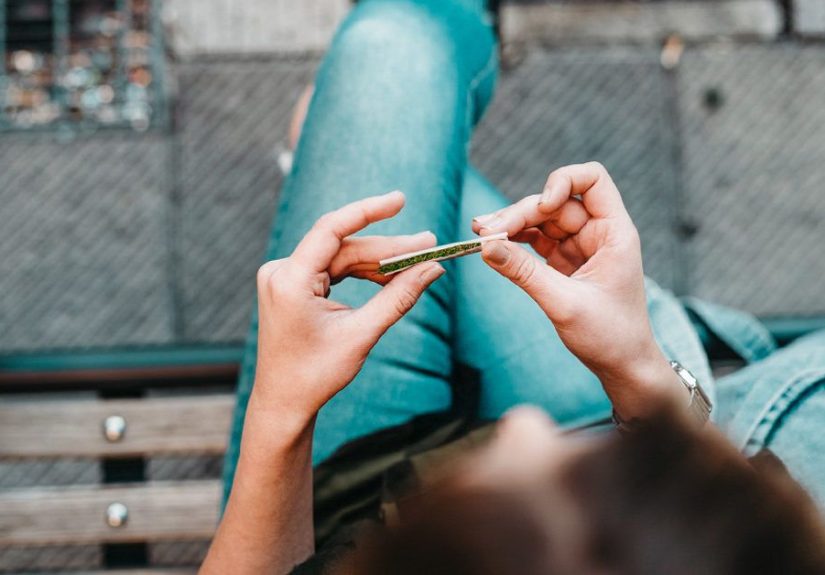
“Smoking” is shorthand for combustionburning cannabis flower in a joint, blunt, pipe, bong, or anything else that turns plant into ash and smoke.
Combustion creates fine particulate matter and releases a range of chemicals. That’s not cannabis-specific; it’s what burning anything does.
The American Lung Association summarizes it bluntly: smoke is harmful to lung health, and marijuana combustion smoke contains many of the same toxins and carcinogens as tobacco smoke.
On the symptom level, the pattern is familiar: regular smoking is associated with more chronic bronchitis episodes and worse respiratory symptoms (cough, phlegm).
The encouraging part is that symptoms often improve after quitting.
Comparing Methods: What Changes (and What Doesn’t)
People compare methods because they’re trying to reduce harmor at least reduce regret.
The truth is more nuanced: some methods reduce lung exposure to smoke, but introduce other risks (like potency, contaminants, or delayed effects).
Here’s how the major routes stack up from a health perspectivewithout pretending any method is “healthy.”
1) Smoking Flower (Joints, Blunts, Pipes, Bongs)
Smoking delivers cannabinoids quickly, which is one reason it’s popular. But it’s also the method that most directly exposes your lungs to combustion products.
According to the CDC, cannabis smoke includes many of the same toxins, irritants, and carcinogens as tobacco smoke, and smoking cannabis can increase risk of bronchitis, cough, and mucus production.
A common misconception is that water filtration (like a bong) “cleans” smoke. Filtration may cool smoke and trap some particles,
but it doesn’t magically remove combustion chemicals or make inhaling smoke harmless. If it smells like smoke and looks like smoke,
your airways will treat it like smoke.
Also worth noting: blunts can add tobacco exposure depending on the wrap, complicating lung and cardiovascular risk.
When cannabis and tobacco mix, teasing apart health impacts becomes harderand often worse.
2) Vaping THC Oils and Cartridges
Vaping is often marketed as the “cleaner” alternative because it avoids burning flower. But “not smoke” doesn’t automatically mean “safe.”
The biggest cautionary tale is EVALI (e-cigarette or vaping-associated lung injury), which was strongly linked to vitamin E acetate in some THC-containing vaping products.
Because consumers can’t reliably know what’s in all THC vaping products, the FDA warned against using THC-containing vaping products and highlighted risks tied to additives like vitamin E acetate and product modification.
Even beyond EVALI, vaping can involve high THC concentrations and exposure to heating byproducts. Long-term outcomes are still being studied,
especially as devices and formulations change quickly. In other words: today’s “smooth hit” could be tomorrow’s “why do I wheeze when I laugh?”
3) Dabbing and Concentrates (High-Potency Inhalation)
Concentrates increase potencysometimes dramatically. Higher potency can increase the likelihood of adverse effects and may raise the risk of developing cannabis use disorder.
NIDA notes that dabbing can rapidly deliver large amounts of THC, increasing risk of negative side effects.
From a “healthier method” perspective, concentrates often move you in the opposite direction: more THC delivered faster,
greater impairment risk, and potentially more dependence riskwhile still involving inhalation and heated aerosols.
4) Edibles (Gummies, Baked Goods, Drinks)
If your main concern is lung health, edibles avoid inhaling smoke entirelywhich matters. But edibles come with a different set of safety problems.
Effects can be delayed and unpredictable, increasing the risk of taking more before the first dose kicks in and leading to poisoning/over-intoxication.
Public health reports have documented serious incidents tied to overconsumption after delayed onset, underscoring why edibles deserve respect (and careful storage).
Another major concern is accidental ingestionespecially by kidsbecause some edibles resemble candy. If cannabis is in a home,
safe storage isn’t “extra”; it’s the minimum.
5) Sublingual Products and Tinctures (Non-Inhaled)
Sublingual routes (absorbing under the tongue) generally avoid combustion exposure and can have a faster onset than traditional edibles,
though effects still vary. From a lung standpoint, this is a key difference: no smoke, no hot aerosol, no ash.
The tradeoff is consistency and labelingproduct strength can vary across markets. The safest approach, medically speaking,
is discussing any cannabis use with a clinicianespecially if you have other conditions or take medications.
6) Topicals (Creams, Balms)
Topicals are often used for localized discomfort and generally don’t produce the same intoxicating effects as inhaled or edible THC,
depending on formulation. They also avoid lung exposure. But evidence for specific claims varies, and “natural” products can still irritate skin or interact with sensitivities.
Health Risks That Matter No Matter the Method
Respiratory effects (especially for inhaled routes)
The respiratory story is the clearest: inhaling combusted cannabis is associated with chronic bronchitis symptoms and other respiratory complaints,
and quitting tends to improve symptoms.
Cardiovascular concerns
Cannabis isn’t just a “lung topic.” Large observational analyses have linked cannabis useespecially frequent useto higher odds of heart attack and stroke.
The American Heart Association highlighted findings where daily use was associated with higher odds of heart attack and stroke compared to non-use.
These studies don’t prove cause-and-effect on their own, but they are strong enough to justify cautionparticularly for anyone with heart disease risk factors,
chest pain history, or family history of early cardiovascular events.
Brain, learning, and mental health (especially for teens/young adults)
For adolescents and young adults, the risk profile changes because the brain is still developing.
The U.S. Surgeon General’s advisory emphasizes potential harms to the developing brain and links frequent adolescent use with problems in attention,
memory, decision-making, and motivation.
Impairment and safety
Regardless of method, cannabis can impair reaction time, coordination, and judgment. That matters for driving, biking, swimming, cooking,
and basically any activity where gravity is waiting for a plot twist.
Secondhand Smoke: The Risk People Forget
“I’m only hurting myself” isn’t a safe assumption with smoke. Secondhand cannabis smoke includes fine particulate matter,
and the CDC notes concerns about secondhand exposure and related health effects.
If someone has asthma, COPD, is pregnant, is a child, or simply didn’t consent to breathing your hobby, smoke becomes a shared problem.
Good ventilation helps, but it doesn’t make indoor smoking “risk-free.”
If You’re Asking “Which Is Healthiest?” Here’s the Honest Answer
The healthiest option is not using cannabisespecially if you’re under 21, pregnant, have lung disease, have heart risks, or have a history of psychosis.
But if someone is looking at the landscape purely through a harm lens, the biggest divider is typically inhaled vs. non-inhaled:
avoiding combustion reduces lung exposure to smoke.
That said, “non-inhaled” doesn’t mean “safe.” Edibles can increase poisoning risk due to delayed effects and unpredictable intensity,
and high-potency products can raise the likelihood of adverse reactions and dependence.
When to Talk to a Professional (and Why It’s Not Overkill)
If cannabis is being used for symptoms like pain, sleep, anxiety, or appetite, medical guidance mattersbecause the goal is symptom relief without collateral damage.
A clinician can also help screen for drug interactions, underlying mood issues, and safer evidence-based options.
If cannabis use is starting to feel compulsive, harder to control, or is affecting school/work/relationships, help is available.
Reviews of cannabis use disorder treatments highlight behavioral therapies as core approaches, and SAMHSA provides resources for evidence-based care and treatment navigation.
Extra: Real-World “Experiences” People Report (and Clinicians Recognize)
This section isn’t a glamor reel, and it’s not instructions. It’s the kind of lived, day-to-day pattern that shows up in patient conversations,
public health reports, and the “huh, that wasn’t what I expected” moments people share with friends (or, occasionally, urgent care staff).
The Smoke Experience: “Why Am I Coughing Like a Cartoon Grandpa?”
A lot of people notice that smoking flower feels harsh on the throat and chestespecially with frequent use.
The cough and mucus thing isn’t just “being dramatic”; it lines up with the chronic bronchitis-type symptoms public health agencies describe.
People also describe a weird paradox: inhalation can feel “fast and controllable,” but it can also become habit-forming simply because the feedback loop is immediate.
Quick onset can teach your brain to reach for it the same way it reaches for doomscrolling: not because it’s a great idea, but because it’s fast.
The Vape Experience: “It’s So Easy… Which Is the Problem”
People often say vaping feels smoother and less smelly than smoking. The convenience can lower the psychological barrier to frequent use
(“It’s just a quick pull,” repeated 40 times). The health concern is that convenience and high potency can quietly increase exposure and dependence risk.
Then there’s the “mystery product” anxietyespecially after EVALI. The 2019 outbreak made a lasting impression because it showed how additives and contaminants can turn a trendy device into a serious lung hazard.
The Edible Experience: “Nothing’s Happening… Nothing’s Happening… Oh No.”
Edibles are famous for delayed onset. That delay is exactly why people get into trouble:
they assume it “didn’t work,” take more, and then the effects stack in an unpleasant way.
What does that feel like in real life? People commonly report an intensity they didn’t plan foranxiety, racing heart, paranoia, dizziness,
and a long ride they can’t simply “turn off.” This is one reason public health agencies emphasize that edibles can have delayed or unpredictable effects
and can increase the risk of poisoning.
Another very real “experience” is accidental exposure in kids. Adults may laugh about gummies, but toddlers don’t read labelsand emergency departments don’t grade on a curve.
The Concentrate Experience: “That Escalated Quickly”
With concentrates, people describe effects hitting hard and fast. That matches what NIDA warns about: rapid delivery of large amounts of THC can increase the risk of negative side effects.
In real life, “too much too fast” can look like panic, nausea, confusion, or decisions that make sense only in the moment.
High potency can also nudge people toward higher tolerance, which can turn occasional use into more frequent use without them noticing the shift.
The Social Experience: Smell, Secondhand, and “Please Don’t Hotbox My Asthma”
Cannabis use doesn’t happen in a vacuum. Smoking creates secondhand exposure and lingering odor, which can affect roommates, kids, neighbors, and anyone sharing air.
The CDC has highlighted concerns about secondhand cannabis smoke exposure and related health effects.
Social friction is a common “side effect”: people arguing about windows, fans, and whether “it’s fine” to smoke in the car (it’s not).
Add impairment and driving risk, and the “good vibes only” plan starts collecting consequences.
The Wake-Up Call Experience: When Health Concerns Get Loud
Some people start rethinking cannabis after a persistent cough, shortness of breath, anxiety spikes, or a heart-health scare.
With emerging evidence linking frequent cannabis use with cardiovascular events, these concerns aren’t just paranoiathey’re a reasonable prompt to talk to a clinician.
And if someone realizes they can’t easily cut back, that’s not a moral failureit’s a health issue.
Evidence-based treatments exist, and organizations like SAMHSA provide routes to support.
Conclusion: Better Questions Than “What’s the Healthiest Smoke?”
If you’re trying to be health-conscious, the most useful question often isn’t “Which method is healthiest?”
It’s: “Do I need this at alland what risks am I accepting?”
The science is pretty clear on the big picture: inhaling smoke is hard on lungs; vaping isn’t risk-free and has a history of serious lung injury tied to contaminated THC products;
edibles avoid lung exposure but can be riskier in terms of delayed, unpredictable intensity; and high-potency concentrates raise the odds of unpleasant effects and dependence.
If you’re under 21, pregnant, or have lung/heart/mental health vulnerabilities, the healthiest move is to avoid cannabis and talk with a healthcare professional about safer alternatives.