Table of Contents >> Show >> Hide
If you have ADHD, you have probably heard every food theory under the sun. “Cut sugar and everything will be perfect.” “Eat one magic seed and your brain will become a laser.” “Ban all fun forever.” Sadly, none of that is how real life works. The truth is both less dramatic and more useful: there is no single ADHD diet that cures attention-deficit/hyperactivity disorder, but the way you eat can absolutely influence energy, focus, mood, hunger, and day-to-day consistency.
That is why the smartest approach is not a punishment menu. It is an ADHD-friendly eating pattern built around steady meals, practical snacks, enough protein and fiber, and fewer foods that seem to trigger crashes, jitters, or chaos. For some people, that means keeping breakfast simple and savory. For others, it means noticing that a lunch of chips and soda leads to an afternoon that feels like trying to organize squirrels with a kazoo.
In this guide, we will break down the best foods for an ADHD diet, foods to avoid or limit, and realistic meal plans you can actually use. No fake miracle claims. No joyless lettuce sermons. Just practical, evidence-based advice written for actual human beings with actual schedules.
Can diet help ADHD?
Yes, but with an important asterisk the size of a grocery cart: diet helps manage ADHD; it does not replace diagnosis, medical care, therapy, school support, or prescribed medication when those are needed. Think of food as one piece of the support system. A helpful piece, yes. A magical fix, no.
Why does food matter at all? Because ADHD often overlaps with issues that eating habits can affect: uneven energy, skipped meals, impulsive snacking, poor sleep, medication-related appetite changes, and the classic “I forgot to eat until 4 p.m. and now I want twelve waffles” problem. A more balanced eating routine can reduce some of that daily turbulence.
For many people, the goal is not perfection. The goal is steadier fuel. Meals that combine protein, fiber-rich carbohydrates, and healthy fats tend to be more satisfying and less likely to lead to quick spikes and crashes. That steadier pattern may make the day feel more manageable, especially during school, work, homework, or long stretches of concentration.
Best foods for an ADHD-friendly diet
1. Protein-rich foods
Protein is the workhorse of an ADHD meal plan. It helps meals feel more filling, slows digestion when paired with carbohydrates, and supports steadier energy. It is especially helpful at breakfast, when many people with ADHD do better with something more substantial than a pastry and a prayer.
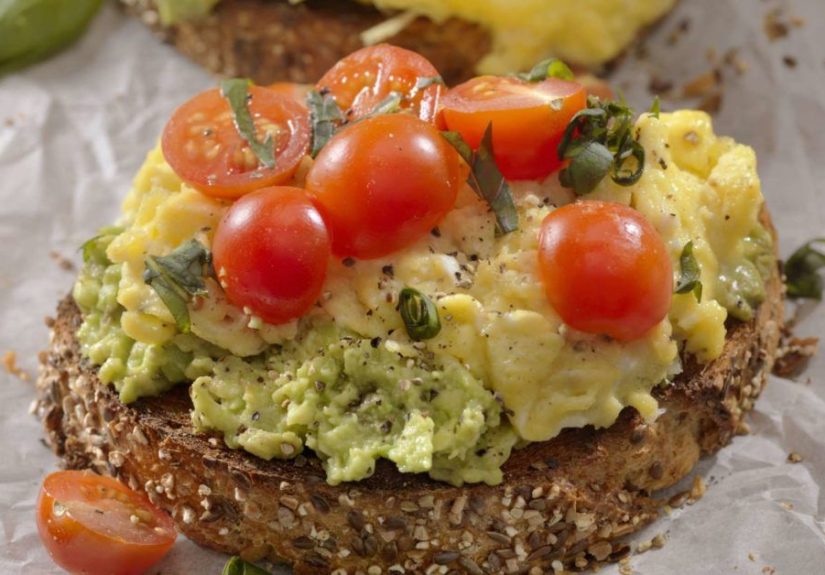
Good choices include eggs, Greek yogurt, cottage cheese, tofu, tempeh, beans, lentils, chicken, turkey, lean beef, tuna, salmon, and edamame. Nut butters, nuts, and seeds can also help, especially when time is short. A breakfast of eggs and toast, Greek yogurt with berries and chia seeds, or oatmeal with peanut butter is usually a stronger move than a sugary cereal that disappears from your system in record time.
2. High-fiber carbohydrates
Carbs are not the villain in this story. The trick is choosing the ones that come with fiber and staying power. Fiber helps slow digestion and can make energy feel less like a roller coaster and more like a train that arrives roughly when expected.
Helpful options include oats, whole-grain bread, brown rice, quinoa, barley, beans, lentils, sweet potatoes, apples, pears, berries, oranges, carrots, broccoli, and leafy greens. These foods also make meal planning easier because they pair well with almost everything. Oatmeal, grain bowls, bean soups, wraps, and baked potatoes are not glamorous, but they get the job done.
3. Omega-3-rich foods
Omega-3 fats get a lot of attention in ADHD conversations, and for decent reason. Research suggests they may help some people, though the effect is usually modest and not as strong as standard ADHD treatments. In food form, though, omega-3s are an easy win.
Try fatty fish such as salmon, sardines, trout, and herring one to two times a week if you eat seafood. Plant-based sources include chia seeds, ground flaxseeds, walnuts, and soy foods. A spoonful of ground flaxseed in oatmeal or yogurt is one of those tiny habits that somehow makes you feel like the kind of person who owns matching food containers.
4. Fruits and vegetables with color, crunch, and convenience
Produce is not just there to decorate the plate and make everyone feel morally superior. Fruits and vegetables provide fiber, vitamins, minerals, and antioxidants, and they help round out meals without requiring a nutrition degree.
ADHD-friendly produce is often the produce you will actually eat. Baby carrots, sliced cucumbers, snap peas, apples, bananas, berries, grapes, cherry tomatoes, frozen vegetables, salad kits, and microwave-steam veggie bags all count. Convenience matters. A perfect cauliflower that rots in your crisper is less useful than frozen broccoli you will eat tonight.
5. Iron-, zinc-, and magnesium-containing whole foods
Some studies have explored whether low levels of nutrients such as iron, zinc, or magnesium may play a role for some people with ADHD. That does not mean everyone with ADHD needs supplements. It does mean a varied diet matters, and suspected deficiencies should be discussed with a healthcare professional instead of guessed at in the supplement aisle.
Food sources include lean meats, beans, lentils, pumpkin seeds, spinach, fortified cereals, yogurt, nuts, and whole grains. In plain English: real meals beat random megadoses. If a deficiency is suspected, testing and individualized advice are far smarter than supplement roulette.
6. Simple, hydrating drinks
Water, milk, and fortified soy milk are dependable choices. Hydration will not “treat” ADHD, but dehydration can make concentration and fatigue worse. Also, many people with ADHD forget to drink water all day and then wonder why their brain feels like an old browser with 49 tabs open.
Try keeping a visible water bottle nearby, using a straw if it helps, or linking hydration to routines like meals, class changes, or work breaks.
Foods to avoid or limit
1. Highly sugary foods and drinks
Let’s be precise here: sugar does not cause ADHD. But meals that are mostly sugar can lead to quick energy spikes followed by crashes, which may feel terrible if attention and impulse control are already a challenge. Soda, energy drinks, candy-heavy snacks, sweet coffee drinks, and desserts eaten in place of meals are the usual suspects.
You do not need to ban birthday cake and become the household villain. Instead, try to pair sweet foods with meals or protein-containing snacks. A cookie after lunch lands differently than three cookies as lunch.
2. Ultra-processed foods that crowd out real meals
Packaged snacks are not evil. They are convenient. But if most of the day is built from chips, pastries, sugary cereals, fast-food combos, and grab-and-go treats, it becomes harder to get the protein, fiber, and overall nutrient quality that supports more stable energy.
Think of ultra-processed foods as “sometimes foods,” not dietary wallpaper. They fit better as part of a fuller meal or snack rather than the entire plan.
3. Artificial colors and certain additives if you notice a pattern
This is where nuance matters. Food additives do not cause ADHD in the general sense, and most children do not have behavioral effects from color additives. However, some children do seem sensitive to certain synthetic colors or preservatives. If you repeatedly notice worse irritability, restlessness, or hyper behavior after specific brightly colored processed foods, it may be worth tracking patterns.
The key word is tracking. Not panic. Not blaming every blue cupcake in America. Keep a simple food-and-symptom note for a few weeks, and if the same pattern shows up again and again, talk with a pediatrician, physician, or registered dietitian before making major restrictions.
4. Energy drinks and oversized caffeine habits
Caffeine is tricky. Some adults use it strategically, but large amounts can backfire with jitteriness, anxiety, sleep disruption, and appetite changes. Energy drinks are especially messy because they often deliver caffeine plus a pile of sugar in one neon can of bad decisions.
For children and teens, caffeine-heavy routines are generally not a great idea. For adults, moderation matters, timing matters, and sleep still matters. A focus strategy that destroys your sleep is usually a boomerang.
5. Overly restrictive “miracle” diets
If a plan cuts out half the grocery store, requires seventeen powders, and sounds like it was invented by a person who fears blueberries, be cautious. Extremely restrictive diets can reduce diet quality, increase stress around food, and be hard to sustain. Elimination diets may be useful in select cases, but they should be structured and supervised so you do not end up with less nutrition and more frustration.
How to build an ADHD meal plan that actually works
The best ADHD meal plan is not the fanciest one. It is the one you can repeat on a hectic Tuesday.
Use a simple meal formula
A practical plate looks like this:
- Half the plate: fruits and vegetables
- One quarter: protein
- One quarter: whole grains or another fiber-rich carbohydrate
- Add a healthy fat: olive oil, avocado, nuts, seeds, or nut butter
This formula works for kids, teens, and adults because it is flexible. Chicken with brown rice and broccoli fits. So does tofu, quinoa, roasted vegetables, and avocado. So does a turkey sandwich on whole-grain bread with fruit and carrots.
Make breakfast easier, not more ambitious
If mornings are chaotic, choose three breakfasts and repeat them. For example: eggs and toast, Greek yogurt with fruit and nuts, or overnight oats with peanut butter and berries. Repetition is not boring when the alternative is skipping breakfast and becoming emotionally attached to a vending machine by 10 a.m.
Plan for forgotten hunger
People with ADHD often do not notice hunger until it becomes urgent. Keep easy snacks where you need them: backpack, desk, car, kitchen, work bag. Good options include trail mix, cheese sticks, roasted chickpeas, apples with peanut butter, yogurt cups, hard-boiled eggs, hummus with crackers, or a simple protein bar with moderate sugar.
Work around medication appetite changes
Some ADHD medications reduce appetite, especially earlier in the day. In that case, it may help to front-load nutrition before medication kicks in, use smaller nutrient-dense meals during the day, and make dinner count. Smoothies with yogurt, milk, fruit, oats, and nut butter can also be useful when chewing feels like a lot.
Sample 3-day ADHD meal plan
Day 1
Breakfast: Greek yogurt with blueberries, chia seeds, and a small handful of walnuts; whole-grain toast.
Snack: Apple slices with peanut butter.
Lunch: Turkey and avocado wrap on a whole-grain tortilla with baby carrots and hummus.
Snack: Cheese stick and whole-grain crackers.
Dinner: Baked salmon, brown rice, and roasted broccoli.
Day 2
Breakfast: Oatmeal made with milk, stirred with ground flaxseed and almond butter, topped with banana slices.
Snack: Cottage cheese with pineapple.
Lunch: Quinoa bowl with black beans, corn, cherry tomatoes, spinach, and olive oil-lime dressing.
Snack: Trail mix with nuts and pumpkin seeds.
Dinner: Chicken fajita bowl with peppers, onions, brown rice, lettuce, salsa, and avocado.
Day 3
Breakfast: Scrambled eggs, whole-grain toast, and strawberries.
Snack: Yogurt cup and a pear.
Lunch: Tuna salad sandwich on whole-grain bread with cucumber slices and grapes.
Snack: Roasted edamame or hummus with pita.
Dinner: Lentil pasta with turkey meatballs or tofu crumbles, marinara sauce, and a side salad.
Vegetarian swaps: Replace fish or meat with tofu, tempeh, lentils, beans, edamame, eggs, or dairy-based proteins where appropriate.
When to talk to a doctor or registered dietitian
Get professional help if ADHD medication is suppressing appetite enough to affect growth, weight, or energy; if your child is an extremely selective eater; if you suspect food sensitivities; if there are stomach issues, fatigue, or possible nutrient deficiencies; or if you are considering a major elimination diet. Personalized advice is worth it. The internet is full of confidence, but not always accuracy.
Experience-based lessons from real ADHD eating routines
Real-life ADHD eating rarely looks like a perfect meal-prep video. It looks more like this: a parent realizes their child does much better with eggs and toast than with rainbow cereal; a college student learns that forgetting lunch makes afternoon classes feel impossible; an adult notices that a protein-heavy breakfast leads to fewer snack attacks at 11 a.m.; a family experiments with fewer brightly colored processed snacks and sees calmer evenings; someone on stimulant medication discovers that a smoothie in the morning and a stronger dinner later works better than forcing three large meals.
One common experience is the breakfast battle. Many people with ADHD either skip breakfast or eat something very sweet because it is fast. Then midmorning hits, focus falls apart, and hunger barges in like a marching band. Switching to a breakfast with protein and fiber does not transform life overnight, but people often describe feeling more level, less ravenous, and less likely to hunt for emergency pastries before noon.
Another frequent pattern is the “nothing sounds good” problem, especially when medication lowers appetite. In those cases, families and adults often do better when they stop insisting that every meal be large and traditional. Smaller meals can work. Snack plates can work. Smoothies can work. Yogurt with nut butter and fruit can work. The lesson is that nutrition still counts even when appetite is low. Sometimes flexibility is healthier than forcing a textbook meal.
There is also the issue of convenience. People with ADHD do not always struggle because they do not know what healthy food is. They struggle because washing spinach, roasting vegetables, and marinating chicken at 6:17 p.m. can feel like building a cathedral. The most successful routines usually involve lowering the friction: pre-cut fruit, frozen vegetables, microwave rice, rotisserie chicken, canned beans, cheese sticks, and repeating meals without guilt. “Easy” is not lazy. Easy is often what makes consistency possible.
Some families also describe becoming detectives, in a good way. Instead of assuming every behavior change is caused by food, they observe patterns. Does a certain dyed sports drink seem to line up with restlessness every single time? Does a lunch with protein actually help homework go more smoothly? Do long gaps without food make emotions bigger and patience smaller? That kind of observation is much more useful than chasing online myths.
The biggest experience-based lesson is simple: the best ADHD diet is usually the one that is balanced, predictable, flexible, and realistic. It leaves room for pizza night, school schedules, busy mornings, growth spurts, medication timing, budget limits, and human joy. It is not about eating like a robot. It is about building a food routine that makes daily life a little steadier and a lot less exhausting.
Conclusion
An ADHD-friendly diet is not a miracle cure, but it can be a powerful support tool. Focus on protein-rich foods, fiber-filled carbohydrates, omega-3 sources, fruits, vegetables, and consistent meal timing. Limit the foods that seem to trigger energy crashes or behavioral chaos, and be cautious with highly processed snacks, giant caffeine hits, and restrictive plans that make life harder. Start small, pay attention to patterns, and aim for meals that are easy enough to repeat. Because when food works with your brain instead of against it, the whole day tends to feel more manageable.