Table of Contents >> Show >> Hide
- What Is Yellow Ware, Exactly?
- A Short History of America’s Favorite Kitchen Workhorse
- Why Antique Yellow Ware Bowls Are Still So Loved
- Classic Styles: What Your Yellow Ware Bowl Might Be
- How to Identify an Antique Yellow Ware Bowl (Without Guessing Loudly)
- Dating Clues Collectors Actually Use
- Condition Matters: What’s “Acceptable” and What’s a Dealbreaker?
- What Makes an Antique Yellow Ware Bowl Valuable?
- Where to Find Antique Yellow Ware Bowls (and How to Buy Smarter)
- Care and Display: Keep the Charm, Lose the Damage
- Is Antique Yellow Ware Safe for Food Use?
- Common Confusions: “Yellow Ware” Isn’t Always Yellow Ware
- Quick Collector Checklist
- FAQ
- Hands-On Moments: of Yellow Ware Bowl Experiences
- Conclusion
An antique yellow ware bowl is basically the original “mixing bowl influencer”:
sturdy, practical, and somehow still photogenic after a century of dough, gravy, and questionable kitchen decisions.
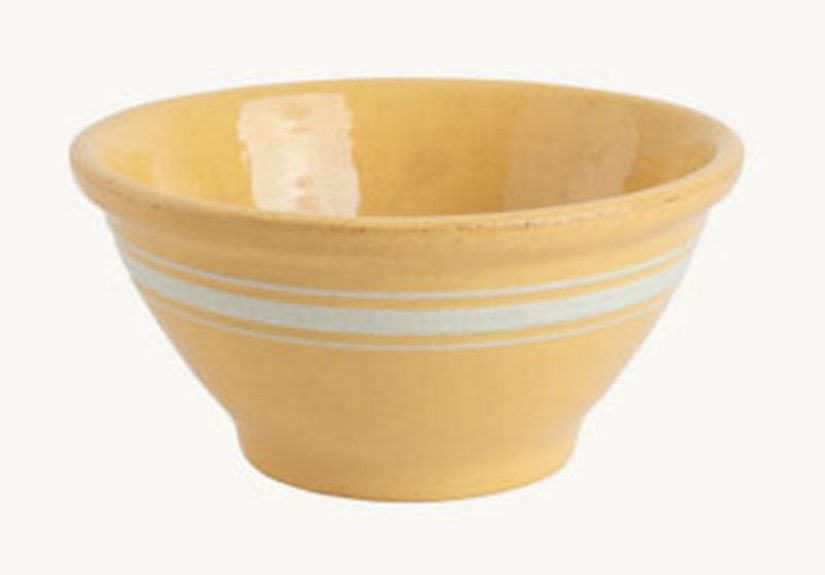
If you’ve ever seen a warm mustard-colored bowl with crisp bands or a brown mottled glaze and thought,
“I need that on my counter immediately,” you’ve met yellow ware.
This guide breaks down what yellow ware is, why it became a staple of American kitchens, how to identify and date an
antique bowl, what impacts value, and how to care for (and safely enjoy) your findwithout turning your breakfast into a
chemistry experiment.
What Is Yellow Ware, Exactly?
Yellow ware (also written “yellowware” or “yellow ware”) is a type of earthenware made from clays that fire to
a buff-to-yellow body. Many pieces are finished with a clear glaze that shows off that sunny clay toneranging from pale
butter to deep mustard. In plain English: it’s pottery that looks like it’s been lightly toasted by history.
Most antique yellow ware bowls you’ll see were everyday workhorses: mixing, stirring, proofing dough, holding eggs, or
doing whatever your great-great-grandmother needed before plastic, stand mixers, and “just order delivery” existed.
A Short History of America’s Favorite Kitchen Workhorse
Yellow ware’s story starts across the Atlantic and then becomes very American, very fast. Yellow-firing clays were used in
Britain in the late 1700s, and production and know-how later spread to North America. In the United States, yellow ware
took off in the 1800s as potteries scaled up to supply affordable, durable kitchen and sanitary wares to growing households.
One major hub was East Liverpool, Ohio, a pottery powerhouse that helped feed the country’s appetite for utilitarian
ceramics. Historical accounts connect early American Rockingham and yellow ware production with immigrant potters and
firms that moved and cross-pollinated across regionsOhio, New Jersey, Maryland, and beyondbuilding a nationwide industry.
Archaeology backs up the “everyday object” status: because yellow ware was common kitchen and sanitary ware, it often broke,
got replaced, and was tossed rather than treasured. That’s why urban archaeological digs can surface lots of fragments, while
pristine, complete bowls feel like minor miracles.
Why Antique Yellow Ware Bowls Are Still So Loved
Yellow ware bowls hit the sweet spot between “useful” and “beautiful.” The forms are simple, the color is warm, and the
decoration is often minimalbands, slip lines, or glaze effects that look good in modern farmhouse décor, maximalist vintage
kitchens, or minimalist spaces that need one honest pop of warmth.
They were built for real cooking
Many were thrown, pressed, or molded into nesting setsoften spanning multiple sizes. A big bowl for bread dough, a medium
bowl for batter, a smaller bowl for eggs, and the tiniest one for “secret ingredients” (which, historically, was probably just salt).
They look even better with a little age
Light crazing (fine crackle lines in the glaze), utensil marks, and gentle wear can add characterso long as the bowl remains
structurally sound. Yellow ware is one of those collectibles where “perfect” isn’t always the whole point.
Classic Styles: What Your Yellow Ware Bowl Might Be
1) Banded yellow ware (annular / dipped styles)
Banded bowls are the poster children of yellow ware collecting: clean stripes in white, brown, blue, or mocha tones circling the bowl.
Many of these decorations were made with liquid clay slipspoured, banded, trailed, or dipped to create lines and rings.
The result is simple, graphic, and weirdly modern for something that predates the light bulb in your ceiling.
2) Mocha-style decoration (including dendritic “seaweed” looks)
Some yellow ware overlaps with decorative traditions often described with “mocha” languagethink feathery or branching motifs
that look like seaweed, lightning, or tiny trees that got really into abstract art. Collectors love these for the extra visual drama.
3) Rockingham-style brown glaze (mottled, spattered, or “tortoiseshell” vibes)
Another common look is a rich brown glaze effectsometimes mottled, sometimes drippy, sometimes spongedoften discussed alongside
Rockingham traditions in American pottery history. These bowls can feel more rustic and bold, like the bowl equivalent of a cast-iron skillet.
4) Molded forms and special rims
Beyond plain round bowls, you’ll see molded motifs, footed bases, and distinctive rims (including rolled lips). These details can help
narrow age and manufacturing method, and they often boost collector interest.
How to Identify an Antique Yellow Ware Bowl (Without Guessing Loudly)
Authentication is part detective work, part common sense, and part learning what “normal” looks like. Here’s a practical checklist.
Look at the clay color (the “paste”)
Yellow ware bodies generally fire buff-to-yellow. Variation is normal. A deep mustard tone doesn’t automatically mean “older,” and a pale
buttery tone doesn’t automatically mean “new.” Clay sources and firing conditions matter.
Study the glaze
Many antique yellow ware bowls have a clear glaze. Over time, you may see crazing, staining, or wearespecially on the interior where
mixing happened. A glossy, super-uniform surface can suggest a later piece or a reproduction, though there are exceptions.
Check the construction method
Earlier pieces are often simpler in form, while later mass production favored molds and standardized shapes. Look for subtle throwing rings,
mold seams, and consistent thickness. A bowl can be “old” and still look fairly cleanso don’t rely on grime as your primary dating tool.
Search for marksbut don’t expect them
Many yellow ware pieces are unmarked. When marks exist, they can be stamped, impressed, or printed, and they may indicate a later period
or a specific maker. No mark doesn’t mean “fake.” It often means “normal.”
Measure the size and imagine the set
Yellow ware mixing bowls were commonly produced as nesting sets, spanning small to very large diameters. If you find a single bowl,
it may once have had siblings. (Somewhere, a lonely “missing bowl” is also waiting for you at a flea market. Destiny is weird.)
Dating Clues Collectors Actually Use
Because marks are inconsistent, collectors often use a combination of form, decoration, and manufacturing clues. Here are the tells that
tend to matter most:
- Rim style: rolled lips and certain rim profiles can hint at time period and factory methods.
- Foot and base: footed bases, defined rings, and finishing techniques can be diagnostic.
- Decoration type: banding and slipped decoration styles often align with broader trends in dipped and factory-made slipwares.
- Overall silhouette: deeper bowls for dough, wide shallow bowls for serving, and specific utility shapes can match historical uses.
Condition Matters: What’s “Acceptable” and What’s a Dealbreaker?
In antiques, “perfect” is rare. In yellow ware, a little wear can be charming. The key is distinguishing charm from structural problems.
Usually acceptable (and often expected)
- Light glaze crazing
- Minor utensil marks or interior scuffs
- Small rim nicks (especially on heavily used mixing bowls)
- Surface discoloration consistent with age
Proceed with caution
- Hairline cracks: can spread, especially if the bowl is moved often or exposed to temperature changes.
- Repairs/restoration: may be fine for display, but affect value and long-term stability.
- Large chips or missing chunks: can still look great in a “primitive” display, but price should reflect condition.
What Makes an Antique Yellow Ware Bowl Valuable?
Yellow ware is famous for being both collectible and (often) approachable in price. Value depends less on “it’s old” and more on a mix of
desirability factors:
Size and rarity
Extremely large bowls, tiny bowls, and complete nesting sets tend to command more attention. Large bowls also create instant visual impact
in kitchen stylingaka “the centerpiece effect.”
Decoration and visual punch
Crisp banding, unusual color combinations, and bold mocha-like motifs can raise interest. Rockingham-style brown glaze effects can also be
especially desirable when the pattern is dramatic and the surface is well preserved.
Provenance and maker attribution
If a bowl can be linked to a known pottery region or maker (even tentatively, by mark or documented form), it may become more appealing
to collectors who focus on American ceramic history.
Condition (with context)
A pristine bowl is attractive, but a tastefully worn bowl can still be highly collectibleespecially if the form and decoration are strong.
The best rule: pay for what you can see, not what you hope is hidden under the glaze.
Where to Find Antique Yellow Ware Bowls (and How to Buy Smarter)
Yellow ware shows up in antique malls, estate sales, flea markets, and online marketplaces. If you’re buying in person, bring a small flashlight
and do a quick “tilt and scan” for hairlines and repairs.
Smart buying tips
- Inspect the rim first: chips and cracks love to start where bowls get banged.
- Check the base: look for stable sitting and signs of old repairs.
- Ask about restoration: reputable sellers will disclose it.
- Beware of “too perfect” claims: especially when paired with fuzzy photos and dramatic adjectives.
Care and Display: Keep the Charm, Lose the Damage
Yellow ware is tough, but it’s still antique pottery. Treat it like a cool older relative: supportive, respectful, and not dragged into extreme temperature changes.
Cleaning
- Use gentle soap and warm water; avoid harsh abrasives that can scratch glaze.
- Skip the dishwasher for antiquesheat + detergent + banging = heartbreak.
- Dry thoroughly, especially around the foot ring, to avoid moisture sitting in crazing lines.
Displaying
- Nesting sets look great stacked, but consider felt pads or soft liners between bowls.
- For wall shelves, use plate stands or secure supportsgravity is undefeated.
- If you’re styling a kitchen, pair yellow ware with wood, linen, copper, or iron for an effortlessly “collected” look.
Is Antique Yellow Ware Safe for Food Use?
This is the question that makes collectors pause mid-admire. Here’s the practical answer:
many antique ceramics may pose risks if glazes contain or leach lead, especially when items are old, worn, or damaged.
Public-health guidance flags antiques and worn ceramicware as higher-risk categories.
If you want to be extra cautious (and most people do), treat antique yellow ware as display or dry-food servingthink fruit with peels,
wrapped rolls, or decor. If you want functional yellow ware for mixing batter, consider buying modern, food-safe pottery made for that purpose.
When in doubt, use a reputable lead test approach and follow current safety guidance for vintage dishware.
Common Confusions: “Yellow Ware” Isn’t Always Yellow Ware
Two mix-ups happen all the time:
1) Rockingham vs. yellow ware
Rockingham can refer to a brown glaze tradition and (in American usage) can overlap with yellow-bodied earthenware covered in brown glaze effects.
You’ll see bowls described with both terms, especially when the body is yellow and the surface has that classic brown mottling.
2) “Yellowware” in other contexts
Some archaeological and collecting language also uses “yellow ware” terms for entirely different traditions in different regions (for example, some
Southwestern Native American ceramic typologies). Those are distinct and typically not confused once you see the materials, forms, and motifs.
Quick Collector Checklist
- Main look: buff-to-mustard clay body + clear glaze and/or banded/slip decoration
- Most common forms: nesting mixing bowls, serving bowls, kitchen utility pieces
- Key regions in U.S. history: multiple centers, with notable production history tied to places like East Liverpool, Ohio
- Best buying habit: inspect rim + base + interior under good light
- Care habit: gentle hand wash, avoid harsh heat swings
FAQ
How can I tell if my yellow ware bowl is antique or a reproduction?
No single clue is perfect, but combinations help: surface wear patterns that make sense, glaze character (including age-appropriate crazing),
form consistency with known historic types, and any maker’s mark. Very uniform finishes and “brand-new” interiors can suggest newer production.
Are chips and crazing a dealbreaker?
Not always. Light crazing and small rim nicks are common. Large chips, spreading cracks, or heavy restoration should reduce price and shift the bowl
toward display-only use.
What’s the most collectible style?
Many collectors chase crisp banded bowls and dramatic mocha-like motifs. Others love Rockingham-style brown glaze for the bold, rustic look.
The “best” style is the one that makes you stop at a booth and whisper, “Okay… you’re coming home with me.”
Hands-On Moments: of Yellow Ware Bowl Experiences
Collectors often describe the first time they hold a true antique yellow ware bowl as a surprisingly sensory momentlike shaking hands with the past,
except the past is heavy and slightly dusty and makes you want to check the rim for hairlines. The weight is the first giveaway. Even before you know
the terminologybanded, annular, mocha, Rockinghamyou feel that this thing was made to work. It’s not delicate “special occasion” china. It’s the bowl
that showed up on a Monday, handled bread dough, and still clocked in on Tuesday without complaining.
Then there’s the “light test” ritual. You tilt the bowl toward a window or a booth lamp and watch the glaze come alive. Crazing can look like a tiny
map of rivers. Interior wear rings can tell you where a whisk or wooden spoon spent years doing cardio. Some people fall in love with flawless pieces;
others prefer the honest, slightly imperfect ones because they look like they’ve earned their place on the shelf. A small nick on the lip might read as
damage to one buyer and “proof of a real kitchen life” to another.
The fun part is how quickly yellow ware turns into a scavenger hunt. You start noticing color temperatureswarm butter versus deep mustardand you
begin recognizing banding choices the way you recognize a friend’s handwriting. A crisp white band on yellow clay can look sharp and modern; a brown-and-cream
combo feels cozy and old-world. And when you finally spot a bowl with a bolder decorative flourishmaybe a feathery, dendritic motif that looks like seaweed
decided to doodleyou get that collector adrenaline spike: the one that says, “Don’t act excited. Casually pick it up. Pretend you don’t care. Ask the price
with your calmest voice.” (Your heartbeat will ignore the plan.)
Many collectors also talk about the “countertop effect.” You bring a bowl home, set it out, and suddenly your kitchen looks more lived-inin a good way.
Yellow ware plays well with wood cutting boards, linen towels, cast iron, and copper. It makes modern spaces feel warmer and vintage spaces feel more authentic.
And if you ever find two bowls that clearly nested together once upon a time, the satisfaction is oddly disproportionate, like reuniting long-lost siblings who
now get to stack neatly again.
Over time, you learn to buy with both eyes and brain. You get better at spotting repairs, feeling for roughness along the rim, and recognizing when a “perfect”
bowl seems suspiciously new. You also learn when to walk awayusually when a crack is trying to hide in the glaze like it’s playing stealth mode. But even then,
yellow ware keeps its charm. It’s the kind of collectible that doesn’t demand perfection. It asks for appreciation, a little care, and maybe a good spot where the
morning light can hit those bands and remind you why you started looking in the first place.
Conclusion
An antique yellow ware bowl is more than vintage kitchen décorit’s a snapshot of everyday American life, when pottery was practical, affordable,
and made to be used hard. Whether you’re collecting for history, styling, or the thrill of the hunt, focus on form, glaze, decoration, and condition.
And if you choose to use antique ceramics around food, do it thoughtfully and safely. The best yellow ware pieces don’t just sit there looking pretty
they make your whole kitchen feel like it has a story.