Table of Contents >> Show >> Hide
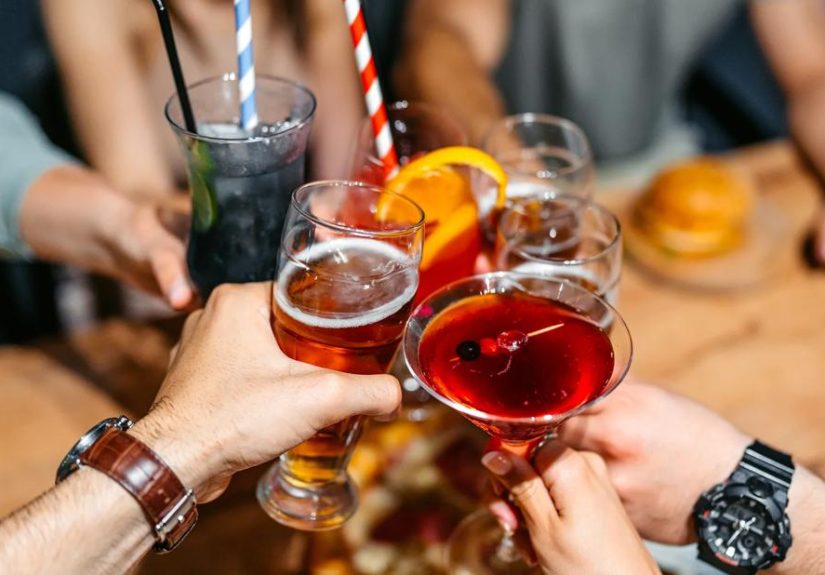
Short answer: Yes drinking alcohol can cause or contribute to back pain, but usually indirectly. Heavy or chronic drinking is most often the culprit, and the ways alcohol affects your muscles, nerves, organs, hydration, weight, and pain processing can all play a role. Read on for a clear, science-grounded look at how booze and backaches sometimes go hand-in-hand plus real-life experiences and practical tips for what to do next.
How alcohol and the body connect to back pain
There isn’t a single magic bullet that says “alcohol → back pain” for everyone. Instead, alcohol can influence a handful of systems that either cause new pain or make existing spine and muscle problems worse. Clinically important pathways include dehydration, muscle toxicity (alcoholic myopathy), nerve damage, organ-related referred pain (for example pancreatitis), weight gain and inflammation, and changes in how the brain processes pain.
1. Dehydration and muscle cramping
Alcohol is a diuretic: it increases urine output and can leave you dehydrated if you don’t replace fluids. Dehydration reduces the water content in intervertebral discs and makes muscles cramp more easily, which can show up as aching or spasms in the lower back. For people prone to muscle cramps, even a single night of heavy drinking can mean stiffness and pain the next day. This mechanism is one good reason clinicians recommend moderating alcohol when managing musculoskeletal pain.
2. Alcoholic myopathy direct muscle injury
With heavy or long-term drinking, alcohol can be toxic to skeletal muscle. The medical term is alcoholic myopathy, which can present as muscle weakness, tenderness, and pain. Acute alcoholic myopathy sometimes follows a binge episode and causes marked aching and weakness; chronic alcoholic myopathy develops over time and leads to muscle wasting and persistent discomfort. If the muscles supporting your spine are weakened or painful, your back will feel it.
3. Nerve damage and neuropathic pain
Alcohol-related neuropathy (damage to peripheral nerves) can cause burning, stabbing, or aching sensations in the limbs and trunk. Although neuropathy classically affects the feet and hands, changes in nerve function and pain modulation caused by alcohol can worsen or alter back pain, especially in people who already have spine pathology. Chronic drinking also alters pain pathways in the brain and spinal cord, potentially increasing sensitivity to pain.
4. Organ problems that refer pain to the back
Some alcohol-related medical issues cause abdominal pain that radiates to the back. Acute and chronic pancreatitis inflammation of the pancreas commonly cause severe upper abdominal pain that radiates through to the back and between the shoulder blades. Because pancreatitis is frequently caused or worsened by excessive alcohol use, unexplained severe back or upper abdominal/back pain after drinking should prompt urgent medical evaluation.
5. Weight gain, inflammation, and mechanical strain
Regular alcohol use particularly caloric beverages and opportunistic late-night eating while drinking can contribute to weight gain. More body weight increases mechanical load on the lumbar spine and can accelerate degenerative changes that cause back pain. Alcohol also promotes systemic inflammation in some users, which can aggravate aches and arthritis-related spine pain. Public health guidance highlights that drinking more than a couple of drinks a day poses musculoskeletal risks.
What the research says
Population studies and reviews paint a nuanced picture. Large reviews find that heavy and dependent drinking is associated with chronic and complex low back pain, though casual or moderate consumption does not show a consistent direct effect for most people. Experimental and clinical data document alcoholic myopathy and alcohol-triggered pancreatitis as concrete, medically recognized causes of pain that can involve the back. Finally, research into alcohol and pain processing shows that alcohol affects central pain pathways and that people with chronic pain are more likely to misuse alcohol creating a bidirectional risk.
Common scenarios where alcohol and back pain meet
- Binge night + next-day stiffness: Dehydration and muscle fatigue cause cramps and soreness.
- Long-term heavy drinking: Alcoholic myopathy leads to persistent weakness and ache in the back muscles.
- Alcohol-related pancreatitis: Severe upper abdominal pain that radiates to the back; this is a medical emergency.
- People with chronic spine problems: Alcohol may heighten pain sensitivity and interfere with sleep, recovery, and rehabilitation.
- Older adults on medications: Alcohol interacts with pain medicines and antidepressants, increasing fall risk and complicating back pain management.
How to tell if alcohol is making your back worse
Look for patterns. Do you notice more stiffness, cramps, or flare-ups after heavy drinking? Does cutting back improve your symptoms? Warning signs that require urgent care include severe persistent upper abdominal pain that radiates to the back (possible pancreatitis), sudden weakness or numbness in the legs, fever with back pain, or new bowel/bladder changes. For less dramatic symptoms, tracking alcohol use alongside pain levels for a few weeks often shows whether there’s a correlation.
Practical steps to reduce alcohol-related back issues
- Hydrate: Replace lost fluids during and after drinking (water, electrolyte drinks).
- Moderate intake: Stick to recommended limits (if you choose to drink). The less you drink, the lower the risk to muscles, nerves, and organs.
- Eat and move: Avoid heavy late-night eating that adds calories; gentle stretching the next day can relieve muscle stiffness.
- Watch for red flags: Intense upper abdominal/back pain, fainting, blood in urine, or sudden neurological changes need immediate attention.
- Talk to your clinician: If you suspect alcoholic myopathy, neuropathy, or pancreatitis, a doctor can run tests (bloodwork, imaging, nerve studies) and recommend treatment.
Treatment & clinical considerations
Treatment depends on cause. Dehydration and muscle cramps respond to fluids, electrolytes, and rest. Alcoholic myopathy requires stopping alcohol and nutritional support; recovery can be slow and, in chronic cases, incomplete. Pancreatitis often needs hospitalization for fluids, pain control, and monitoring. If alcohol is being used to self-medicate for chronic pain, addressing the underlying pain, treating alcohol use disorder, and coordinating care with physical therapy and behavioral health is critical.
Realistic expectations
For many people, occasional moderate drinking will not trigger back pain. For others especially heavy drinkers, people with prior spine conditions, or those who binge alcohol can be a clear risk factor. Because alcohol can operate through multiple physiological routes (muscle toxicity, nerve changes, organ inflammation, dehydration, weight gain), it’s wise to treat unexplained or worsening back pain as a signal to evaluate drinking habits as part of a broader health assessment.
Conclusion
Drinking alcohol can cause or contribute to back pain in multiple ways most commonly indirectly (dehydration, weight, nervous system changes) and sometimes directly (alcoholic myopathy, pancreatitis). If you notice a consistent pattern linking alcohol and poorer back outcomes, cutting back is a reasonable, low-risk experiment with potential high payoff. Severe symptoms intense abdominal pain radiating to the back, new weakness, fever, or bladder/bowel changes require urgent evaluation.
Meta information for publication:
After a bachelorette party, I had a hangover and an unexpected, sharp low-back spasm that didn’t respond to ibuprofen. I learned later that dehydration and poor sleep likely left my lumbar muscles tight and vulnerable. Rehydration and a few days of rest fixed it and now I avoid multiple consecutive heavy-drinking nights.
“Slow decline chronic weakness”
A man in his 50s drank heavily for decades and noticed gradually worsening fatigue and back muscle weakness. Tests eventually showed alcoholic myopathy. Stopping alcohol and nutritional rehab helped arrest the decline, but his recovery was partial a cautionary tale that chronic use can cause lasting muscle damage.
“Terrifying upper abdominal pain”
One woman drank heavily for years and woke with severe mid-epigastric pain that radiated to her back. She was diagnosed with acute pancreatitis and required hospitalization. The episode changed her; she quit drinking and started medical follow-up. This type of referred back pain is intense and a true emergency.
“Self-medication that backfires”
Several people with chronic spine pain told me they used alcohol to “take the edge off.” Initially it helped with anxiety and sleep, but over months their pain became less controllable, sleep worse, and they developed tolerance and dependence. After a combined pain-treatment and sobriety program, many reported improved pain control and function without relying on booze.
“Older adults and medications”
An older friend mixed alcohol with sleep meds and painkillers, fell, and developed a compression fracture. Alcohol’s interaction with medicines and balance made a bad situation worse. After surgery and rehab, we tightened rules on alcohol at our family gatherings.
Takeaway from stories: Patterns matter. A single night’s drinking will bother some people and leave others unscathed. Recurrent or escalating pain tied to drinking or sudden severe pain after drinking should prompt professional assessment. Moderation, hydration, and honest conversations with clinicians are practical first steps. When in doubt, treat severe abdominal/back pain as urgent.