Table of Contents >> Show >> Hide
- What Bleach Actually Does in a Bathroom
- When Bleach Helps in the Bathroom
- When Bleach Does Not Help Much
- Where You Should Not Use Bleach in the Bathroom
- How to Use Bleach Safely in the Bathroom
- Better Alternatives to Bleach for Many Bathroom Jobs
- The Best Rule of Thumb
- Bathroom Bleach in Real Life: What People Actually Experience
- Conclusion
Bleach has a certain reputation in the bathroom. It smells serious. It looks serious. It makes people feel like they are one dramatic splash away from defeating every germ, stain, and suspicious ring in the room. But bleach is not a magical all-purpose cleaner in a heroic cape. It is a strong chemical disinfectant, and that means it can be incredibly useful in some bathroom situations and completely wrong for others.
If you have ever stood in the cleaning aisle wondering whether bleach belongs in your cart, the honest answer is: sometimes, yes. Sometimes, absolutely not. The trick is knowing what problem you are actually trying to solve. Are you disinfecting a toilet? Whitening mildew-stained grout? Dealing with soap scum, hard water buildup, or natural stone? Those are very different jobs, and bleach is not equally good at all of them.
In this guide, we will break down when bleach makes sense in the bathroom, when it can backfire, what surfaces should never see it, and what to use instead. Think of this as your no-nonsense, no-fume-left-behind guide to smarter bathroom cleaning.
What Bleach Actually Does in a Bathroom
Before deciding whether to use bleach in the bathroom, it helps to understand what bleach is best at. Bleach is mainly a disinfectant and whitener. It can kill many germs on the right surfaces when used correctly, and it can help fade or remove certain stains, especially mildew stains on bleach-safe materials.
What bleach is not great at is everyday grime removal. It does not magically melt away soap scum. It does not outperform dedicated hard water removers on mineral buildup. And it does not solve the moisture problem that causes mold to keep coming back in the first place. In other words, bleach can treat some symptoms, but it does not replace actual cleaning or prevention.
That distinction matters. A lot of bathroom mess is not really a “disinfection” problem. It is a buildup problem. Soap residue, body oils, shampoo film, toothpaste splatters, and hard water deposits usually need a cleaner that lifts grime, breaks down residue, or dissolves minerals. Bleach often steps into the room like a celebrity and then refuses to do the actual scrubbing.
When Bleach Helps in the Bathroom
1. Disinfecting hard, nonporous surfaces
If your goal is to disinfect bleach-safe, hard, nonporous bathroom surfaces, bleach can be a smart choice. That includes areas like toilet bowls, toilet seats, porcelain, glazed tile, and some sinks and tubs. In households where someone is sick, or when you want a deeper germ-killing clean on high-touch bathroom surfaces, bleach can be genuinely useful.
The key phrase here is hard, nonporous surfaces. Bleach works best where it can stay on the surface long enough to do its job. It is not meant to be a one-swipe miracle on dirty buildup. You should clean first, then disinfect. If a faucet handle or toilet seat is visibly dirty, remove the grime with soap or detergent first. After that, bleach or another disinfectant makes a lot more sense.
2. Whitening stained grout and mildew spots
Bleach can also help when grout lines look dark, dingy, or spotted with mildew staining. This is one of the most common reasons people reach for bleach in the bathroom, and fairly so. On bleach-safe grout, a properly diluted solution can brighten stained areas and help kill mildew on the surface.
That said, more is not better. Overusing bleach on grout can be too harsh over time, especially if you scrub like you are auditioning for a demolition crew. Bleach works best as an occasional deep-cleaning tool, not a daily personality trait.
3. Tackling mildew on tile, porcelain, and glass
Small mildew spots on nonporous bathroom surfaces, such as glazed shower tile, porcelain, and glass, are another situation where bleach can help. If the mildew is on the surface and the material is bleach-safe, bleach may improve both the appearance and cleanliness of the area.
But there is an important catch: bleach is most helpful on nonporous surfaces. If the mold or mildew problem is spreading into porous caulk, unsealed grout, drywall, wood, or water-damaged materials, bleach is no longer your bathroom superhero. At that point, moisture control, repair, removal, and sometimes replacement matter more than another round of chemical enthusiasm.
4. Deep cleaning a toilet bowl
Bleach is often useful in a toilet bowl, especially when the goal is disinfecting and brightening. It can help freshen the bowl and deal with certain organic stains. But even here, bleach is not the answer to every toilet problem. If the issue is mineral scale, rust, or hard water rings, a dedicated toilet bowl cleaner made for lime and rust usually works better than bleach.
So yes, bleach can help your toilet. No, it is not automatically the best product just because the bottle looks intimidating.
When Bleach Does Not Help Much
1. Soap scum
Soap scum is one of the biggest reasons people get disappointed with bleach. It looks dirty, the bathroom feels dirty, and bleach seems like the obvious fix. But bleach is not especially effective at removing soap scum. That cloudy film on shower tile, doors, and tubs usually responds better to products that cut grease and residue, such as dish soap-based cleaners, bathroom grime cleaners, or other cleaners designed specifically for soap scum.
For this kind of mess, bleach is like bringing a judge to a tug-of-war. Very authoritative. Not the right tool.
2. Hard water stains, lime, and rust
If your bathroom has chalky white crust, orange rings, or stubborn mineral deposits, bleach is usually not the best pick. Hard water stains and lime scale need a cleaner formulated for mineral buildup. Many of the strongest options for this job are actually bleach-free. So if your toilet bowl, shower door, or faucet has mineral staining, a descaling product or hard water cleaner will typically outperform bleach.
3. Routine mold cleanup on porous materials
Bleach is often treated as the default mold killer, but the reality is more nuanced. For routine mold cleanup, especially on porous or absorbent materials, bleach is not the go-to fix many people think it is. If mold is growing into porous caulk, drywall, wood, ceiling material, or other absorbent surfaces, the problem may be difficult or impossible to remove completely without repair or replacement.
In a bathroom, that means bleach may help with small surface mildew on tile or glass, but it is not the whole answer when the underlying issue is trapped moisture, poor ventilation, leaking fixtures, or deteriorating materials.
Where You Should Not Use Bleach in the Bathroom
Natural stone
Do not use bleach on natural stone surfaces such as marble, granite, limestone, travertine, or slate. Bleach can damage finishes, dull the surface, and weaken sealants. For natural stone, use a stone-safe cleaner or a mild soap and water solution instead.
Metal fixtures and hardware
Bleach is also a bad match for many metal surfaces. Faucets, cabinet hardware, shower trim, and decorative finishes can discolor, corrode, or lose their shine. If your bathroom fixtures cost enough to make you whisper while checking the receipt, keep bleach away from them.
Rubber seals and gaskets
Repeated bleach exposure can break down rubber components in toilets, showers, and other bathroom fixtures. That includes certain seals, gaskets, and flexible parts that are supposed to stay strong and watertight. Damaging those parts for the sake of one aggressive cleaning session is not a great trade.
Painted, colored, or porous surfaces
Bleach can discolor paint, fade colored materials, and behave badly on porous surfaces. Bathroom walls, painted cabinets, wood storage pieces, and similar surfaces are usually not good candidates for bleach. If you are unsure, assume the answer is “not until I check the label and the manufacturer guidance.”
How to Use Bleach Safely in the Bathroom
If you decide bleach is the right tool, use it carefully. This is where good intentions and terrible decisions often part ways.
Clean first
Bleach should not go onto visibly dirty surfaces and be expected to solve everything. Remove grime first with soap, detergent, or a bathroom cleaner. Then use bleach to disinfect or brighten if the surface is bleach-safe.
Follow the label
Always follow the product label for dilution, contact time, rinsing, and safety instructions. Bleach needs the right concentration and enough time on the surface to work effectively. Splashing it around for ten dramatic seconds and immediately wiping it off is mostly a performance piece.
Ventilate the room
Open windows, open the door, and run the exhaust fan if you have one. Bleach fumes can irritate the eyes, nose, throat, and lungs, especially in a small bathroom with bad airflow. Ventilation is not optional. It is part of using bleach correctly.
Wear protection
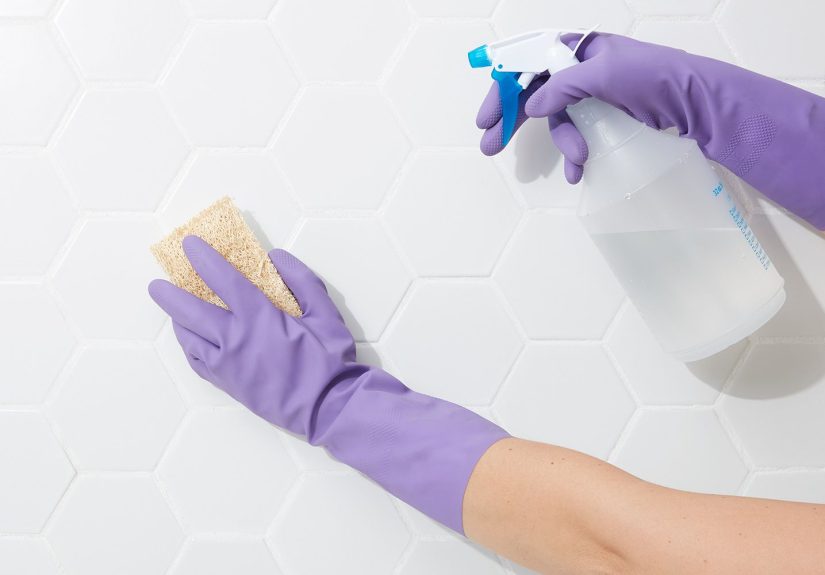
Gloves are a smart move, and eye protection is also a good idea if there is any chance of splashing. Bleach can irritate or burn skin and eyes. This is not the moment to discover your confidence has no protective rating.
Never mix bleach with anything else
This is the big one. Never mix bleach with ammonia, vinegar, acids, toilet bowl cleaners, or other cleaning products. These combinations can create toxic fumes that irritate the respiratory system and may cause serious harm. If you used another cleaner first, rinse thoroughly and let the area air out before using bleach later.
Better Alternatives to Bleach for Many Bathroom Jobs
Here is the funny truth about bleach in the bathroom: some of its best uses are fairly narrow, but people keep trying to hire it for every role in the cleaning cast. Often, a different product works better.
- For soap scum: use a bathroom cleaner, dish soap-based cleaner, or another residue-cutting formula.
- For hard water stains: use a lime, rust, or mineral deposit remover.
- For natural stone: use a stone-safe cleaner.
- For grout deep cleaning: consider oxygen-based bleach or hydrogen peroxide-based options if appropriate for the surface.
- For mold prevention: improve airflow, dry surfaces after use, run the exhaust fan, and clean regularly.
Prevention often beats stronger chemicals. Drying the shower after use, leaving the door or curtain open, and running a vent fan for a while after bathing can do more for long-term bathroom freshness than repeatedly nuking the room with bleach.
The Best Rule of Thumb
If you remember only one thing from this article, make it this: use bleach strategically, not automatically. Bleach is helpful when you need to disinfect bleach-safe hard surfaces, brighten some mildew-stained grout, or deep-clean certain nonporous bathroom areas. It is not your best tool for every mess, and it can damage the wrong surfaces or create dangerous fumes if used carelessly.
A clean bathroom is not the result of the strongest-smelling product winning a cage match. It is the result of matching the right cleaner to the right problem, using it safely, and keeping moisture under control so the same mess does not come back next week wearing a fake mustache.
Bathroom Bleach in Real Life: What People Actually Experience
Real-life bathroom cleaning is rarely as neat as expert advice makes it sound. Most people do not stand in a perfectly ventilated spa-like bathroom with labeled bottles, color-coded cloths, and a deep emotional commitment to reading instructions. They are usually tired, slightly annoyed, and trying to clean around a shampoo bottle army, a damp bath mat, and one mysterious corner that always looks a little suspicious.
That is why bleach creates such mixed experiences. In many homes, the first impression is powerful. Someone pours a little bleach into a toilet, scrubs, flushes, and suddenly the bowl looks brighter. Or they spot mildew on white grout, apply a diluted bleach solution carefully, and the grout looks noticeably cleaner. In those moments, bleach seems like the ultimate bathroom problem-solver. Fast, strong, dramatic. Very main-character energy.
Then the second wave of experience kicks in. The shower still has soap scum. The glass door still looks cloudy. The hard water ring around the faucet is still hanging on like it pays rent. That is usually when people realize bleach is not actually cleaning every kind of bathroom mess. It may improve color and sanitation in some places, but it does not automatically remove film, mineral buildup, or residue.
Another common experience is the “why does the mold keep coming back?” problem. People bleach a little black spotting on caulk or grout, it fades, and everyone celebrates for approximately four and a half days. Then the spotting returns. That happens because bleach can be part of the fix, but it is not a substitute for solving the moisture issue. If the bathroom stays humid, the fan is weak, the shower never dries, or a leak is feeding the problem, the mold basically sees bleach as an inconvenience rather than a life event.
There are also plenty of lessons learned the hard way. Some people use bleach on marble or fancy stone and later notice dullness or damage. Others wipe down metal fixtures and then wonder why the finish looks rough or tired. And unfortunately, many people have had the deeply memorable experience of mixing bleach with another cleaner or using it in a poorly ventilated bathroom and immediately regretting every life choice that led to that moment. Burning eyes, coughing, and that “I need fresh air right now” feeling are not signs of a productive cleaning session. They are warning signs.
On the positive side, experienced cleaners often figure out a smarter routine over time. They keep bleach for specific jobs: disinfecting a toilet, whitening a stained grout line, or dealing with a small patch of mildew on tile. For daily or weekly cleaning, they use gentler bathroom cleaners, soap scum removers, stone-safe products, or hard water solutions that actually match the mess. They also learn that a squeegee, a microfiber cloth, and ten minutes of airflow after a shower can prevent a lot of future drama.
That tends to be the most useful long-term experience of all: bleach works best when it stops trying to be everything. Once people treat it like a specialty product instead of an all-purpose bathroom miracle, cleaning gets easier, surfaces last longer, and the whole room smells less like a chemistry lab with trust issues.
Conclusion
So, should you use bleach in the bathroom? Yes, but with restraint and common sense. Use it when you need a true disinfectant on hard, nonporous, bleach-safe surfaces or when mildew-stained grout and bathroom whites need a careful refresh. Skip it when the real problem is soap scum, hard water, delicate finishes, natural stone, or a deeper moisture issue hiding behind repeated mold growth.
The smartest bathroom cleaning routine is not built around one aggressive product. It is built around knowing what each cleaner does best. Bleach has a place, but it is not the whole cleaning plan. Use it strategically, ventilate well, never mix it with anything else, and let prevention do some of the heavy lifting. Your bathroom will be cleaner, your surfaces will thank you, and your lungs will be much less offended.