Table of Contents >> Show >> Hide
- Can Lice Jump? The Short Answer
- What Are Head Lice and What Are Nits?
- The Head Lice Life Cycle, Minus the Horror-Movie Soundtrack
- How Do You Get Head Lice?
- Common Signs and Symptoms of Head Lice
- How to Check for Lice at Home
- How to Treat Head Lice Safely and Effectively
- What Not to Do
- How Much Cleaning Is Actually Necessary?
- School, Stigma, and the “No-Nit” Debate
- When to Call a Healthcare Professional
- Real-Life Experiences With Head Lice and Nits
- Conclusion
- SEO Tags
If you have ever spotted something suspicious in a child’s hair and immediately imagined tiny insects launching themselves like circus acrobats, take a breath. Head lice are annoying, itchy, and spectacularly unwelcome houseguests, but they are not high jump champions. They do not jump. They do not hop. They do not fly. What they do exceptionally well is crawl, cling, and cause family-wide panic before dinner.
That makes the question “Can lice jump?” more important than it sounds. When people misunderstand how head lice spread, they often waste money, over-clean the house, buy the wrong products, or feel embarrassed for no reason. The good news is that head lice are common, treatable, and usually more emotionally exhausting than medically dangerous. Once you know the facts about head lice and nits, the whole thing becomes much less mysterious and a lot more manageable.
Can Lice Jump? The Short Answer
No, lice cannot jump. They also cannot fly. Head lice move by crawling from one strand of hair to another or from one head to another during close contact. Their legs are built for gripping hair shafts, not for launching into the air like tiny flea impersonators.
This matters because the main way head lice spread is direct head-to-head contact. That is why they are so common among school-aged children, siblings, sleepover buddies, teammates, and anyone else who tends to put their heads together while playing, hugging, reading, scrolling, or whispering secrets that absolutely could have been shared from three feet away.
Can lice spread through hats, brushes, pillows, or headphones? Yes, but that is considered much less common than direct contact. Lice do not survive very long away from a human scalp, so they are not lurking around your house like villains in a suspense movie. They are clingy, not adventurous.
What Are Head Lice and What Are Nits?
Head lice are tiny parasitic insects that live on the human scalp and feed on blood. Adult lice are usually tan, grayish, or light brown and are roughly the size of a sesame seed. They move quickly, avoid light, and can be surprisingly hard to spot. In many cases, families notice the eggs before they see a live louse.
Nits are the eggs of head lice. They are attached firmly to individual hair shafts, usually close to the scalp where the temperature helps them develop. Nits can look like dandruff at first glance, but there is one big difference: dandruff brushes away easily, while nits are glued in place and do not slide off without effort.
That “glued to the hair” detail is why nits cause so much confusion. People often find something white or yellowish in the hair and assume it is a live infestation. Sometimes it is. Sometimes it is an empty eggshell. Sometimes it is plain old scalp debris pretending to be dramatic. A close inspection with good lighting and a fine-tooth comb helps sort out the truth.
The Head Lice Life Cycle, Minus the Horror-Movie Soundtrack
Understanding the life cycle makes treatment easier. A nit usually hatches in about a week. The baby louse, called a nymph, then matures into an adult in about another week or so. Adult lice can lay more eggs, which is how a small problem can become a “why are there three nit combs in my bathroom drawer?” problem.
Because some treatments kill live lice but not the eggs, repeat treatment is often necessary. That is why many label instructions call for a second application about 9 to 10 days later. Skipping that step can allow newly hatched lice to survive and start the cycle all over again. In other words, the real enemy is not just the bug you see. It is the bug’s calendar.
How Do You Get Head Lice?
The most common route is close head-to-head contact. Lice crawl; they do not leap across the room with determination and a dream. Kids playing together, taking selfies cheek to cheek, sharing a pillow during movie night, or leaning heads together over a tablet can all create a perfect little bridge for lice.
Indirect spread can happen through items that touch the hair, such as hats, scarves, combs, brushes, helmets, bedding, or hair accessories. But this is far less common than people tend to think. You do not need to assume every chair, blanket, and stuffed animal in your home has joined Team Lice.
Also important: head lice are not a sign of poor hygiene. Clean hair does not prevent them, and getting lice does not mean someone is dirty. Lice are after blood, warmth, and access to a scalp. They are not performing moral evaluations.
Common Signs and Symptoms of Head Lice
The classic symptom is itching, especially on the scalp, behind the ears, and at the back of the neck. That itch is usually caused by a reaction to louse bites. But here is the tricky part: itching may not appear right away, especially if this is a first infestation. Some people have lice and do not feel much at all.
Other clues include:
- A tickling or crawling sensation in the hair
- Trouble sleeping, since lice can be more active in the dark
- Small red bumps or irritation from scratching
- Nits attached close to the scalp
- Live lice moving quickly through the hair
If scratching becomes intense, the scalp can become sore or irritated. That is one reason it is worth checking carefully and treating appropriately rather than guessing.
How to Check for Lice at Home
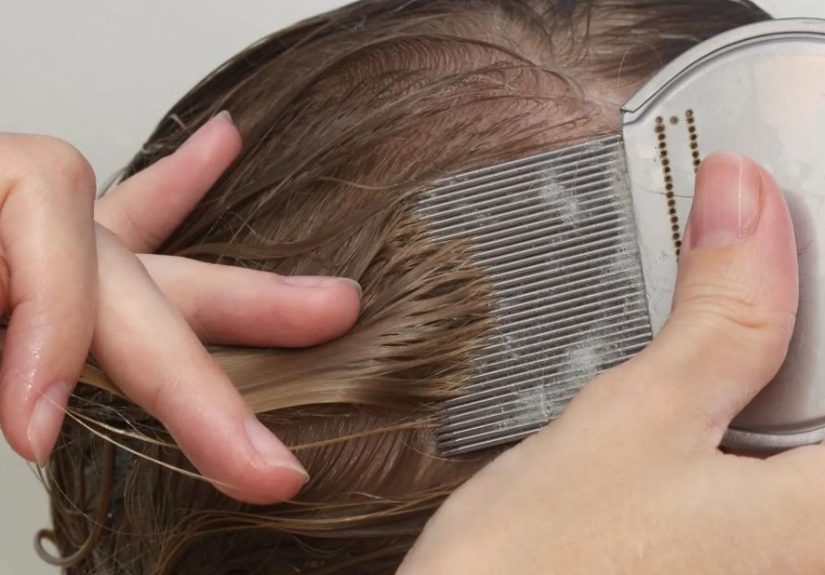
Start with bright light and patience. A fine-tooth nit comb is your best friend here, even if it is not the friend you wanted. Look especially behind the ears and at the nape of the neck. These are favorite hangout spots for lice and their eggs.
Part the hair in small sections. Search for live crawling insects and for nits attached close to the scalp. If the white speck moves easily when you flick it, it is probably dandruff, hair product residue, or lint. If it stays stubbornly glued to the hair, it deserves a second look.
Wet-combing can help because conditioner slows the lice down and makes the hair easier to work through. That can turn a frantic inspection into a methodical one, which is always an improvement over panic.
How to Treat Head Lice Safely and Effectively
Treatment usually involves one of two approaches: medicated products or careful physical removal, often using both. Over-the-counter and prescription treatments are available, and the right choice depends on age, previous treatment attempts, sensitivity, and whether resistant lice may be involved.
Over-the-Counter Options
Many families begin with over-the-counter products such as permethrin or pyrethrins. These can be effective, but some do not kill unhatched eggs, which is why repeat treatment is often recommended according to the product label.
Using the product exactly as directed matters. More is not better. Longer is not smarter. “I figured I’d leave it on until the next presidential election” is not a valid treatment plan. Follow the instructions and do not mix products unless a healthcare professional tells you to.
Prescription Treatments
If over-the-counter treatment does not work, a healthcare professional may recommend a prescription option. These may include ivermectin lotion, spinosad, benzyl alcohol, or malathion, depending on age and circumstances. Some prescription treatments may work with a single application, and some may reduce the need for nit combing, though combing is still often helpful for removing eggs and checking progress.
Nit Combing Still Has a Job
Nit combing is not glamorous, but it is useful. Combing helps remove lice and nits, lowers the chance of missing an active infestation, and gives you a way to monitor whether treatment is working. It can also help avoid the social awkwardness of a child returning to school with leftover nits that are no longer viable but still look suspicious.
Many experts recommend combing every few days for a couple of weeks after treatment. It is tedious, yes. But unlike many household chores, this one has a satisfying detective element.
What Not to Do
When lice show up, people often react as if they are battling a supernatural force. That leads to some truly unhelpful ideas. Avoid these common mistakes:
- Do not use fumigant sprays or foggers in the home
- Do not drench the scalp in random substances from the internet
- Do not overuse or combine lice medications without medical advice
- Do not assume every itch means treatment failed
- Do not shame the child or yourself
Environmental sprays are generally unnecessary and can be harmful if inhaled or absorbed through the skin. Head lice live on people, not in the sofa plotting their comeback.
How Much Cleaning Is Actually Necessary?
You do not need to deep-clean your house like it is preparing for a luxury real-estate photo shoot. Reasonable cleaning is enough. Wash bedding, clothing, and recently used items that had direct head contact. Use hot water and a high-heat dryer when appropriate. Soak combs and brushes in hot water. Vacuum furniture, carpets, and car seats where the infested person spent time.
That said, spending huge amounts of time and money on extreme housecleaning is usually unnecessary. Lice do not survive long away from the human host, and nits need the scalp environment to keep developing. Translation: clean the practical stuff, then put down the industrial disinfectant and step away from the curtains.
School, Stigma, and the “No-Nit” Debate
Few childhood health issues come with as much unnecessary stigma as head lice. Families often feel embarrassed, and children can feel ashamed, even though lice are common and not related to cleanliness. In reality, the biggest damage is often social rather than medical.
That is one reason many health organizations do not support strict “no-nit” school policies. A child may have treated, nonviable nits and still be kept out of class under outdated rules. Current guidance from major health and school-nursing organizations has generally moved away from automatic exclusion just because nits are present. The goal is evidence-based management, not panic with attendance consequences.
If a school still has a strict no-nit policy, parents may need to communicate clearly about treatment and follow-up. It is not fun, but neither is explaining to your child why a dead egg has more control over the school day than a math quiz.
When to Call a Healthcare Professional
It is smart to contact a healthcare professional if:
- You are unsure whether it is really lice
- Over-the-counter treatment did not work
- The scalp is very irritated or seems infected
- The person affected is very young, pregnant, breastfeeding, or has health considerations that affect treatment choice
- You need help choosing a safe, age-appropriate product
Professional guidance can save time, money, and a lot of frustrated combing.
Real-Life Experiences With Head Lice and Nits
One of the most common experiences families describe is disbelief. A child scratches their head once or twice, and nobody thinks much of it. Then one evening under a bright bathroom light, a parent spots a tiny bug move faster than expected, and suddenly the whole mood of the house changes. The first reaction is often horror. The second is denial. The third is usually a frantic online search with the intensity of someone trying to crack a secret code before bedtime.
Another very real experience is confusion. Parents often expect lice to be easy to see, like ants at a picnic. They are not. Live lice move fast, avoid light, and may be few in number. Nits are easier to find, but they are also easier to confuse with dandruff, dry skin, or leftover hair product. Many families spend the first 24 hours wondering whether they are dealing with lice, lint, or a shampoo that suddenly became suspicious.
Then there is the treatment phase, which can feel like a full part-time job. Washing pillowcases, checking siblings, cleaning combs, reading product labels, and doing round after round of nit combing can make a normal week feel unusually long. Parents often say the combing is the hardest part, not because it is dangerous, but because it requires patience, good lighting, and a child who may be deeply uninterested in sitting still while you inspect every strand like a museum curator.
Children experience it differently. Some are not especially bothered by the itching but become upset by the idea of “bugs” in their hair. Others mostly react to the attention, the long combing sessions, and the worry that friends will find out. This is why calm language matters. When adults act like a lice infestation is a moral catastrophe, kids absorb that panic. When adults frame it as a common, fixable problem, children usually cope much better.
Many families also talk about the social side. It can be awkward to notify close contacts, classmates, or relatives after a sleepover. Nobody loves sending that text. But honest communication helps others check early and treat quickly if needed. It is one of those mildly uncomfortable parenting tasks that turns out to be the responsible thing.
Perhaps the most universal experience is relief. Once families understand that lice do not jump, do not live on pets, do not reflect poor hygiene, and do not require turning the home into a chemical warfare zone, the entire situation becomes less overwhelming. The problem is still inconvenient, but it is no longer mythical. And that is often the turning point: when head lice stop feeling like a disaster and start feeling like a solvable, if annoying, household detour.
Conclusion
So, can lice jump? Absolutely not. Head lice are crawlers, not jumpers, and knowing that single fact clears up a lot of confusion. Head-to-head contact is the main way they spread, nits are eggs stuck to hair near the scalp, and treatment works best when it is calm, consistent, and based on real guidance rather than internet folklore.
The smartest response to head lice is not panic. It is good lighting, a fine-tooth comb, the right treatment, reasonable cleaning, and a little patience. Add a sense of humor, and you are already winning.