Table of Contents >> Show >> Hide
- Introduction: CBD Is Popular, but the Dose Question Is Not So Simple
- What Is CBD?
- What Research Says About CBD Dosage
- Why There Is No One-Size-Fits-All CBD Dose
- CBD Safety: What Users Should Know Before Taking It
- Product Quality: The Label May Not Tell the Whole Story
- How to Think About CBD Dosage Safely
- CBD for Anxiety, Sleep, and Pain: What the Evidence Suggests
- Who Should Be Extra Careful With CBD?
- Practical Experiences Related to CBD Dosage and Safety
- Conclusion: CBD Dosage Requires Research, Respect, and Common Sense
Note: This article is for educational purposes only and is not medical advice. CBD can interact with medications and may not be safe for everyone, especially people with liver disease, pregnant or breastfeeding individuals, children, and anyone taking prescription drugs. Always speak with a qualified healthcare professional before using CBD.
Introduction: CBD Is Popular, but the Dose Question Is Not So Simple
CBD, short for cannabidiol, has become the calm-looking celebrity of the wellness aisle. It appears in oils, gummies, capsules, creams, drinks, pet products, bath bombs, and probably at least one candle that claims to “restore your aura by Tuesday.” But behind the glossy labels and lavender-colored packaging is a very real question: How much CBD is safe, and what does research actually say about CBD dosage?
The honest answer is less glamorous than a wellness ad, but much more useful: there is no universal CBD dosage that works for everyone. Research is still developing, product quality varies widely, and the dose used in a clinical trial may be very different from the dose inside a store-bought gummy. CBD dosage depends on the reason for use, body weight, product type, liver function, other medications, and whether the product is a regulated prescription medicine or an over-the-counter hemp-derived product.
In the United States, the only FDA-approved CBD medication is prescription cannabidiol oral solution, sold as Epidiolex, approved for seizures associated with Lennox-Gastaut syndrome, Dravet syndrome, and tuberous sclerosis complex. That matters because the carefully measured medical doses used for these serious conditions are not the same thing as casual CBD gummies bought online for sleep, stress, or soreness. Comparing the two is a little like comparing a hospital pharmacy to a snack drawer: both may contain small bottles, but the standards are very different.
What Is CBD?
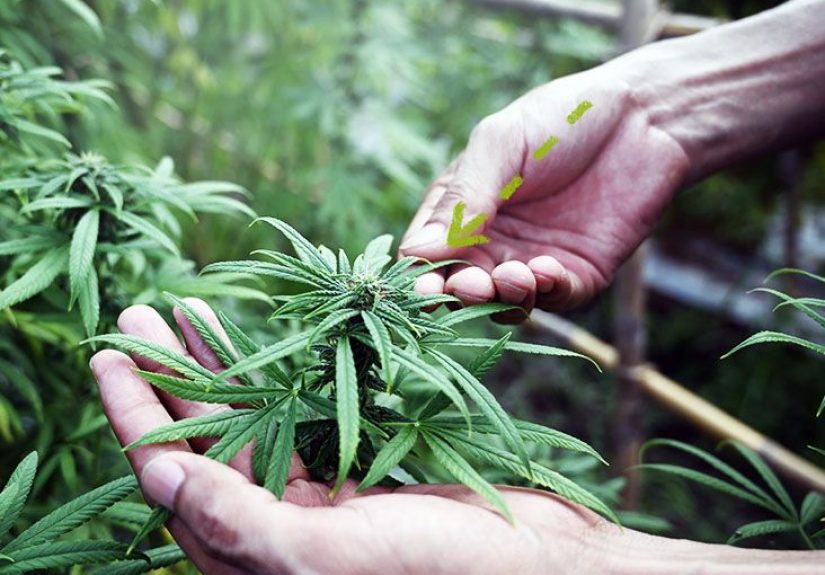
CBD is one of many cannabinoids found in the cannabis plant. Unlike THC, the compound best known for producing a marijuana “high,” CBD is generally described as non-intoxicating. That does not mean it is inactive. CBD can affect liver enzymes, drug metabolism, alertness, sleepiness, appetite, mood, and gastrointestinal comfort. In other words, CBD may not make people feel high, but the body still notices it.
Hemp-derived CBD products became widely available after the 2018 Farm Bill changed the federal legal status of hemp, defined as cannabis containing very low levels of delta-9 THC. However, legal availability does not automatically mean every CBD product is FDA-approved, accurately labeled, or proven effective. This is one of the most important safety points for consumers: CBD products can be easy to buy while still being difficult to evaluate.
What Research Says About CBD Dosage
CBD dosage research is complicated because studies use different forms of CBD, different populations, different goals, and different dosing schedules. Some trials use purified CBD. Others study cannabis products that include THC or other cannabinoids. Some give one dose; others give daily doses for weeks or months. This makes it hard to turn research into a neat chart that says, “Take this many milligrams and enjoy perfect serenity.” Science, inconveniently, refuses to behave like a gummy label.
Prescription CBD Doses Are Weight-Based
The clearest dosing information comes from prescription cannabidiol. For seizure disorders, Epidiolex dosing is measured in milligrams per kilogram of body weight per day. The label starts with a low dose and gradually increases based on response and tolerability. For Lennox-Gastaut syndrome and Dravet syndrome, the starting dose is 2.5 mg/kg twice daily, or 5 mg/kg/day. After one week, it may increase to 5 mg/kg twice daily, or 10 mg/kg/day. Some patients may go higher under medical supervision. For tuberous sclerosis complex, maintenance dosing can be higher, again under close clinical monitoring.
These prescription doses are not casual wellness doses. They require medical oversight, liver monitoring, attention to drug interactions, and careful measurement. The label also warns that liver enzyme elevations can occur and that food may affect CBD levels in the bloodstream. This is a key lesson for all CBD users: dose is not only about milligrams; it is also about absorption, consistency, and safety monitoring.
Consumer CBD Doses Are Often Much Lower, but Less Controlled
Over-the-counter CBD products often contain doses such as 5 mg, 10 mg, 25 mg, 50 mg, or 100 mg per serving. Some users take more, especially when chasing sleep or pain relief. However, more is not automatically better. In some anxiety studies, moderate single doses around 300 mg showed effects, while lower or higher doses did not always perform better. That “inverted U-shaped” response is a reminder that CBD does not always work like turning up the volume on a speaker. Sometimes turning the knob too far just makes the science scratch its head.
For sleep, evidence is still mixed. A controlled pilot trial using 150 mg of CBD nightly in adults with moderate to severe insomnia found that CBD was similar to placebo for many sleep outcomes, although some well-being measures improved. That does not mean CBD never helps sleep, but it does mean the popular claim “CBD fixes insomnia” is far too confident. Sleep is influenced by stress, caffeine, light exposure, pain, medications, anxiety, sleep apnea, and whether someone decided to scroll social media at midnight “for five minutes.” CBD cannot out-muscle all of that by itself.
Why There Is No One-Size-Fits-All CBD Dose
CBD dosage varies because the human body is not a spreadsheet. Two people can take the same product and have different experiences. One person may feel relaxed with 10 mg. Another may notice nothing at 50 mg. A third may feel sleepy, foggy, or nauseated. Several factors explain this variability.
Body Weight and Metabolism
Body weight can affect dosing, especially in prescription settings where CBD is calculated by milligrams per kilogram. Metabolism also matters. CBD is processed mainly through the liver, and individual differences in liver enzymes can change how long CBD stays active in the body.
Product Type and Route of Use
CBD oils, capsules, gummies, drinks, and topicals are not absorbed the same way. Oral products pass through digestion and the liver before reaching the bloodstream. Sublingual oils may absorb somewhat differently depending on how long they are held under the tongue. Edibles may take longer to feel because they must be digested first. Topical CBD products are usually used for localized areas and may not produce the same whole-body exposure as oral products.
Food Intake
CBD is fat-soluble, meaning meals can influence absorption. The prescription CBD label notes that food may affect CBD levels and recommends consistent dosing with respect to meals. For consumers, that means taking CBD one day with a high-fat breakfast and the next day on an empty stomach may produce different effects, even if the milligram dose is identical.
Medication Interactions
CBD can interact with other drugs, including blood thinners, anti-seizure medications, antidepressants, antipsychotics, pain medicines, sedatives, and other substances that affect the liver. This is one reason healthcare professionals often recommend caution. A CBD product may look harmless sitting next to vitamins, but it may behave more like a drug once it enters the body.
CBD Safety: What Users Should Know Before Taking It
CBD is often described as well tolerated, but “well tolerated” does not mean “risk-free.” The FDA has highlighted several safety concerns, including potential liver injury, drug interactions, drowsiness, diarrhea, appetite changes, mood changes, and possible reproductive concerns based on animal data. These risks may be more important at higher doses, with long-term use, or when CBD is combined with other medications.
Liver Safety
Liver safety is one of the biggest research concerns. Prescription cannabidiol can cause dose-related liver enzyme elevations, especially at higher doses or when combined with certain anti-seizure drugs such as valproate. FDA researchers have also investigated liver enzyme changes at consumer-relevant doses in healthy adults, showing why the agency continues to ask for more safety data. Anyone with liver disease, abnormal liver tests, heavy alcohol use, or medication regimens that affect the liver should be especially cautious.
Drowsiness and Alertness
CBD may cause drowsiness or fatigue. This can become more serious when CBD is used with alcohol, benzodiazepines, sleep medications, opioids, or other substances that slow brain activity. Even if a person does not feel “high,” slowed reaction time can still matter when driving, operating machinery, or trying to assemble furniture without creating modern art.
Digestive Side Effects
Common side effects can include diarrhea, reduced appetite, nausea, and stomach discomfort. These may improve when CBD is stopped or the dose is lowered. Oils may also contain carrier ingredients, flavorings, or additives that contribute to digestive symptoms, so the CBD itself is not always the only suspect.
Pregnancy, Breastfeeding, and Children
CBD is not recommended for pregnant or breastfeeding individuals unless specifically directed by a qualified clinician. Safety data for vulnerable populations remain limited. Children should not use nonprescription CBD products casually. Prescription CBD for pediatric seizure disorders is a medical treatment, not a green light for random children’s gummies with hemp leaves on the label.
Product Quality: The Label May Not Tell the Whole Story
One major CBD safety issue is product inconsistency. Studies of online and commercial CBD products have found that many contain more or less CBD than the label claims. Some also contain detectable THC. This matters for three reasons. First, inaccurate CBD content makes dosing unreliable. Second, unexpected THC may cause unwanted intoxication or a positive drug test. Third, contamination risks may include pesticides, heavy metals, residual solvents, or microbes if products are poorly manufactured.
Consumers who choose to use CBD should look for products that provide a recent certificate of analysis from an independent lab. The certificate should list CBD amount, THC level, batch number, testing date, and contaminant results. A brand that refuses to provide third-party testing deserves the same trust level as a gas station sushi roll: theoretically possible, emotionally difficult.
How to Think About CBD Dosage Safely
The safest general principle is “start low and go slow,” but that phrase needs detail. Starting low means beginning with the smallest practical dose and observing effects before increasing. Going slow means allowing enough time to judge response, especially with oral products that may take hours to fully show effects. It also means avoiding the classic mistake of taking more because “nothing happened yet,” only to discover later that something did, in fact, happen.
Read the Milligrams Carefully
CBD labels can be confusing. Some list the amount per bottle; others list the amount per serving. For example, a 30 mL bottle containing 1,000 mg of CBD has about 33 mg per mL. If the dropper holds 1 mL, a full dropper contains about 33 mg. If a gummy contains 25 mg, two gummies equal 50 mg. This math matters because accidental high dosing is easy when the label is vague.
Avoid Mixing CBD With Alcohol or Sedatives
CBD combined with alcohol or sedating medications may increase drowsiness and impairment. People using prescription sleep aids, anti-anxiety drugs, opioids, muscle relaxers, or seizure medications should consult a clinician before trying CBD.
Track Effects Like a Mini Researcher
A simple CBD journal can help users avoid guesswork. Record the product name, dose, time, food intake, reason for use, effects, side effects, and sleep or pain ratings when relevant. After one or two weeks, patterns become easier to see. This is not as exciting as a wellness influencer’s morning routine, but it is far more useful.
CBD for Anxiety, Sleep, and Pain: What the Evidence Suggests
CBD is commonly used for anxiety, sleep, and pain, but evidence varies by condition. For anxiety, some controlled studies suggest CBD may help in specific situations, such as public-speaking anxiety, with certain moderate doses. However, this does not prove that every CBD product treats generalized anxiety disorder, panic disorder, or chronic stress.
For sleep, evidence remains uncertain. Some users report better sleep, but controlled studies do not consistently show strong improvements in insomnia symptoms. CBD may help some people indirectly if it reduces anxiety or discomfort, but it should not replace evaluation for persistent insomnia, sleep apnea, depression, chronic pain, or medication-related sleep problems.
For pain, research on cannabinoids is broader than research on CBD alone. Some evidence supports certain cannabis-based medicines for specific pain conditions, but CBD-only evidence is less settled. Topical CBD products are popular for localized discomfort, but product strength, absorption, and clinical proof vary widely. Anyone with severe, worsening, or unexplained pain should seek medical care rather than relying on CBD as a mystery-pain detective.
Who Should Be Extra Careful With CBD?
CBD may not be appropriate for everyone. Extra caution is needed for people taking blood thinners, anti-seizure drugs, sedatives, antidepressants, antipsychotics, opioid pain medicine, heart medications, or drugs with narrow safety margins. People with liver disease, older adults taking multiple prescriptions, pregnant or breastfeeding individuals, and children should seek medical guidance before using CBD.
People who are drug-tested for work, athletics, legal supervision, or medical programs should also be careful. Full-spectrum CBD products may contain THC, and even products labeled THC-free can be mislabeled. If a positive THC test would create serious consequences, CBD use deserves serious caution.
Practical Experiences Related to CBD Dosage and Safety
Real-world CBD use often looks very different from research. In clinical trials, participants receive measured products, clear instructions, and monitoring. At home, people may buy a bottle online, skim the label, take “a little,” wait 30 minutes, take more, forget whether they ate, and then blame the couch for being too comfortable. That gap between controlled research and everyday use is where many CBD dosage mistakes happen.
Consider a common example: someone buys CBD gummies for stress after seeing thousands of cheerful reviews. The bottle says “750 mg CBD,” but that number refers to the whole container, not each gummy. There are 30 gummies, so each one contains 25 mg. The user takes one gummy after dinner and feels nothing obvious. The next night, they take two, then add a glass of wine. Now they feel sleepy, foggy, and slightly dizzy. Was it the CBD? The alcohol? The larger dose? The late dinner? The answer may be “yes, several things joined forces.” This is why changing only one variable at a time is smarter than turning the evening into a chemistry fair.
Another common experience involves CBD oil. A person may assume one dropper equals one dose, but droppers vary. Some fill to 1 mL; others do not. A bottle with 500 mg in 30 mL is much weaker than a bottle with 3,000 mg in 30 mL. The same “one dropper” could mean about 17 mg in one product and 100 mg in another. Without checking the concentration, users may underdose, overdose, or bounce between the two like a confused ping-pong ball.
Some people report that CBD helps them feel calmer, especially when taken consistently and at a modest dose. Others notice no benefit at all. A few experience side effects such as diarrhea, dry mouth, appetite changes, or next-day grogginess. These differences are not necessarily proof that CBD is magic or useless. They show that response is individual and that the product, dose, timing, and health context matter.
People using CBD for sleep often learn that timing matters. Taking an edible five minutes before bed may be too late because digestion takes time. Taking CBD earlier in the evening may feel different. However, if sleep problems are driven by caffeine at 4 p.m., untreated anxiety, screen exposure, pain, or snoring from possible sleep apnea, CBD may not solve the root problem. In that case, the better “dose” may be less late-night coffee, a sleep evaluation, or a more consistent bedtime routine.
CBD users who take prescription medications often have the most important safety stories. For example, someone taking a blood thinner or seizure medication should not treat CBD like herbal candy. CBD can influence how certain medications are processed, which may change drug levels. The responsible move is to bring the CBD product label to a healthcare professional and ask about interactions. This is not overreacting; it is basic medication safety.
The best experience-based advice is simple: choose tested products, verify the milligrams, start with a low dose, avoid mixing with alcohol or sedatives, track effects, and involve a clinician when medications or health conditions are part of the picture. CBD may be useful for some people, but it works best when approached with patience, skepticism, and a calculator.
Conclusion: CBD Dosage Requires Research, Respect, and Common Sense
CBD dosage is not a guessing game, even though the marketplace sometimes makes it feel like one. Research shows that CBD has real biological effects, possible benefits for certain conditions, and meaningful safety concerns. Prescription CBD has clear medical dosing for specific seizure disorders, while consumer CBD products remain far less standardized. That difference is crucial.
For anyone considering CBD, the smartest approach is cautious and informed. Understand the product, check third-party testing, read the dose in milligrams, avoid risky combinations, and speak with a healthcare professional if you take medications or have medical conditions. CBD may be non-intoxicating, but it is not nothing. Treat it with the same respect you would give any substance that can affect your body, your liver, your medications, and your morning alertness.
In short: CBD is not a miracle cure, not a villain, and definitely not a substitute for medical care. It is a compound with promise, limits, and unanswered questions. The safest dose is the one chosen with good information, careful monitoring, and professional guidance when needed.