Table of Contents >> Show >> Hide
- What Is a Cedar Bed-on-Legs Kit?
- Why Cedar Is a Popular Choice for Elevated Garden Beds
- Main Benefits of a Cedar Bed-on-Legs Kit
- What Can You Grow in a Cedar Bed-on-Legs Kit?
- How to Choose the Right Cedar Bed-on-Legs Kit
- How to Assemble a Cedar Bed-on-Legs Kit
- Care and Maintenance Tips
- Cedar Bed-on-Legs Kit vs. Traditional Raised Garden Bed
- Common Mistakes to Avoid
- Real-Life Experience: Living With a Cedar Bed-on-Legs Kit
- Conclusion
A cedar bed-on-legs kit is the raised garden bed’s smarter, tidier, back-friendlier cousin: part planter box, part patio upgrade, and part “look at me, I grow herbs now” lifestyle statement.
What Is a Cedar Bed-on-Legs Kit?
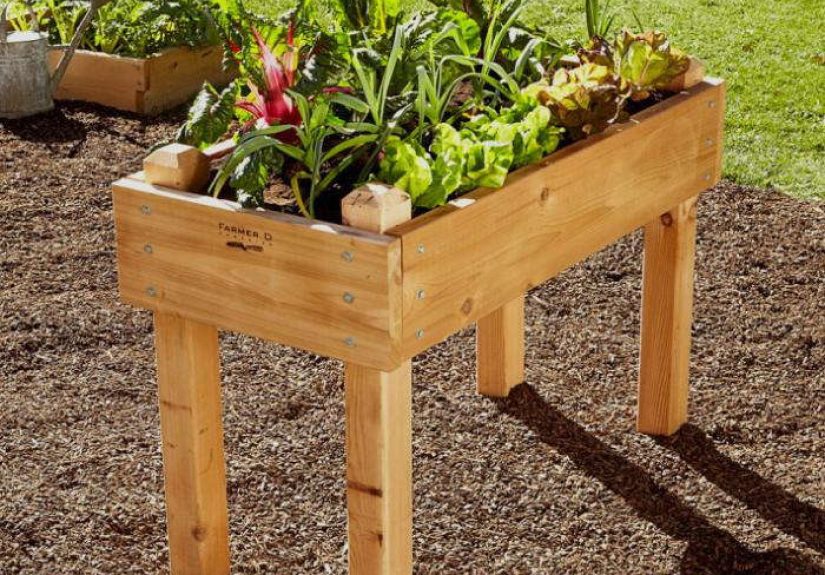
A cedar bed-on-legs kit is an elevated wooden planter designed for growing vegetables, herbs, flowers, and small edible crops above ground level. Instead of sitting directly on the soil like a traditional raised bed, it stands on legs, usually at a comfortable working height. That means less bending, easier watering, better access, and fewer surprise visits from pets who think freshly planted basil is a luxury mattress.
The classic version of this product category is often associated with compact cedar elevated garden beds made for decks, balconies, patios, small yards, and urban gardens. Many models use untreated cedar because cedar is naturally durable outdoors, attractive, and resistant to decay better than many common softwoods. Some kits arrive with pre-drilled boards, hardware, a bottom panel, drainage features, and clear assembly instructions. In other words, you do not need to be a carpenter, a homesteader, or someone who owns six different levels “just in case.”
For gardeners who want the charm of a wooden garden bed without committing half the backyard to a full vegetable plot, a cedar bed-on-legs kit offers a practical middle ground. It gives you control over soil quality, keeps your plants closer to eye level, and makes small-space gardening feel surprisingly polished.
Why Cedar Is a Popular Choice for Elevated Garden Beds
Cedar Handles Outdoor Life Beautifully
Cedar has long been a favorite material for outdoor garden products because it naturally resists moisture, insects, and decay better than many untreated woods. That does not mean cedar is magical or immortal. It will still weather, fade to a silvery gray, and eventually age. But compared with cheaper lumber that may warp, split, or rot quickly, cedar gives gardeners a strong head start.
Western red cedar and aromatic red cedar are especially common in raised garden beds, planter boxes, and outdoor structures. Their warm color and visible grain make a cedar planter look good even before you plant anything. Add a row of lettuce, a few marigolds, or a tomato plant that thinks it owns the neighborhood, and suddenly the whole setup looks magazine-ready.
Untreated Cedar Is Friendly for Edible Gardening
Many gardeners prefer untreated cedar for vegetable and herb growing because it avoids chemical preservatives that may be used in some treated lumber. If you plan to grow basil, parsley, strawberries, salad greens, or compact peppers, an untreated cedar garden bed can be a sensible option. The goal is simple: keep the growing environment clean, well-drained, and suitable for food crops.
Some gardeners apply a food-safe exterior oil or natural wood treatment to help preserve the color, but many leave cedar unfinished and allow it to age naturally. The right choice depends on your climate, your design taste, and whether you are emotionally prepared for cedar’s inevitable silver-gray “distinguished professor” phase.
Main Benefits of a Cedar Bed-on-Legs Kit
1. Easier Gardening with Less Bending
The biggest selling point of a cedar bed-on-legs kit is comfort. Traditional gardening often involves kneeling, crouching, digging, and making noises that sound suspiciously like furniture being moved upstairs. An elevated planter brings the garden closer to your hands, which can make planting, pruning, watering, and harvesting much easier.
This is especially helpful for older gardeners, beginners who want a low-maintenance start, people with limited mobility, or anyone who simply does not enjoy folding themselves into a human question mark every time they pick lettuce.
2. Great for Patios, Decks, and Balconies
Because many cedar bed-on-legs kits include a bottom, they can be used on hard surfaces where in-ground planting is impossible. Apartment balcony? Small townhouse patio? Sunny deck outside the kitchen? These are exactly the places where elevated cedar planters shine.
A compact 2-by-4-foot bed can hold enough herbs and greens to make weeknight cooking feel fresher without taking over your outdoor space. You can place it near the kitchen door and harvest rosemary or mint while pretending you are hosting a cooking show. No one needs to know dinner is pasta again.
3. Better Control Over Soil Conditions
One of the biggest advantages of raised and elevated beds is soil control. Instead of fighting compacted clay, sandy soil, poor drainage, or mystery backyard dirt that looks like it came from a construction site, you can fill the planter with a quality raised bed mix or container-friendly growing medium.
This control helps support healthy roots, better drainage, and fewer weeds. It also lets you tailor the soil to what you are growing. Herbs like rosemary and thyme prefer leaner, well-drained conditions, while leafy greens appreciate moisture-retentive soil with compost. A cedar bed-on-legs kit gives each crop a cleaner, more manageable start.
4. Improved Drainage
Drainage is essential in any elevated garden bed. Most quality kits include drainage holes, gaps, slats, or a liner system that allows excess water to escape. This matters because soggy roots are unhappy roots, and unhappy roots become unhappy plants, and unhappy plants become that sad brown thing you avoid looking at while drinking coffee.
Good drainage helps reduce the risk of root rot and makes watering easier to manage. However, elevated beds can also dry out faster than in-ground beds, especially in hot weather. That means you should check moisture regularly and mulch the soil surface when needed.
5. Fewer Weeds and Easier Maintenance
Because a cedar bed-on-legs kit is separated from ground soil, weed pressure is usually lower than in a traditional garden. Birds, wind, and rogue seed packets may still create surprises, but you are far less likely to wage a full-scale weed war every weekend.
The smaller footprint also makes maintenance less intimidating. You can inspect plants quickly, remove pests by hand, trim herbs, and harvest greens before they bolt. It is gardening in snack-sized form: satisfying, manageable, and much less likely to consume your entire Saturday.
What Can You Grow in a Cedar Bed-on-Legs Kit?
Best Plants for Shallow to Medium Depth Beds
Most cedar bed-on-legs kits are ideal for herbs, leafy greens, compact flowers, strawberries, and smaller vegetables. If the bed depth is around 8 to 12 inches, consider crops such as:
- Basil, parsley, cilantro, mint, oregano, thyme, and chives
- Lettuce, spinach, arugula, kale, and Swiss chard
- Radishes, green onions, and baby carrots
- Strawberries and compact nasturtiums
- Marigolds, pansies, alyssum, and other small flowers
For deeper elevated beds, you can grow compact tomatoes, peppers, bush beans, dwarf cucumbers with support, and other patio-friendly varieties. Always check the planting depth and spacing needs before turning your planter into a crowded botanical subway car.
Plants That May Need More Space
Large indeterminate tomatoes, full-size zucchini, pumpkins, corn, and sprawling melons are usually not the best match for a compact bed-on-legs kit. These plants need more root space, more support, and more room to stretch. If you absolutely must grow tomatoes, choose patio, determinate, or dwarf varieties and use a sturdy cage or trellis.
How to Choose the Right Cedar Bed-on-Legs Kit
Check the Size and Soil Capacity
Before buying, look closely at the dimensions. A common compact size is around 2 feet by 4 feet, which works well for patios and balconies. Height matters too. A bed around waist height is comfortable for many gardeners, while lower models may still require some bending.
Soil capacity is equally important. A planter that holds about 6 cubic feet of soil can support a useful herb or salad garden, but it will be more limited than a deep ground-level raised bed. Think of it as a kitchen garden, not a farm. Unless your kitchen is feeding a football team, that is usually enough.
Look for Strong Legs and Stable Construction
Soil is heavy, especially when wet. A good cedar bed-on-legs kit should have sturdy legs, reinforced corners, and hardware that can handle the weight of soil, water, and mature plants. Thick boards and square legs are common signs of a stronger build.
If you plan to place the bed on a deck or balcony, confirm the surface can support the loaded weight. Wet soil, wood, water, and plants can add up quickly. When in doubt, use a lighter planting mix and avoid overfilling.
Choose Good Drainage Features
A bottomed elevated planter should never behave like a bathtub. Look for drainage holes, slatted bottoms, liners, or drainage trays depending on where you plan to place it. If the planter will sit on a deck, consider a saucer, catchment tray, or mat to protect the surface from staining.
Decide Whether You Want Untreated or Finished Cedar
Untreated cedar is popular for edible gardens, but finished cedar may retain its original color longer. If a kit is sealed, check whether the finish is appropriate for food gardening. For vegetable beds, many gardeners prefer natural, untreated boards or food-safe finishes.
How to Assemble a Cedar Bed-on-Legs Kit
Step 1: Unpack and Sort the Parts
Lay out the boards, legs, screws, bottom pieces, liner, and any included hardware. Match everything to the instruction sheet before assembly. This is the moment when you discover whether the kit is truly beginner-friendly or just “beginner-friendly” in the same way flat-pack furniture is “fun.”
Step 2: Build the Frame
Most kits begin with the side panels and end panels. If the boards are pre-drilled, align the holes carefully and tighten screws gradually. Avoid over-tightening, which can split wood or pull the frame out of square.
Step 3: Attach the Legs
Attach each leg securely and check that the bed sits level. A wobbly planter is annoying when empty and deeply dramatic when full of wet soil. If placing it on uneven pavement, use outdoor-safe shims or adjustable feet if the design allows.
Step 4: Install the Bottom and Drainage Layer
Install the bottom boards or panel according to the instructions. Add landscape fabric if recommended by the manufacturer, but do not block drainage holes. The goal is to hold soil in while letting excess water out.
Step 5: Fill with the Right Soil Mix
Use a high-quality raised bed mix or container mix blended with compost. Avoid filling an elevated planter entirely with dense garden soil, which can become heavy and compacted. A lighter, well-draining mix supports healthier roots and reduces stress on the frame.
Care and Maintenance Tips
Water Consistently
Elevated beds warm up and drain quickly, which is helpful in spring but demanding in summer. Check moisture with your finger. If the top inch feels dry, it may be time to water. Herbs generally prefer not to sit in soggy soil, while leafy greens need more consistent moisture.
Add Compost Each Season
As plants grow, they use nutrients. Refresh the bed with compost at the beginning of each growing season. For heavy feeders like tomatoes or peppers, use an appropriate organic fertilizer according to label directions.
Protect the Wood
Cedar ages naturally, but you can extend its good looks by keeping the planter clean, avoiding constant standing water, and placing it where air can circulate. If you want to preserve the warm cedar color, use a food-safe exterior finish suitable for garden use.
Rotate Crops When Possible
Even in a small planter, crop rotation helps reduce pest and disease buildup. Try not to grow the same plant family in the exact same soil year after year. For example, follow peppers with greens or herbs rather than more peppers.
Cedar Bed-on-Legs Kit vs. Traditional Raised Garden Bed
A traditional raised garden bed is best for larger yards, deep-rooted crops, and bigger harvests. It sits directly on the ground and can be built in many sizes. A cedar bed-on-legs kit, by contrast, is better for comfort, portability, patios, and small-space gardening.
If you want to grow a serious vegetable garden with tomatoes, squash, beans, carrots, and potatoes, a ground-level raised bed may be the better investment. If you want fresh herbs outside the kitchen, salad greens on the deck, or a tidy planter that does not require kneeling, the cedar bed-on-legs kit wins by a comfortable margin.
The real question is not which one is better. The better question is: where do you garden, what do you want to grow, and how much bending are you willing to tolerate before muttering at your knees?
Common Mistakes to Avoid
Overcrowding the Bed
Small planters fill up quickly. Seedlings look tiny at first, but give them a few weeks and they start acting like they pay rent. Follow spacing guidelines and harvest regularly to keep plants productive.
Using Heavy Yard Soil
Dense soil can compact, drain poorly, and add too much weight. Use a raised bed or container mix with compost for better structure.
Forgetting About Drainage
Always make sure water can escape. If the planter sits on a deck, protect the surface underneath while still allowing airflow.
Growing Plants That Are Too Large
A compact elevated cedar bed is not the best home for giant pumpkins or sprawling watermelons. Choose patio-friendly varieties and compact crops for best results.
Real-Life Experience: Living With a Cedar Bed-on-Legs Kit
The best thing about a cedar bed-on-legs kit is how quickly it turns gardening from a “someday” project into a “this weekend” project. Traditional gardens can feel intimidating. You have to pick a site, improve the soil, edge the bed, fight weeds, and maybe have a serious conversation with a shovel. With a cedar elevated garden bed, the process feels more approachable. You assemble the kit, place it where the light is good, add soil, and start planting.
In everyday use, the comfort difference is immediately noticeable. Harvesting herbs at waist height feels almost luxurious compared with crouching near the ground. Watering is easier because you can see the soil surface clearly. Trimming basil, thinning lettuce, or checking for aphids becomes a two-minute task instead of a full gardening expedition requiring shoes you do not care about.
One practical experience many gardeners share is that elevated beds need more frequent watering than expected. Because the planter is raised off the ground and exposed to air on more sides, the soil can dry faster, especially during hot afternoons or windy weather. Mulch helps. So does grouping plants with similar water needs. For example, basil, parsley, and lettuce can live together happily with steady moisture, while rosemary and thyme prefer a drier setup.
Another lesson is to respect plant size. A cedar bed-on-legs kit looks roomy when empty, but plants grow fast. Six lettuce plants, a basil plant, chives, parsley, and a few marigolds can create a beautiful mini garden. Add two tomato plants, three peppers, mint, strawberries, and a cucumber vine, and suddenly your planter becomes a leafy traffic jam. The smartest approach is to start with a simple theme: a salad bed, an herb bed, a pollinator flower bed, or a compact patio vegetable bed.
The appearance is also part of the experience. Cedar has a warm, natural look that fits well with patios, balconies, and decks. Even when the wood begins to weather, it still looks intentional rather than neglected. A cedar planter with healthy herbs can make a small outdoor area feel finished, like you planned the space instead of simply placing a chair outside and calling it a lifestyle.
Assembly is usually manageable, but it helps to have a second person for holding panels steady. Pre-drilled holes save time, and a cordless drill makes the job smoother. After assembly, the most important step is choosing the final location before filling the bed. Once soil and water enter the story, moving the planter becomes less “quick adjustment” and more “why did I make this decision?”
For beginners, the cedar bed-on-legs kit is especially rewarding because it creates quick wins. Herbs grow fast. Lettuce gives visible progress. Flowers add color. You do not need a huge harvest for the planter to feel worthwhile. Even a handful of fresh basil on pizza can make the whole setup feel like a brilliant investment.
The biggest long-term tip is to refresh the soil. After a season, remove dead roots, loosen the mix, and add compost. If plants struggled, consider whether the issue was watering, sun exposure, overcrowding, or nutrients before blaming the planter. Garden beds are like tiny ecosystems: when the basics are right, they are surprisingly generous.
Overall, living with a cedar bed-on-legs kit feels practical, attractive, and pleasantly low-pressure. It will not replace a full backyard vegetable garden, but it does not need to. Its strength is convenience. It brings gardening closer to daily life: near the kitchen, near the patio chair, near the place where you will actually remember to water it. And sometimes, that is the difference between dreaming about a garden and actually eating something you grew yourself.
Conclusion
A cedar bed-on-legs kit is one of the most useful small-space gardening solutions for people who want beauty, comfort, and productivity in one tidy package. It offers better access than ground-level beds, works well on patios and balconies, and gives gardeners control over soil, drainage, and plant selection. Cedar adds natural charm and outdoor durability, while the elevated design makes gardening easier on the back and knees.
For herbs, salad greens, strawberries, compact vegetables, and flowers, this type of raised garden bed is a smart choice. Pick a sturdy kit, use the right soil mix, water consistently, and avoid overcrowding. Do that, and your cedar planter can become the most useful little garden you never knew your patio needed.
Note: This article is written for web publication and synthesizes real gardening guidance, product-category details, and practical experience related to cedar elevated raised garden beds.