Table of Contents >> Show >> Hide
- Does COPD shorten life expectancy?
- What affects COPD outlook the most?
- 1. Disease severity is important, but it is not the whole story
- 2. Flare-ups can change the trajectory
- 3. Smoking status matters more than most people want to hear
- 4. Oxygen levels and exercise capacity tell doctors a lot
- 5. Other health conditions can make COPD harder to manage
- 6. Nutrition, muscle strength, and daily activity matter
- How doctors estimate prognosis in COPD
- Can you improve your outlook with COPD?
- Signs that COPD may be getting worse
- What helps people live better with COPD
- When to talk about palliative care and long-term planning
- Experiences related to COPD life expectancy and outlook
- Final takeaway
Hearing the words chronic obstructive pulmonary disease can feel like getting handed a weather report with no umbrella in sight. Most people immediately ask the same question: How long can you live with COPD? It is a fair question, but it is also the wrong one if it is the only question.
COPD is not a stopwatch. It is a long-term lung disease that tends to worsen over time, but the pace can vary a lot from one person to another. Some people live for decades after diagnosis, especially when treatment starts early and they stick with it. Others have a tougher road because of frequent flare-ups, low oxygen levels, smoking, or other health conditions that complicate the picture.
That is why the smartest way to think about COPD life expectancy is not as a dramatic movie trailer voice saying, “In a world where lungs are complicated…” It is better to think in terms of outlook: how severe the disease is now, what factors may speed it up, and what you can do today to protect breathing, energy, and quality of life.
Here is what you really need to know about COPD prognosis, what affects survival, and why your daily choices matter more than scary internet guesses.
Does COPD shorten life expectancy?
COPD can shorten life expectancy, but there is no single number that applies to everyone. Doctors know that more severe airflow obstruction, repeated exacerbations, low blood oxygen, ongoing smoking, and serious conditions such as heart disease can all worsen the outlook. On the other hand, quitting smoking, using the right medications, staying active, getting vaccinated, and managing flare-ups quickly can make a meaningful difference.
You may come across stage-based estimates online, and some commonly cited figures suggest that people with severe or very severe COPD may lose several years of life expectancy compared with people who do not have the disease. Those estimates can be useful for understanding the big picture, but they are not fortune cookies with a medical license. They do not account for the full story of your age, oxygen levels, body weight, activity tolerance, hospitalizations, or whether you stopped smoking.
In plain English: COPD can reduce lifespan, but treatment and self-management often improve the outlook. For many people, the bigger goal is not just living longer. It is living better, breathing easier, and keeping as much independence as possible for as long as possible.
What affects COPD outlook the most?
1. Disease severity is important, but it is not the whole story
COPD is often staged using spirometry, especially the FEV1 test, which measures how much air you can force out in one second. In general, lower lung function means a tougher prognosis. But modern COPD care also looks at symptoms, risk of exacerbations, and how often you have needed urgent care or hospitalization. Two people can technically have the same stage and feel very different in daily life.
2. Flare-ups can change the trajectory
A COPD exacerbation is a sudden worsening of symptoms such as shortness of breath, cough, or mucus production. Frequent flare-ups are bad news for quality of life and often bad news for long-term outlook. They can speed lung-function decline, increase hospital visits, and leave people weaker after each episode. That is why preventing exacerbations is one of the biggest goals in COPD treatment.
3. Smoking status matters more than most people want to hear
If a person with COPD continues to smoke, the disease usually progresses faster. Quitting smoking is still the single most important step for people whose COPD is related to tobacco exposure. It will not magically erase existing lung damage, but it can slow further damage. Think of it as taking your foot off the accelerator in a downhill car. The hill is still there, but at least you stop flooring it.
4. Oxygen levels and exercise capacity tell doctors a lot
Outlook is affected not only by spirometry but also by how well your body oxygenates and how far you can walk or move before symptoms hit the brakes. Low oxygen levels may signal more advanced disease. When blood oxygen is severely low, long-term oxygen therapy may improve survival and help reduce strain on the body.
5. Other health conditions can make COPD harder to manage
COPD rarely travels alone. Heart disease, high blood pressure, diabetes, anxiety, depression, osteoporosis, sleep problems, and lung infections can all complicate treatment and recovery. These comorbidities do not just add more items to your medical chart. They can also influence how long and how well a person lives with COPD.
6. Nutrition, muscle strength, and daily activity matter
Advanced COPD is not just a lung story. It can become a whole-body story. Some people lose weight and muscle mass because breathing itself becomes hard work. Others become less active, which weakens the legs and chest muscles they need to function. Poor nutrition and deconditioning can worsen symptoms and shrink independence.
How doctors estimate prognosis in COPD
Doctors do not rely on one number when discussing COPD prognosis. Instead, they look at a bundle of factors. One well-known tool is the BODE index, which combines:
- Body mass index
- Obstruction of airflow
- Dyspnea, or how breathless a person feels
- Exercise capacity, often measured with a walking test
This matters because COPD is not just about what a breathing machine says in a clinic. It is also about what your body can do in real life. Can you climb stairs? Walk across a parking lot? Shower without stopping to recover? These details tell a more honest story about outlook than stage alone.
Your clinician may also consider:
- How often you have exacerbations
- Whether you have needed hospitalization
- Your oxygen levels at rest or with activity
- Whether you have chronic bronchitis, emphysema, or both
- Smoking history
- Age and other health conditions
- Whether you can follow treatment consistently
This is why two people with “stage 3 COPD” can have completely different futures. One may stay stable for years with strong self-management. Another may struggle because of frequent infections, ongoing smoking, frailty, or heart disease.
Can you improve your outlook with COPD?
Yes. Not every factor is changeable, but many are. This is the part of the article where COPD stops being a villain monologue and becomes a strategy session.
Quit smoking
This is still the heavy hitter. If you smoke, quitting is the most important step you can take. Even after diagnosis, stopping smoking can slow progression and reduce future harm.
Use medications correctly
Long-acting inhalers, bronchodilators, and other prescribed therapies are not decorative shelf items. They are meant to reduce symptoms, improve daily functioning, and lower the risk of exacerbations and hospitalization. Technique matters too. A perfect inhaler is not very useful if half the medicine ends up decorating the air around your face.
Try pulmonary rehabilitation
Pulmonary rehab is one of the most underrated tools in COPD care. It combines supervised exercise, breathing techniques, education, and support. It helps many people breathe better, function better, and feel more confident doing daily tasks. No, it is not a magical lung spa. It is more practical than that, which is exactly why it works.
Prevent infections
Respiratory infections can trigger severe exacerbations. Staying current on recommended vaccines, especially flu, COVID-19, and pneumococcal vaccination, can help lower the risk of serious illness. Hand hygiene, avoiding sick contacts when possible, and getting treatment early when symptoms change also matter.
Stay physically active
Many people with COPD avoid movement because they fear shortness of breath. That reaction is understandable, but complete inactivity can backfire. Carefully planned activity helps preserve muscle strength and stamina. For many people, the right exercise plan improves quality of life more than they expect.
Address low oxygen when needed
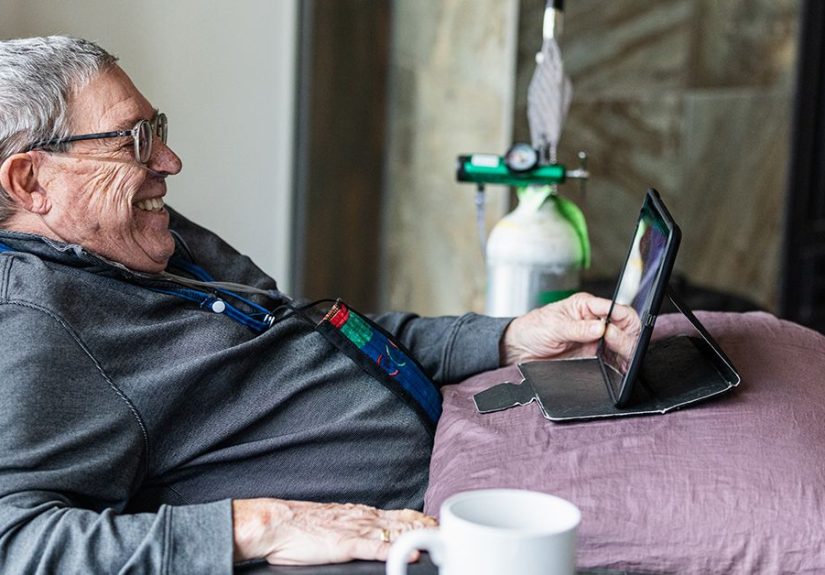
If oxygen levels are low, supplemental oxygen may be prescribed. It is not needed for everyone with COPD, but for certain people with severe resting hypoxemia, it can improve survival and daily function.
Take flare-ups seriously
If symptoms suddenly worsen, act early. Waiting three days while telling yourself, “Maybe tomorrow I will be mysteriously better,” is not an evidence-based care plan. Early treatment may prevent a small problem from becoming a hospital stay.
Signs that COPD may be getting worse
COPD progression is not always dramatic. Sometimes it shows up as a slow shrinking of what a person can do. Common signs that the outlook may be worsening include:
- More shortness of breath during everyday activities
- More frequent flare-ups or infections
- Emergency visits or hospitalizations
- Lower oxygen levels
- Trouble recovering after illness
- Weight loss or muscle weakness
- Swelling in the legs or signs of heart strain
- Needing help with tasks that used to be easy
These changes do not always mean the worst is imminent, but they do mean the care plan may need to be adjusted. Sometimes a medication change, rehab referral, oxygen assessment, nutrition support, or treatment for anxiety or sleep issues can make a real difference.
What helps people live better with COPD
Good COPD care is not only about extending life. It is also about making life more livable. Many people do best when they build a routine around the disease instead of constantly reacting to it.
Helpful habits include taking medications on schedule, keeping rescue inhalers accessible, following a COPD action plan, tracking symptom changes, pacing activities, and planning rest breaks before exhaustion hits. Home setup can matter too. A shower chair, less clutter, easier meal prep, and better indoor air quality may sound small, but these changes can preserve energy for things that actually matter.
Mental health also deserves a seat at the table. COPD can cause anxiety because breathlessness is scary. It can also cause depression because the disease may limit mobility, work, hobbies, and social life. Treating the mind is not separate from treating the lungs. It is part of the same project.
When to talk about palliative care and long-term planning
This topic makes some people nervous, but it should not. Palliative care is not the same thing as giving up. It focuses on symptom relief, comfort, and support for people living with serious illness. For someone with advanced COPD, it can help with breathlessness, fatigue, anxiety, and difficult treatment choices.
It is also wise to discuss advance care planning before a crisis. That may include talking about goals of care, hospital preferences, oxygen needs, ventilation decisions, and who should speak for you if you cannot speak for yourself. These conversations are not pessimistic. They are practical, and practical is deeply underrated.
Experiences related to COPD life expectancy and outlook
The numbers and medical terms are useful, but lived experience often explains COPD better than any chart. The following examples are composite scenarios based on common patterns seen in real COPD care, not individual case histories.
One person may be diagnosed in their early sixties after years of blaming shortness of breath on “just getting older.” At first, they can still work, shop, and handle chores, but everything takes longer. A flight of stairs becomes a negotiation. Carrying groceries turns into an event. Once they start a maintenance inhaler, quit smoking, and enroll in pulmonary rehab, daily life improves. They are still living with COPD, but they no longer feel like every breath is an unpaid internship.
Another person may have more advanced disease and frequent flare-ups during winter. Their outlook is shaped less by one spirometry score and more by the pattern of repeated infections, hospital visits, and exhaustion after each setback. What changes things for them is not one miracle treatment. It is a stack of practical decisions: vaccines on time, faster treatment at the first sign of worsening symptoms, better inhaler technique, home oxygen evaluation, and stronger follow-up with a pulmonary team. Their disease is still serious, but their care becomes smarter and more proactive.
A third person may have severe emphysema but surprises everyone by staying fairly stable for years. Why? They attend rehab, walk every day, eat well, avoid smoke exposure, and know their action plan cold. They have learned how to pace themselves without becoming completely sedentary. They say the hardest part is not always breathing. It is the unpredictability. Some days feel normal-ish. Other days feel like their lungs forgot the assignment. Even so, structure helps. Routine helps. Confidence helps.
Caregivers have their own experience too. They often become experts in noticing subtle changes before the person with COPD admits anything is wrong. They hear the cough change, notice the slower walk from the bedroom to the kitchen, or spot the growing pile of canceled plans. Their role matters because COPD often shifts the whole household rhythm. Good support can reduce fear, improve medication adherence, and help people seek care sooner when symptoms worsen.
The common thread across these experiences is this: outlook is not fixed. It is shaped over time by access to care, treatment habits, flare-up prevention, physical conditioning, emotional support, and whether the disease is managed early instead of chased late. Life expectancy matters, yes, but many people with COPD care just as much about whether they can keep walking the dog, cooking dinner, seeing grandkids, sleeping through the night, or making it to the mailbox without feeling like they climbed Everest in house shoes.
That is the real meaning of prognosis. It is not only about years. It is about what those years look like, how stable they are, and how much control a person can reclaim along the way.
Final takeaway
COPD is a serious progressive disease, but it is not a one-line prediction. Life expectancy depends on much more than stage alone. Symptoms, exacerbations, oxygen levels, smoking status, activity tolerance, nutrition, and other health conditions all shape the outlook.
The most important message is also the least flashy: early diagnosis, quitting smoking, consistent treatment, pulmonary rehab, infection prevention, and quick action during flare-ups can all help people with COPD live better and, in many cases, longer. That may not sound dramatic enough for a movie poster, but it is the kind of information that actually helps.