Table of Contents >> Show >> Hide
- Why Crispy Salmon and Salsa Verde Work So Well Together
- The Secret to Truly Crispy Salmon Skin
- Quick Dinner Recipe: Crispy Salmon with Zesty Salsa Verde
- Best Side Dishes for Crispy Salmon Salsa Verde
- Flavor Variations You Can Try
- Common Mistakes to Avoid
- Make-Ahead and Storage Tips
- Why This Recipe Belongs in Your Weeknight Rotation
- Extra Kitchen Experience: What Cooking This Dinner Teaches You
- Conclusion
Some dinners politely ask for your attention. This one walks into the kitchen wearing tap shoes. Crispy salmon with salsa verde is fast, colorful, bold, and just fancy enough to make a Tuesday night feel like it got promoted. The salmon brings golden, crackly skin and tender flakes; the salsa verde swoops in with parsley, basil, capers, garlic, lemon, and olive oil like a tiny green superhero cape.
The best part? This quick dinner recipe does not require culinary school, a drawer full of mystery gadgets, or the patience of a monk. With a dry salmon fillet, a hot skillet, and a bright herb sauce you can stir together while the fish cooks, you can get a restaurant-style meal on the table in about 25 minutes. That is less time than it takes to decide which streaming show you “might” watch while eating cereal over the sink.
This guide walks you through how to make crispy salmon with zesty salsa verde, why the technique works, what to serve with it, and how to avoid the common mistakes that turn salmon skin from crisp and proud into soft and apologetic.
Why Crispy Salmon and Salsa Verde Work So Well Together
Salmon is naturally rich, buttery, and full-flavored. That richness is exactly why it loves an acidic, herby sauce. Salsa verde cuts through the fattiness with lemon juice, vinegar, capers, and fresh herbs. Think of it as a flavor spotlight: the salmon is the star, but the salsa verde adjusts the lighting.
Traditional Italian-style salsa verde often includes parsley, capers, anchovies, garlic, vinegar or lemon, and olive oil. In this version, basil joins the party for a softer, summery aroma, while capers add a salty pop. Anchovies are optional, but they are not as scary as their reputation suggests. Used sparingly, they melt into the sauce and add savory depth rather than a loud “hello, I am a fish” announcement.
The texture contrast matters, too. Crispy salmon skin gives you that satisfying crackle, while the salsa verde stays loose, fresh, and spoonable. Add roasted potatoes, rice, couscous, green beans, or a simple salad, and suddenly your weeknight dinner has the confidence of a bistro menu.
The Secret to Truly Crispy Salmon Skin
The secret is not complicated, but it is a little bossy: dry the skin, season well, use enough oil, and leave the fish alone. Salmon skin crisps when moisture leaves and fat renders. If the skin is wet, it steams. And steamed fish skin is not crispy; it is just wearing a raincoat.
Start with Skin-On Salmon
For this recipe, choose skin-on salmon fillets, ideally center-cut pieces about 6 ounces each. Center-cut fillets cook more evenly because they are similar in thickness from end to end. Wild salmon is often leaner and may cook faster, while farmed salmon tends to be richer and more forgiving. Both can work beautifully.
Dry the Fish Like You Mean It
Pat the salmon dry with paper towels, especially on the skin side. If you have time, place the fillets skin-side up on a plate in the refrigerator for 20 to 30 minutes. This lightly dries the surface and improves browning. If you do not have time, do not panic. A very thorough pat-down still helps.
Cook Mostly Skin-Side Down
For crispy skin and moist flesh, cook the salmon mostly skin-side down. This lets the skin render and crisp while protecting the delicate flesh from harsh direct heat. Press gently with a fish spatula during the first minute to prevent curling. After that, let it cook undisturbed until the skin releases naturally and turns deep golden.
Quick Dinner Recipe: Crispy Salmon with Zesty Salsa Verde
This recipe serves four people, or two very hungry people plus one heroic lunch the next day.
Ingredients for the Salmon
- 4 skin-on salmon fillets, about 6 ounces each
- 1 teaspoon kosher salt, plus more to taste
- 1/2 teaspoon freshly ground black pepper
- 2 tablespoons neutral oil, such as avocado, canola, or grapeseed oil
- 1 lemon, cut into wedges
Ingredients for the Zesty Salsa Verde
- 1 cup fresh flat-leaf parsley, finely chopped
- 1/2 cup fresh basil, finely chopped
- 2 tablespoons capers, drained and chopped
- 1 small garlic clove, grated or minced
- 1 teaspoon lemon zest
- 2 tablespoons fresh lemon juice
- 1 tablespoon red wine vinegar
- 1/3 cup extra-virgin olive oil
- 1 anchovy fillet, minced, or 1/2 teaspoon anchovy paste, optional
- 1/4 teaspoon red pepper flakes, optional
- Kosher salt and black pepper, to taste
Step 1: Make the Salsa Verde
In a medium bowl, combine parsley, basil, capers, garlic, lemon zest, lemon juice, red wine vinegar, olive oil, anchovy if using, and red pepper flakes. Stir until the sauce looks glossy and loose. Taste it. If it seems flat, add a pinch of salt or a few more drops of lemon juice. If it tastes too sharp, add another splash of olive oil. Salsa verde should be lively, not rude.
You can chop everything by hand for a rustic texture or pulse it briefly in a food processor. Avoid blending it into a completely smooth puree. A little texture makes the sauce more interesting and helps it cling to the salmon.
Step 2: Prepare the Salmon
Pat the salmon dry on all sides. Season the flesh side and skin side with kosher salt and black pepper. Let the fillets sit at room temperature for about 10 minutes while you prepare your skillet. This short rest helps the fish cook more evenly.
Step 3: Heat the Pan
Place a large nonstick, stainless steel, or cast-iron skillet over medium-high heat. Add the oil and let it shimmer. The oil should look loose and glossy, but it should not smoke aggressively. If the pan starts acting like a dragon, lower the heat slightly.
Step 4: Sear Skin-Side Down
Place the salmon fillets in the skillet skin-side down. Press each fillet gently with a fish spatula for 10 to 15 seconds so the skin makes even contact with the pan. Cook for 5 to 7 minutes, depending on thickness, until the skin is crisp and golden and the flesh looks cooked about two-thirds of the way up the sides.
Do not poke, nudge, shuffle, or negotiate with the fish. If it sticks, it probably needs more time. Properly crisped salmon skin often releases more easily when it is ready.
Step 5: Flip and Finish
Flip the salmon and cook for another 1 to 3 minutes, just until the center reaches your preferred doneness. For food safety, fish is commonly recommended to reach 145°F, or to cook until the flesh is opaque and flakes easily with a fork. Many cooks prefer salmon slightly below that for a softer, juicier texture, so use your judgment, your thermometer, and your comfort level.
Step 6: Serve with Salsa Verde
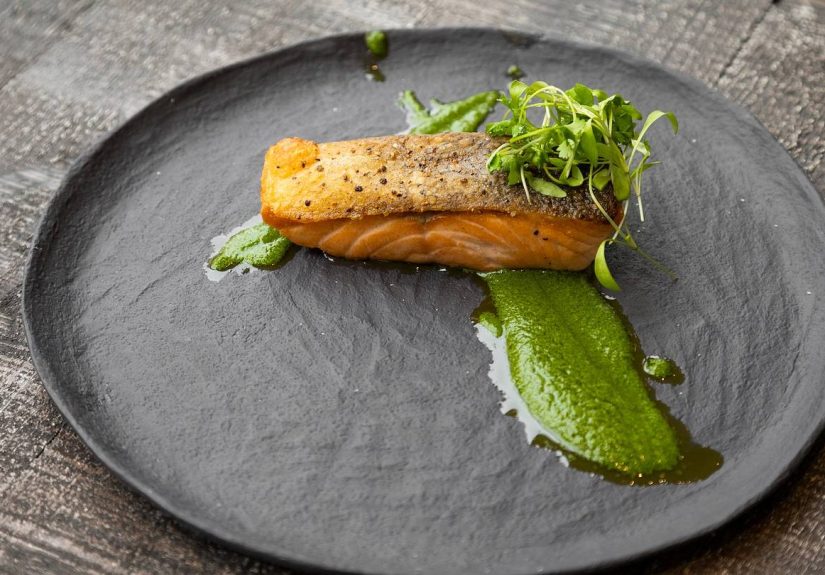
Transfer the salmon to plates, skin-side up if you want to preserve maximum crispness. Spoon salsa verde around or over the fillets, leaving part of the skin exposed so it stays crunchy. Add lemon wedges and serve immediately.
Best Side Dishes for Crispy Salmon Salsa Verde
This crispy salmon salsa verde recipe plays well with many sides. For a quick dinner, choose something that can cook while the fish rests or while you chop the sauce.
Roasted Potatoes
Roasted baby potatoes are the obvious overachievers here. Toss them with olive oil, salt, pepper, and a little garlic powder, then roast until golden. The salsa verde doubles as a potato sauce, which is convenient because potatoes enjoy being spoiled.
Rice or Couscous
Steamed jasmine rice, brown rice, or fluffy couscous makes the meal more filling. Spoon extra salsa verde over the grains and suddenly your side dish has stopped being “just rice” and started applying for awards.
Simple Green Vegetables
Green beans, asparagus, broccolini, peas, or sautéed spinach all work beautifully. Keep them simple: olive oil, salt, pepper, and lemon. The salmon and salsa verde already bring plenty of personality.
Fresh Salad
A crisp salad with arugula, cucumber, fennel, or radishes adds crunch and freshness. Use a light vinaigrette rather than a creamy dressing so the meal stays bright.
Flavor Variations You Can Try
Once you learn the basic method, this quick salmon dinner becomes endlessly flexible. The crispy salmon technique stays the same; the salsa verde can change depending on what is in your fridge.
Cilantro-Lime Salsa Verde
Swap parsley and basil for cilantro and mint. Use lime juice instead of lemon juice and add a small chopped jalapeño for heat. This version is excellent with rice, avocado, and charred corn.
Dill and Caper Salsa Verde
Use dill, parsley, capers, lemon, and olive oil for a sauce that leans classic seafood-house, but fresher and less predictable. It is especially good with roasted potatoes or cucumber salad.
Olive and Herb Salsa Verde
Add chopped green olives for a briny Mediterranean twist. This version is bold, salty, and fantastic with couscous or grilled vegetables.
Common Mistakes to Avoid
The path to crispy salmon is short, but there are a few potholes. Avoid these and your dinner will be in excellent shape.
Mistake 1: Wet Skin
Moisture is the enemy of crispness. Always dry the salmon thoroughly. If the skin looks shiny-wet, keep patting.
Mistake 2: Moving the Fish Too Soon
Salmon skin needs uninterrupted contact with the pan. Moving it too early can tear the skin and interrupt browning. Let the pan do its job.
Mistake 3: Drowning the Crispy Skin in Sauce
Salsa verde is delicious, but crispy skin is delicate. Spoon the sauce around the fish or over the flesh side. If you cover the skin completely, it will soften. Still tasty, yes. Crispy, no.
Mistake 4: Overcooking the Salmon
Salmon continues to cook slightly after it leaves the pan. Remove it just before it reaches your final preferred texture. A thermometer is helpful, especially if your fillets are thick.
Make-Ahead and Storage Tips
The salsa verde can be made up to three days ahead and stored in an airtight container in the refrigerator. The herbs may darken slightly, but the flavor will still be lively. Bring the sauce closer to room temperature before serving because olive oil can firm up when chilled.
Cooked salmon is best enjoyed immediately when the skin is crisp. Leftovers can be refrigerated for up to three days. To reheat, place the salmon skin-side down in a skillet over medium-low heat until warmed through. Avoid microwaving if you want to keep the skin from turning soft. Also, your microwave does not need to smell like a fishing boat with ambition.
Why This Recipe Belongs in Your Weeknight Rotation
This crispy salmon with salsa verde checks the boxes that busy home cooks actually care about. It is fast, nutritious, flavorful, and flexible. It feels special without creating a sink full of dishes. It also turns a small handful of everyday ingredients into something that tastes far more polished than the effort required.
Salmon provides protein and healthy fats, while the herb-packed salsa verde adds brightness without relying on heavy cream or butter. The whole recipe is naturally gluten-free when served with potatoes, rice, vegetables, or salad. It can also be adjusted for different tastes: leave out anchovies, add chili, use dill, swap basil for mint, or pile it over a grain bowl.
Most importantly, this is the kind of recipe that teaches a technique. Once you master crispy skin, you can use the same method for other skin-on fish fillets. Once you master salsa verde, you can spoon it over chicken, steak, eggs, roasted vegetables, sandwiches, or yesterday’s sad leftovers that need a pep talk.
Extra Kitchen Experience: What Cooking This Dinner Teaches You
The first time you make crispy salmon with zesty salsa verde, you may feel tempted to overmanage the process. That is normal. Fish has a reputation for being delicate, dramatic, and slightly judgmental. But this recipe rewards calm cooking. The most important experience it gives you is learning to trust the pan.
When salmon first touches hot oil, it may curl slightly. That is why a quick press with a spatula helps. After that, the best thing you can do is nothing. This feels suspiciously easy, which is exactly why many home cooks interfere. We want to flip, peek, adjust, and perform tiny kitchen ceremonies. But crispy skin needs steady contact and time. Leave the fillet alone, and the pan slowly turns soft skin into a golden crust.
You also learn how powerful contrast can be. A rich piece of salmon on its own is lovely, but add lemony salsa verde and the dish wakes up. The herbs bring freshness, the capers bring salt, the vinegar brings bite, and the olive oil pulls everything together. It is a reminder that great cooking is often about balance, not complication. You do not need 27 ingredients and a dramatic backstory. You need fat, acid, salt, herbs, and heat working together like a tiny dinner orchestra.
This recipe is also forgiving in real-life kitchens. Maybe your parsley bunch is smaller than expected. Add more basil. Maybe you forgot capers. Use chopped green olives. Maybe your salmon fillets are different sizes because the grocery store fish counter was feeling artistic. Pull the thinner pieces off the heat first. The more you cook this dish, the more you develop instincts: when the oil is ready, when the fish is releasing, when the sauce needs more lemon, when the skin is crisp enough to make you slightly smug.
Another useful experience is learning how to plate a meal without making it fussy. Place a scoop of rice or potatoes on the plate, lean the salmon beside it, spoon salsa verde around the fish, and add a lemon wedge. That is it. The colors do most of the work. Green sauce, golden skin, pink salmon, bright lemondinner looks designed, even if your kitchen towel is hanging from the oven door like it gave up hours ago.
Finally, this quick dinner recipe teaches the value of a “back-pocket sauce.” Salsa verde is more than a topping; it is a weeknight rescue plan. Make extra and use it the next day on scrambled eggs, roasted carrots, turkey sandwiches, grilled shrimp, or a bowl of beans and greens. Once you understand how a fresh herb sauce can transform simple food, you start cooking differently. You stop asking, “What complicated thing should I make?” and start asking, “What simple thing needs a great sauce?” That is a much better question, and it usually leads to dinner faster.
Conclusion
Crispy salmon meets zesty salsa verde in the best possible way: with speed, texture, color, and big flavor. The technique is simple enough for a weeknight but impressive enough for guests. Dry the salmon well, cook it mostly skin-side down, keep the sauce bright, and serve before the crispy skin has a chance to lose its charm.
Whether you plate it with roasted potatoes, rice, couscous, salad, or green vegetables, this quick dinner recipe delivers a meal that feels fresh, satisfying, and a little celebratory. It is proof that dinner does not need to be complicated to be memorable. Sometimes all you need is a hot skillet, a good piece of salmon, and a green sauce with attitude.