Table of Contents >> Show >> Hide
- Why This Deep-Dish Chicken Pot Pie Works
- Ingredients
- How to Make Deep-Dish Chicken Pot Pie
- Recipe Summary
- Best Chicken to Use
- Pie Crust vs. Puff Pastry
- How to Prevent a Soggy Crust
- Flavor Variations
- Make-Ahead Instructions
- Storage and Reheating
- Can You Freeze Chicken Pot Pie?
- What to Serve with Deep-Dish Chicken Pot Pie
- Common Mistakes to Avoid
- Experience Notes: What I Learned Making Deep-Dish Chicken Pot Pie
- Final Thoughts
Note: This original, publish-ready article is synthesized from widely used American cooking guidance, including tested recipe methods, baking practices, and food-safety recommendations from reputable U.S. culinary and government sources.
Some dinners politely ask to be eaten. A deep-dish chicken pot pie recipe walks into the room wearing a golden crust cape, bubbling creamy gravy at the edges, and announces, “Cancel your plans. Comfort has arrived.” This is the kind of meal that makes a regular Tuesday feel like a snow day, even if the weather outside is suspiciously normal.
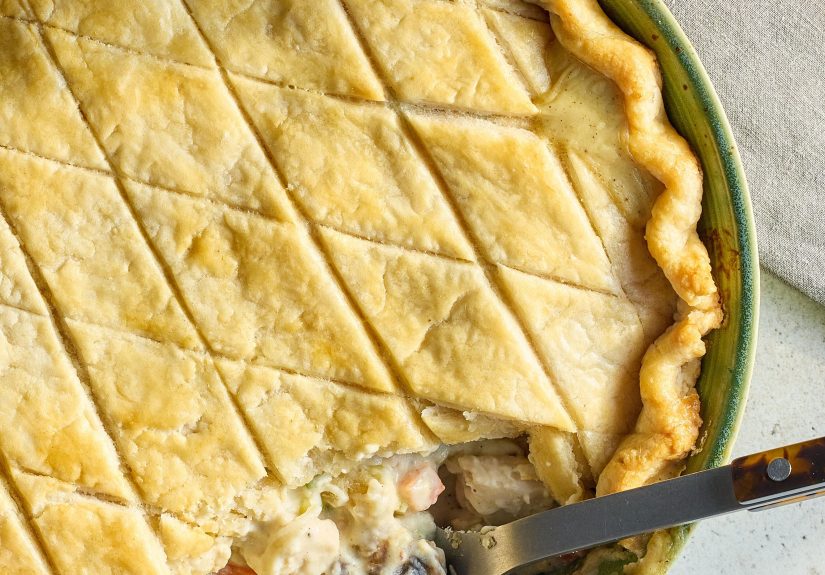
Deep-dish chicken pot pie is the heartier, more dramatic cousin of the classic chicken pot pie. Instead of a shallow filling and a timid crust, this version is built in a deeper baking dish with generous layers of tender chicken, sweet carrots, peas, celery, onion, herbs, and a rich homemade sauce. The top crust bakes into a flaky golden lid, while the filling below stays creamy, savory, and spoonable.
This recipe is designed for home cooks who want big flavor without turning dinner into a three-act kitchen opera. You can use leftover roast chicken, poached chicken, or rotisserie chicken. You can make your own pie crust or use a quality store-bought crust. The important part is building a filling with proper thickness, balanced seasoning, and enough vegetables to convince everyone this is technically responsible adult food.
Why This Deep-Dish Chicken Pot Pie Works
A great chicken pot pie needs three things: a creamy filling that is thick but not gluey, chicken that stays tender, and a crust that bakes up crisp instead of soggy. This deep-dish version solves those problems with a simple roux-based gravy, pre-cooked chicken, and a few smart baking tricks.
The filling starts with butter, onion, celery, and carrots. Once those vegetables soften, flour is stirred in to create a roux. Chicken broth and milk are added gradually, forming a smooth sauce that thickens as it simmers. A splash of cream makes it luxurious, while thyme, parsley, garlic, and black pepper keep it savory rather than bland. Frozen peas go in near the end so they stay bright and sweet instead of turning into tiny green ghosts.
Because this is a deep-dish pot pie, the filling must be slightly thicker than soup before it goes into the baking dish. If it is too thin, the crust can sink or become soggy. If it is too thick, it will feel heavy. The sweet spot is a gravy that coats the spoon and slowly slides off like it is taking its time on purpose.
Ingredients
For the Filling
- 4 tablespoons unsalted butter
- 1 medium yellow onion, finely diced
- 2 medium carrots, diced
- 2 celery ribs, diced
- 3 cloves garlic, minced
- 1/3 cup all-purpose flour
- 2 1/2 cups low-sodium chicken broth
- 3/4 cup whole milk
- 1/3 cup heavy cream
- 3 1/2 cups cooked chicken, shredded or diced
- 1 cup frozen peas
- 1/2 cup frozen corn, optional
- 1 teaspoon kosher salt, plus more to taste
- 1/2 teaspoon black pepper
- 1 teaspoon dried thyme or 1 tablespoon fresh thyme leaves
- 1/2 teaspoon dried parsley
- 1/4 teaspoon poultry seasoning, optional
- 1 teaspoon Dijon mustard, optional but excellent
For the Crust
- 1 large sheet pie dough or puff pastry, thawed if frozen
- 1 egg, beaten with 1 tablespoon water
- Flaky salt or cracked black pepper for topping, optional
Recommended Equipment
- One 9-inch deep-dish pie plate or 2-quart baking dish
- Large skillet or Dutch oven
- Whisk
- Rolling pin
- Baking sheet
How to Make Deep-Dish Chicken Pot Pie
Step 1: Preheat the Oven
Preheat your oven to 400°F. Place a rimmed baking sheet on the lower rack or line one with foil. Chicken pot pie has a charming habit of bubbling over, and while bubbling gravy is beautiful, scraping it off the oven floor is not a personality-building exercise anyone needs.
Step 2: Cook the Vegetables
Melt the butter in a large skillet or Dutch oven over medium heat. Add the onion, carrots, and celery. Cook for 6 to 8 minutes, stirring often, until the vegetables begin to soften. Add the garlic and cook for about 30 seconds, just until fragrant. Do not let the garlic brown too much, or it may become bitter.
Step 3: Build the Roux
Sprinkle the flour evenly over the vegetables. Stir constantly for 1 to 2 minutes. This step cooks off the raw flour taste and helps create a smooth, creamy chicken pot pie filling. The mixture will look thick and slightly pasty, which is exactly what you want. It is not glamorous yet, but neither is cake batter before the magic happens.
Step 4: Add Broth and Dairy
Slowly pour in the chicken broth while whisking or stirring. Add it gradually to prevent lumps. Once the broth is incorporated, stir in the milk and heavy cream. Bring the mixture to a gentle simmer and cook for 5 to 7 minutes, stirring frequently, until the sauce thickens enough to coat the back of a spoon.
Step 5: Add Chicken, Peas, and Seasoning
Stir in the cooked chicken, frozen peas, corn if using, salt, pepper, thyme, parsley, poultry seasoning, and Dijon mustard. Simmer for 2 to 3 minutes. Taste the filling and adjust the salt and pepper as needed. The filling should taste slightly bold at this stage because the crust will mellow the overall flavor once baked.
Step 6: Fill the Deep-Dish Pan
Spoon the hot chicken filling into a 9-inch deep-dish pie plate or a 2-quart baking dish. Leave a little space at the top so the filling can bubble without launching a dairy-based rebellion. If your dish is very full, definitely keep that baking sheet underneath.
Step 7: Add the Crust
Roll the pie dough or puff pastry slightly larger than the top of your baking dish. Place it over the filling and trim any large overhang. Tuck or crimp the edges against the dish. Cut 4 to 6 small slits in the top to let steam escape. Brush the crust with the egg wash for a glossy, golden finish.
Step 8: Bake Until Golden and Bubbling
Bake for 30 to 40 minutes, or until the crust is deeply golden and the filling is bubbling around the edges. If the crust browns too quickly, loosely tent it with foil. Let the pot pie rest for 10 to 15 minutes before serving. This short wait helps the filling settle, and it also prevents the first bite from removing your ability to taste dinner for the next three days.
Recipe Summary
| Prep Time | 25 minutes |
|---|---|
| Cook Time | 40 minutes |
| Resting Time | 10 minutes |
| Total Time | About 1 hour 15 minutes |
| Servings | 6 to 8 |
| Best Dish Size | 9-inch deep-dish pie plate or 2-quart baking dish |
Best Chicken to Use
The easiest option is rotisserie chicken. It is tender, flavorful, affordable, and already cooked, which means you get to skip one whole chapter of dinner prep. Leftover roast chicken or turkey also works beautifully. If you prefer cooking chicken from scratch, gently poach boneless chicken breasts or thighs in broth until cooked through, then shred or dice them.
Chicken thighs add richer flavor and stay juicy, while chicken breast keeps the filling leaner and classic. A mix of both gives you the best texture. Avoid overcooking the chicken before it goes into the filling because it will continue warming in the oven.
Pie Crust vs. Puff Pastry
Both options are delicious, but they create different pot pie personalities. Traditional pie crust gives you a buttery, sturdy top with a homey flavor. Puff pastry creates a lighter, shatteringly flaky lid that looks fancy with almost no extra effort. In other words, puff pastry is the friend who shows up in sunglasses and somehow makes sweatpants look expensive.
If using pie crust, keep it cold until you are ready to bake. Cold fat in the dough creates flaky layers. If using puff pastry, thaw it in the refrigerator and avoid stretching it too much, which can make it bake unevenly.
How to Prevent a Soggy Crust
A soggy crust usually comes from thin filling, trapped steam, or dough that gets too warm before baking. Make sure your filling is thick and hot before adding the crust. Cut vents into the top so steam can escape. Brush the crust with egg wash, and bake until it is fully golden, not just pale beige. Pale crust may look “done,” but it often tastes soft and underbaked.
For extra insurance, bake the pot pie on a preheated baking sheet. The heat from below helps the dish bake evenly and encourages better crust texture around the edges.
Flavor Variations
Herby Deep-Dish Chicken Pot Pie
Add fresh rosemary, sage, and thyme for a cozy holiday-style flavor. Use herbs carefully because rosemary and sage can dominate the filling if they get too enthusiastic.
Mushroom Chicken Pot Pie
Sauté 8 ounces of sliced mushrooms with the onion, carrots, and celery. Mushrooms add earthy depth and make the gravy taste richer without needing extra cream.
Biscuit-Topped Chicken Pot Pie
Skip the pie crust and drop biscuit dough over the filling. Bake until the biscuits are golden and cooked through. This version is rustic, fast, and dangerously good with a little honey butter.
Spicy Chicken Pot Pie
Add a pinch of cayenne pepper, smoked paprika, or diced jalapeño. You do not want the filling to taste fiery; you want just enough warmth to make everyone ask, “What’s in this?” while reaching for another scoop.
Make-Ahead Instructions
You can make the filling up to 2 days ahead. Let it cool, then store it in an airtight container in the refrigerator. When ready to bake, warm the filling gently on the stovetop before adding it to the baking dish. A hot filling helps the crust bake properly and reduces the chance of an underheated center.
You can also assemble the pot pie a few hours ahead and refrigerate it unbaked. If baking straight from the refrigerator, add 5 to 10 extra minutes to the bake time. Watch the crust and cover it loosely with foil if it browns too fast.
Storage and Reheating
Store leftover chicken pot pie covered in the refrigerator for 3 to 4 days. Reheat individual portions in the microwave for convenience, but use the oven if you want to revive the crust. For best texture, place leftovers in a 350°F oven until hot in the center. If the crust begins to darken, cover it loosely with foil.
For food safety, leftovers should be reheated until they reach 165°F. Creamy chicken dishes are wonderful, but they still deserve proper handling. Comfort food should comfort you, not send you into a dramatic relationship with your thermometer.
Can You Freeze Chicken Pot Pie?
Yes. Deep-dish chicken pot pie freezes well, especially before baking. Assemble the pie in a freezer-safe dish, wrap it tightly in plastic wrap and foil, and freeze for up to 2 months. For best results, bake from frozen at 375°F, covering the crust with foil for part of the baking time. It may take 60 to 75 minutes, depending on the depth of the dish.
You can also freeze the filling separately. This is often the best method because you can thaw the filling, warm it, add fresh crust, and bake a pot pie that tastes freshly made.
What to Serve with Deep-Dish Chicken Pot Pie
This recipe is already rich and satisfying, so simple sides work best. Serve it with a crisp green salad, roasted green beans, steamed broccoli, cranberry sauce, or quick pickled cucumbers. If you want a cozy dinner spread, add mashed potatoes, but understand that you are now entering “nap after dinner” territory.
A light side with acidity balances the creamy filling beautifully. Lemon vinaigrette, apple cider vinegar slaw, or a simple arugula salad can make the meal feel fresh instead of heavy.
Common Mistakes to Avoid
Using Watery Filling
The filling should be thick before baking. If it looks soupy in the skillet, simmer it a little longer. A deep-dish pot pie needs structure so every serving holds chicken, vegetables, gravy, and crust together.
Forgetting to Vent the Crust
Steam needs somewhere to go. Without vents, it can soften the crust or cause filling to bubble out aggressively. A few small slits solve the problem.
Underseasoning the Sauce
Creamy fillings need enough salt, pepper, herbs, and aromatics. Taste before baking. Once the crust goes on, seasoning becomes much harder unless you plan to whisper encouragement through the vents.
Serving Too Soon
Letting the pot pie rest is not optional. It allows the sauce to thicken slightly and makes serving easier. Ten minutes is enough time to set the table, toss a salad, and defend the corner piece from opportunistic relatives.
Experience Notes: What I Learned Making Deep-Dish Chicken Pot Pie
The first time you make a deep-dish chicken pot pie, it may feel like a humble recipe. Chicken, vegetables, gravy, crustnothing wild. But the magic is in the small choices. Dice the carrots evenly, and they cook at the same pace as the celery. Simmer the sauce until it coats a spoon, and the filling becomes silky instead of runny. Use enough herbs, and the whole kitchen starts to smell like someone’s grandmother has been secretly hired as a consultant.
One of the best lessons is that pot pie is forgiving, but it is not careless. You can swap peas for green beans, use turkey instead of chicken, or top it with biscuits instead of pastry. But the balance matters. Too much chicken and the filling feels dry. Too many vegetables and it turns into stew wearing a hat. Too much flour and the sauce becomes stiff. The goal is a creamy filling that moves slowly when spooned, with enough gravy to coat everything but not so much that it floods the plate.
Rotisserie chicken is the weeknight hero here. It brings seasoning and tenderness with almost no work. However, homemade poached chicken has its own charm, especially if you cook it gently in broth with bay leaf, peppercorns, and onion. The broth left behind can go right into the sauce, creating deeper flavor. That is the kind of kitchen efficiency that makes you feel like you deserve your own cooking show, even if the camera crew is just your dog staring hopefully at the floor.
The crust teaches patience. Warm dough is difficult to handle and less flaky after baking. Cold dough behaves better and gives you that crisp, layered bite everyone wants. If the kitchen is warm, chill the dough for a few minutes before placing it over the filling. Brushing it with egg wash gives the top a bakery-style shine, and a sprinkle of flaky salt adds just enough crunch to make the crust taste special.
Another practical experience: deep-dish pot pie is best served with a large spoon, not a pie server. This is not a neat dessert slice, and it does not need to be. The beauty of chicken pot pie is in the scoopthe creamy filling, the tender vegetables, the golden crust cracking into the gravy. It should look generous and cozy, not architectural.
Leftovers are excellent, though the crust softens in the refrigerator. Reheating in the oven brings back some crispness, especially if you uncover the pie near the end. A small portion with a fresh salad makes a fantastic lunch. A larger portion eaten while standing near the fridge at 10 p.m. is not officially recommended, but history suggests it happens.
Most of all, this recipe proves why classic comfort food lasts. A deep-dish chicken pot pie does not rely on trends. It is warm, practical, filling, and deeply satisfying. It uses simple ingredients and turns them into something that feels like a reward. Whether you make it for Sunday dinner, a chilly evening, a family gathering, or a friend who needs cheering up, it delivers the same message every time: sit down, breathe, and have another bite.
Final Thoughts
This Deep-Dish Chicken Pot Pie Recipe is everything a comfort-food dinner should be: creamy, hearty, golden, and generous enough to feed a hungry table. The homemade filling gives you rich flavor without relying on canned soup, while the flaky crust makes every serving feel special. With tender chicken, classic vegetables, herbs, and a sauce that is thick but never heavy, this recipe belongs in your regular dinner rotation.
Make it from scratch when you have time, use rotisserie chicken when the day has been rude, and do not be afraid to customize the vegetables or crust. Deep-dish chicken pot pie is flexible, friendly, and always welcome. It is not just dinnerit is a warm blanket in casserole form.