Table of Contents >> Show >> Hide
- Why naming a single “best” full-spectrum CBD tincture is tricky in 2025
- What “full-spectrum” usually means
- The five qualities the best full-spectrum CBD tinctures should have in 2025
- Red flags that deserve an immediate “nope”
- Who should be especially cautious
- How adults can evaluate a product without falling for the hype
- Common adult experiences with full-spectrum CBD tinctures in 2025
- Final thoughts
Search interest in full-spectrum CBD tinctures keeps growing, and so does the marketing drama. One bottle promises “calm in a dropper.” Another hints at miracle-level wellness, as if a tiny amber bottle personally pays your bills and answers your emails. Real life is less cinematic. In 2025, the smarter question is not, “Which tincture has the flashiest label?” It is, “Which products look transparent, responsibly labeled, and less likely to surprise me in all the wrong ways?”
That matters because full-spectrum CBD sits in a confusing corner of the wellness market. It is sold like a lifestyle accessory, discussed like a supplement, and regulated in ways that leave many shoppers scratching their heads in the aisle and again when they get home. Add in trace THC, inconsistent quality, bold health claims, and plenty of internet myth-making, and suddenly “shopping carefully” sounds less like a suggestion and more like a survival skill.
This guide does not hand out a simplistic “top five bottles” trophy list. Instead, it explains the five qualities that the best full-spectrum CBD tinctures should have in 2025, the red flags that deserve a hard pass, and the real-world experiences adults commonly describe when they try to navigate this category. Think of it as a buyer’s guide with its feet on the ground and its eyebrows permanently raised at hype.
Why naming a single “best” full-spectrum CBD tincture is tricky in 2025
The biggest reason is simple: the market is crowded, but not equally trustworthy. Many CBD products are sold online and in stores with labels that sound scientific, soothing, or impressively rustic. A label can say “natural,” “premium,” “whole-plant,” or “farm fresh,” and still leave out the details that actually matter, like how much CBD is in one serving, how much THC may be present, whether the batch was tested for contaminants, and whether the company is making claims it cannot prove.
Another complication is that shoppers often confuse hemp legality with product quality. Those are not the same thing. A hemp-derived product may exist in the marketplace, but that does not automatically mean it is well tested, clinically proven, or appropriate for everyone. That gap between availability and evidence is where a lot of consumer confusion lives rent-free.
Then there is the full-spectrum factor. Unlike broad-spectrum or CBD isolate products, full-spectrum tinctures are typically marketed as containing CBD plus other cannabinoids, plant compounds, and at least some amount of THC. For some adult shoppers, that sounds like a feature. For others, especially those subject to workplace drug testing or sensitive to THC, it is the kind of footnote that can become a headline later.
What “full-spectrum” usually means
In plain English, full-spectrum CBD tincture generally refers to a hemp extract that includes CBD along with other naturally occurring compounds from the plant, such as minor cannabinoids and terpenes, plus some THC. Marketers often talk about an “entourage effect,” suggesting that these compounds may work together differently than CBD alone. It is a popular concept, but consumers should not treat it like a magic password that guarantees better results.
The presence of THC is the practical issue most shoppers need to understand. Even if the amount is small, it still matters. It can affect how a person feels, it can matter for people trying to avoid psychoactive effects, and it can matter for drug testing. This is one reason experienced consumers often read the lab report before they read the flavor description. “Citrus mint” is nice. “Accurate THC disclosure” is nicer.
The five qualities the best full-spectrum CBD tinctures should have in 2025
1. A current, batch-specific Certificate of Analysis
If a company wants your trust, it should not make you play detective for basic proof. A credible full-spectrum CBD tincture should have a recent, batch-specific Certificate of Analysis, often called a COA, from an independent lab. That report should match the exact product or lot you are considering and clearly show cannabinoid content. In other words, the product should not ask you to “just vibe with it.”
The best COAs are easy to find through a QR code, batch number, or product page, and they are readable by normal humans who do not moonlight as forensic chemists. A good report should identify CBD content, THC content, and whether the sample was screened for issues like heavy metals, pesticides, solvents, or microbial contamination. If the COA is missing, outdated, or suspiciously hard to locate, that is not a cute little inconvenience. That is a warning sign.
2. Clear THC disclosure with no games
Full-spectrum means THC is part of the conversation. Honest brands make that obvious. They do not bury it in fine print or hide behind vague language. They tell you the amount per serving or per bottle, explain that even trace THC can matter, and avoid pretending the product is basically the same as a THC-free item.
This is especially important for adults who drive, work in safety-sensitive jobs, or may be tested for cannabis. A product can be hemp-derived and still create practical problems if the buyer assumes “hemp” automatically means “zero THC.” It does not. The most trustworthy products in 2025 are not the ones that sound the most relaxed. They are the ones that communicate the clearest boundaries.
3. Contaminant testing that goes beyond potency
A label that brags about milligrams but says nothing about contaminants is giving half the story. Hemp can absorb substances from the environment, and poor manufacturing practices can create additional problems. That is why potency alone is not enough. A better tincture should be tested for heavy metals, pesticides, residual solvents, and microbial contamination where relevant.
In a category where shoppers often assume “plant-based” equals “harmless,” this matters a lot. Plants are wonderful. So are tomatoes. Neither should be accepted blindly in extract form just because the packaging uses earthy colors and a leaf graphic. The best products respect the difference between marketing aesthetics and safety information.
4. Realistic labeling and claims
A trustworthy CBD tincture should describe what it is, not what it fantasizes about becoming. Watch for labels that imply treatment, cure, or guaranteed relief for serious medical conditions. That style of marketing may sound confident, but often it is a sign the company is more interested in selling hope than providing evidence.
Better brands use restrained language. They explain ingredients, serving size, storage, and batch testing. They do not act like one bottle can solve stress, pain, sleep, focus, aging, inflammation, and your complicated relationship with Monday mornings. In a mature market, realism is a quality signal.
5. Packaging and instructions that help adults make safer decisions
The best full-spectrum CBD tinctures in 2025 should be labeled for adults with plain, specific guidance. That includes the amount of CBD per serving, total CBD per bottle, ingredients, allergen disclosures where relevant, and storage information. Child-resistant packaging is also a major plus, especially in homes where kids may mistake flavored tinctures for something harmless.
Good packaging does not overcomplicate the basics. It helps adults understand what is in the bottle, how concentrated it is, and what cautions matter before use. Confusing labels create bad outcomes. Clear labels prevent them. It is not glamorous, but neither is an accidental exposure or a failed drug test.
Red flags that deserve an immediate “nope”
Some warning signs show up before you even open the product page. Be cautious if a brand hides its lab testing, makes disease claims, refuses to discuss THC, or relies on vague phrases like “proprietary blend” without giving measurable details. Another common red flag is a price that seems strangely low for a product claiming premium extraction, third-party testing, and clean sourcing. Sometimes a bargain is a bargain. Sometimes it is just mystery juice with a marketing budget.
Also be wary of labels that overload the front of the bottle with mood promises while pushing the actual data into tiny print. A trustworthy tincture should not make the important information hard to find. If the product page spends more time talking about serenity, balance, and vibes than about the COA, that is useful information too.
Who should be especially cautious
Full-spectrum CBD tinctures are not a casual fit for everyone. Adults who take prescription medications should be cautious because CBD may interact with certain drugs. People with liver concerns should be careful. Pregnant or breastfeeding individuals should avoid treating CBD like a harmless wellness shortcut. Children and teens should not be experimenting with cannabis-derived products unless a qualified clinician is directly involved, because there are still important safety unknowns and special developmental concerns.
People who must pass drug tests should also approach full-spectrum products with extreme caution. This is not paranoia. It is practical math. If a product contains THC and you are trying to avoid THC exposure, “probably fine” is not a strategy. It is a gamble wearing yoga pants.
How adults can evaluate a product without falling for the hype
Start with the COA, not the influencer quote. Check whether the batch report is recent and product-specific. Compare the CBD amount on the label to the lab report. See whether THC is clearly disclosed. Look for contaminant screens. Then read the company’s claims with a slightly skeptical eye. If the language sounds too sweeping or too miraculous, assume the marketing department had too much coffee.
Next, think about your own situation before you think about the brand’s promises. Are you trying to avoid THC entirely? Are you on medications? Are you shopping for a household with children? Do you live in a state with stricter rules or different retail norms? Good shopping is not just about product quality; it is about product fit. A bottle can be well made and still be wrong for a particular adult.
Finally, remember that “more expensive” does not always mean better, and “hemp-derived” does not equal “risk-free.” In 2025, the best-informed shoppers are the ones who treat full-spectrum CBD tinctures less like trendy accessories and more like products that deserve careful scrutiny.
Common adult experiences with full-spectrum CBD tinctures in 2025
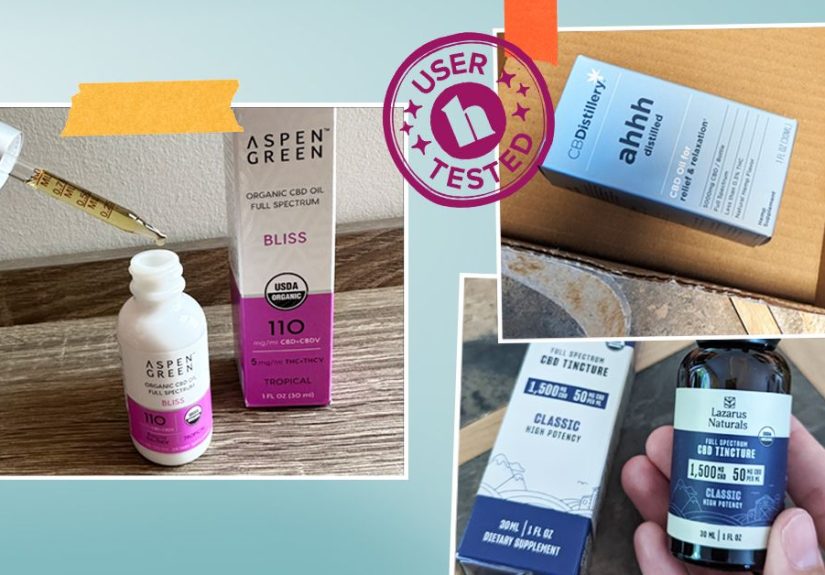
One of the most common experiences adults describe is simple confusion at the point of purchase. They start out thinking they are choosing between a few relaxing wellness products and quickly realize they are actually choosing between radically different labels, strengths, and THC disclosures. One bottle says “1,500 mg hemp extract,” another says “50 mg per serving,” and a third waves around the phrase “whole-plant formula” like that explains everything. Many people report that the first challenge is not deciding whether a product seems appealing. It is figuring out what the bottle is even saying.
Another common experience is surprise at how “full-spectrum” feels less straightforward than it sounded online. Some adults go in expecting a gentle, neutral product and then realize they are uneasy about the THC piece. They worry about a job-related test, about feeling groggy, or about taking something that may not mix well with other medications. In real life, the decision often becomes less about curiosity and more about risk tolerance. People who thought they wanted the “most complete” hemp formula sometimes decide that broader is not always better if it also means broader uncertainty.
Adults also often talk about how much trust rides on the lab report. A product with a clear, current COA tends to feel more credible before the bottle is even opened. Without one, confidence drops fast. Consumers regularly describe a mental shift that happens once they learn to read testing documents: they stop shopping by mood and start shopping by evidence. That is a healthy shift. The more a category depends on self-education, the more valuable transparency becomes.
Taste and routine are another real-world theme. Full-spectrum tinctures are often described as earthy, grassy, bitter, or “like a health food store in liquid form.” Some adults do not mind that at all. Others clearly mind it a lot. This may sound minor, but it shapes whether a product becomes part of someone’s routine or gets pushed to the back of the cabinet next to the abandoned protein powder and the chia seeds bought during an optimistic phase. In other words, label quality matters, but so does user experience.
Many adult consumers also report that expectations can drift far away from reality. Marketing language often sets the mood for dramatic results, while actual consumer experiences are usually more mixed, subtle, or inconsistent. Some people feel nothing noticeable. Some say they feel too sleepy. Some become more cautious after learning that full-spectrum products are not interchangeable and that a product’s effect can depend on concentration, other ingredients, timing, and personal sensitivity. The gap between marketing confidence and real-world unpredictability is one of the defining experiences of this category.
There is also the household factor. Adults with children often describe becoming far more careful about storage after learning how appealing flavored or wellness-style products can look to a child. A tidy amber bottle on the kitchen counter may seem harmless to an adult and interesting to a toddler. That is why safer packaging and out-of-reach storage come up so often in responsible consumer conversations. A product is not just a personal choice once it enters a home.
Perhaps the most useful adult experience to learn from is the one that begins with overconfidence and ends with better questions. People start by asking, “Which one is best?” Then, after reading labels, checking testing, and thinking through THC exposure, they begin asking smarter questions: “What is actually in this bottle?” “What does the lab report show?” “Could this create problems with my medications, pregnancy plans, or job?” That shift is not boring. It is the difference between shopping and informed decision-making.
Final thoughts
If there is one truth about full-spectrum CBD tinctures in 2025, it is this: the smartest buyer is not the one chasing the loudest brand. It is the one reading the fine print, checking the COA, taking THC seriously, and refusing to confuse availability with proof. The best products in this category are not “best” because the label looks premium or the internet says they are life-changing. They are better because they are transparent, honestly tested, responsibly labeled, and realistic about what they can and cannot claim.
That may not be the flashiest answer in a market full of miracle language. But it is the useful one. And useful tends to age better than hype.