Table of Contents >> Show >> Hide
- What “Légumier” Really Means (And Why It’s Not Just a Bowl)
- The “Empire” Part: Why This Dish Sounds Like It Owns a Palace
- So What Is the Grand Légumier Empire, Specifically?
- Why Porcelain (and Ceramic) Wins for Oven-to-Table Cooking
- How to Use a Grand Légumier Like You’re Hosting (Even If You’re Not)
- Styling the Table: Making “Empire” Feel Modern
- Buying, Collecting, and Not Getting Fooled by a “Cute Chip”
- Care Tips: Keep Your Porcelain Looking Like It Has Staff
- of Real-World “Grand Légumier Empire” Experience (Without the Fairy Tale)
- Final Thoughts: An “Empire” That Makes Dinner Better
Some kitchen pieces are born to work. Others are born to be photographed. And then there’s the Grand Légumier Empirethe rare overachiever that
can go from “look at my elegant table!” to “yes, I baked dinner in this” without changing outfits.
If the name sounds like it should come with a tiny crown and its own theme music, that’s kind of the point. “Grand” signals a generous, centerpiece-ready
serving vessel. “Légumier” points to vegetables (and the French talent for making vegetables feel like a special occasion). And “Empire” nods to a design
tradition that loves symmetry, classical references, and just a hint of drama.
What “Légumier” Really Means (And Why It’s Not Just a Bowl)
In classic table settings, a légumier is a dedicated vegetable serving dishoften lidded, sometimes footed, usually shaped to keep
vegetables warm and presentable while the rest of dinner does its thing. Think: the formal cousin of your everyday serving bowl, the one that shows up when
the menu includes words like “glazed,” “roasted,” or “finished with herbs.”
Traditionally, this is the vessel for green beans, buttered peas, braised carrots, or whatever vegetable you’re trying to get people genuinely excited about.
And honestly? The right dish helps. We eat with our eyes first, and a designated vegetable dish gives sides the respect they deservewithout making them fight
for attention on a crowded table.
The “Empire” Part: Why This Dish Sounds Like It Owns a Palace
“Empire” isn’t just a fancy label; it’s a design language rooted in early-19th-century tastean era that loved classical forms and bold symbolism.
Empire style takes cues from the ancient world (think Rome and Greece), then adds unmistakable imperial vibes: symmetry, strong silhouettes, and motifs that
signal power and prestige.
On furniture and decorative arts, Empire references often show up as crisp geometry, laurel wreaths, eagles, stars, and other “victory energy” details.
Even if your version is modern and minimalist, the name still suggests a piece designed to feel important on the tablelike the vegetable dish
has been promoted to executive leadership.
So What Is the Grand Légumier Empire, Specifically?
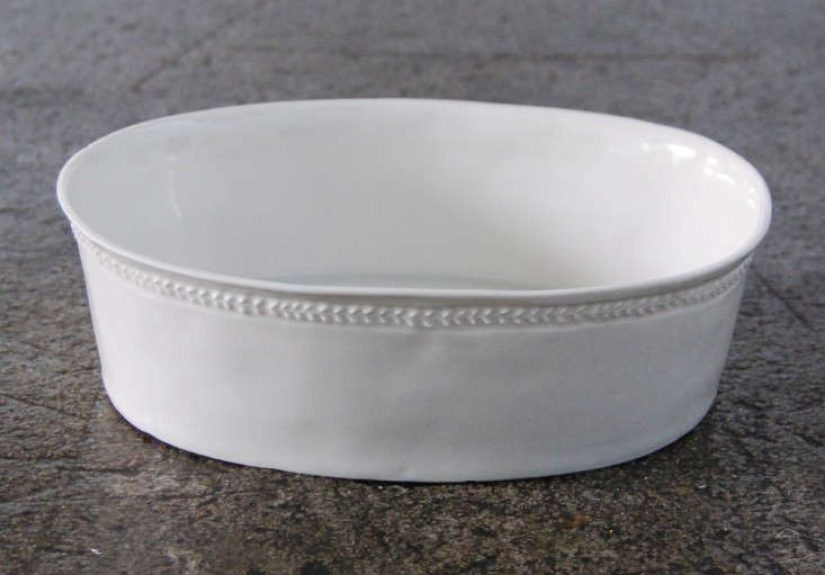
In contemporary design circles, Grand Légumier Empire is best known as a porcelain piece associated with Alix D. Reynis,
a Paris-based designer celebrated for refined porcelain tableware. The concept is beautifully practical: a dish meant for
presentation that’s also comfortable doing real oven work.
In other words, it’s not a “handle with white gloves only” object. It’s a
porcelain bake-and-serve dishthe kind you can use for a bubbling vegetable gratin, carry straight to the table, and serve like you planned
the whole evening weeks in advance (even if dinner started as a frantic “what’s in the fridge?” moment).
Design logic you can feel
The beauty of a great légumier is that it’s shaped for generosity: enough surface area to show off color and texture, plus enough depth to hold heat and
sauces without turning your table into a slip-and-slide. The “Grand” part isn’t just about sizeit’s about presence. A dish like this sits in the center and
quietly tells everyone: “Yes, the vegetables are worth talking about.”
Why Porcelain (and Ceramic) Wins for Oven-to-Table Cooking
When people talk about their favorite casserole dish, they’re often praising the same few physics-friendly qualities:
even heating, heat retention, and table readiness. Ceramic and porcelain are popular because they tend to distribute heat
steadily and keep food warm after leaving the ovenexactly what you want when dinner and conversation refuse to run on the same schedule.
This matters for vegetables more than you’d think. A good dish helps keep roasted broccoli from going lukewarm and sad, keeps gratins creamy, and gives saucy
sides (hello, green beans) time to settle and thicken instead of separating into “watery on the bottom, dry on top.”
What to look for in an Empire-style porcelain serving/baking dish
- Comfortable depth: Deep enough for layered vegetables and sauces, but not so deep that everything steams into softness.
- Stable base: You want a dish that sits confidentlyno wobbles, no drama (save the drama for the name).
- Glazed interior: Makes cleanup easier and helps prevent lingering flavors from garlic’s greatest hits.
- Oven-to-table personality: If it looks great on the table, you’ll actually use it instead of hiding it in the back of a cabinet.
How to Use a Grand Légumier Like You’re Hosting (Even If You’re Not)
The most satisfying thing about a piece like the Grand Légumier Empire is how it upgrades everyday cooking without forcing you into
“formal dinner party mode.” It can be casual. It can be fancy. It can be a Wednesday. Here are a few high-impact, low-stress ways to put it to work.
1) The golden gratin (aka “cheese makes vegetables negotiable”)
Slice potatoes or cauliflower thin, layer with cream (or a lighter milk-and-stock mix), add garlic, thyme, and a calm-but-confident amount of cheese.
Bake until bubbling and bronzed. Serve directly in the dish. Accept compliments as if you’re always like this.
2) Ratatouille that actually looks like ratatouille
A wide dish helps. When vegetables aren’t piled into a tower, they roast and soften more evenly. Arrange zucchini, eggplant, tomatoes, and peppers with olive
oil and herbs. The dish becomes part of the presentationlike edible stained glass, but tastier and less likely to cut you.
3) Roasted carrots with “holiday energy”
Roast carrots until tender, then finish with a glaze: maple + Dijon, or honey + citrus, or brown butter + sage if you want to feel unstoppable. The dish
keeps the glaze warm and glossy, which makes the whole thing feel restaurant-level without restaurant-level effort.
4) The “I brought a side” potluck move
A serving-and-baking dish is secretly a transport strategy. Bake the side, let it cool slightly, cover it well, and show up looking like you planned
aheadbecause your dish did the planning for you.
Styling the Table: Making “Empire” Feel Modern
Here’s the trick: you don’t need to decorate like you live in a museum. Let the dish’s presence do the work, then keep the rest calm and intentional.
Empire style loves symmetry, so even simple choiceslike centering the dish on a runner or pairing it with matching serving spoonsfeel “designed.”
Easy styling formulas that never fail
- White + natural textures: Linen, wood, rattan, or simple ceramics keep the focus on the food.
- Classic greenery: Bay leaves, rosemary, or olive branches quietly echo that laurel-wreath heritage without screaming “history lecture.”
- One statement, not five: Let the Grand Légumier be the lead actor. Everything else is supporting cast.
Buying, Collecting, and Not Getting Fooled by a “Cute Chip”
If you’re shopping for an Empire-style légumier (modern or vintage), think like a practical romantic: fall in love, but inspect closely.
Porcelain and stoneware can last ages, but they don’t appreciate sudden temperature changes or being introduced to hard countertops at high speed.
Smart checks before you commit
- Run a fingertip around the rim: Tiny chips can be sharp and can spread over time.
- Look for hairline cracks: Especially near handles or base edges, where stress concentrates.
- Check for crazing: Fine surface crackle in the glaze can be purely cosmeticor a sign of age and wear, depending on the piece.
- Ask about oven safety: Some vintage pieces are best kept for serving only.
Care Tips: Keep Your Porcelain Looking Like It Has Staff
The easiest way to keep a piece like this gorgeous is to avoid the two things ceramics hate most:
thermal shock and clanking stacks.
- Warm it gradually: Don’t go straight from freezer to a blazing hot oven unless the maker explicitly says it’s safe.
- Let it cool before washing: Cold water on hot ceramic is a recipe for stress fractures.
- Use gentle tools: A soft sponge protects glazes and keeps surfaces looking new.
- Store with a buffer: If stacking, place a towel or felt layer between pieces to prevent scratches.
of Real-World “Grand Légumier Empire” Experience (Without the Fairy Tale)
Imagine this dish entering your life the way the best kitchen tools do: quietly at first, then suddenly it’s involved in everything.
Week one, it’s “just” a pretty piece you use for roasted vegetables. Week two, you realize it solved three annoying problems you didn’t even know you had:
your sides stay warm longer, your table looks pulled together faster, and you’ve stopped serving everything out of whatever bowl was clean.
On a normal weeknight, the experience is less “imperial banquet” and more “I have 35 minutes and exactly one functioning brain cell.” You toss broccoli with
olive oil, salt, pepper, and garlic, roast it, and bring the dish to the table. The vegetables don’t cool off immediately, so seconds are still enjoyable.
Nobody’s microwaving their portion like it’s a leftover from yesterday’s regrets. The dish does what good design is supposed to do: it disappears into the
routine while making the routine better.
Then there’s the “I swear this was easy” dinner with friends. You bake a vegetable gratinthinly sliced potatoes with thyme, a little cheese, maybe a
crumble topping if you want maximum crunchand the dish comes out bubbling like it’s proud of you. You set it down, and suddenly everyone is acting like you
attended culinary school, even though your true qualification is that you can read a recipe and refuse to panic. The dish looks intentional, which makes the
whole meal feel intentional. Guests take photos. Someone asks where you got it. You get to shrug casually instead of admitting you made the meal while still
wearing mismatched socks.
Holidays are where the “Grand” part earns its paycheck. The dish becomes the landing pad for glazed carrots, green beans, roasted squash, or a giant tray of
layered vegetables that you didn’t want to squeeze into a too-small pan. It sits in the center of the table like it belongs there. And because it retains
heat well, people can graze at a normal human pace instead of racing the clock. That’s a surprisingly big quality-of-life upgrade when the kitchen is already
juggling a main dish, side dishes, and at least one person who keeps opening the oven “to check on it” (which is never helpful).
Even leftovers improve. The dish is roomy enough that you can reheat gently without scraping baked-on corners from a cramped container. It’s wide enough that
you can portion cleanlyno “gratinslide,” no collapsing casserole cliffs. And when it’s not in use, it still earns its space: it can hold citrus on the
counter, act as a serving piece for salads, or simply sit there looking like you have your life together. Not because you do. Because your dish does.
Final Thoughts: An “Empire” That Makes Dinner Better
The Grand Légumier Empire idea is simple: elevate vegetables by giving them a vessel that respects both flavor and presentation.
Whether you’re drawn to the Empire-inspired name, the porcelain practicality, or the oven-to-table charm, this is the kind of piece that rewards usenot
perfection. It makes sides feel special, keeps food warm, and turns “just vegetables” into a moment.