Table of Contents >> Show >> Hide
- What Is Helichrysum Essential Oil?
- Potential Benefits of Helichrysum Essential Oil
- How to Use Helichrysum Essential Oil Safely
- Precautions You Should Not Skip
- How to Choose a Better Bottle
- When Helichrysum Essential Oil Is Worth Trying
- What Using Helichrysum Essential Oil Often Feels Like in Real Life
- Conclusion
If lavender is the polite houseguest of the essential-oil world, helichrysum is the mysterious cousin who arrives smelling faintly of warm herbs, sunshine, and something suspiciously close to curry. Also called immortelle or everlasting, helichrysum essential oil has built a loyal following in skincare, aromatherapy, and natural wellness circles. Fans use it for everything from post-workout massage blends to skin-soothing routines. The catch? The internet often treats it like a magical golden potion in a bottle, when the truth is more interesting and a lot more useful.
Helichrysum essential oil does have promising properties. Research suggests it may offer anti-inflammatory, antioxidant, and antimicrobial effects, and traditional uses have long linked it with skin support and comfort care. But “promising” is not the same thing as “proven,” and essential oils are concentrated substances that can irritate skin, trigger allergies, or cause toxicity if misused. In other words, this is not the oil to freestyle with just because it smells fancy.
Here’s what helichrysum essential oil is, what it may actually help with, how people commonly use it, and the precautions that matter before you start anointing every bruise, bath, and bedside diffuser in sight.
What Is Helichrysum Essential Oil?
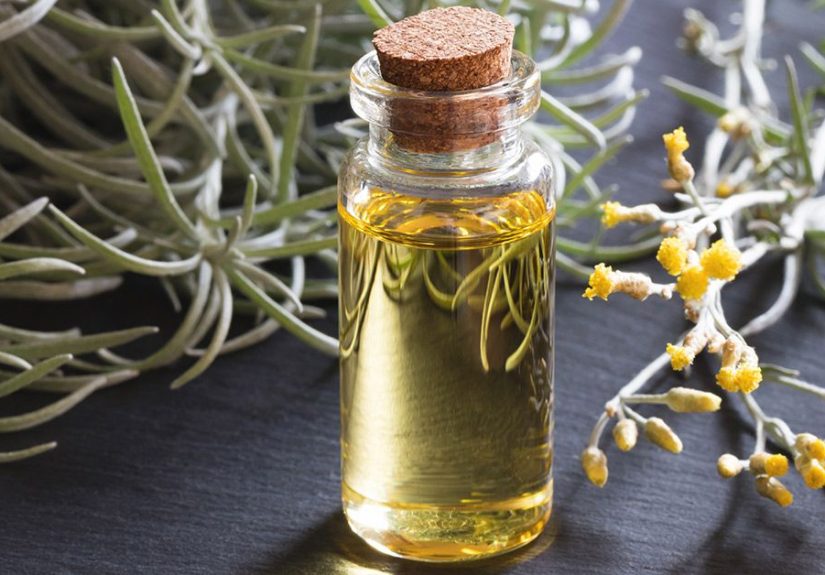
Helichrysum essential oil is typically steam-distilled from the flowers of Helichrysum italicum, a Mediterranean plant known for its small yellow blooms and warm, herbaceous scent. Depending on the region, subspecies, and harvest conditions, the oil’s chemical makeup can vary quite a bit. That matters because the aroma, skin feel, and even how a bottle performs in a blend may differ from brand to brand.
That variability is one reason helichrysum has a slightly glamorous reputation and a slightly dramatic price tag. It takes a lot of plant material to produce a small amount of oil, and quality products often cost more than common oils like lavender or peppermint. So no, it is not your bargain-bin diffuser buddy. It is more of a “use thoughtfully, not recklessly” oil.
Potential Benefits of Helichrysum Essential Oil
1. It may help soothe skin irritation
One of the most talked-about helichrysum essential oil benefits is skin support. Traditional use and early research point to anti-inflammatory activity, which is why this oil often shows up in facial oils, scar blends, and products aimed at redness or stressed-out skin. That does not mean it can diagnose or treat a skin disease on its own, but it may play a supportive role in a carefully diluted topical formula.
If your skin tends to throw dramatic little protests over everything from weather to overenthusiastic exfoliation, helichrysum is one of the oils people often reach for in very small amounts. The keyword there is small. Essential oils are highly concentrated, and even a good thing can become a bad rash if the dilution is sloppy.
2. It shows promise for wound-healing support
Helichrysum has attracted interest for its possible wound-healing effects, especially in laboratory and animal studies. Some research suggests it may support tissue repair, reduce inflammation, and help create a more favorable environment for healing. Limited topical-use literature has also helped fuel its reputation for post-procedure care, bruising, and scar-support blends.
That said, this is where caution is essential. A promising oil is not a replacement for proper wound care. Open wounds, signs of infection, deep cuts, burns, or surgical sites should be managed according to medical advice, not with a DIY oil cocktail mixed in your kitchen next to the coffee maker.
3. It may provide temporary comfort for sore muscles and joints
Because helichrysum appears to have anti-inflammatory potential, it is often included in massage oils for tired shoulders, stiff necks, and post-workout aches. This use is more about temporary comfort than miracle-level pain relief. Think “supportive massage companion,” not “tiny botanical orthopedic surgeon.”
People often blend it with a carrier oil and combine it with gentle massage over tense areas. In that kind of routine, some of the benefit may also come from the massage itself, the warmth of the carrier oil, and the ritual of slowing down. Wellness is annoyingly holistic like that.
4. Its aroma may support relaxation
Like other essential oils used in aromatherapy, helichrysum may contribute to a calming atmosphere when inhaled. Aromatherapy studies overall show mixed results, but some people report improved mood, better relaxation, and a more grounded feeling when scent is used intentionally. Helichrysum’s scent is less sugary or floral than many “relaxation” oils, which makes it appealing to people who want something warm, earthy, and a little less spa-catalog predictable.
Still, inhalation is not a treatment for anxiety disorders, insomnia, or depression. It may be one pleasant tool in a larger self-care routine, but it should not replace professional care when symptoms are persistent or severe.
5. It has antimicrobial potential, but that does not make it an antibiotic
Laboratory studies suggest helichrysum may have antimicrobial activity against certain bacteria and fungi. That sounds impressive, and it is scientifically interesting, but it is also where marketing tends to go full circus mode. A result in a lab dish does not automatically translate into safe, effective treatment for a real-world infection in a real human body.
If you see sweeping claims that helichrysum essential oil can wipe out infections, replace prescription treatment, or “detox” your entire existence, step away from the bottle. Slowly. Preferably while making eye contact with a licensed clinician.
How to Use Helichrysum Essential Oil Safely
Topical use
Topical application is one of the most common ways to use helichrysum essential oil. Always dilute it in a carrier oil such as jojoba, sweet almond, coconut, or rosehip oil before applying it to skin. For general body use, a low dilution is the smart starting point. Many experts recommend beginning conservatively rather than assuming more drops equal more benefit.
Common examples include:
- A massage blend for sore shoulders or legs
- A small amount mixed into a facial oil for occasional use
- A diluted blend used around a bruise or healed scar area
Do not apply it to broken skin unless a qualified healthcare professional has specifically advised you to do so. And yes, “but it’s natural” still does not count as medical supervision.
Diffuser use
Helichrysum can also be diffused for aroma. Use only a few drops at a time and keep the room well ventilated. Continuous diffusion for hours on end can be too much for some people, especially children, older adults, anyone with fragrance sensitivity, and pets. A shorter session is usually a better move than turning your bedroom into a botanical fog machine.
Patch testing
Before using a new oil on a larger area, do a patch test. Apply a small amount of diluted oil to a discreet area of skin, such as the inner forearm, and wait 24 hours. If you notice redness, itching, burning, or a rash, do not use it more broadly.
Precautions You Should Not Skip
Never swallow helichrysum essential oil
This is the big one. Essential oils can be toxic if swallowed, and poison-control experts are very clear that “natural” does not mean harmless. Oral use is especially risky with children and pets, and even adults can experience serious problems. Unless a qualified medical professional specifically directs otherwise, ingestion is off the table.
Watch for skin irritation and allergy
Even when diluted, essential oils can irritate the skin or trigger allergic reactions. If you already have sensitive skin, eczema, rosacea, or a history of fragrance allergy, go extra slowly. Stop using the oil if irritation develops.
Be careful during pregnancy and breastfeeding
Research on essential oils in pregnancy is limited, and general medical guidance tends to favor caution. If you are pregnant or breastfeeding, do not ingest essential oils and check with your healthcare provider before using them topically or through regular diffusion.
Use extra caution with children
Children are not tiny adults with better nap skills. Their bodies handle concentrated substances differently, and essential oils can pose higher risks for them. Keep bottles out of reach, avoid routine use without professional guidance, and never assume a child-safe use just because a product has cheerful packaging and a leaf on the label.
Think about pets before diffusing
Pets, especially cats, can be more vulnerable to essential oil exposure. If you live with animals, avoid direct application to pets and use caution with diffusers. When in doubt, ask your veterinarian before using essential oils in shared spaces.
Consider medication interactions
Some plant compounds can interact with drug-metabolism pathways, and helichrysum extracts have raised questions about possible effects on certain CYP enzyme systems. That does not mean every bottle is a guaranteed interaction nightmare, but it does mean caution is wise if you take prescription medications, especially regularly or for serious conditions.
How to Choose a Better Bottle
If you are shopping for helichrysum essential oil, look for:
- The botanical name Helichrysum italicum on the label
- Clear ingredient labeling with no mystery fragrance blend
- Batch or lot information
- A reputable company that provides sourcing and contact details
- Instructions for dilution and safe use
Because quality varies widely, buying the cheapest bottle online may save money upfront and cost you later in disappointment, skin irritation, or the suspicion that your “helichrysum” is mostly wishful thinking and marketing glitter.
When Helichrysum Essential Oil Is Worth Trying
Helichrysum may be worth exploring if you want a carefully diluted oil for aromatherapy, occasional massage blends, or a simple skin-support routine and you understand its limits. It is best thought of as a complementary wellness product, not a cure-all. If your goal is to support a calming bedtime routine, pamper stressed skin, or create a post-workout massage blend, it can be a thoughtful addition.
It is probably not the right choice if you want instant dramatic results, dislike herbaceous scents, have highly reactive skin, or are tempted to use essential oils as a substitute for evidence-based medical treatment. Your doctor and your common sense should remain on the payroll.
What Using Helichrysum Essential Oil Often Feels Like in Real Life
In real-world use, helichrysum essential oil tends to inspire one of two reactions right away: “This smells amazing” or “Why does my relaxation oil smell like an herb garden wandered into a spice cabinet?” Its scent is warm, dry, slightly sweet, and often described as curry-like. So the experience starts with preference. If you love earthy, resinous, Mediterranean-style aromas, helichrysum can feel sophisticated and grounding. If you were expecting sugary florals and spa-lobby vibes, it may surprise you.
Many people who use it topically describe the ritual as the biggest benefit. A few diluted drops blended into a carrier oil can turn a quick shoulder rub, nighttime facial massage, or post-shower body routine into something that feels intentional instead of rushed. That matters. Wellness products are not always about fireworks. Sometimes the win is simply that a routine encourages you to slow down, breathe, and stop doom-scrolling for five whole minutes.
For skin-focused users, the experience is usually subtle. This is not the kind of oil that wakes up and announces, “Good morning, I fixed your entire face.” What people often notice instead is that it fits into a soothing routine aimed at reducing the feeling of irritation or supporting skin that looks stressed. It is usually paired with other calming ingredients and used consistently in tiny amounts, not poured on like salad dressing. The people who have the best experience are usually the ones who respect dilution, patch test first, and do not expect overnight miracles.
For body care, helichrysum is commonly used in massage blends after exercise or on generally achy areas. The experience here is often less about the oil acting alone and more about the whole package: gentle massage, warmth, aroma, and the psychological effect of doing something caring for yourself. That combination can make a person feel noticeably more comfortable, even when the underlying issue still needs rest, stretching, hydration, or medical attention.
Diffuser use is similarly personal. Some users enjoy helichrysum in the evening because it feels cozy and grounded rather than sleepy-sweet. Others prefer it blended with lavender, frankincense, or citrus to soften its sharper herbal edges. A common beginner mistake is using too much. Helichrysum is not shy, and a few drops usually go farther than people expect. Overdo it, and the room can smell less “luxury botanical retreat” and more “someone is simmering mysterious leaves on the stove.”
The less glamorous side of real-life experience matters too. Some people develop irritation. Some discover they simply do not enjoy the scent. Some buy a pricey bottle and realize that essential oils are supportive extras, not a replacement for dermatologist-approved skincare, good sleep, or medical care. Oddly enough, that can still be a good outcome. Used realistically, helichrysum essential oil can be a nice tool. Used like a miracle in a bottle, it tends to disappoint. Respect the oil, keep expectations sane, and it has a much better chance of earning a useful place in your routine.
Conclusion
Helichrysum essential oil is one of the more intriguing oils in the aromatherapy world because it sits at the intersection of tradition, skincare enthusiasm, and emerging scientific interest. It may help support relaxation, soothe stressed skin, and contribute to massage or body-care routines when used correctly. It also comes with the same reality check that applies to all essential oils: concentrated plant extracts deserve respect, not blind faith.
The smartest way to use helichrysum essential oil is simple: buy from a reputable source, dilute it properly, patch test first, never ingest it casually, and treat it as a complementary tool rather than a medical shortcut. That approach may not sound as dramatic as social-media wellness hype, but it is far more likely to keep your skin happy, your expectations realistic, and your expensive little bottle from turning into a cautionary tale.