Table of Contents >> Show >> Hide
- Election Night Was the Plot Twist Nobody Ordered
- Why the Reaction Felt So Intense
- The Moments That Fueled the “Meltdown” Narrative
- Why Conservatives Found It So Funny
- Why the “Meltdown” Label Misses the Bigger Story
- Media, Mood, and the Collapse of the Old Playbook
- What the 2016 Liberal Meltdown Really Meant
- Experiences People Associated With the 2016 Election Aftershock
Election Night 2016 did not arrive quietly. It stomped into American living rooms wearing a red tie, kicked over every neat little polling model on the coffee table, and left half the country staring at the television like it had just announced that gravity had been canceled. For conservatives, Donald Trump’s victory looked like the greatest upset since a backup quarterback won the Super Bowl. For liberals, it felt like the national group chat had been hacked by chaos itself.
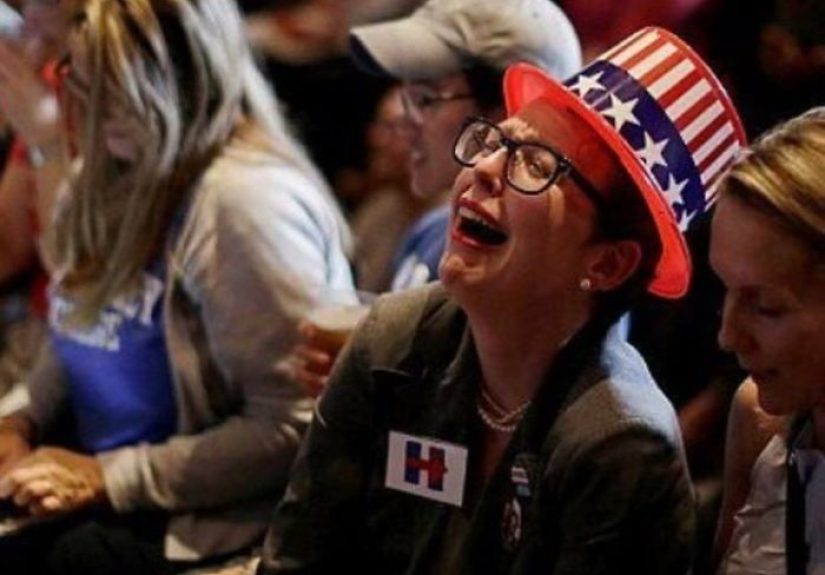
That is why the phrase “liberal meltdown” stuck. It was dramatic, meme-friendly, and just rude enough to survive online. But it also simplified what actually happened. Yes, there were tears, panicked tweets, shaky cable-news monologues, campus walkouts, protest signs, and enough “How did this happen?” energy to power a small Midwestern city. There were also real reasons for the shock: bad polling assumptions, a deeply polarizing campaign, nonstop media spectacle, and a result that gave Trump the Electoral College while Hillary Clinton won the popular vote.
So if we are going to revisit the Hilarious Liberal Meltdown During The 2016 Election, we should do it honestly. The week after the vote was part political tragedy, part social-media circus, part civic protest, and part national therapy session with terrible lighting. It was funny in places, absurd in others, and historically important all the way through.
Election Night Was the Plot Twist Nobody Ordered
The emotional force of the reaction began with expectations. Many voters, commentators, and campaign professionals entered November 8 assuming Clinton was favored. Polling averages and statistical models consistently suggested that Trump had a path, but not the most likely one. That mattered. When a candidate who is treated as the underdog wins, people do not merely disagree with the result; they experience it as a rupture in reality.
And rupture it did. As states began falling into Trump’s column, liberal confidence turned into televised disbelief. Blue-check certainty curdled into frantic math. Viewers who had spent weeks hearing about demographic inevitability suddenly found themselves refreshing county maps like traders during a market crash. By midnight, the national mood among Clinton supporters had shifted from “This is closer than expected” to “Someone please explain Wisconsin.”
That is what made the reaction so culturally explosive. It was not just that Trump won. It was that he won after being described by many pundits as unelectable, politically toxic, and too chaotic for the presidency. When that kind of candidate wins anyway, the emotional fallout gets theatrical fast. The internet loves a dramatic collapse, and 2016 provided it in high definition.
Why the Reaction Felt So Intense
The Polls Helped Build a False Sense of Security
One reason the post-election reaction looked so over-the-top is that many people had outsourced their emotional preparation to the numbers. Polling did not invent Trump’s victory, but it certainly failed to prepare large parts of the public for it. Forecasters gave Clinton strong odds. Commentators repeated those odds. Supporters absorbed them. Confidence hardened into assumption.
So when the map broke the script, the emotional whiplash was immediate. Liberal voters were not reacting only to the result itself; they were reacting to the collapse of the story they had been told about the race. It is one thing to lose a coin flip. It is another to be told you are probably safe and then watch the floor vanish.
Trump Was Not a Normal Opponent
This was not a conventional Republican victory over a conventional Democrat. Trump’s campaign style was unusually confrontational, personal, and culturally aggressive. His rhetoric on immigration, Muslims, the press, and political opponents alarmed many Americans long before Election Day. That meant the post-election reaction was not merely partisan disappointment. For many liberals, it felt like the victory of a political style they found vulgar, threatening, and profoundly destabilizing.
That distinction matters. A lot of people mocked liberal reactions as simple overacting, but many progressive voters believed they were responding to something larger than party defeat. They were reacting to the possibility of a new national tone: less restrained, more openly antagonistic, and more willing to turn grievance into governing energy. In hindsight, that fear was not imaginary. It was an early reading of a political era that would become even more combative.
Social Media Turned Emotion Into Performance Art
If earlier generations had to suffer elections in private, 2016 voters suffered in public, on platforms designed to reward speed, emotion, and spectacle. That made the reaction look even bigger. A person crying in a dorm room is a sad moment. A person crying in a dorm room while also posting a thread about democracy, patriarchy, capitalism, and the collapse of brunch is a viral event.
Twitter, Facebook, Tumblr, Reddit, and Instagram acted like emotional amplifiers. Every gasp, every hot take, every panicked meme, every solemn selfie became part of a national reaction feed. Conservatives saw clips of distraught students and declared a meltdown. Liberals saw mocking reactions from the right and doubled down. Everyone had an audience. No one had any chill.
The result was a strange mix of sincerity and performance. Some reactions were undeniably dramatic. Some were strategic. Some were heartfelt. Some were internet theater with very good ring lighting. Together, they created the enduring image of 2016 as the year political grief became a content category.
The Moments That Fueled the “Meltdown” Narrative
Several scenes from the days after the election burned themselves into the public imagination. Protesters marched in major cities. Demonstrations formed near Trump Tower in New York and spread elsewhere. In some places the marches were peaceful and mournful; in others, frustration spilled into property damage and clashes. Student protests appeared on campuses and in school communities. Videos circulated of crying supporters, stunned anchors, angry chants, and late-night monologues that sounded like America had collectively swallowed a car alarm.
Those images fed a conservative media ecosystem eager to frame the entire response as comic overreaction. And to be fair, some of it was comic in the way only politics can be. There were people treating cable maps like cursed artwork. There were essay-length Facebook posts written before sunrise by people who absolutely should have gone to bed. There were social feeds full of declarations that democracy had ended before lunch. The vibe was equal parts civics seminar, apocalypse movie, and freshman dorm debate at 2:17 a.m.
But the visual drama also obscured how mixed the response really was. Alongside the memes and viral clips, many liberals responded by organizing locally, donating, joining activist groups, attending town halls, and preparing for policy fights. What looked from a distance like a giant emotional collapse was, up close, a combination of mourning, protest, fear, and mobilization.
Why Conservatives Found It So Funny
The humor came from reversal. For months, many conservatives had been told that Trump was doomed, that his coalition was shrinking, that his style would repel the broad electorate, and that Clinton’s win was less a question than a scheduling detail. Then Trump won. To his supporters, the emotional reaction on the left looked like a class of overconfident experts getting hit in the face by their own PowerPoint presentation.
There was also a cultural element. The post-election reaction seemed to confirm every conservative complaint about liberal politics: too moralistic, too insulated, too online, too shocked that half the country did not share its assumptions. Viral campus scenes and celebrity distress became symbolic trophies in a wider argument about elitism and media bubbles. To the right, the liberal meltdown was not just funny because people were upset. It was funny because the upset seemed to expose a worldview that had badly misread the country.
And yes, some of the humor was just politics behaving like sports. Fans gloat. Opponents groan. People clip the worst reactions from the losing side and replay them for years. Democracy may be a solemn constitutional process, but partisans often experience it like a championship parade with worse snacks.
Why the “Meltdown” Label Misses the Bigger Story
Mocking the reaction is easy. Understanding it is more useful. The deeper story of 2016 is not simply that liberals overreacted. It is that millions of Americans discovered, in one long evening, that the institutions shaping their expectationspolls, media narratives, elite consensus, and cultural confidencewere far shakier than they had believed.
The post-election shock was also tied to the structure of the result itself. Clinton won more votes nationwide, yet Trump won the presidency through the Electoral College. That gave the aftermath a built-in feeling of democratic dissonance. For many liberals, the result was not only painful; it felt structurally unfair, even though it followed the constitutional rules of the system. That tension powered countless arguments for weeks.
Meanwhile, the country looked deeply divided even in the data. Large shares of Democratic voters were unhappy with the result, and many Americans described the nation as split on core values. That helps explain why the reaction felt so combustible. This was not normal disappointment in a normal year. It was an already polarized country stepping on a live wire.
Media, Mood, and the Collapse of the Old Playbook
Another reason the reaction still fascinates people is that 2016 exposed how badly the modern media environment could misread its own audience. Coverage of the race was often intensely negative, highly personality-driven, and surprisingly light on policy substance. Trump dominated attention simply by being impossible to ignore. Clinton received enormous coverage too, but much of it revolved around scandal narratives, suspicion, and image rather than a durable case for governance.
That created a perfect storm. Voters absorbed endless conflict and very little clarity. By the time the result landed, both sides felt they had been living inside a giant national stress machine. Liberal voters were not only reacting to Trump’s win. They were reacting to months of exhaustion, dread, media overload, and the realization that none of the old rules seemed reliable anymore.
In that sense, the meltdown was bigger than liberals. It was America discovering that the old operating manual had burst into flames and nobody could find the fire extinguisher.
What the 2016 Liberal Meltdown Really Meant
So was it hilarious? At times, absolutely. Politics produces absurd theater, and 2016 delivered enough melodrama to keep comedians, meme accounts, and smug uncles fully employed. Some reactions were so overcooked they practically came with garnish. Some elite panic looked ridiculous. Some online commentary aged like milk left on a dashboard in July.
But the laughter only tells half the story. The so-called liberal meltdown also revealed how fragile political confidence had become, how polarized the country already was, and how quickly a campaign built on transgression could turn defeat on one side into cultural panic on the other. It was funny, yesbut it was also a warning.
The real legacy of that week is not merely that liberals freaked out. It is that the United States entered a new era of politics in which emotion, identity, spectacle, and distrust stopped being side effects and became the main event. The tears, tweets, marches, arguments, and viral clips were not random noise. They were the opening soundtrack to a much louder political decade.
Experiences People Associated With the 2016 Election Aftershock
If you want to understand the experience of the 2016 election, forget the polished speeches for a second and picture the ordinary scenes that made the moment unforgettable. In bars, apartments, campus lounges, newsroom control rooms, and family dens, people watched the same returns and somehow lived in completely different countries. Clinton supporters in urban watch parties started the night with confident smiles and end-of-history energy, only to end it sitting in stunned silence, staring at county tallies like they were coded messages from another planet. You could almost hear the national sound effect: one long, collective “Wait, what?”
On campuses, the mood often turned raw and communal. Students gathered, cried, marched, sang, held signs, and tried to comfort one another. Some wanted protest; others wanted reassurance. In cities, demonstrators filled streets, chanting and marching against a result they believed would reshape the country in dangerous ways. In places such as New York, Chicago, Oakland, Washington, and college towns, the emotional texture varied from solemn to furious. Some crowds looked like vigils. Others looked like pressure cookers with shoelaces.
Meanwhile, conservative media and social feeds treated the whole spectacle like a once-in-a-generation comedy festival. Clips of crying supporters, professors canceling class discussions, celebrity despair, and overly dramatic social posts flew around the internet at warp speed. To the right, it looked like proof that liberal America had mistaken its own bubble for the whole nation. To the left, the mockery only hardened the sense that a cultural and political line had been crossed. Nobody was winning the empathy award.
Then there were the quieter experiences that did not always go viral: teachers managing anxious classrooms, parents trying to explain the result to kids, immigrant families feeling newly uneasy, activists suddenly energized, and politically exhausted people realizing that politics was no longer something they could treat as background noise. Even people who did not join a protest or post a dramatic thread often remember the week as emotionally strangepart disbelief, part dread, part compulsive news checking. Sleep was optional. Doomscrolling was not.
And through it all came the surreal split-screen quality of American life. One group saw liberation from stale politics; another saw the beginning of national decline. One side laughed at the meltdown; the other experienced it as grief, fear, or moral urgency. That is why the week after the 2016 election still lingers in memory. It was not just a result. It was a giant emotional reveal, exposing how differently Americans understood the same country, the same institutions, and even the same idea of reality. That was the real experience: not merely losing or winning, but discovering how deep the divide already ran.