Table of Contents >> Show >> Hide
- First, what exactly counts as a “hot flash”?
- Menopause/perimenopause hot flashes: the classic pattern
- Anxiety “hot flashes” and panic surges: what they tend to feel like
- Menopause vs anxiety: the “spot the difference” checklist
- Why it can be both (and why that’s not your fault)
- Other causes of hot flashes to keep on the radar
- What to do next: a simple 2-week experiment
- If it’s menopause: treatment options that actually have evidence
- If it’s anxiety or panic: how to reduce the “heat + fear” cycle
- When to seek urgent medical care
- Bottom line
- Experiences: what this can feel like in real life (and how people cope)
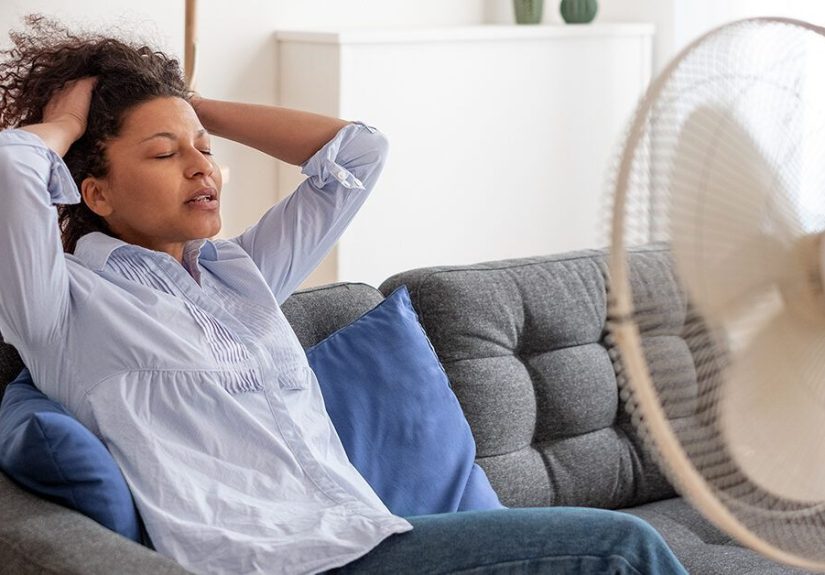
One minute you’re fine. The next, your face is doing its best impression of a toaster oven, your shirt is suddenly “humidity-friendly,”
and your heart is auditioning for a drumline. If you’ve ever thought, Is this menopause… or am I panicking? you’re not being dramatic.
You’re being human.
Hot flashes are commonly tied to perimenopause and menopause, but anxiety (especially panic) can create sensations that feel incredibly similar.
And just to make things extra fun, hormonal shifts and stress can also team up, meaning you can have both happening in the same season of life.
This guide breaks down what each one tends to feel like, the clues that help you tell them apart, and what you can do next.
First, what exactly counts as a “hot flash”?
In menopause-land, hot flashes (often grouped with night sweats) are called vasomotor symptoms. They’re usually described as a sudden wave of heat,
often starting in the chest/neck/face, sometimes with visible flushing, sweating, and then a cooling “chill” afterward. Episodes can be brief (seconds)
or last several minutes.
Anxiety can also cause heat surges and sweating because your body’s stress system flips on the “fight-or-flight” switch. That can feel like internal heat,
clammy skin, flushing, or alternating hot/cold sensations. In panic attacks, that surge often comes with a very specific flavor of fear: something is wrong right now.
Menopause/perimenopause hot flashes: the classic pattern
Not everyone reads the same script, but many menopause-related hot flashes share these traits:
- Heat that rises fast, often in the face, neck, chest, or upper body.
- Flushing (skin may look pink or red), followed by sweating.
- After-chill: once the sweating slows, you may feel cold or shivery.
- Night sweats: episodes that wake you up with sweating, sometimes soaking pajamas or sheets.
- A longer “season”: symptoms can come and go over years, not just days.
Timing clues that point to menopause
- Cycle changes: periods becoming irregular, heavier/lighter, closer together, farther apart, or skipping.
- Age and transition stage: many people notice symptoms in perimenopause (the transition) before menopause is officially reached.
- Sleep disruption: night sweats + trouble falling back asleep can become a recurring pattern.
- Other menopause-adjacent signs: vaginal dryness, changes in libido, “brain fog,” mood shifts, and aches can cluster in the same timeframe.
A helpful definition: menopause is confirmed after 12 months without a period (assuming there isn’t another medical reason for the missing cycles).
Perimenopause is the lead-up where hormones fluctuate and symptoms can start.
Anxiety “hot flashes” and panic surges: what they tend to feel like
Anxiety isn’t “all in your head.” It’s a whole-body event. When your stress response activates, it can trigger:
- Racing heart or pounding pulse
- Shortness of breath, tight throat, or the feeling you can’t get a satisfying breath
- Sweating, chills, trembling, nausea, dizziness
- Hot or cold flashes (yes, literally on the symptom list)
- A sense of doom, fear of losing control, or “something terrible is happening”
Timing clues that point to anxiety/panic
- Fast rise + fast peak: panic often spikes quickly and may peak within minutes.
- Situation-linked: crowded stores, driving, meetings, conflict, caffeine, sleep deprivation, or specific triggers can precede it.
- Breathing is a big tell: panic commonly includes air hunger, tight chest, or hyperventilation sensations.
- Fear-first: many people notice the fear/doom sensation either right before or alongside the physical symptoms.
Menopause vs anxiety: the “spot the difference” checklist
Use this as a practical detective tool. You don’t need a magnifying glassjust curiosity and a notes app.
1) Is there shortness of breath or choking sensations?
Hot flashes can feel intense and uncomfortable, and some people feel unsettled or anxious around them. But if the episode reliably includes
shortness of breath, choking/tight throat sensations, or feeling smothered, that leans more toward panic.
2) Does it come with a visible flush and then chills?
Menopause-related hot flashes often have an outward componentflushing skin and sweatingfollowed by a cool-down chill.
Anxiety can cause sweating too, but the classic “wave of heat → sweat → chill” pattern is especially common with vasomotor symptoms.
3) How long does a single episode last?
- Hot flash: often seconds to a few minutes, sometimes up to around 10 minutes.
- Panic attack: can last from a few minutes to up to an hour (sometimes longer), with lingering “aftershocks” like fatigue or worry.
4) What’s happening with your menstrual cycle?
If your periods have changed noticeablyirregular timing, skipped cycles, heavier/lighter bleedingand these heat episodes arrived in the same era,
menopause transition rises on the suspect list.
5) What are the repeat triggers?
Both hot flashes and panic can be aggravated by things like caffeine, alcohol, nicotine, and sleep disruption. But you may notice different patterns:
- Hot flash triggers often include warm rooms, hot drinks, spicy foods, stress, and alcohol.
- Panic triggers often include specific situations (driving, crowds, conflict), catastrophic thinking loops, or stimulant overload.
6) Does it wake you up drenched at night?
Night sweatsheat episodes that disrupt sleep with significant sweatingare a hallmark complaint in the menopausal transition.
Anxiety can disturb sleep too, but the “wake up hot and sweaty” pattern is especially common with vasomotor symptoms.
Why it can be both (and why that’s not your fault)
Hormones and mood are not separate departments in your body. During perimenopause, hormone fluctuations can affect sleep, stress sensitivity,
and emotional regulation. Poor sleep alone can make anxiety symptoms louder the next day.
Research also suggests a relationship between anxiety symptoms and hot flashes: anxiety can amplify how intense hot flashes feel, and in some studies,
somatic anxiety predicted higher risk of menopausal hot flashes. Translation: if your nervous system is already revved up, your temperature-control system may be
more easily thrown off.
Other causes of hot flashes to keep on the radar
Menopause and anxiety are common explanations, but they’re not the only ones. Hot flashes can also be linked to:
- Thyroid problems (especially hyperthyroidism)
- Medication side effects (some antidepressants, opioids, and other drugs can affect sweating/temperature)
- Some cancers or cancer treatments
- Infections or other systemic conditions (especially if paired with fever, weight loss, or persistent night sweats)
If hot flashes are new for you, escalating quickly, or coming with other red-flag symptoms (unexplained weight loss, persistent fever, chest pain,
fainting, or severe shortness of breath), it’s worth getting checked rather than guessing.
What to do next: a simple 2-week experiment
Before you try to solve the entire mystery in one night (at 2:13 a.m., on your phone, in a sweat-soaked hoodie), run a short tracking experiment.
For 14 days, jot down:
- When it happened (time of day, during sleep, during stress)
- What it felt like (heat wave, flushing, sweat, chills, fear/doom, breath changes)
- How long it lasted
- What happened right before (coffee, alcohol, spicy meal, argument, presentation, warm room)
- Cycle notes (spotting, skipped period, heavier bleeding, PMS changes)
- Sleep notes (night sweats, insomnia, wake-ups)
This kind of log helps you and a clinician spot patterns fasterand can reduce the “Is it all random?” feeling that feeds anxiety.
If it’s menopause: treatment options that actually have evidence
The best plan depends on your symptoms, health history, and preferences. Here are common evidence-based approaches:
Lifestyle tweaks (small, but surprisingly helpful)
- Dress in layers; keep a fan nearby; use breathable bedding.
- Limit common triggers if they clearly affect you (alcohol, spicy foods, hot beverages, caffeine).
- Prioritize sleep basics: consistent bedtime, cooler room temperature, and winding down before bed.
- Regular movement: exercise can support mood and sleep, and some people find it reduces symptom intensity.
Hormone therapy (HT)
Hormone therapyoften estrogen (and progesterone if you have a uterus)is considered the most effective treatment for vasomotor symptoms for many people.
It isn’t right for everyone, and it comes with risks/benefits that should be discussed with a clinician, especially depending on age, time since menopause,
and medical history.
Non-hormonal medications
If hormones aren’t a fit (or you’d rather not), certain non-hormonal options may help hot flashes. These can include specific antidepressants
(SSRIs/SNRIs), gabapentin, or clonidine. Some people benefit, especially for nighttime symptoms and sleep.
Newer non-hormonal options (example: NK3 receptor antagonists)
In recent years, a newer class of non-hormonal treatment has emerged for moderate to severe vasomotor symptoms (for example, fezolinetant).
These medications work differently than hormones and may be an option for some people, though they come with their own monitoring and safety considerations.
A clinician can help you weigh if it fits your situation.
Mind-body and therapy approaches
Cognitive behavioral therapy (CBT) doesn’t necessarily erase hot flashes, but it may help reduce how disruptive they feelespecially when symptoms
trigger worry, insomnia, or avoidance behaviors. Some clinical guidance also discusses approaches like hypnosis for symptom bother in certain people.
If it’s anxiety or panic: how to reduce the “heat + fear” cycle
Panic and anxiety are treatable. The goal isn’t to “never feel anxious again.” It’s to teach your brain and body that a stress surge is uncomfortable,
but not dangerousand that you have skills to ride it out.
In-the-moment tools (when the wave hits)
- Slow the exhale: inhale gently through the nose, then exhale longer than you inhale. (Longer exhale = calmer signal.)
- Grounding: name 5 things you see, 4 you feel, 3 you hear, 2 you smell, 1 you taste. It interrupts the doom soundtrack.
- Temperature reset: cool water on wrists/face, step outside briefly, or hold something cool.
- Re-label: “This is a panic surge” (or “This is a hot flash”). Naming reduces the brain’s mystery alarm.
Long-term supports
- CBT for panic/anxiety (including interoceptive exposure) can reduce attacks and the fear of attacks.
- Medication may help some people, especially if symptoms are frequent or life-limiting.
- Sleep and stimulant review: caffeine, nicotine, and sleep debt can crank up symptoms.
If you suspect panic disorder, a clinician can confirm the diagnosis and help you build a plan. Even if it’s “just” anxiety, you deserve support.
When to seek urgent medical care
Call emergency services or seek urgent evaluation if symptoms include chest pain/pressure, fainting, severe shortness of breath, new neurological symptoms,
or if something feels distinctly different from your usual pattern. It’s better to be told “everything looks okay” than to miss something important.
Bottom line
If you’re trying to figure out whether your heat waves are hormonal, emotional, or both, you’re already doing the right thing: paying attention.
Look for the patternbreathing changes, fear level, night sweats, cycle shifts, triggers, and duration. Track it for two weeks.
Then bring the data to someone who can help you interpret it. Your body isn’t being “weird.” It’s communicating.
Experiences: what this can feel like in real life (and how people cope)
The tricky thing about “menopause or anxiety?” is that the question often shows up mid-symptomwhen your brain is least interested in calm, logical investigation.
Below are a few common experiences people describe. If any of these feel familiar, consider them proof you’re not alone, not “too sensitive,” and definitely not
the only person who has ever Googled symptoms while fanning themselves with a coupon.
1) The 2:00 a.m. “why am I marinating?” moment
You fall asleep fine, then wake up like your body scheduled a surprise sauna. Your pajama top is damp, your sheets feel warm, and you’re suddenly wide awake.
Many people describe this as the most confusing version of a hot flash because your brain launches an investigation: “Did I eat something spicy? Am I sick?
Is this stress? Is my thermostat haunted?” The experience can spiral into anxiety simply because sleep disruption is such a powerful stressor.
What helps: people often keep a spare T-shirt nearby, switch to breathable bedding, cool the room, and remind themselves, “This may be a night sweat,
not an emergency.” Tracking how often it happensand whether it clusters around cycle changescan make it feel less random and more solvable.
2) The grocery-store spiral (a panic surge in fluorescent lighting)
For some, the heat sensation shows up in public placesespecially crowded, noisy, or bright environments. You’re standing in line and suddenly feel hot,
shaky, and trapped. Your heart speeds up, and you notice your breathing, which (unhelpfully) makes it feel harder to breathe. The fear thought arrives:
“What if I faint right here?” That doom-flavored thought is a hallmark of panic.
What helps: people often practice a “line plan” ahead of timeslow exhale breathing, grounding (feet on floor, name five objects), and a self-script like,
“This is my nervous system being dramatic; it will pass.” Some step out of line briefly, sip water, and return when the wave softens. Over time,
therapy can reduce both the attacks and the fear of having one.
3) The meeting-room heat wave (hot flash + self-consciousness combo)
This one is practically a sitcom scene, except it’s happening to you. You’re in a warm conference room, wearing something professional that suddenly feels
like a winter coat, and thenboomyour face flushes. You’re trying to look engaged while your body is staging a tiny internal bonfire.
People often say the most stressful part is the social layer: “Can everyone see this?” That self-consciousness can add anxiety on top of the hot flash.
What helps: people keep a cold drink nearby, choose breathable layers, and sit near airflow when possible. A quick internal reframe helps too:
“My body is regulating temperature, not exposing my secrets.” When you treat it as a normal bodily event (instead of a catastrophe),
it often feels more manageableeven when it’s annoying.
4) The two-track day (when hormones and anxiety tag-team)
Some days are confusing because symptoms overlap: you have a hot flash, then worry about the hot flash, then notice your heart rate, then feel more heat.
It becomes a loop: sensation → interpretation → stress response → stronger sensation. People often describe relief when they realize the goal isn’t to pick
one cause forever; it’s to address both tracks. What helps: a two-part approachmanaging vasomotor triggers (cooling, sleep, medical options) while also
practicing anxiety skills (breathing, CBT strategies, reducing caffeine, treating insomnia). Many people find that once sleep improves, everything feels
less explosive. The wins are often gradual, but they stack.