Table of Contents >> Show >> Hide
- What Kodak Actually Had
- Why on Earth Would a Camera Company Want Uranium?
- How the Device Worked Without Becoming a Disaster Movie
- Why the Public Barely Heard About It
- Why “Weapons-Grade” Is Accurate but Incomplete
- The End of Kodak’s Uranium Era
- What This Strange Story Really Says About Kodak
- The Experience of Living With a Story Like This
- Conclusion
- SEO Tags
It sounds like the setup for a Cold War thriller: a beloved camera company, a heavily shielded room, and weapons-grade uranium tucked away for decades. But the strange truth is even more interesting than the headline. Eastman Kodak really did use highly enriched uranium in Rochester, New York. And no, this was not some last-ditch supervillain move to beat Fuji. It was a specialized research tool built for the deeply nerdy, very un-Hollywood world of neutron science.
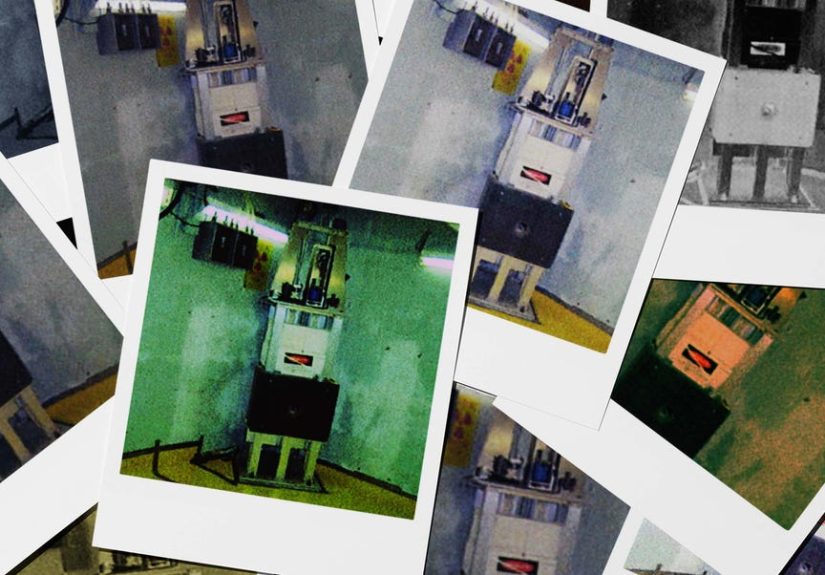
For years, Kodak operated a device called a Californium Neutron Flux Multiplier, or CFX. That name does not exactly scream “front-page scandal,” which helps explain why the story stayed out of public conversation for so long. The machine used a tiny californium source and highly enriched uranium plates to generate a stronger stream of neutrons for industrial research. In plainer English, Kodak used nuclear materials to study chemicals, inspect materials, and improve the kind of imaging and manufacturing work that had been central to its business for generations.
The result is one of the oddest true stories in American corporate history: a camera giant with a legal, regulated, highly technical nuclear setup operating in the background while most people were thinking about film rolls, family vacations, and one-hour photo counters at the mall.
What Kodak Actually Had
Let’s clear up the biggest misconception first. Kodak did not run a conventional nuclear reactor in the way most people imagine one. It did not produce electricity. It was not making bomb material. And it was not capable of sustaining the kind of ongoing chain reaction associated with a power reactor.
What Kodak had was a subcritical nuclear device. That matters. In a subcritical system, the nuclear reaction does not keep going on its own. Kodak’s CFX used a small source of californium-252 to emit neutrons. Those neutrons interacted with highly enriched uranium plates, which multiplied the neutron output enough for research applications. Take away the source, and the party is over. No dramatic meltdown scene. No glowing green goo. Just a very unusual, tightly controlled lab instrument.
The uranium involved was enriched to a level considered weapons-grade, which is why the story still grabs attention. But the quantity was small, the system was licensed, and the equipment was designed for research rather than weapons or energy production. That distinction is not boring legal fine print. It is the whole point.
Why on Earth Would a Camera Company Want Uranium?
This is where Kodak’s history matters. To people who know the company only as the face of consumer photography, the uranium story sounds absurd. But Kodak was never just a camera brand. For decades, it was also a serious research and manufacturing powerhouse with deep roots in x-ray imaging, industrial radiography, chemistry, coatings, and materials science.
Kodak moved into x-ray imaging astonishingly early, introducing x-ray capture media in the 1890s. Over the decades, it built expertise in medical imaging, industrial film, and technical analysis. During World War II, the company even developed special films to detect radiation exposure for workers connected to atomic bomb work. In other words, Kodak had been orbiting the nuclear age long before the public learned about its basement uranium story.
The company’s relationship with nuclear history went even deeper. A subsidiary of Eastman Kodak, Tennessee Eastman, operated the Y-12 electromagnetic plant at Oak Ridge during the Manhattan Project. Kodak was also so sensitive to fallout’s effect on film that radioactive contamination from the Trinity test and later U.S. testing became a practical business problem. Kodak was not casually dabbling in exotic science. It was a company whose products were unusually vulnerable to radiation and whose business relied on understanding imaging at a very technical level.
So when neutron-based analytical tools became useful, Kodak was exactly the kind of company that might want one. Weird? Absolutely. Random? Not really.
How the Device Worked Without Becoming a Disaster Movie
The magic trick of the CFX was simple in concept and wildly specialized in practice. A tiny source of californium-252 emitted neutrons. Those neutrons then interacted with uranium fuel plates arranged around the source. Because the setup remained subcritical, the uranium did not drive a self-sustaining chain reaction. Instead, it amplified the neutron field enough to make the device useful for laboratory work.
Why did Kodak want that neutron field? Because neutrons can do things x-rays cannot. Neutron-based techniques are especially useful for analyzing trace elements and for imaging light elements such as hydrogen. That makes them valuable for neutron activation analysis and neutron radiography.
Neutron activation analysis
This method helps scientists identify tiny amounts of elements in a sample. If a manufacturer wants to know whether a chemical or material contains impurities at very low levels, neutron activation analysis can be a powerful tool. In a company like Kodak, where chemistry and material consistency mattered enormously, that kind of precision was worth real money and serious engineering effort.
Neutron radiography
Think of this as the quirky cousin of x-ray imaging. X-rays are excellent for many dense materials, but neutrons interact with matter differently. In some cases, neutrons can reveal features that x-rays miss, especially when lighter elements are involved. If an x-ray shows you the skeleton, a neutron image may help reveal where the water, hydrogen-rich compounds, or other hard-to-see features are hiding. For an imaging company obsessed with seeing what other tools miss, this was catnip.
In short, Kodak was not hoarding uranium for bragging rights. It was using a specialized neutron source to solve stubborn research problems.
Why the Public Barely Heard About It
The word quietly in this story does a lot of work, and it needs a little unpacking. Kodak did not loudly advertise its nuclear setup, but that does not mean the device was illegally hidden from regulators. The CFX was under government oversight, and documents existed within the regulatory system. The better way to describe the story is this: it was unpublicized, highly specialized, and easy for ordinary people to overlook.
That makes sense if you picture the setting. Kodak Park was a vast industrial and research campus, not a cute museum of vintage cameras and smiling tourists. The people who cared about the CFX were scientists, engineers, regulators, and security personnel. Everyone else had more immediate things to think about, like product lines, manufacturing, budgets, and whether the next generation of film would behave itself.
Then there is the plain fact that most nuclear-adjacent industrial equipment does not become dinner-table conversation unless something goes wrong. Kodak’s device reportedly operated for decades without becoming a public crisis. It was the kind of obscure, technical infrastructure that only turns into national news once a reporter, a former employee, or a public records trail pulls it into daylight.
When broader media attention arrived in 2012, the headline naturally focused on the phrase weapons-grade uranium. That phrase is true, but it also tends to flatten the story into something simpler and scarier than the reality. The quieter truth is that Kodak’s uranium was part of a licensed, subcritical research system built for analytical work.
Why “Weapons-Grade” Is Accurate but Incomplete
This is the part of the story where nuance earns its paycheck. Yes, the uranium involved was enriched enough to qualify as weapons-grade. That phrase is not journalistic decoration. It reflects the material’s enrichment level. But hearing that phrase without context leads many readers to imagine a bomb in a filing cabinet, which is not what was happening.
Kodak’s device used a relatively small amount of highly enriched uranium in a configuration designed to remain subcritical. The material was tightly controlled, physically protected, and used inside a purpose-built research system. It was dangerous in the same sense that many nuclear materials are dangerous: it required serious regulation, proper shielding, careful handling, and a robust security mindset. But danger is not the same thing as purpose. The purpose here was research.
That distinction matters even more when we remember the era in which the CFX emerged. During the Cold War and the broader postwar period, nuclear technology carried a strange mix of fear, prestige, optimism, and industrial ambition. Universities ran research reactors. Laboratories explored peaceful applications. Industry pushed into advanced materials and analytical methods with a confidence that now feels almost surreal. Kodak’s use of highly enriched uranium was unusual, but it was also a product of that larger American moment when nuclear tools seemed destined to show up everywhere from medicine to manufacturing.
The End of Kodak’s Uranium Era
Like many pieces of Cold War-era infrastructure, the CFX eventually became less a symbol of innovation than a highly specific thing someone had to safely retire. Kodak shut the device down in 2006, and the fuel plates were removed and transferred back to the U.S. Department of Energy in 2007. In other words, the most nerve-racking chapter may not have been the decades of routine operation, but the careful process of taking the system apart and moving sensitive material out of the facility.
That is another detail that makes the story feel more real. The ending is not dramatic in a cinematic sense. No alarms. No countdown clock. No hero diving through laser beams. Just paperwork, shielding, transport planning, decommissioning protocols, and the kind of methodical caution that real nuclear work demands.
After the system was gone, the story lived on mostly as a strange footnote until journalists revived it for a wider audience. Once the public heard “Kodak” and “weapons-grade uranium” in the same sentence, the internet did what the internet does best: it stared in disbelief, made jokes, and wondered how this had not become common trivia years earlier.
What This Strange Story Really Says About Kodak
It is tempting to treat the uranium story as an isolated oddity, but it actually reveals something important about Kodak’s old identity. The company was not merely a consumer brand with good advertising and yellow packaging. At its peak, Kodak was a huge technical enterprise with world-class chemistry, manufacturing depth, and research ambitions that stretched far beyond point-and-shoot nostalgia.
That matters because modern conversations about Kodak often reduce the company to one business-school punchline: the giant that missed digital photography. There is truth in that narrative, but it leaves out the part where Kodak once stood close to the front edge of serious American industrial science. A company that could develop sophisticated imaging products, navigate radiation-sensitive manufacturing issues, and operate a neutron research device was not a lightweight.
In that sense, the uranium story is less about scandal than about scale. It reminds us how big, ambitious, and technically strange major twentieth-century corporations could become. Sometimes the same company that sold you family memories also employed scientists doing work that sounds like it wandered in from a Department of Energy archive. History contains multitudes, and occasionally those multitudes are stored behind concrete walls.
The Experience of Living With a Story Like This
Part of what makes the Kodak uranium story so memorable is not just the fact itself, but the feeling it creates. It scrambles categories in your head. Cameras are supposed to be friendly. Uranium is supposed to belong to bomb labs, spy novels, and heavily guarded government sites. Put them together and your brain briefly refuses the assignment. Then it catches up, and the whole thing becomes even more fascinating.
There is also something deeply American about the experience of this story. You start with a household brand, follow a trail through industrial research, and suddenly end up in a room full of shielding, isotopes, and government licenses. It is a reminder that twentieth-century industry was not neat or simple. Behind familiar products stood giant technical systems, specialized laboratories, and research cultures that ordinary customers never saw. The roll of film in a family camera was the public face. Behind it was a universe of chemistry, coatings, precision testing, and the occasional sentence that sounds completely made up until you verify it three times.
For people who grew up thinking of Kodak as nostalgia wrapped in yellow boxes, the story can feel almost emotional. It changes the company’s silhouette. Kodak stops being just the old photography giant that stumbled into the digital age too slowly and becomes something bigger and stranger: a company so deeply woven into imaging science that it wound up using a subcritical neutron device to study materials and processes. That is not a minor plot twist. That is a full genre change.
There is a local experience here too, especially for people connected to Rochester and America’s old industrial corridors. Stories like this make those places feel layered. A building is never just a building. A campus is never just offices and loading docks. Beneath the ordinary geography of work and weather, there may have been decades of specialized science happening out of sight. The workers who passed through those spaces may not all have known the details, but they were part of an ecosystem where advanced research was simply woven into daily corporate life.
And then there is the modern reader’s experience, which is half awe and half comedy. You read the phrase Kodak used weapons-grade uranium for decades and expect either a hoax or a disaster. Instead, you get a regulated, technically sophisticated, strangely logical story about neutron analysis. It is almost funny how uncinematic the real explanation is. The truth is less “evil lair” and more “extremely serious scientists solving niche materials problems while everyone else buys film for a beach trip.”
That tension is exactly why the story lasts. It combines surprise, scale, history, technology, and a little absurdity. It reminds us that the past was not tidier than the present. It was often weirder. And sometimes the most unforgettable chapters are not the loud scandals or famous inventions, but the quiet, concrete-walled facts sitting patiently in old regulatory records, waiting for the rest of us to finally notice them.
Conclusion
Kodak’s use of weapons-grade uranium sounds unbelievable until you see the full context. The company’s CFX was not a bomb project or a hidden power reactor. It was a highly specialized, subcritical research device that fit a company with deep experience in imaging science, radiography, chemistry, and advanced manufacturing. The uranium was real. The regulation was real. The engineering purpose was real. And the public surprise was real too.
That combination is what makes the story so enduring. It is not just a weird trivia fact. It is a window into an era when corporate research could be vast, ambitious, and unexpectedly radioactive. Kodak did not quietly use weapons-grade uranium because it had lost its mind. It did so because, in a very specific historical moment, that was one way a major American technology company pursued better analysis, better imaging, and sharper control over the materials that shaped its business.
Sometimes history’s best plot twists are the ones buried in plain sight. Or, in this case, under a very solid floor.