Table of Contents >> Show >> Hide
- Why Garden Stones Get Dirty So Fast
- Know Your Stone Before You Start
- What You Need to Clean Garden Stones
- How to Clean Garden Stones Step by Step
- How to Deep-Clean Small Landscape Rocks
- Can You Use a Pressure Washer on Landscape Rocks?
- What Not to Do When Cleaning Garden Stones
- How Often Should You Clean Landscape Rocks?
- How to Keep Garden Stones Cleaner Longer
- When It Makes More Sense to Replace the Stones
- Real-World Experience: What Cleaning Garden Stones Actually Teaches You
- Conclusion
Garden stones are one of the best low-maintenance landscaping ideas ever invented. They do not need mowing, they do not ask for fertilizer, and they do not throw a tantrum when you forget about them for a week. But they do get dirty. Over time, landscape rocks collect dust, mud, algae, moss, leaf stains, and that mysterious gray film that makes your yard look less “polished retreat” and more “parking lot behind a garden center.”
The good news is that cleaning garden stones is not complicated. You do not need a chemistry degree, a truck full of fancy products, or a heroic amount of upper-body strength. In most cases, the right order matters more than the right cleaner. Start dry, rinse well, scrub only when necessary, and save the stronger solutions for the ugly spots that refuse to leave politely.
This guide walks you through exactly how to clean garden stones, whether you are dealing with dirty landscape rocks around shrubs, mossy stones along a path, or bright white garden stones that now look more like sad oatmeal. We will cover easy cleaning methods, what to avoid, how to make white rocks look brighter again, and how to keep your stone beds looking fresh longer.
Why Garden Stones Get Dirty So Fast
Landscape rocks may look tough, but they are basically magnets for outdoor mess. Dirt blows in. Leaves break down. Irrigation splashes mud onto the surface. Shade encourages moss and algae. In damp areas, organic matter settles into the cracks and turns your crisp stone bed into a blotchy science project.
White stones are the divas of the group. They look stunning when clean, but they show every speck of dirt, every green smudge of algae, and every rusty-looking stain from leaves, mulch, and hard water. Darker river rock can hide grime better, but once it gets coated in dust or mildew, it loses its rich natural color too.
That is why the best cleaning plan is not one dramatic annual deep scrub. It is a mix of light maintenance and occasional deeper cleaning, depending on where the rocks are located and what is dirtying them up.
Know Your Stone Before You Start
Not all garden stones should be treated exactly the same way. Smooth river rock, pea gravel, marble chips, lava rock, and flagstone all respond a little differently to water pressure and cleaning solutions.
White marble chips and bright decorative stones
These are the most likely to show stains. They usually respond well to rinsing, gentle scrubbing, and careful spot treatment, but they can also be more sensitive to strong acidic or harsh chemical cleaners.
River rock and pea gravel
These are durable and usually easy to rinse clean, but small pieces can shift around or scatter if you blast them with too much pressure.
Lava rock
Lava rock is porous and likes to trap dust and debris in all those little crevices. It often needs a stronger rinse and a little more patience.
Flagstone, limestone, and soft natural stone
Use extra care here. A strong pressure washer or the wrong cleaner can rough up the surface or cause etching. When in doubt, choose a mild cleaner and test a small hidden area first.
What You Need to Clean Garden Stones
You probably already own most of the supplies:
- A broom, leaf blower, or stiff outdoor brush
- A garden hose with a spray nozzle
- A bucket
- Mild dish soap
- A stiff-bristle scrub brush
- White vinegar for some organic stains and buildup
- Baking soda for stubborn white-rock grime
- Gloves
- A wheelbarrow, tarp, or large bucket for small stones
- A pressure washer on a low setting for larger rocks or heavily soiled areas
You do not need to throw every product in your garage at the problem. In fact, that is how people end up with dead plants, damaged stone, and a new respect for warning labels.
How to Clean Garden Stones Step by Step
1. Start with a dry cleanup
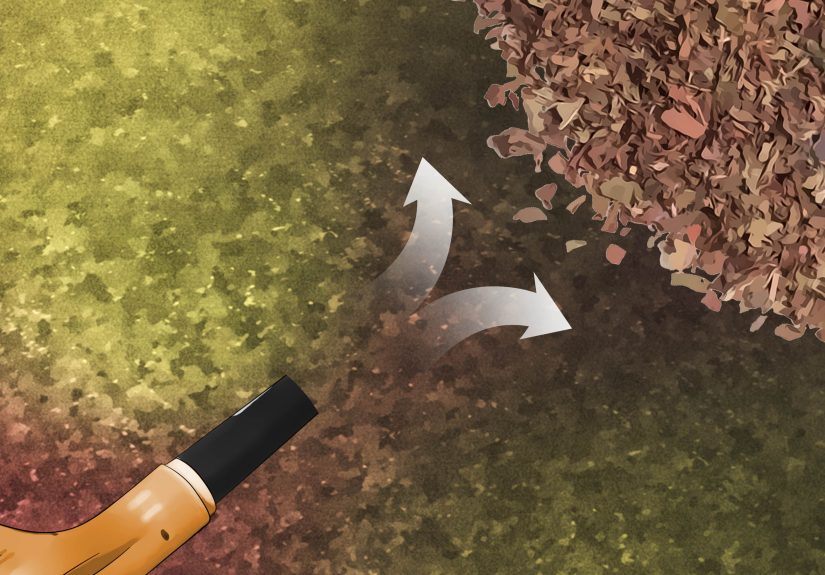
Before you add water, remove loose debris. This is the part most people skip, then wonder why they created a swampy leaf smoothie. Use a broom, rake, or leaf blower on a low setting to clear away leaves, twigs, seed pods, and loose dirt. If weeds have moved in, pull them first. Do not leave dead weeds, because they break down and dirty the rocks all over again.
If the bed sits under a messy tree, take your time here. Dry debris removal can make the rest of the job dramatically easier.
2. Rinse the stones thoroughly
Next, spray the stones with a garden hose. For many rock beds, this alone removes dust and surface grime. Work from one side to the other so you push dirt out instead of redistributing it. If you are cleaning a pathway or a border, rinse toward an area where muddy water can drain away.
For large rocks and boulders, rinse the tops, sides, and the little dirt-catching ledges underneath. For small gravel or decorative rock, use enough water to flush out dirt without washing the stones into the lawn or sidewalk.
3. Use mild soap for ordinary dirt
If the stones still look dingy, fill a bucket with warm water and add a small amount of mild dish soap. Scrub the dirtiest areas with a stiff-bristle brush. This method is great for everyday grime, dried mud, and the general “Why do these rocks look tired?” problem.
For larger stones that stay in place, scrub each one individually. For smaller stones, you can shovel them into a bucket or wheelbarrow, pour in the soapy water, stir them around, then drain and rinse. It is a little messy, but in a productive way. Think of it as a rock spa, minus the cucumber water.
4. Treat moss, algae, or green slime separately
If your stones are slippery, green, or slimy, you are not dealing with plain dirt anymore. You are dealing with moisture-loving growth. Start by scrubbing with water and a brush. If that is not enough, use a vinegar-and-water solution on the affected area and let it sit briefly before scrubbing again.
If the stones are near delicate plants, be careful with overspray and rinse thoroughly afterward. For very stubborn organic buildup on hard surfaces nearby, some homeowners use oxygen-based cleaners, but gentler methods should be your first move in planted areas.
Also fix the cause, not just the symptom. Moss and algae come back when shade, constant moisture, and trapped debris remain. Trim overhanging branches, redirect sprinklers, and keep the area cleaner between deep washes.
5. Make white garden stones bright again
White landscape rocks usually need a little extra help. Once loose dirt is gone, mix white vinegar with water and scrub stained areas with a brush. If the rocks still look dull, sprinkle a little baking soda on the problem spots and scrub again with warm water.
This method works especially well for white decorative stones that have collected leaf tannins, algae stains, or general discoloration. Just do a patch test first if your stones are natural marble or another softer material. White stones are beautiful, but they can be slightly high-maintenance in the same way a white couch is beautiful. Gorgeous, yes. Forgiving, no.
6. Rinse until there is no residue left
After scrubbing, rinse the rocks thoroughly. Soap film, vinegar residue, and loosened grime should all be washed away. This matters for appearance, but it also matters for nearby plants. Any cleaner left sitting in the bed is a bad long-term roommate.
If you removed small stones for cleaning, spread them out on a tarp or driveway to dry in the sun before putting them back. Dry stones are easier to judge for color, so you can actually see whether the cleaning worked.
7. Return, level, and tidy the bed
Once everything is clean, rake the stones back into an even layer. Fill any sparse areas, straighten borders, and remove any last debris. This final step makes a big visual difference. Even clean rocks look sloppy when they are piled unevenly or scattered into the grass.
How to Deep-Clean Small Landscape Rocks
If your rock bed is seriously dirty, a surface rinse may not cut it. For deep cleaning small landscape rocks or pea gravel, remove a batch at a time and wash them outside the bed.
- Shovel the stones into a wheelbarrow, large bucket, or onto a tarp.
- Pick out leaves, weeds, and chunks of mulch.
- Soak the stones in soapy water or spray with your cleaner.
- Stir them around with a shovel or gloved hands.
- Drain through a screen, sieve, or old mesh basket so you do not lose half your gravel to the yard.
- Rinse thoroughly and let them dry.
- Put them back and smooth the surface.
Yes, this takes more time. But if your white stones are brown, your gravel bed is packed with decayed leaves, or the rocks smell vaguely swampy, this is often the fastest way to get a truly fresh result.
Can You Use a Pressure Washer on Landscape Rocks?
Yes, but use common sense and a lighter touch than your inner action-movie hero may prefer. A pressure washer works well on large stones, edging rocks, and heavily soiled hardscape surfaces. It can also refresh rock beds quickly if you use a low setting and keep the nozzle moving.
Do not blast delicate stone up close. Do not use high pressure on loose pea gravel unless you enjoy chasing rocks across the yard. And do not assume more force equals more clean. Sometimes more force just means “Congratulations, now the mulch is in the driveway.”
If you are unsure, start with the lowest practical setting in a small test area.
What Not to Do When Cleaning Garden Stones
- Do not mix bleach with vinegar, ammonia, or other cleaners. That is dangerous, not clever.
- Do not use harsh chlorine bleach casually around plants. It can damage nearby landscaping and is usually unnecessary for routine cleaning.
- Do not ignore stone type. Some natural stone surfaces are more sensitive than others.
- Do not skip rinsing. Residue left behind can attract more dirt and may irritate nearby plants.
- Do not assume landscape fabric makes rock beds maintenance-free forever. Debris builds on top, weeds still show up, and cleaning still matters.
How Often Should You Clean Landscape Rocks?
Most rock beds benefit from a quick cleanup every few weeks and a more thorough cleaning once or twice a year. White stones, heavily shaded areas, and rocks under messy trees may need attention more often. If the rocks border a walkway or patio, routine cleaning also helps prevent slippery algae buildup.
A good rule is simple: if the rocks no longer look intentional, it is time.
How to Keep Garden Stones Cleaner Longer
Cleaning is easier when you prevent half the mess from settling in the first place. A few habits make a big difference:
- Blow or sweep leaves off regularly, especially in fall
- Pull weeds early before roots and seeds spread
- Trim plants and branches that keep the bed damp and shady
- Adjust sprinklers so they are not constantly soaking the stones
- Top up thin spots where soil is starting to show through
- Consider a stone-safe sealer for certain porous decorative stones or nearby pavers
These are not glamorous jobs, but neither is scrubbing green sludge off white marble chips in July.
When It Makes More Sense to Replace the Stones
Sometimes cleaning is not the smartest move. If the rock bed is mixed with too much soil, mulch, and decomposed debris, or if the stones have permanently discolored and lost their look, replacement may be easier. This is especially true for cheap decorative white rock that has been in place for years under trees or in muddy drainage zones.
There is no shame in admitting the rocks had a good run. Even landscaping materials retire eventually.
Real-World Experience: What Cleaning Garden Stones Actually Teaches You
The funniest thing about cleaning garden stones is that it always looks like a tiny project from a distance. You step outside, see a dingy bed of rocks, and think, “I will knock that out before lunch.” Then forty-five minutes later you are standing over a bucket of muddy water, bargaining with a shrub, and wondering how a few innocent pebbles became a lifestyle choice.
One of the biggest lessons people learn the first time they clean a stone bed is that dry debris is the real villain. It is rarely the stones alone that make the area look bad. It is the layer of leaves, pollen, dust, seed husks, and broken bits of mulch settling between them. Once that dry mess gets wet, everything becomes harder. The job feels heavier, muddier, and more annoying. But when you take ten extra minutes to blow out leaves and hand-pull weeds first, the rest of the cleaning suddenly feels manageable. It is not magic. It is just less gross.
White garden stones teach a second lesson: bright landscaping looks amazing, but it rewards consistency, not neglect. Homeowners often install white marble chips or white decorative rock because they make the whole garden feel clean, modern, and high-contrast. Then real life happens. Rain splashes soil. Leaves fall. Algae settles in shady corners. By the time someone notices, the stones have gone from brilliant white to “used teabag beige.” The answer is usually not a miracle product. It is a simple rhythm of rinsing, brushing, and staying ahead of stains before they bake in.
Another common experience is discovering that pressure washers are both helpful and slightly chaotic. Used properly, they can make old stones look dramatically better in minutes. Used carelessly, they can launch gravel into the lawn, strip loose material from joints, and splatter mud onto anything within a ten-foot radius. Many people learn quickly that low pressure, distance, and patience work better than brute force. In other words, garden stones respond better to steady persuasion than water-powered aggression.
Then there is the weed issue, which likes to humble everyone equally. Plenty of people assume rock beds should stay weed-free because they have fabric underneath. But over time, a thin layer of dust and organic matter builds on top of the rocks, and weed seeds treat that layer like a deluxe penthouse. Cleaning the stones helps, but the deeper lesson is that maintenance never completely disappears. Rocks reduce some chores, but they do not cancel nature’s subscription.
In the end, the most satisfying part of cleaning garden stones is not just the color change. It is the way the whole yard suddenly looks sharper. Plants stand out more. Borders look intentional again. Pathways feel brighter. The area looks cared for, even if the process involved wet shoes, a sore back, and a bucket full of water that looked like coffee. It is one of those jobs that is mildly irritating while you are doing it and oddly rewarding the second you finish.
And that may be the truest experience of all: clean garden stones do not just improve the rocks. They make the entire landscape look like somebody is in charge again.
Conclusion
If you want your yard to look cleaner fast, garden stones are one of the highest-impact places to start. A simple routine of removing debris, rinsing thoroughly, scrubbing with mild soap, and spot-treating moss or stains can turn dirty landscape rocks into a fresh, polished feature again. For bright white garden stones, consistency matters even more. Clean them gently, rinse them well, and stay ahead of buildup before it settles in for a long vacation.
In other words, the secret is not a mystery cleaner. It is a smarter process. Start simple, clean regularly, and your landscape rocks can go from dull and dirty to bright and intentional without turning your weekend into a full-scale excavation project.