Table of Contents >> Show >> Hide
- First: Is Your Dishwasher Actually Not Draining?
- Common Reasons a Dishwasher Won’t Drain
- How To Fix a Dishwasher That’s Not Draining: Step by Step
- Step 1: Shut Off Power and Protect the Floor
- Step 2: Remove the Standing Water
- Step 3: Remove and Clean the Dishwasher Filter
- Step 4: Check the Drain Area for Debris
- Step 5: Run the Garbage Disposal
- Step 6: Clean the Air Gap
- Step 7: Inspect the Drain Hose
- Step 8: Restart or Run a Drain Cycle
- Step 9: Consider the Drain Pump
- Mistakes People Make When Fixing a Dishwasher That Won’t Drain
- When To Call a Professional
- How To Prevent Dishwasher Drain Problems
- A Real-World Kitchen Experience: What This Problem Feels Like in Daily Life
- Final Thoughts
You open the dishwasher expecting sparkling plates and maybe a tiny burst of domestic pride. Instead, you’re greeted by a swampy puddle at the bottom of the tub. Wonderful. Nothing says “welcome to adulthood” quite like staring at murky water and wondering whether your dishwasher has retired without notice.
The good news is that a dishwasher that’s not draining is often fixable without turning your kitchen into a dramatic home-improvement episode. In many cases, the culprit is something simple: a clogged filter, a blocked drain hose, a backed-up garbage disposal, or an air gap stuffed with yesterday’s spaghetti ambitions. More serious issues, like a failing drain pump or electrical fault, can happen too, but they usually come later on the troubleshooting list, not first.
In this guide, you’ll learn how to fix a dishwasher that’s not draining step by step, how to tell the difference between a normal little puddle and a real problem, which mistakes to avoid, and when it’s smarter to call a pro. So grab a towel, a flashlight, and your best “I definitely know what I’m doing” face. Let’s get your dishwasher back in business.
First: Is Your Dishwasher Actually Not Draining?
Before you start taking things apart, make sure there’s a real drainage problem. Some dishwashers keep a small amount of water in the filter area by design. That little bit helps protect seals and is replaced during the next cycle. So if you remove the filter and notice a small amount of water sitting low in the basin, don’t panic and don’t write your appliance an angry speech.
A real dishwasher drainage problem usually looks more dramatic than that. You may see standing water covering the bottom of the tub, notice foul odors, hear gurgling, find your dishes still dirty, or spot water backing up after every cycle. If the water level is clearly excessive, or if it keeps returning, it’s time to troubleshoot.
Common Reasons a Dishwasher Won’t Drain
Understanding the likely cause makes the fix much easier. Here are the usual suspects:
1. A Clogged Filter
The dishwasher filter catches food particles, paper labels, grease, and assorted mystery gunk. When it gets packed with debris, water can’t move out properly. This is one of the most common reasons a dishwasher won’t drain.
2. A Blocked Garbage Disposal Connection
If your dishwasher drains through the garbage disposal, a clog there can stop the dishwasher from draining. And if the disposal was recently installed, the knockout plug inside the disposal inlet may still be in place. That tiny overlooked piece causes an outsized amount of frustration.
3. A Dirty Air Gap
If your sink has a little metal or plastic cylinder near the faucet, that’s the air gap. Its job is to prevent dirty water from flowing back into the dishwasher. If it gets clogged, drainage slows down or stops altogether.
4. A Kinked or Clogged Drain Hose
The drain hose carries wastewater from the dishwasher to the sink drain or disposal. If it’s bent, pinched, blocked, or improperly installed, water may stay trapped in the machine.
5. A Failed Drain Pump or Internal Component
If you’ve cleaned everything obvious and the dishwasher still won’t drain, the pump, impeller, check valve, solenoid, or electronic control could be the issue. That’s the point where DIY confidence meets its natural predator: appliance repair reality.
How To Fix a Dishwasher That’s Not Draining: Step by Step
Step 1: Shut Off Power and Protect the Floor
Start with safety. Turn off the dishwasher at the breaker or unplug it if the plug is accessible. Water and electricity are a terrible buddy comedy, so don’t work on the machine while it’s powered.
Lay down towels around the dishwasher and under the sink. Keep a shallow pan, bowl, or bucket nearby. If things go well, you’ll look prepared. If things go badly, you’ll actually be prepared.
Step 2: Remove the Standing Water
Scoop out as much water as possible using a cup or small container. Then soak up the rest with towels or a sponge. This makes it easier to inspect the filter and drain area, and it keeps you from doing repair yoga over a mini pond.
If the water smells especially bad, that’s another sign the drain path is blocked and dirty water has been sitting for too long.
Step 3: Remove and Clean the Dishwasher Filter
Most dishwasher filters are located at the bottom of the tub. Twist or unlock the filter according to your model, then lift it out. Rinse it under warm water and gently scrub it with a soft brush or old toothbrush. Don’t use a wire brush or anything too aggressive, because the filter can be damaged more easily than your pride.
While the filter is out, inspect the sump area for food scraps, broken glass, paper, bones, or sludge. Yes, broken glass can end up there, so use caution. Clearing this area often solves the problem on the spot.
Step 4: Check the Drain Area for Debris
Look into the bottom of the dishwasher where water exits. Remove any visible debris by hand or with needle-nose pliers if needed. Be gentle. This isn’t the time to poke around like you’re searching for treasure.
If your dishwasher has a pump cover beneath the filter, consult your owner’s manual before removing it. On some models, food debris or small objects can jam the pump area and prevent draining.
Step 5: Run the Garbage Disposal
If your dishwasher connects to a garbage disposal, run the disposal for several seconds. A clog in the disposal can block the dishwasher’s drain path, even if the dishwasher itself is perfectly innocent.
If the disposal was recently installed, check whether the knockout plug was removed from the dishwasher inlet. This is a classic new-installation mistake. If the plug is still there, the dishwasher has nowhere to send the water. You’ll need to disconnect the hose and remove that plug before reconnecting everything securely.
Step 6: Clean the Air Gap
If your sink has an air gap, unscrew or lift off the cap and clean out any debris inside. Gunk can collect there over time and block drainage. Flush it with water and wipe it clean before putting it back together.
This step is easy to skip because the air gap looks harmless and decorative, like a tiny kitchen hat. It is not decorative. It has a job.
Step 7: Inspect the Drain Hose
Next, check the drain hose under the sink. Make sure it isn’t kinked, crushed, or looped in a way that restricts flow. If accessible, disconnect the hose carefully and inspect for blockages. Keep your bucket ready because leftover water may spill out.
If the hose is clogged, flush it out or replace it if it’s old, brittle, or damaged. Also confirm that the hose is installed with the proper high loop or air-gap setup required for your dishwasher and local plumbing code. Improper installation can let dirty water flow back into the tub, which means your dishwasher is essentially undoing its own work like a very confused intern.
Step 8: Restart or Run a Drain Cycle
After cleaning the obvious problem areas, restore power and run a short cycle or drain cycle. Some units may also benefit from a basic reset, especially if the cycle was interrupted or the controls glitched out. If your model allows it, a fresh start can sometimes clear an electronic hiccup.
If the dishwasher drains normally now, congratulations. You have saved yourself a service call and earned the right to feel smug while loading coffee mugs later.
Step 9: Consider the Drain Pump
If the filter, disposal, air gap, and hose all look fine and the water still won’t drain, the drain pump may be failing. Common signs include humming without draining, strange noises, silence when it should be pumping, or repeated drainage failure after you’ve cleared all clogs.
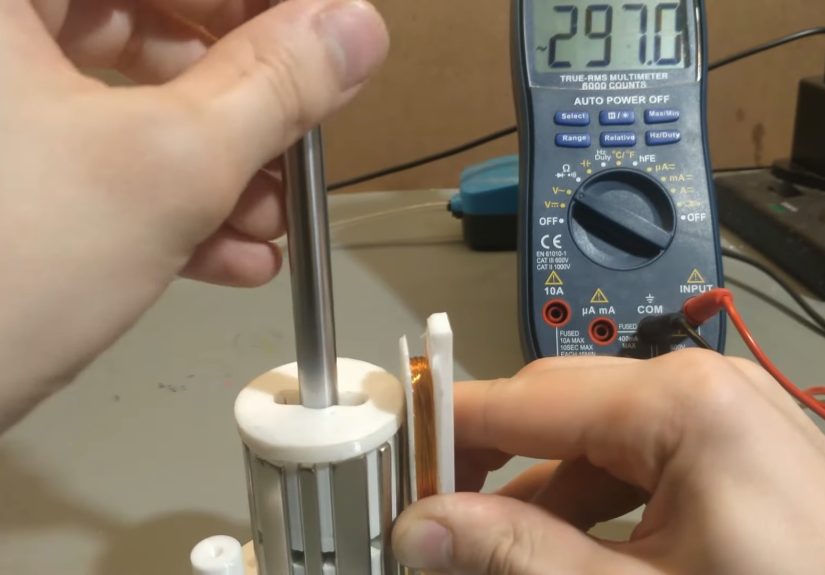
Some experienced DIYers are comfortable testing continuity with a multimeter and replacing a drain pump. If that is not your lane, that is perfectly okay. There is no medal for turning a manageable repair into a kitchen side quest.
Mistakes People Make When Fixing a Dishwasher That Won’t Drain
Ignoring the Garbage Disposal
People often focus only on the dishwasher and forget that the disposal and sink drain are part of the same drainage system. If the disposal is clogged, the dishwasher may not drain either.
Assuming All Standing Water Means Failure
A small amount of water in the filter area can be normal. Don’t tear the kitchen apart over a little puddle that your dishwasher actually expects to have.
Forgetting Safety
Never work on the appliance while it has power. Also, be careful around sharp debris in the filter or sump area.
Using Harsh Tools or Random Chemicals
Scraping at parts with metal tools or dumping harsh drain cleaners into the machine can damage components and seals. Gentle cleaning beats chemical warfare.
Skipping the Owner’s Manual
Not every dishwasher opens, drains, or disassembles the same way. Your model’s manual can save you time, guesswork, and at least one unnecessary muttered curse.
When To Call a Professional
Call for service if:
You’ve cleaned the filter, drain path, air gap, disposal connection, and hose, but the dishwasher still won’t drain. You should also call a pro if you suspect a bad drain pump, electrical problem, damaged wiring, leaking hose connection, or control board issue. And if removing panels or disconnecting plumbing feels outside your skill level, that’s not failure. That’s wisdom wearing work gloves.
Persistent drainage issues can also point to broader plumbing problems in the sink drain system. If the dishwasher and sink are both backing up, you may be dealing with a household drain issue, not just an appliance issue.
How To Prevent Dishwasher Drain Problems
Once your dishwasher is draining again, a few simple habits can help keep it that way:
Clean the Filter Regularly
Check the filter every few weeks, or more often if you cook a lot. It’s a small task that prevents larger headaches.
Scrape, Don’t Overload
You don’t need to prewash every dish like it’s entering a pageant, but scraping off large food chunks helps. Overloading also increases the odds that debris ends up where it shouldn’t.
Keep the Disposal and Sink Drain Clear
Because the systems are connected, a sluggish sink drain can become a dishwasher problem fast.
Inspect the Hose Occasionally
If you store items under the sink, make sure nothing is pressing against the drain hose. A bottle of cleaner can quietly create a kink and then pretend it had nothing to do with it.
Run Hot Water Before Starting a Cycle
Starting with hotter water can help grease move through the system more effectively, which may reduce buildup over time.
A Real-World Kitchen Experience: What This Problem Feels Like in Daily Life
Let’s talk about the part appliance guides often skip: the human experience of dealing with a dishwasher that’s not draining. Because technically, yes, this is a drainage issue. Emotionally, however, it feels like betrayal.
Picture a normal weeknight. Dinner is done, everyone is tired, and the dishwasher is supposed to be the hero of the evening. You load in plates, bowls, glasses, and that one pan you swore you’d hand-wash but absolutely did not. You press start and walk away feeling organized and responsible. An hour later, you open the door and discover that the dishes are still dirty and the bottom of the tub looks like it’s hosting a suspicious little pond. That is the exact moment optimism leaves the building.
For many homeowners, the first instinct is denial. Maybe the cycle isn’t done. Maybe the machine is “thinking.” Maybe this is one of those advanced energy-saving features nobody understands. So you close the door, press a few buttons, wait again, and reopen it only to find the same murky water staring back at you like, “Yes, I live here now.”
The next stage is usually a burst of internet-fueled confidence. Suddenly, you’re under the sink with a flashlight, half a towel, and the determined energy of someone who watched two repair videos and now considers themselves semi-certified. You clean the filter and discover enough debris to qualify as a light snack. You run the garbage disposal. You inspect the hose. You clean the air gap and wonder how such a tiny object can contain so much disgusting material. Piece by piece, the mystery starts to make sense.
Then comes the deeply satisfying moment: you run a drain cycle and hear water whoosh out the way it was always supposed to. It is a small sound, but emotionally, it lands like a standing ovation. The kitchen feels functional again. The dishes can finally move on with their lives. You can stop hand-washing everything like you’re living in a cabin in 1894.
Of course, not every story ends with a quick filter cleaning. Sometimes the easy fixes don’t work, and that can be frustrating. But even then, troubleshooting the basics helps. You can tell a repair technician exactly what you checked, which saves time and often saves money. More importantly, you avoid replacing the dishwasher out of pure annoyance when the real issue was a blocked hose or a forgotten knockout plug.
The biggest lesson most people take from this experience is simple: dishwasher maintenance matters more than it seems. Cleaning the filter regularly, keeping the sink drain clear, and paying attention to weird noises or slow drainage can prevent the dramatic puddle reveal altogether. It’s not glamorous, but neither is scooping swamp water out of an appliance with a coffee mug.
So if your dishwasher isn’t draining, take heart. It’s an annoying problem, but it’s also a very common one. Start with the simple stuff, work methodically, and resist the urge to assume the machine is doomed. Sometimes the fix is surprisingly easy. And when it is, you’ll feel like the champion of your own kitchen, even if your victory speech is delivered while holding a soggy sponge.
Final Thoughts
If you’re wondering how to fix a dishwasher that’s not draining, the smartest approach is also the simplest: check the easy clogs first. Clean the filter, inspect the drain area, run the garbage disposal, clear the air gap, and examine the drain hose. Those steps solve a large share of drainage issues without expensive repairs.
If the machine still won’t drain after that, don’t keep guessing forever. A bad drain pump or internal component may be the real problem, and that’s when professional help makes sense. Either way, acting quickly matters. Standing water can lead to odors, poor cleaning, and eventually bigger messes.
In other words, don’t let your dishwasher become a tiny indoor pond. With a little troubleshooting, you can often get it draining properly again and restore peace to your kitchen sink ecosystem.