Table of Contents >> Show >> Hide
- Why PEX Freezes Less Often (But Can Still Freeze)
- The Core Strategy: 3 Layers of Freeze Protection
- 12-Step Playbook to Prevent PEX Pipe Freezing
- 1) Map your “red-zone” plumbing
- 2) Insulate first, then seal air leaks
- 3) Protect both hot and cold lines
- 4) Use drip strategy selectively (and intelligently)
- 5) Open cabinet doors on vulnerable sinks
- 6) Keep garage doors closed if supply lines run through the space
- 7) Set “away mode” safely
- 8) Winterize outdoor plumbing completely
- 9) Use heat trace cable the right way
- 10) Respect UV and exterior exposure limits
- 11) Put service lines below local frost depth
- 12) Build a freeze response kit before you need one
- What to Do If PEX Starts to Freeze
- Common Mistakes That Cause Frozen PEX
- DIY vs. Pro: Where to Draw the Line
- Seasonal Freeze-Prevention Calendar
- Conclusion
- Extended Experience Section (500+ Words): What Homeowners and Plumbers Learn the Hard Way
PEX is the cool kid of modern plumbing: flexible, easier to route than copper, and often more forgiving when winter decides to audition for an apocalypse movie.
But let’s clear up the #1 myth right away: PEX is not freeze-proof. It’s freeze-damage resistant, which is very different from invincible.
If you live where temperatures drop hard and stay there, you need a plan.
This guide gives you that planpractical, code-aware, and realistic for actual homes (not just pristine showroom basements). We’ll cover what makes PEX special,
where it still fails, and the exact steps to prevent frozen lines, burst fittings, water damage, and those miserable 2 a.m. “why is there a waterfall in my laundry room?” moments.
You’ll also get a long-form experience section at the end with real-world lessons from cold-weather households and field crews.
Why PEX Freezes Less Often (But Can Still Freeze)
PEX helps, but physics still wins
PEX can buy you time in freezing conditions because it transfers heat more slowly than metal pipe and can flex as ice expands. That elasticity is one reason PEX often survives
freeze-thaw events better than rigid materials. But “better chance” is not “guaranteed survival.” If water in the line freezes solid, the system stops working, pressure behavior gets weird,
fittings become stress points, and damage risk climbs fast.
Where PEX is most likely to fail
- Lines in exterior walls with weak insulation or air leaks
- Attics and crawl spaces that are vented, drafty, or poorly insulated
- Garage plumbing near doors or uninsulated slab edges
- Outdoor runs with UV exposure and no thermal protection
- Embedded runs in concrete/highly compacted conditions where expansion room is limited
Bottom line: PEX is resilient, but the installation environment determines whether it survives cold snaps. Your mission is to reduce exposure, reduce heat loss,
and keep critical sections above freezing.
The Core Strategy: 3 Layers of Freeze Protection
Layer 1: Keep cold air away from pipes
Seal leaks where outside air enters: rim joists, sill plates, utility penetrations, crawl-space vents (where appropriate), attic bypasses, and gaps around hose bib penetrations.
Even great pipe insulation loses effectiveness if wind is blowing directly on the pipe.
Layer 2: Slow heat loss from the pipe itself
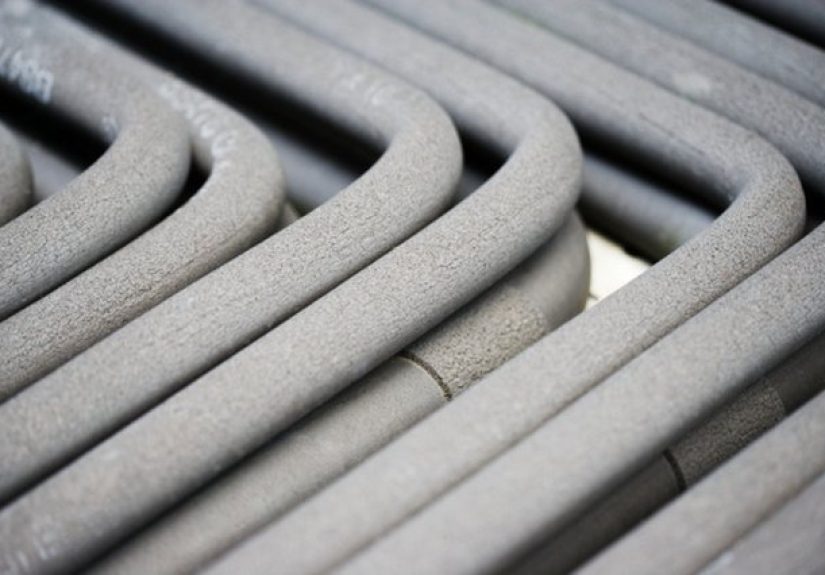
Insulate vulnerable hot and cold water lines. Foam sleeves are common for interior runs; fiberglass wraps are often used when clearances or flue proximity require a different material.
Seal sleeve seams and joints so the insulation works as a continuous barrier.
Layer 3: Maintain safe ambient temperature
During extreme cold, keep the home heated and avoid aggressive thermostat setbacks. If you’re away, maintain indoor heat high enough to protect plumbing zones,
not just the center of the living room.
12-Step Playbook to Prevent PEX Pipe Freezing
1) Map your “red-zone” plumbing
Do a 20-minute walkthrough before winter and label risk areas: exterior wall sinks, crawl-space manifolds, lines above unheated garages, and attic supply branches.
If you can’t see pipe runs, use clues: cold draft + plumbing fixture nearby = likely risk.
2) Insulate first, then seal air leaks
Pipe insulation and building air-sealing should be paired. Think jacket + windbreaker. If you only insulate but leave air pathways open, deep-cold wind can still pull heat away.
Focus on penetrations where pipes pass through framing, foundation, and sheathing.
3) Protect both hot and cold lines
Homeowners often insulate only hot lines for energy savings and ignore cold lines until they freeze. In real life, both can freeze. Insulating hot lines can also improve performance:
faster delivery at fixtures and lower standby losses.
4) Use drip strategy selectively (and intelligently)
In severe cold, let at-risk faucets served by exposed pipes run at a light trickle. This can reduce freezing risk by keeping water moving.
Use it as a short-term tactical move, not a permanent plan. Prioritize fixtures on exterior walls and in unheated zones.
5) Open cabinet doors on vulnerable sinks
Kitchen and bathroom cabinets on exterior walls often hide uninsulated supply lines in cold voids. Open doors during hard freezes to let indoor air circulate.
Move cleaners and chemicals out of reach of kids and pets while doing this.
6) Keep garage doors closed if supply lines run through the space
Attached garages become giant cold buffers when doors cycle open. If plumbing runs through garage walls or ceilings, keep doors shut as much as possible during extreme weather.
7) Set “away mode” safely
Traveling in winter? Don’t shut heat off. Keep the home warmed enough to protect plumbing (a common emergency-prep baseline is around 55°F),
and ask someone to check the house. Smart temperature alerts and leak sensors make this far easier than it used to be.
8) Winterize outdoor plumbing completely
- Disconnect hoses
- Shut off and drain exterior spigots/sillcocks if your setup allows it
- Install insulated covers where needed
- Insulate short exposed sections near wall penetrations
This is low effort, high payoff. Outdoor mistakes are some of the most common causes of indoor water damage.
9) Use heat trace cable the right way
For very high-risk runs, a self-regulating, self-limiting heat cable approved for plastic pipe can be a strong prevention tool.
Follow manufacturer instructions exactly, including overlap rules, thermostat controls, and insulation compatibility.
Not all heat tapes are suitable for all pipe types.
10) Respect UV and exterior exposure limits
Standard PEX is generally not meant for long-term direct sunlight exposure. If any section is in bright outdoor conditions, protect it from UV and weather
(or switch to a rated material and approved installation method).
11) Put service lines below local frost depth
If you’re building or repiping service laterals, burial depth matters. In cold regions, lines should be below frost depth per local code.
Guessing here is expensiveverify local requirements before trenching.
12) Build a freeze response kit before you need one
- Foam sleeves + tape
- Infrared thermometer
- Hair dryer or safe portable electric heater
- Moisture alarm/leak detector
- Main shutoff wrench (if required)
- Plumber contact saved in your phone
Preparation turns panic into procedure.
What to Do If PEX Starts to Freeze
Early warning signs
- Weak or no flow at one fixture
- Only one branch affected (not whole-house pressure drop)
- Frost on pipe surface in unconditioned area
- Odd gurgling before complete blockage
Safe thawing steps
- Open the affected faucet so meltwater has somewhere to go.
- Warm from the faucet side back toward the blockage.
- Use gentle heat: hair dryer, warm towels, controlled warm air, or approved methods.
- Never use an open flame or aggressive overheating methods.
- Inspect fittings, valves, and nearby drywall after flow returns.
If a section froze in a constrained area (like dense embedment) or you see any deformation, stains, or recurring pressure drops, call a licensed plumber.
“It seems fine now” is famous last words in plumbing.
Common Mistakes That Cause Frozen PEX
- Assuming “PEX doesn’t freeze,” so no insulation is needed
- Insulating only the pipe but ignoring major air leaks
- Running PEX in exterior walls without enough thermal strategy
- Using non-approved heat tape products
- Shutting heat off during travel
- Ignoring UV exposure on outdoor segments
- Skipping post-freeze inspection after thaw
DIY vs. Pro: Where to Draw the Line
Usually DIY-friendly
- Adding foam sleeves to accessible indoor lines
- Opening cabinets and managing drip strategy during cold snaps
- Disconnecting hoses and covering spigots
- Installing leak sensors and temperature alerts
Usually pro territory
- Heat trace cable design on long or complex runs
- Service-line burial depth corrections
- Repiping in exterior walls or slab-adjacent zones
- System diagnosis after repeated freeze events
A good rule: if a failure could damage ceilings, finished walls, or electrical systems, professional prevention is cheaper than “heroic cleanup.”
Seasonal Freeze-Prevention Calendar
Early Fall
- Inspect exposed lines and replace damaged insulation
- Seal drafts at penetrations and rim-joist zones
- Test heat trace controls if installed
Before First Hard Freeze
- Disconnect hoses and shut/drain outdoor valves
- Verify thermostat schedule and away settings
- Place leak sensors near high-risk zones
During Cold Waves
- Open cabinets on exterior-wall sinks
- Use selective faucet drip on vulnerable branches
- Keep garage doors closed and indoor heat stable
After Cold Wave
- Check for stains, odors, warped trim, or new water sounds
- Test fixture flow and pressure branch-by-branch
- Fix small issues immediately before next freeze cycle
Conclusion
Preventing frozen PEX isn’t about one magic trickit’s about a layered system: air sealing + insulation + stable heat + smart operations.
PEX gives you resilience, but your installation details determine outcomes. If you treat freeze prevention as a yearly maintenance ritual instead of a panic response,
you’ll avoid expensive repairs, water damage, mold headaches, and emergency calls during the coldest week of the year.
In short: PEX is forgiving. Winter is not. Build your freeze plan before temperatures plunge, and your plumbing will thank you by doing the one thing you need it to do:
quietly work in the background while you drink coffee and judge the weather from indoors.
Extended Experience Section (500+ Words): What Homeowners and Plumbers Learn the Hard Way
Here’s the pattern I’ve seen over and over in cold-weather homes: freezing events almost never come from one dramatic mistake. They come from a stack of small “should be fine”
decisions. A pipe run sits in an exterior wall because it made framing easier. Insulation gets compressed by another trade. A tiny air gap around a penetration is left unsealed.
A thermostat gets set too low during a weekend trip. None of those choices looks catastrophic by itself. Together, they write the script for a winter leak.
One homeowner in a mountain town had PEX in a utility chase next to a garage. They believed PEX made them safe, and for two mild winters, it seemed true.
Then a polar blast arrived with wind-chill-driven infiltration. The line didn’t burst, but it froze solid overnight. No morning water, no coffee, no shower, and plenty of regret.
What fixed it wasn’t “more heat” alone; it was sealing the chase, adding proper insulation continuity, and rerouting a short segment away from a draft path.
The lesson: if air can move, cold can win.
Another case: a renovated kitchen with gorgeous cabinetry on an exterior wall. The owner insulated pipe sections in the basement and felt prepared.
But the freeze happened under the sink, where the cabinet back had unsealed cutouts and a surprisingly cold wall cavity. During a severe cold night,
opening cabinet doors and letting a light faucet drip prevented a full blockage. Afterward, they added insulation behind the cabinet base and sealed every penetration.
They also installed a tiny temperature sensor in that cavity. That sensor became their winter “early warning system,” and they haven’t had trouble since.
Plumbers will tell you fittings are often where the story gets expensive. PEX tube may flex, but concentrated stress can still show up around connections,
manifolds, valves, and transitionsespecially where freezing and thawing repeats. One service tech described houses that looked fine after thawing, only to show slow leaks
days later when pressure cycling resumed. Now his checklist includes branch pressure verification, fitting inspection, and moisture scanning after every freeze call.
“No visible crack” is not the same as “no damage.”
A vacation-home owner learned the away-mode lesson the hard way. They left in January, turned the thermostat down aggressively to save money, and trusted luck.
A short outage plus subzero wind turned a utility corner into an icebox. When power returned, the heat came backbut too late for one vulnerable branch.
Cleanup was far more expensive than a season of moderate heating. Their new strategy is simple and smart: hold a safer indoor setpoint, add remote alerts,
and have a neighbor do a quick visual check after big storms. The emotional win matters too: no more opening the front door after a trip with your heart racing.
In older homes, crawl spaces are frequent problem zones. One crew found a recurring freeze in a PEX run that crossed near a vented perimeter. Pipe insulation existed,
but it was thin and gapped, and cold air was blasting the same spot repeatedly. The permanent fix combined air control and thermal control: vent strategy adjustment,
better insulation coverage, and an approved heat cable on a short high-risk section. After that, not a single freeze call in two winters.
The takeaway is almost boringbut true: robust systems beat heroics.
I’ve also seen homeowners get excellent results with simple routines. Before each winter they do a one-hour “pipe audit”: check insulation continuity, test leak alarms,
confirm shutoff valve access, and photograph risk zones. During cold alerts, they open cabinet doors, keep garage doors closed, and inspect known weak points once daily.
These are not glamorous tasks. They are wildly effective tasks.
The biggest mindset shift is this: freeze prevention is not a one-time installation decision; it’s an operations habit. Houses change over timenew holes get drilled,
insulation gets moved, airflow paths change, and weather gets weird. If you treat your plumbing system like a living system that needs seasonal checkups,
PEX can be a great long-term performer. If you treat it as “set it and forget it forever,” winter eventually sends a reminder invoice.
So yes, the technical advice matters: insulation quality, code-aware placement, safe thawing methods, and proper heat cable selection. But the real-world edge comes from consistency.
The homeowners with the fewest winter plumbing disasters aren’t always the ones with the fanciest systemsthey’re the ones with repeatable habits.
They check, adjust, and prepare early. And when the temperature drops hard, they don’t improvise. They execute.