Table of Contents >> Show >> Hide
- What Is Aspergillosis in Dogs?
- Common Signs That Point to Aspergillosis
- How to Treat Aspergillosis in Dogs: 8 Steps
- Step 1: Treat suspicious symptoms like a veterinary priority, not a waiting game
- Step 2: Get a real diagnosis before starting antifungal treatment
- Step 3: Let your veterinarian remove fungal plaques and diseased material
- Step 4: Use topical antifungal treatment for localized nasal disease
- Step 5: Add systemic antifungal medication when the disease is invasive or disseminated
- Step 6: Support the dog through the whole-body impact of treatment
- Step 7: Recheck aggressively because recurrence is not rare
- Step 8: Focus on relapse prevention and long-term quality of life
- What Not to Do
- Prognosis: What Owners Can Realistically Expect
- Real-World Experiences With Treating Aspergillosis in Dogs
- Conclusion
Aspergillosis in dogs is one of those diagnoses that sounds like a spell from a fantasy movie, but it is very real, very stubborn, and very much a job for a veterinarian. This fungal infection is usually caused by Aspergillus species and most often shows up in the nose and sinuses, though in some dogs it can spread through the body and become far more dangerous. That difference matters. A lot. Treating a localized nasal infection is hard enough. Treating disseminated aspergillosis is a whole different rodeo.
The good news is that many dogs with nasal aspergillosis can do well when treatment is started promptly and managed correctly. The less cheerful news is that this is not a condition to treat with “maybe it’s allergies” optimism, leftover antibiotics, or internet folklore involving coconut oil and positive thinking. A smart treatment plan usually requires imaging, rhinoscopy, lab work, antifungal therapy, and follow-up checks. In other words, this fungus does not accept casual effort.
This guide breaks treatment down into eight practical steps so owners understand what usually happens, why veterinarians choose certain therapies, and how to support a dog through the long haul.
What Is Aspergillosis in Dogs?
Aspergillosis is a fungal infection caused by molds that are common in the environment, especially around decaying vegetation, compost, damp soil, and organic debris. Dogs are exposed by inhaling fungal spores. In many cases, the infection stays in the nasal passages and frontal sinuses. This form is often called nasal aspergillosis or sinonasal aspergillosis.
In more severe cases, the fungus spreads beyond the nose into the spine, kidneys, eyes, lymph nodes, or other organs. That form is called disseminated aspergillosis. It is rarer, more aggressive, and much harder to treat. Certain dogs, including some long-nosed breeds and German Shepherds, appear more likely to develop particular forms of the disease.
Common Signs That Point to Aspergillosis
Dogs with nasal disease often have a chronic, foul-smelling nasal discharge that may come from one nostril or both. They may sneeze, paw at the nose, bleed from the nose, show pain around the face, or develop ulceration and loss of pigment around the nostrils. If the infection affects tissues around the eye, you may also see bulging of the eye, squinting, eye discharge, or facial swelling.
Dogs with disseminated disease may not have obvious nasal signs at all. Instead, they can show vague but serious symptoms such as fever, weight loss, decreased appetite, spinal pain, lameness, weakness, draining tracts, eye inflammation, kidney issues, or neurologic changes. That is part of what makes disseminated aspergillosis such a troublemaker: it does not always wave a giant fungus flag before it gets serious.
How to Treat Aspergillosis in Dogs: 8 Steps
Step 1: Treat suspicious symptoms like a veterinary priority, not a waiting game
The first step is recognizing that weeks of nasal discharge, nosebleeds, facial pain, or unexplained lameness are not normal. Many dogs with aspergillosis are first treated for bacterial infections, allergies, or routine sinus trouble. That can delay the right diagnosis. If your dog has symptoms that linger, worsen, or keep coming back after antibiotics, ask your veterinarian whether fungal disease should be on the list.
This step matters because early treatment is usually easier than late treatment. A dog with localized nasal disease has a better shot than a dog whose infection has already chewed through bone or spread to distant organs. Think of it like fixing a roof leak. You want the roofer when there is a drip, not when the living room has become an indoor pond.
Step 2: Get a real diagnosis before starting antifungal treatment
Aspergillosis cannot be diagnosed responsibly by smell, guesswork, or one dramatic sneeze. Veterinarians usually combine several tools to confirm it. These may include a physical exam, bloodwork, urinalysis, imaging such as skull radiographs or CT scans, and rhinoscopy to look directly into the nasal passages and sinuses. Biopsy, fungal culture, cytology, histopathology, PCR, or antigen testing may also be used depending on the case.
One of the biggest clinical points is that a culture by itself is often not enough. Aspergillus is common in the environment, so finding it without proof of tissue invasion can be misleading. For that reason, many veterinarians want to see fungal plaques, tissue changes, or compatible imaging findings before locking in the diagnosis.
If disseminated aspergillosis is suspected, the workup may expand to include spine imaging, abdominal ultrasound, urine fungal culture, or additional tests aimed at the organs most likely to be involved.
Step 3: Let your veterinarian remove fungal plaques and diseased material
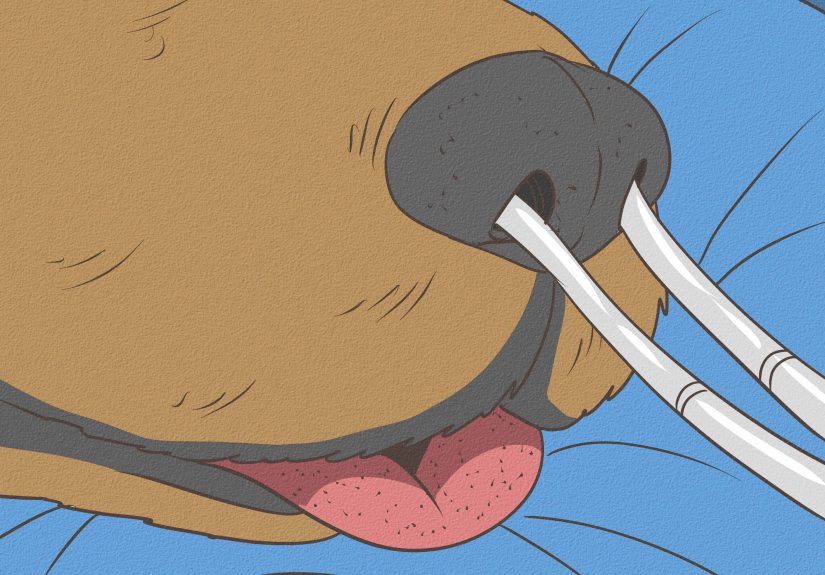
For most dogs with nasal aspergillosis, treatment starts with debridement, which means physically removing fungal plaques and infected debris from the nasal cavity and frontal sinuses. This is usually done during rhinoscopy or sinuscopy while the dog is under general anesthesia.
Why not just dump medicine in there and call it a day? Because fungal plaques can act like grim little bunkers. They shield the organisms and limit drug contact with affected tissue. Debridement improves access for the antifungal medication and is associated with better outcomes in many protocols.
Depending on the anatomy and extent of disease, the veterinarian may treat through the nostrils, pass a catheter into the frontal sinus, or perform a trephination procedure to access the sinuses more directly. The exact technique varies, but the goal is the same: reduce fungal burden and create better contact between medication and the infected areas.
Step 4: Use topical antifungal treatment for localized nasal disease
For dogs with sinonasal aspergillosis, topical antifungal therapy is often the main event. Medications such as clotrimazole or enilconazole may be infused directly into the nasal passages and sinuses, or clotrimazole cream may be deposited after the fungal plaques are removed.
This approach is popular for a reason. Local treatment places the drug exactly where the fungus is causing trouble. In many cases, it works better than oral medication alone for disease that is confined to the nose and sinuses. Some dogs improve after one treatment, but many need more than one procedure. Follow-up rhinoscopy, culture, biopsy, or imaging may be used to decide whether another treatment is needed.
A practical example: a dog with chronic bloody nasal discharge, facial pain, and visible plaques on rhinoscopy may undergo debridement and clotrimazole infusion under anesthesia, then return a few weeks later for reassessment. If there is still active infection, the veterinarian may repeat the treatment rather than declare victory too early.
Step 5: Add systemic antifungal medication when the disease is invasive or disseminated
If the infection has invaded beyond the localized nasal tissues, eroded into critical structures, or spread through the body, oral or injectable antifungal medication becomes essential. Commonly discussed options include itraconazole, voriconazole, posaconazole, terbinafine, and amphotericin B, depending on the case, the species involved, organ involvement, previous response, and the dog’s kidney and liver status.
Disseminated aspergillosis is notoriously hard to treat. Therapy often lasts for months and sometimes much longer. Medication choice is not one-size-fits-all, and monitoring for adverse effects is part of the plan. Some dogs respond well enough to enjoy meaningful survival time, but relapse can occur, and prognosis remains guarded to poor in many advanced cases.
This is also the stage where owners need clear communication with the veterinary team. Ask what the treatment goal is. Is the aim cure, remission, control, or comfort? Those are different destinations, and it is better to know which road you are on before you pack snacks.
Step 6: Support the dog through the whole-body impact of treatment
Treating the fungus is the headline, but supportive care is the part that keeps the story moving. Dogs with aspergillosis may need pain control, anti-nausea medication, appetite support, fluids, nutrition management, eye care, and treatment of secondary bacterial infections if they arise. Dogs with spinal pain, weakness, or neurologic deficits may also need rehabilitation or mobility assistance.
At home, owners should track appetite, water intake, nasal discharge, sneezing frequency, energy, mobility, urination, and stool quality. Medication schedules need to be followed with almost annoying consistency. Antifungal drugs are not the type of meds you casually remember “later tonight maybe.” If bloodwork monitoring is recommended, do not skip it. Liver enzymes, kidney function, and overall tolerance may influence whether therapy can continue safely.
Some dogs feel better gradually rather than dramatically. That can be emotionally exhausting for owners, but slow improvement is still improvement.
Step 7: Recheck aggressively because recurrence is not rare
One of the biggest mistakes in canine aspergillosis management is assuming that symptom improvement means the infection is gone. A dog may stop dripping from the nose and still have residual fungal disease hiding in the frontal sinuses. That is why follow-up matters.
Veterinarians may recommend repeat rhinoscopy, sinuscopy, CT imaging, fungal culture, histopathology, or other tests to confirm remission. Dogs with disseminated disease often need repeated bloodwork, urine testing, and imaging of affected organs. In some cases, treatment continues for a period after the dog appears clinically normal, because stopping too soon can invite a rebound.
If your dog improves quickly after the first topical treatment, that is excellent news. It is not a permission slip to vanish into the sunset and skip rechecks. Fungi are persistent. They love an unfinished job almost as much as pet hair loves black clothing.
Step 8: Focus on relapse prevention and long-term quality of life
The final step is not glamorous, but it is crucial: long-term management. Once treatment is underway or completed, work with your veterinarian on a realistic follow-up schedule. Keep your dog away from heavy mold exposure when possible, especially compost piles, decaying plant material, damp organic debris, and other high-risk environments. This is not a guarantee, but it is a sensible precaution.
Quality of life should stay front and center. For nasal aspergillosis, many dogs can return to a comfortable routine after successful treatment, though some may have persistent sneezing or chronic nasal changes because of tissue damage. For disseminated disease, the conversation may include balancing aggressive therapy against side effects, cost, repeated hospitalization, and the dog’s day-to-day comfort.
The best treatment plan is not just the one that attacks the fungus. It is the one that makes medical sense for the dog in front of you.
What Not to Do
Do not try to treat aspergillosis at home with over-the-counter antifungals, essential oils, herbal blends, or leftover antibiotics. Do not assume a bad-smelling nose is “just a sinus infection.” Do not stop medication early because the discharge improved. And do not be shy about asking for referral to a veterinary internist, neurologist, or specialty hospital if the case is complicated. This is one of those situations where “let’s see how it goes” is often not a winning strategy.
Prognosis: What Owners Can Realistically Expect
For localized nasal aspergillosis, prognosis is often fair to good when the disease is diagnosed and treated appropriately. Many dogs improve significantly, although repeat procedures are common and complete clearance sometimes takes more than one round.
For disseminated aspergillosis, prognosis is much more guarded. Some dogs respond to prolonged antifungal therapy and can survive for extended periods, but treatment is difficult, relapses happen, and some dogs are very ill by the time the diagnosis is made. The dog’s overall condition, organ involvement, fungal species, and response to therapy all matter.
Real-World Experiences With Treating Aspergillosis in Dogs
Owners dealing with canine aspergillosis often describe the experience as a strange mix of confusion, relief, stress, and persistence. Confusion comes first because the signs do not always scream “fungal infection.” Many people initially think their dog has allergies, kennel cough, a grass seed stuck in the nose, or a stubborn bacterial sinus infection. They try antibiotics, get a little hope, then watch the same bloody discharge or foul smell come right back. That cycle is incredibly common, and it is one reason the eventual diagnosis can feel both scary and oddly validating. At least now the problem has a name.
For owners of dogs with nasal aspergillosis, the most memorable part is often the first specialty workup. A CT scan, rhinoscopy, anesthesia, biopsies, and a discussion about fungal plaques in the frontal sinuses can make a routine vet visit suddenly feel like a medical drama. Many owners say they are shocked that a fungus can do so much structural damage inside the nose. Once treatment begins, though, they often feel cautiously hopeful because localized disease can respond well, especially when the veterinary team is aggressive about debridement and topical therapy.
The emotional pattern tends to repeat itself in stages. First there is optimism after the procedure. Then comes the tense waiting period: Is the nasal discharge improving? Is the dog sneezing less? Is that little bit of blood normal healing, or does it mean the fungus is still active? When the dog goes back for a recheck, owners are often surprised to learn that “looking better” and “being cured” are not always the same thing. That lesson is frustrating, but it is important. Some dogs need more than one treatment, and most owners eventually learn patience whether they wanted to or not.
For families dealing with disseminated aspergillosis, the experience is usually much heavier. These dogs may have pain, weakness, spinal involvement, eye disease, kidney abnormalities, or systemic illness that makes daily life harder from the start. Owners often describe a steep learning curve involving medication timing, lab monitoring, side effects, appetite issues, and difficult prognosis discussions. Yet even in these tougher cases, one theme comes up again and again: committed home care matters. Families who stay organized, communicate closely with their veterinarian, and adjust expectations without giving up too soon often feel they gave their dog the best possible chance.
Another common experience is financial and emotional fatigue. Aspergillosis is not usually a one-visit, one-pill problem. It can mean repeat anesthesia, specialty appointments, blood tests, imaging, and months of treatment. Owners who cope best tend to treat the process like a marathon instead of a sprint. They keep written medication logs, take photos of nasal changes, track appetite and mobility, and celebrate small wins. A dog eating better, sleeping comfortably, or walking more normally may not sound dramatic, but during fungal treatment those moments feel enormous.
The practical takeaway from these real-life experiences is simple: success usually comes from persistence, accurate follow-up, and a treatment plan built on evidence rather than guesswork. Aspergillosis can be stubborn, but so can good veterinary medicine and determined dog owners. Fortunately, that is a very solid team.
Conclusion
If your dog has aspergillosis, the smartest move is not panic and it is definitely not DIY medicine. It is a thorough veterinary diagnosis followed by a treatment plan matched to the exact form of the disease. Localized nasal aspergillosis is often managed with debridement plus topical antifungal therapy, sometimes with repeat procedures. Disseminated aspergillosis usually needs long-term systemic medication, close monitoring, and honest conversations about prognosis. Either way, early action, consistent follow-up, and good home support give your dog the strongest chance of recovery or meaningful control.