Table of Contents >> Show >> Hide
- What Makes a Photo Feel Like a Fairytale?
- Pre-Production: Building a Tiny World Without Losing Your Mind
- Kid Logistics: The Secret Ingredient Is Not Your Camera
- Gear: What You Need (and What You Don’t)
- Lighting: How to Make Real Life Look Like a Storybook
- Directing: How to Get Natural Expressions Without Bribery (Okay, Minimal Bribery)
- Composition Tricks That Make Photos Feel Cinematic
- Color and Styling: Make the Scene Cohesive
- Editing: Turning “Nice” Into “Fairytale” (Without Making Your Kid Look Like an Alien)
- Specific Scene Ideas You Can Copy This Weekend
- Printing and Sharing: Make It a Real Fairytale, Not a Camera Roll Ghost
- Extra: of Real-World Lessons From Doing This With an Actual Child
- Conclusion: Your Backyard Can Be a Kingdom
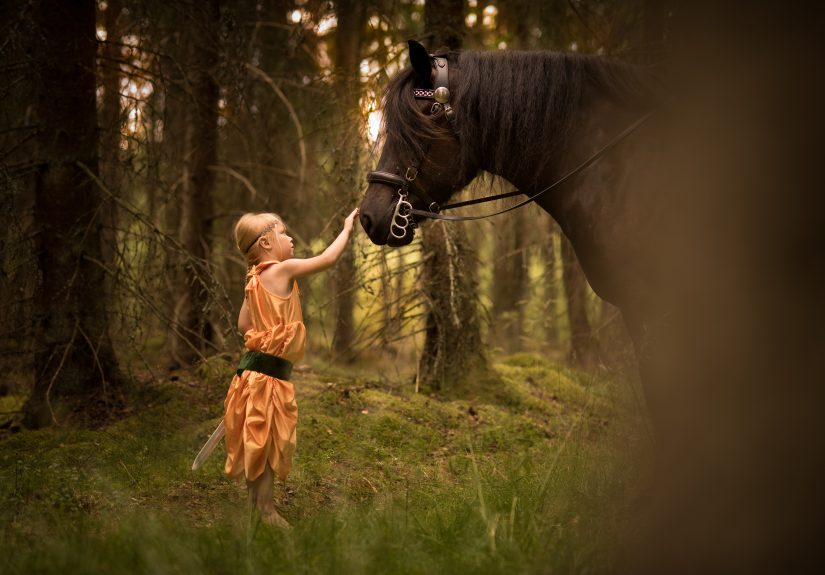
The idea started the way most parenting “projects” start: with wildly optimistic energy and a suspicious amount of glitter. My daughter wanted a fairytale. Not a “princess-in-a-party-hat” fairytale. A real oneforest vibes, magical light, the kind of storybook scene where even the squirrels seem like they have an agent.
So I did what any reasonable adult would do: I decided to manufacture magic with a camera, a thrift-store dress, and the absolute confidence of someone who had not yet remembered that children have the attention span of a soap bubble in a breeze.
This article walks you through how to create fairytale-style photos of your child (or any tiny human willing to collaborate), without turning the day into a stress marathon. We’ll cover the storytelling side, the practical photography side, and the “how do I keep this kid happy and safe” sidebecause nothing ruins a whimsical portrait like a snack emergency.
What Makes a Photo Feel Like a Fairytale?
A fairytale photo isn’t just a child in a costume. It’s a story with a mood. It has a main character, a setting, and a tiny plotsomething is happening (or about to happen). The viewer should feel like they arrived in the middle of a scene and want to turn the page.
The Fairytale Formula: Character, Setting, and “What’s the Moment?”
- Character: Who is she todaybrave explorer, woodland fairy, lost princess, little witch with excellent skincare?
- Setting: Where does the story liveforest trail, backyard garden, attic with sunbeams, a room turned into a “castle” with sheets?
- Moment (Plot): What’s happeningfinding a glowing object, listening to whispers from a book, stepping into a portal, making a wish?
Your “plot” can be simple. In fact, simple is your friend. Kids already bring emotion and movement; you just need to frame it like it’s part of a legend.
Pre-Production: Building a Tiny World Without Losing Your Mind
The best fairytale shoots are mostly planned before the camera comes out. Not because you need perfectionbecause once your child is dressed like a mystical woodland creature, you’ve got a limited window before they decide the wings are “itchy” and the wand is “actually a sword now.”
Choose One Clear Concept
Pick a concept you can explain in one sentence. Examples:
- “A forest fairy finds a hidden lantern at golden hour.”
- “A brave girl follows a ribbon trail to a secret garden.”
- “A bedtime story comes alive in a room full of floating ‘stars.’”
- “A little magician learns her first spell (and accidentally summons bubbles).”
One sentence keeps you focused. It also keeps your prop pile from becoming a full-scale theater department.
Make a Micro Shot List (3–7 Photos)
Instead of trying to capture “everything,” plan a few specific shots that tell the story:
- Establishing shot: Your child small in the environmentsets the scene.
- Hero portrait: Face, emotion, costume details.
- Action moment: Running, spinning, reaching for something, opening a book.
- Detail shot: Hands holding a flower, boots on moss, ribbon in hair.
- Final frame: A “closing scene” (walking away, looking back, holding the lantern up).
This makes your shoot feel like a story instead of a random pile of cute pictures.
Props and Wardrobe: Small Touches, Big Magic
Fairytale styling works best when it’s simple and textured. Think: linen, tulle, knits, capes, flower crowns, baskets, old books, lanterns, ribbons, and anything that looks like it belongs in an illustrated story.
- Go thrift first: Dresses, shawls, vintage-looking sweaters, little boots.
- Borrow from nature: Fallen branches, leaves, wildflowers (only where it’s allowed), pinecones.
- DIY one “hero” piece: A flower crown, a wand, or a cape can carry the whole look.
Pro tip: Choose props your child can do something with. A lantern can be lifted. A basket can be carried. A ribbon can be followed. The more interactive the prop, the more natural the expressions.
Kid Logistics: The Secret Ingredient Is Not Your Camera
If you want fairytale photos that feel joyful instead of forced, treat the shoot like a game. Kids cooperate best when they feel like collaborators, not employees. (Also, kids should never be employees. Especially not in glitter.)
Timing: Shoot When Your Child Is Most Human
Plan around naps, meals, and moods. A well-fed child is basically a small celebrity who has approved the script. A hungry child is… a critic.
Keep It Short and Praise the Process
Your child doesn’t need an hour-long session. They need 10–25 minutes of fun with breaks. If you get 12 amazing frames, you’ve won.
Comfort and Safety Come First
- Skip itchy fabrics, tight shoes, or anything that pinches.
- Bring water and a simple snack (no chocolate if you don’t want a face-cleaning subplot).
- Avoid unsafe locations: steep slopes, unstable rocks, deep water, heavy props, traffic.
- Always have an adult spotter if your child is moving, climbing, or near hazards.
The goal is “storybook magic,” not “storybook injury report.”
Gear: What You Need (and What You Don’t)
You can do fairytale photography with a phone, a beginner camera, or a pro setup. The real difference-maker is light and intention. Still, a few tools help:
Helpful Gear for Dreamy Child Portraits
- A fast lens (optional): Something like a 50mm or 85mm (or a phone portrait mode) helps blur backgrounds.
- A reflector: Cheap, lightweight, and surprisingly powerful for softening shadows.
- A simple continuous light: If indoors, one soft light source can mimic window light.
- A cloth and wipes: Because fairytales involve dirt. It’s in the fine print.
Don’t let gear become a gatekeeper. The story is the star.
Lighting: How to Make Real Life Look Like a Storybook
Fairytale lighting usually looks soft, directional, and a little bit “glowy.” You’re aiming for light that feels like it’s coming from a magical source: sun filtering through trees, a window beam, or a lantern in shade.
Use Golden Hour (When Possible)
The hour after sunrise and before sunset gives warm, gentle light that flatters skin and turns backgrounds into sparkle. It’s also when kids are either delightful or deeply tiredso choose wisely.
Open Shade Is Your Best Friend
If the sun is harsh, move into open shade (like under a tree line or next to a bright wall). You’ll get softer shadows and easier editing.
Try Backlight for Instant Magic
Place your child with the sun behind them and expose for the face. Backlight can create a halo effect in hair and gives that “enchanted forest” vibe. Use a reflector (or a bright surface) to bounce light back into the face if needed.
Indoor Fairytale Lighting: Bounce or Window Light
Indoors, position your child near a window and turn off overhead lights that create weird shadows. If you use flash, bouncing it off a light-colored ceiling or wall can soften the look.
Directing: How to Get Natural Expressions Without Bribery (Okay, Minimal Bribery)
The biggest “aha” moment for photographing kids is realizing you’re not directing a modelyou’re directing a scene. Give them something to do, not just a pose to hold.
Use Prompts Instead of Poses
- “Can you tiptoe like you’re sneaking past a sleeping dragon?”
- “Hold the lantern like it’s the only light in the forest.”
- “Whisper a secret to the flower.”
- “Spin once like you’re casting a spell.”
- “Look over your shoulder like you heard your name.”
Prompts create real emotioncuriosity, delight, mysteryand that’s what makes a fairytale feel believable.
Get Down to Their Level
Shooting at a child’s eye level makes the viewer feel like they’re inside the child’s world (instead of looking down into it). It also reduces awkward distortion and makes expressions more engaging.
Composition Tricks That Make Photos Feel Cinematic
Fairytales often feel larger than life. Composition helps you create that feeling without needing an actual castle.
Frame With Foreground “Mystery”
Shoot through leaves, tall grass, curtains, or doorways. A blurry foreground adds depth and makes the scene feel discovered, like you peeked into a secret.
Use Leading Lines and Trails
Paths, fences, rows of trees, or even a ribbon laid on the ground can guide the viewer’s eye to your child and reinforce the story of “journey.”
Let Your Child Be Small in the Frame Sometimes
A wide shot where your child is tiny in a big environment instantly feels like a storybook illustration. It communicates adventure, wonder, and scale.
Color and Styling: Make the Scene Cohesive
Fairytale images usually have intentional color. Pick a simple palette and repeat it: maybe soft greens + cream + gold, or autumn rust + navy, or “moonlight blue” + silver + white.
Quick Palette Ideas
- Woodland classic: moss green, warm brown, cream
- Enchanted garden: blush pink, sage, soft yellow
- Winter wonder: icy blue, gray, white, a touch of red
- Spellcaster: deep purple, black, gold accents
Keep it simple: one statement piece (cape, crown, or lantern) plus neutral supporting pieces.
Editing: Turning “Nice” Into “Fairytale” (Without Making Your Kid Look Like an Alien)
Editing is where your fairytale mood gets locked in. The goal is not to erase realityit’s to enhance atmosphere. Think of it as polishing a storybook illustration, not rewriting your child’s face.
The Dreamy Look: Soft Contrast, Gentle Glow, Warm Highlights
- Lower harsh contrast: Keep shadows gentle so the scene feels soft.
- Lift exposure slightly: Bright but not blown out.
- Warm the highlights: Adds “sun-kissed magic.”
- Reduce clarity a touch: Too much clarity can look gritty (great for street photography, less great for unicorn vibes).
- Add a subtle glow: A gentle bloom effect can feel like morning mist or enchanted light.
Lightroom Presets: Use Them Like Salt, Not Like a Fire Hose
Presets can help you get a dreamy base quickly, but dial them back. The best edits still look naturaljust more cinematic.
Selective Edits: Where the “Magic” Usually Lives
- Brighten the face slightly: The viewer should land on the eyes.
- Darken distracting background bits: Trash cans are the villain of many suburban fairytales.
- Enhance the hero prop: Make the lantern glow a bit, or add warmth to the crown.
Keep skin tones realistic. Fairytale doesn’t mean “orange.”
Specific Scene Ideas You Can Copy This Weekend
1) The Lantern Finder (Easy Outdoor Story)
Setting: a park path or wooded trail at golden hour.
Props: lantern, simple dress, cardigan/cape.
Action: she “discovers” the lantern, holds it up, then walks away.
2) The Bedroom Constellation (Easy Indoor Story)
Setting: near a window with sheer curtains.
Props: a book, string lights, paper stars on the wall.
Action: she opens the book and “sees” the stars appear.
3) The Secret Garden Messenger (Colorful and Playful)
Setting: backyard garden or flower shop wall.
Props: flower crown, basket, ribbon.
Action: she delivers a “message” to the flowers and giggles when they “answer.”
Printing and Sharing: Make It a Real Fairytale, Not a Camera Roll Ghost
A fairytale photoshoot deserves a fairytale ending. Pick 8–15 images and make a small photo book, a framed print, or a “storybook” album your child can flip through. When kids see themselves as the hero of a story, it becomes more than a photoit becomes a memory they can hold.
Extra: of Real-World Lessons From Doing This With an Actual Child
Let me be honest: the first time I tried to photograph my daughter in a fairytale scene, I imagined cinematic perfectionsoft light, graceful poses, mysterious expressions. What I got (at first) was a tiny person sprinting directly at the lens while yelling, “I’M A DRAGON NOW,” with her crown sliding sideways like a tired paper plate at a picnic.
That’s when I learned the best mindset for fairytale child photography: you don’t “control” the story. You host it. You set the stage, create a safe and fun environment, and then let your kid’s personality do the heavy lifting. The magic isn’t manufacturedit’s revealed.
Here are the lessons that saved my sanity:
1) The costume is not the point. I used to obsess over the perfect dress, the perfect crown, the perfect everything. But the photos my family loved most weren’t the ones with the fanciest styling. They were the ones with the truest emotioncuriosity, pride, mischief, tenderness. Now I focus on comfort first. If the outfit makes her itchy, the mood dies. If it makes her feel powerful, she becomes the character instantly.
2) Kids give you gold in tiny bursts. Adults can “hold a pose.” Kids give you a masterpiece for three seconds and then ask if worms have families. So I keep the camera ready, settings dialed in, and I shoot in short little waves. I’ll say, “Okay, do the lantern thing!” then I shoot fast, then we break to look at the back of the camera or do a silly dance reset.
3) The best direction is a game. Instead of “smile,” I use micro-stories: “A fairy is watching you from behind that treedon’t scare her!” or “The book is whisperingcan you listen?” The expression changes immediately. Kids are imaginative by default; you’re just giving them a runway.
4) Expect chaos and plan for it. I pack a snack, water, wipes, and a backup prop that keeps hands busy (a ribbon, a wand, a small bouquet). I also scout for the “boring adult details” like bathrooms, safe footing, and where the light is best. This is the difference between a shoot that feels like play and a shoot that feels like a meltdown waiting to happen.
5) The fairytale is yours, too. The sweetest surprise was realizing I wasn’t just making photos for social media or a holiday card. I was making proof of this stage of lifethis age, this face, this laugh, this particular brand of wild imagination. Years from now, the image won’t just say “fairytale.” It’ll say, “This was us.”
So if your session doesn’t look like a magazine cover, you’re still doing it right. Your job is to capture wonder. And kids? Kids are basically wonder with sneakers on.
Conclusion: Your Backyard Can Be a Kingdom
Bringing a fairytale to life photographing your daughter isn’t about perfect props or expensive gear. It’s about storytelling, gentle light, and creating a moment where your child gets to be the hero. Plan a simple concept, keep your session short and fun, use soft light, and polish the mood in editing. Do thatand you’ll end up with images that feel like pages from a book your family will want to read forever.