Table of Contents >> Show >> Hide
- What Is Jennifer Garner’s Pizza Cracker, Exactly?
- Why This Recipe Works So Well
- How I Made It
- The First Bite: Crispy, Salty, and Dangerously Snackable
- What I Loved Most
- What I’d Change Next Time
- Is It Really Worth the Hype?
- Best Ways to Serve Jennifer Garner’s Pizza Crackers
- Final Verdict
- More From My Kitchen: 500 Extra Words on the Experience
Some recipes arrive with fireworks. Others slip into your brain wearing sweatpants, carrying a sheet pan, and saying, “Trust me.” Jennifer Garner’s 4-ingredient pizza cracker recipe belongs firmly in the second camp. It isn’t flashy. It isn’t dripping with cheese. It doesn’t involve a food processor, a candy thermometer, or the kind of shopping list that requires emotional support. It’s just pizza dough, olive oil, herbs, and salt baked until shatteringly crisp. And somehow, that humble combination has become one of Garner’s most talked-about kitchen habits.
So naturally, I had to try it. Because when a celebrity says her family requests a snack on repeat, I become deeply invested. Not normal invested. Investigative-snacking invested. I wanted to know whether this so-called pizza cracker was actually good, or whether it was just another case of “famous person discovers toast.”
Reader, it is good. Extremely good. Annoyingly good, even. The kind of good that makes you stand over the cooling rack and say, “I’m just breaking off one more piece,” until half the tray has mysteriously vanished.
What Is Jennifer Garner’s Pizza Cracker, Exactly?
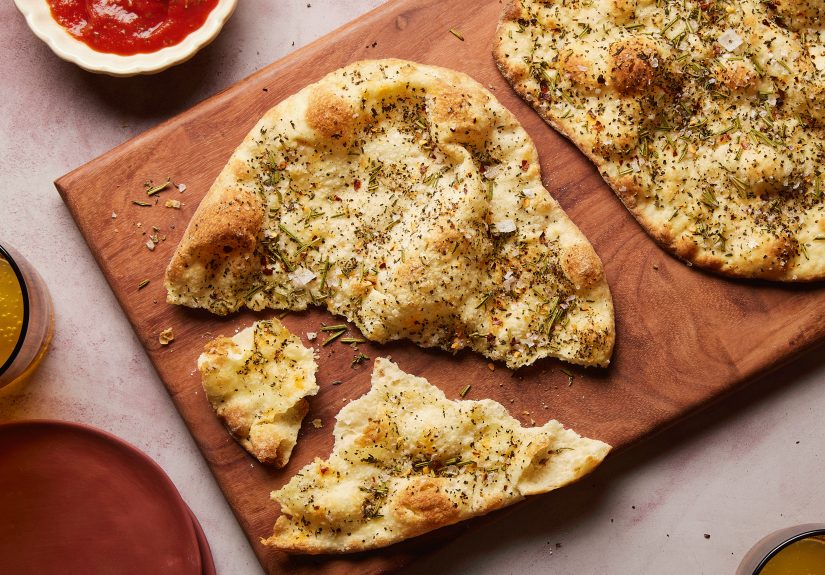
If you haven’t fallen down the wonderfully unpolished rabbit hole of Jennifer Garner’s Pretend Cooking Show, pizza cracker is one of her family’s favorite snacks. The basic idea is almost comically simple: stretch pizza dough very thin, brush it with olive oil, shower it with herbs and salt, and bake it at high heat until it bubbles, bronzes, and crisps into something between a cracker, a flatbread, and the best corner piece of thin-crust pizza.
That simplicity is part of the appeal. Depending on how people count pantry staples, some outlets call it a 3-ingredient snack and others call it a 4-ingredient snack. I’m firmly in the four-ingredient camp here: pizza dough, olive oil, herbs, and salt. That’s the version most home cooks will actually understand at a glance, and it captures the real point of the recipe. This is a minimalist snack with maximal crunch.
It also has one of my favorite recipe origin stories. Garner has shared that the cracker was born from extra dough. In other words, this wasn’t engineered in a test kitchen to go viral. It sounds like the kind of thing a smart home cook makes because dinner is over, the dough is still hanging around, and wasting food feels tragic. I respect that deeply.
Why This Recipe Works So Well
Before I even turned on the oven, I could already see why this recipe has stuck around. It checks nearly every box for a modern home cook: fast, inexpensive, flexible, kid-friendly, and easy to make with store-bought dough. No one needs a niche ingredient or a dramatic amount of free time. You can make it for a snack, a side, a soup companion, or a low-effort appetizer that looks more intentional than it really is.
The technique matters more than the ingredient list, though. The dough has to be stretched or rolled very thin. Not “kind of thin.” Not “good enough thin.” Properly thin. This is what transforms it from sad baked dough into something crisp and snackable. High heat matters too. A very hot oven gives the dough that quick lift and blister before it dries into a cracker-like texture.
That’s also why pizza stones, steels, or preheated sheet pans come up so often in pizza advice. A hot surface helps the dough crisp fast instead of sitting there politely steaming itself into mediocrity. If you don’t own a pizza stone, do not panic. A preheated baking sheet still gets the job done. Pizza cracker is forgiving, but it absolutely rewards heat.
How I Made It
I took the practical route and used store-bought pizza dough, because I wanted to test the recipe the way most busy people are likely to make it on a Tuesday evening when their patience is limited and their snack standards are high. I let the dough come closer to room temperature so it would stretch without fighting me like a tiny gluten-based workout band.
Then I divided it, stretched one portion as thinly as I could manage, brushed it with olive oil, and scattered on dried rosemary, dried thyme, and a generous pinch of salt. I skipped any fancy shaping because the charm of this recipe is that it doesn’t need to look polished. It’s rustic in the best sense of the word. “Rustic,” in this case, means “I made this fast and nobody cares that it isn’t a perfect circle.”
I baked it hot and watched it like it owed me money. That part is not optional. Thin dough goes from gorgeously golden to “well, that’s one way to make edible shingles” in a hurry. Mine was done fast, with bubbled spots, crisp edges, and a smell that landed somewhere between focaccia, pizza crust, and an herb garden that suddenly got organized.
The First Bite: Crispy, Salty, and Dangerously Snackable
Here’s the honest verdict: the first bite surprised me. I expected something dry and polite. What I got was crisp, savory, and deeply satisfying. It had the soul of pizza without the weight of pizza. No sauce puddles. No cheese slide. No topping collapse. Just a crunchy, blistered sheet of dough carrying olive oil, herbs, and salt like it had something to prove.
The texture is the star. If you love the extra-crisp edge of thin-crust pizza, this recipe is basically an entire tray of that experience. It snaps. It flakes a little. It has those browned bubbles that make you feel like your oven briefly got its act together and turned into a neighborhood pizzeria.
Flavor-wise, it’s simple, but not boring. The olive oil gives it richness, the herbs make it smell fancier than it is, and the salt is what makes the whole thing wake up. It tastes like a snack you’d pay too much for at a wine bar and then try to reverse-engineer later at home. Except this one you can actually make without swearing.
What I Loved Most
1. It’s impressively low-effort
This may be my favorite quality. Pizza cracker feels like cooking without demanding a full performance. It doesn’t need a sauce. It doesn’t need cheese. It doesn’t need a multi-step topping strategy. It just asks you to stretch dough, season it, and bake it. That’s wonderfully realistic.
2. It tastes better than the ingredient list suggests
There is a special kind of kitchen magic in recipes that sound almost too plain and then turn out wildly addictive. This is one of them. You hear “dough, oil, herbs, salt” and think, “Sure, fine.” Then suddenly you’re breaking off piece after piece and wondering whether you should make another batch before guests arrive so there’s any left for them.
3. It’s versatile
On its own, it’s a great snack. With marinara, it becomes pizza-adjacent in the most literal way. Alongside salad, soup, burrata, or a charcuterie board, it becomes the crunchy supporting actor that steals scenes. You can keep it simple or use it as a platform for dips, spreads, and soft cheeses.
What I’d Change Next Time
Very little, which is both helpful and slightly rude to my job as a reviewer. But I did learn a few things.
First, I would salt with confidence. Not recklessly, but confidently. Thin dough needs enough seasoning to taste intentional. Second, I’d lean into flaky salt for texture if I had it on hand. Third, I might add a light sprinkle of Parmesan or red pepper flakes on one section for variety, though I actually admire the discipline of keeping the base version bare-bones.
I’d also make two trays instead of one. This sounds obvious now, but hindsight is crisp and salty.
Is It Really Worth the Hype?
Yes, with one small clarification: this is not a full pizza substitute. If you’re expecting molten cheese, tomato sauce, and the emotional comfort of a Friday night delivery box, pizza cracker is not here to replace that. It is here to be the cooler, crunchier cousin that shows up with excellent manners and disappears first at the party.
That’s exactly why it works. It doesn’t overpromise. It’s not pretending to be some revolutionary dinner hack. It’s a clever little snack, and it excels at being exactly that. It also feels unusually useful. Leftover dough? Make pizza crackers. Need an appetizer? Make pizza crackers. Want something to nibble while dinner finishes? Pizza crackers. Need an excuse to stand near the oven and feel productive? You know where I’m going with this.
Best Ways to Serve Jennifer Garner’s Pizza Crackers
After testing them, I think these crackers are best when served in one of three ways. First, plain and warm, because that’s when the crisp texture really shines. Second, with a dip like marinara, whipped ricotta, or burrata, if you want more of a snack-board moment. Third, alongside soup or salad, where they behave like the overachieving child of croutons and garlic bread.
They would also be excellent with antipasto ingredients, a little olive tapenade, or a swipe of soft cheese. If you’re entertaining, break them into rough shards and pile them on a platter so they look artfully casual. That phrase usually means “I did this on purpose,” even when it absolutely happened because the sheet cracked unevenly.
Final Verdict
I tried Jennifer Garner’s 4-ingredient pizza cracker recipe expecting a pleasant celebrity-food curiosity. What I got was a genuinely useful, highly repeatable recipe that deserves a spot in the real-life snack rotation. It’s crisp, savory, cheap, and flexible. It tastes like the best part of pizza stripped down to its essentials, which turns out to be a very smart move.
More importantly, it feels like the sort of recipe people actually keep. Not because it’s trendy, but because it solves a common craving with almost no fuss. That might be the highest compliment a simple recipe can earn. Will I make it again? Absolutely. Will I suddenly become insufferable and start calling random flatbreads “pizza crackers”? Also yes.
More From My Kitchen: 500 Extra Words on the Experience
Because one batch apparently wasn’t enough for my curiosity, I made the recipe again a couple of days later, this time with the kind of overconfidence that only comes from surviving the first round. The second test taught me something useful: pizza cracker is the sort of snack that gets better once you understand its personality. The dough wants warmth, space, and decisiveness. If it’s too cold, it resists stretching. If you baby it, it stays thick. If you overdo the baking time, it heads toward dark and bitter faster than you’d think. But once you hit the sweet spot, it feels almost effortless.
On batch two, I served it as a late-afternoon snack with warm marinara on the side, and that changed the whole mood. Suddenly it wasn’t just a crunchy herb cracker. It was pizza’s breezy little sibling, the one who doesn’t need much attention to be charming. The dip made it feel more complete, but the cracker still held its own. It didn’t go limp right away, and it didn’t crumble into sad dust the moment it met sauce. That balance matters.
I also noticed how well the recipe works for different kinds of eaters. Someone who loves bold flavors can add more herbs, pepper, cheese, or chile flakes. Someone who likes plain, familiar food can keep it as simple as oil and salt. Kids can nibble it without battling slippery toppings. Adults can pretend it’s a thoughtfully restrained appetizer. Everyone wins, which is honestly rare in the snack universe.
Another thing I appreciated was how this recipe changes the emotional math of pizza dough. Usually, leftover dough feels like a task. You either commit to making more pizza or you ignore it until it becomes a guilt-shaped object in the fridge. Pizza cracker solves that problem beautifully. It turns the leftover into the event. That’s a neat little kitchen trick, and once you know it, it’s hard not to repeat.
The experience also reminded me that some of the smartest recipes are not complicated; they’re just clear. This recipe knows exactly what it is. It doesn’t need a clever name, though admittedly “pizza cracker” is memorable. It doesn’t need a long explanation. It simply takes a few ingredients that already make sense together and puts them in the right environment: very hot oven, very thin dough, enough seasoning to matter. That’s not flashy cooking, but it’s deeply satisfying cooking.
By the end of my second round, I had gone from “This is a fun thing to try” to “This should live in my regular snack brain.” That’s a meaningful jump. Plenty of recipes are pleasant once. Far fewer become practical. Jennifer Garner’s pizza cracker has practical written all over it. It is the snack I’d make when friends pop by, when dinner needs a crunchy sidekick, when I want something homemade without turning the kitchen into a cleanup crime scene, or when I simply need proof that four ingredients can still pull off something memorable.
And maybe that’s the real reason this recipe sticks. It’s not trying to impress anyone. It just happens to.