Table of Contents >> Show >> Hide
- What Is Loeys-Dietz Syndrome?
- Loeys-Dietz Syndrome Life Expectancy: What Is the Outlook?
- Common Symptoms of Loeys-Dietz Syndrome
- How Loeys-Dietz Syndrome Is Diagnosed
- Treatment and Long-Term Management
- Loeys-Dietz Syndrome During Pregnancy
- When to Seek Emergency Care
- Everyday Experiences: What Living With Loeys-Dietz Syndrome Can Feel Like
- Conclusion
Loeys-Dietz syndrome is one of those medical names that sounds like it wandered out of a genetics textbook wearing a lab coat and carrying three clipboards. But behind the complicated name is a very real condition that affects connective tissuethe body’s built-in support system for blood vessels, bones, skin, ligaments, and organs.
For people living with Loeys-Dietz syndrome, often shortened to LDS, the biggest concern is not usually how tall someone is or whether their joints are extra flexible. The most serious issue is the risk of aneurysms and dissections, especially in the aorta, the large artery that carries blood from the heart to the rest of the body. Pregnancy can add another layer of risk because it places extra strain on the heart, blood vessels, and uterus.
The good news? Early diagnosis, expert monitoring, medication, and preventive surgery have changed the outlook dramatically. Loeys-Dietz syndrome still requires lifelong care, but it is no longer a mystery that doctors are only beginning to recognize. Let’s unpack the life expectancy, symptoms, pregnancy risks, and day-to-day realities in clear, human language.
What Is Loeys-Dietz Syndrome?
Loeys-Dietz syndrome is a rare genetic connective tissue disorder first described in 2005. It affects the way the body builds and maintains connective tissue, which is why symptoms can appear in many places at once: the heart, arteries, bones, joints, skin, eyes, immune system, digestive tract, and, in pregnancy, the uterus.
The condition is usually caused by changes in genes involved in the transforming growth factor beta pathway, often called the TGF-beta pathway. These genes include TGFBR1, TGFBR2, SMAD3, TGFB2, TGFB3, and in newer classifications, additional related genes such as SMAD2 may also be considered. When these genes do not work properly, connective tissue may become weaker or behave unpredictably.
Loeys-Dietz syndrome is usually inherited in an autosomal dominant pattern. That means a person with LDS has a 50% chance of passing the genetic change to each child. However, many people are the first in their family to have the condition because the gene change happened spontaneously. In other words, nobody “caused” it. Genetics occasionally rolls the dice, and sometimes the dice are wearing tiny chaos sneakers.
Loeys-Dietz Syndrome Life Expectancy: What Is the Outlook?
The honest answer: there is no single number
Life expectancy with Loeys-Dietz syndrome is difficult to summarize with one neat statistic. Early reports were based on people with severe disease, many of whom were diagnosed only after major complications. Those older estimates made LDS sound uniformly devastating. Today, the picture is more hopeful because doctors can identify the condition earlier, monitor the arteries more carefully, and intervene before a life-threatening tear or rupture occurs.
The most important factor is not the label itself but how well the condition is recognized and managed. A person diagnosed early, followed by a cardiologist and geneticist familiar with heritable aortic disease, and treated with regular imaging and preventive care may have a much better outlook than someone whose LDS remains undiagnosed until an emergency occurs.
What affects life expectancy?
Several factors can influence the prognosis of Loeys-Dietz syndrome:
- Which gene is involved: Some LDS-related genes are associated with more aggressive vascular disease than others.
- Aortic size and growth rate: A rapidly enlarging aorta is more concerning than a stable one.
- Family history: A family history of early aortic dissection may lead doctors to recommend earlier intervention.
- Whole-body artery involvement: LDS can affect arteries beyond the aortic root, including vessels in the head, neck, chest, abdomen, and pelvis.
- Access to expert care: Specialized aortic centers and connective tissue disorder clinics can make a major difference.
- Pregnancy planning: Pregnancy requires careful risk assessment before conception and close monitoring afterward.
The practical takeaway is simple: Loeys-Dietz syndrome is serious, but it is also manageable. The goal is to stay ahead of complications instead of meeting them in the emergency room at 2 a.m., which is rarely anyone’s preferred social plan.
Common Symptoms of Loeys-Dietz Syndrome
Loeys-Dietz syndrome can look different from person to person, even within the same family. Some people have obvious features in childhood. Others are diagnosed as adults after an aortic aneurysm, unusual imaging result, or family genetic test.
Cardiovascular symptoms and findings
The cardiovascular system is the central concern in LDS. People may develop:
- Aortic root enlargement
- Aortic aneurysm
- Aortic dissection
- Aneurysms in arteries outside the aorta
- Arterial tortuosity, meaning twisted or winding arteries
- Congenital heart defects such as patent ductus arteriosus, atrial septal defect, ventricular septal defect, or bicuspid aortic valve
- Mitral valve prolapse or other valve problems
Aneurysms often do not cause symptoms until they become dangerous, which is why imaging matters so much. A person can feel completely fine while an artery is quietly expanding in the background like a balloon nobody invited to the party.
Face, mouth, and eye features
Some features can help doctors suspect Loeys-Dietz syndrome. These may include widely spaced eyes, a split or broad uvula, cleft palate, craniosynostosis, blue-tinted whites of the eyes, strabismus, or a small or recessed jaw. Not everyone has all of these signs, and their absence does not rule out LDS.
Bones, joints, and spine
Skeletal symptoms are common. People with LDS may have scoliosis, pectus excavatum, pectus carinatum, flat feet, clubfoot, long fingers, joint laxity, contractures, cervical spine instability, or early-onset osteoarthritis. Some may experience chronic pain, fatigue, muscle cramps, or reduced tolerance for certain activities.
Because the neck and spine can be involved, some people need evaluation before contact sports, surgery, anesthesia, or certain physical therapy maneuvers. The phrase “just stretch it out” may not be the right answer when connective tissue is already sending formal complaints.
Skin, allergy, and digestive symptoms
Skin findings often include translucent or velvety skin, easy bruising, visible veins, wide or unusual scars, stretch marks, and recurrent hernias. Many people with Loeys-Dietz syndrome also have allergic or inflammatory conditions such as asthma, eczema, food allergies, environmental allergies, eosinophilic gastrointestinal disease, or inflammatory bowel disease.
Some people also have a higher risk of hollow organ rupture, involving organs such as the intestine, spleen, or uterus. These complications are uncommon but important, especially in emergency care and pregnancy planning.
How Loeys-Dietz Syndrome Is Diagnosed
Diagnosis usually involves a combination of physical examination, personal and family medical history, vascular imaging, and genetic testing. A geneticist familiar with connective tissue disorders can help distinguish LDS from Marfan syndrome, vascular Ehlers-Danlos syndrome, Shprintzen-Goldberg syndrome, and other heritable thoracic aortic diseases.
Doctors may recommend echocardiography to measure the aortic root and heart valves. CT angiography or MR angiography may be used to examine the entire arterial tree from head to pelvis. This is important because Loeys-Dietz syndrome does not politely stay in one section of the body. It can involve arteries throughout the system.
Genetic testing can confirm the diagnosis when a disease-causing variant is found. Once a variant is identified, relatives may be offered cascade testing. This can help family members learn whether they need surveillance before symptoms develop.
Treatment and Long-Term Management
There is currently no cure for Loeys-Dietz syndrome, but treatment can reduce risk and improve quality of life. Management is highly individualized and often includes cardiology, genetics, vascular surgery, ophthalmology, orthopedics, allergy/immunology, gastroenterology, high-risk obstetrics, and mental health support.
Medication
Doctors often use medications to reduce stress on the aorta and arteries. These may include beta blockers, angiotensin receptor blockers, or other blood pressure medications depending on the person’s age, gene variant, aortic measurements, pregnancy status, and overall health. Medication decisions should always be made by a clinician who understands LDS, especially before or during pregnancy.
Imaging and surveillance
Routine imaging is the backbone of LDS care. The frequency depends on aortic size, growth rate, age, family history, and prior surgery. Some people need annual imaging; others need more frequent checks. The goal is to detect enlargement early enough to act calmly rather than urgently.
Surgery
Preventive aortic root surgery may be recommended at smaller diameters in Loeys-Dietz syndrome than in some other aortic conditions because dissections can occur earlier and at smaller vessel sizes. Surgical timing depends on the gene involved, body size, growth rate, family history, severity of extra-aortic features, pregnancy plans, and the judgment of an experienced multidisciplinary team.
Elective surgery at an expert center generally offers a better chance of success than emergency surgery after dissection. In plain language: planned plumbing repairs are much better than a midnight pipe explosion.
Loeys-Dietz Syndrome During Pregnancy
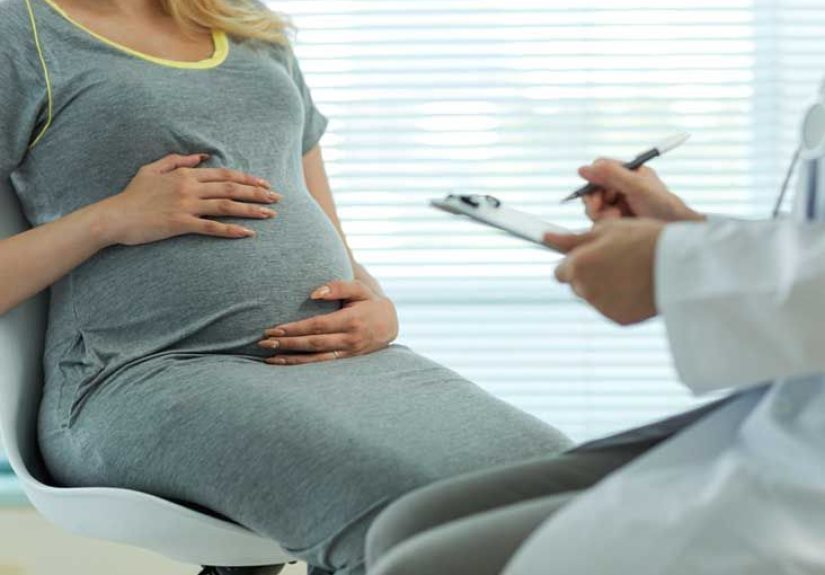
Pregnancy with Loeys-Dietz syndrome is considered high risk. That does not automatically mean pregnancy is impossible, but it does mean planning should happen before conception whenever possible. The body changes dramatically during pregnancy: blood volume rises, heart rate increases, cardiac output increases, and hormones affect connective tissue. For someone with LDS, those changes may increase the risk of aortic dissection, arterial rupture, and uterine rupture.
Before pregnancy
Anyone with Loeys-Dietz syndrome who is considering pregnancy should meet with a cardiologist, maternal-fetal medicine specialist, genetic counselor, and ideally a team familiar with heritable aortic disease. Pre-pregnancy evaluation often includes updated imaging of the aorta and branch vessels, medication review, discussion of surgical thresholds, and genetic counseling.
Some medications used outside pregnancy may not be safe during pregnancy. For example, angiotensin receptor blockers and ACE inhibitors are generally avoided because of fetal risks. This is why medication planning should happen before conception rather than after a positive test and a frantic search history.
During pregnancy
Pregnant patients with LDS usually need close monitoring throughout pregnancy. This may include serial echocardiograms, blood pressure control, careful symptom review, and coordinated care between cardiology and maternal-fetal medicine. Imaging plans may vary depending on the aortic diameter and whether other arteries are involved.
Symptoms such as sudden chest pain, back pain, abdominal pain, fainting, shortness of breath, weakness, neurologic symptoms, or a feeling that “something is very wrong” should be treated as urgent. Pregnancy already comes with enough weird sensations to fill a mystery novel, but sudden severe pain is never something to shrug off.
Delivery and postpartum care
Delivery planning depends on aortic size, stability, prior surgery, obstetric factors, and the care team’s assessment. Some patients may be candidates for carefully managed vaginal delivery with regional anesthesia and an assisted or shortened second stage. Others may be advised to have a cesarean delivery, especially with larger aortic dimensions, chronic dissection, or other high-risk features.
The postpartum period is also important. Risk does not disappear the moment the baby arrives. Monitoring often continues after delivery because aortic complications can occur in the weeks after childbirth. New parents are already sleep-deprived enough to put cereal in the refrigerator and milk in the cabinet, so a clear postpartum medical plan is essential.
Genetic counseling and family planning
Because LDS can be passed from parent to child, genetic counseling is strongly recommended. Options may include natural conception with prenatal testing, in vitro fertilization with preimplantation genetic testing, donor eggs or sperm, adoption, or choosing not to pursue pregnancy. The right choice is deeply personal. The role of counseling is not to pressure; it is to provide accurate information so families can make decisions with eyes open and support in place.
When to Seek Emergency Care
People with Loeys-Dietz syndrome should know the warning signs of aortic dissection and other vascular emergencies. Seek emergency care immediately for sudden severe chest, back, neck, jaw, or abdominal pain; fainting; stroke-like symptoms; sudden weakness; trouble speaking; shortness of breath; or severe unexplained pain. It is wise to carry an emergency card or medical alert information that states the LDS diagnosis and vascular risks.
Emergency clinicians may not see Loeys-Dietz syndrome often. Having written information can save time and prevent dangerous assumptions. In rare diseases, a well-prepared patient is not being dramatic; they are being practical.
Everyday Experiences: What Living With Loeys-Dietz Syndrome Can Feel Like
Living with Loeys-Dietz syndrome is not only about scans, genes, and surgical thresholds. It is also about ordinary life with an extraordinary medical calendar. Many people describe the experience as a mix of vigilance, planning, frustration, gratitude, and occasional dark humor. You learn to know your body well. You learn which symptoms are familiar and which deserve urgent attention. You learn that “routine follow-up” can still make your stomach do gymnastics the night before an imaging appointment.
One common experience is the emotional roller coaster of surveillance. A scan can bring relief when measurements are stable, but it can also bring anxiety while waiting for results. Families may develop their own rituals: getting coffee after cardiology visits, bringing the same lucky hoodie to MRI appointments, or scheduling something pleasant after a difficult consultation. These small routines matter. They turn medical monitoring from a cold obligation into something a little more human.
Physical activity can also become complicated. Many people with LDS are encouraged to avoid high-intensity, contact, or heavy strain activities, especially heavy lifting that spikes blood pressure. That can be hard for children who want to join every sport, teens who do not want to feel different, and adults who miss certain workouts. The key is not to treat the body like fragile glass, but also not to treat it like a rental car on a mountain road. Gentle, doctor-approved movement can help maintain strength, mood, and confidence.
Pregnancy-related experiences can be especially emotional. A person with LDS may want a baby deeply while also feeling afraid of the risks. Conversations with doctors may include aortic measurements, medication changes, delivery plans, inheritance risks, and emergency protocols. That is a lot to carry alongside the usual hopes and worries of family planning. Supportive care teams make a difference by explaining options without judgment and by treating the patient as a whole person, not just a walking aorta with a calendar.
Parents of children with LDS often become expert coordinators. They track appointments, school accommodations, activity restrictions, genetic reports, imaging CDs, and insurance paperwork. They may also have to explain the condition repeatedly to teachers, coaches, relatives, and emergency providers. This can be exhausting, but it can also create strong advocacy skills. Many families become fluent in medical language they never planned to learn, which is impressive, though admittedly not as fun as becoming fluent in Italian for a vacation.
Socially, rare disease can feel isolating. Friends may not understand why someone looks healthy but has serious medical risks. People may say, “But you seem fine,” which is usually meant kindly but can sting. Support groups, patient organizations, and mental health counseling can help. So can honest conversations with trusted friends: “I may look okay, but I need to take this seriously.” That sentence alone can reduce a lot of invisible pressure.
Over time, many people find a rhythm. They build a care team, learn their numbers, create emergency plans, and make thoughtful choices about work, exercise, travel, and family. Loeys-Dietz syndrome may shape life, but it does not have to erase joy, ambition, relationships, humor, or plans for the future.
Conclusion
Loeys-Dietz syndrome is a rare genetic connective tissue disorder with potentially serious effects on the aorta, arteries, bones, joints, skin, immune system, digestive tract, and pregnancy. Life expectancy varies widely, and older statistics do not fully reflect modern care. Early diagnosis, regular imaging, expert management, medication, and preventive surgery can greatly improve outcomes.
Pregnancy with Loeys-Dietz syndrome requires special planning because of the increased risk of aortic dissection, arterial complications, and uterine rupture. Anyone with LDS who is considering pregnancy should work with a cardiologist, maternal-fetal medicine specialist, genetic counselor, and an experienced aortic care team before conception.
Note: This article is for educational purposes only and should not replace medical advice, diagnosis, emergency care, or a personalized treatment plan from qualified healthcare professionals.