Table of Contents >> Show >> Hide
- What Is a Mason Cash Pudding Basin?
- Why Home Cooks Keep Coming Back to Mason Cash
- Picking the Right Size
- How to Steam a Pudding in a Mason Cash Pudding Basin
- What to Make in a Mason Cash Pudding Basin
- Not Just for Pudding: Everyday Uses You’ll Actually Love
- Care, Cleaning, and “Please Don’t Do That” Tips
- What to Look for When Buying a Mason Cash Pudding Basin in the U.S.
- Kitchen Experiences: The Very Real Joy of Owning a Mason Cash Pudding Basin (500+ Words)
- Final Takeaway
If you grew up in the U.S., the word pudding probably brings to mind a smooth, spoonable cup snack (and maybe a lunchbox trade you still regret).
But in British baking, “pudding” is a whole universesteamed sponge puddings, Christmas pudding, savory suet puddings, and even chilled “summer pudding.”
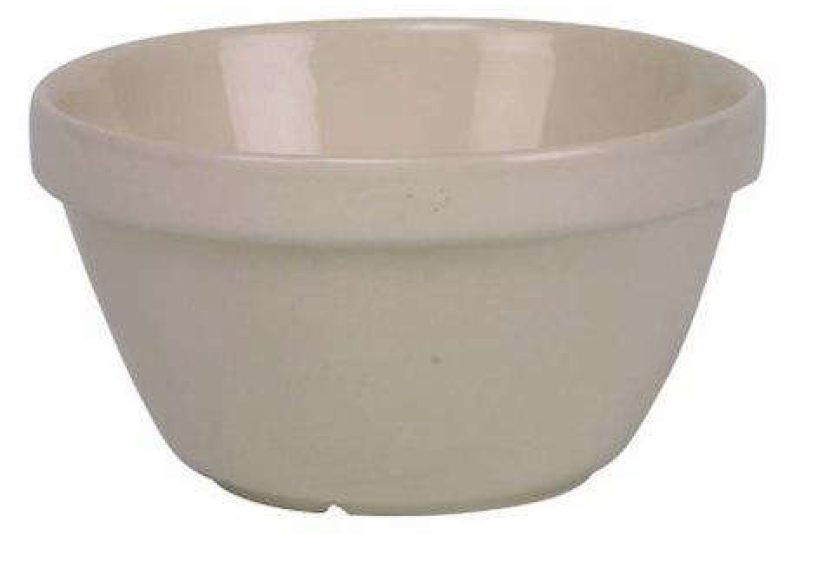
The Mason Cash pudding basin is the classic piece of bakeware built for that universe: a sturdy ceramic bowl designed to be covered, tied, steamed, and triumphantly upended onto a plate like you’re presenting a delicious little top hat.
This article breaks down what a Mason Cash pudding basin is, why its design matters, how to use it for steaming (without turning your kitchen into a sauna-themed escape room),
and all the surprisingly practical everyday uses that make it more than a “one holiday a year” purchase.
What Is a Mason Cash Pudding Basin?
A Mason Cash pudding basin is a traditional ceramic bowl (often described as earthenware or stoneware, depending on the line) designed specifically for steamed puddings.
It looks simple at first glancerounded sides, thick walls, and a wide lipbut it’s engineered around the fussy little details that steaming demands.
The 3 Design Features That Make It a “Real” Pudding Basin
-
A protruding rim (wide lip): This gives you a secure “ledge” for tying on a cover (parchment + foil, muslin, etc.) so steam stays out and pudding stays in.
It also improves grip when you’re turning out the puddingaka the moment of truth. -
A vented base: Many Mason Cash basins include vents underneath to let trapped air bubbles escape during steaming.
Translation: your bowl is less likely to wobble or tip as water bubbles and steam circulate. - A classic curved shape: The rounded interior helps puddings release cleanly after steaming, creating that unmistakable dome shape people associate with traditional steamed desserts.
Why Home Cooks Keep Coming Back to Mason Cash
“Because it’s pretty” is a valid reason (we all deserve nice things), but Mason Cash has longevity for practical reasons too.
Mason Cash pottery has roots going back to the early 1800s, and the brand’s heritage is closely tied to English kitchenware traditionsmixing bowls, bakeware, and yes, pudding basins.
In American kitchens, the pudding basin often becomes the gateway drug to steaming: you buy it for one dessert, then start looking for excuses to use it again.
What the material does for your pudding
Ceramic basins hold heat steadily, which matters when you’re steaming for 90 minutes to 4+ hours.
Thin metal molds can be great, but ceramic is forgiving: it helps moderate temperature swings and keeps the pudding warm after unmolding.
Many listings also highlight that these basins are microwave- and dishwasher-safe, and some are rated for oven use as wellthough temperature limits can vary by product line, so always follow the guidance for your specific basin.
Picking the Right Size
Mason Cash sizes can be described by diameter (centimeters/inches) and by capacity (quarts/cups).
If you’re shopping in the U.S., you’ll commonly see the smaller basins used for individual or small-family puddings, and medium sizes used for holiday recipes.
Common capacities you’ll see in U.S. listings
- Small (often labeled S48): about 0.4 quart (roughly 1.6 cups)
- Medium (often labeled S42): about 0.67 quart (roughly 2.7 cups)
- Large (often labeled S36): about 0.95 quart (roughly 3.8 cups)
A quick, practical sizing rule
Choose a basin that lets you fill your batter to about two-thirds full.
Steamed puddings need headspace to expand, and your cover needs room to sit without smearing batter and breaking your seal.
If a recipe calls for a “3-pint basin” or “10-cup basin,” use that as your anchor and pick the closest capacity you can find.
How to Steam a Pudding in a Mason Cash Pudding Basin
Steaming is less “mystical British ritual” and more “controlled simmer with a good lid.”
Once you do it once, you’ll wonder why you ever feared it.
What you need
- Your Mason Cash pudding basin
- Parchment (or greaseproof paper) and aluminum foil
- Kitchen twine (or cotton string)
- A large pot with a tight-fitting lid (stockpot or Dutch oven)
- A trivet, round rack, or even a folded kitchen towel (to keep the basin off direct heat)
- Boiling water (for topping up)
Step-by-step steaming method (works for most steamed puddings)
- Prep the basin: Grease the inside generously with butter (or neutral oil spray). This is not the time to be shy.
-
Fill smart: Spoon batter in and level gently. Aim for about two-thirds full unless your recipe says otherwise.
Pressing lightly helps reduce big air pockets (which can cause uneven texture). -
Cover like you mean it: Place a buttered parchment circle over the top (butter-side down), then cover with foil.
Add a small pleat/fold in the middle so the cover can expand as the pudding rises. - Tie it down: Secure tightly with twine around the rim. Then loop twine over the top to form a handleyour future self will thank you when it’s time to lift the hot basin out.
-
Set up the pot: Place a trivet or rack in the bottom so the basin isn’t sitting directly on the pot.
Add water so it reaches roughly halfway to three-quarters up the side of the basin (your recipe may specify). -
Bring to a boil, then simmer: Bring the water to a boil, then reduce to a steady simmer.
Cover the pot with a tight lid and steam for the time your recipe requires (often 1.5–3 hours; Christmas puddings can be longer). -
Top up with boiling water: Check occasionally and add more boiling water as needed to keep the level consistent.
Don’t pour cold water in there unless you enjoy temperature shock as a hobby. -
Rest, then unmold: When done, carefully lift the basin out using the string handle.
Let it rest 5–10 minutes, remove foil/parchment, and invert onto a plate. If it clings, run a thin knife around the edge and try again.
What to Make in a Mason Cash Pudding Basin
The obvious answer is “pudding,” but that’s like saying a Dutch oven is for “food.”
Here are some of the most common (and fun) ways American home cooks use a pudding basin once it moves in.
1) Classic steamed sponge puddings
Think golden syrup sponge (a.k.a. treacle sponge), marmalade sponge, or chocolate sponge puddings.
These are warm, tender, and basically built for custardan excuse to keep a carton of vanilla custard or heavy cream in your fridge with purpose.
2) British-style Christmas pudding
Dense, dark, fruit-and-spice-rich, and traditionally steamed, then aged.
In the U.S., people often treat it as a winter project: one day of mixing and steaming, then weeks of smug anticipation.
3) “Spotted dick” and other nostalgic bakes
Yes, the name makes Americans giggle. That’s part of its charm.
It’s a steamed suet-based pudding dotted with currants or raisins, and it’s the dessert equivalent of a warm sweater.
4) Savory puddings
The pudding basin can also handle savory classics like steak-and-kidney pudding (or modern riffs with mushrooms for a less intimidating first try).
The basin shape is perfect for suet pastry lined against the sides, filled, and steamed until hearty and sliceable.
5) Chilled “summer pudding” (no steaming required)
Summer pudding is a cold dessert where bread lines the basin and berries fill the center; it chills under weight, then unmolds into a jewel-toned dome.
This is a great “look what I did” dessert that’s secretly mostly fruit.
Not Just for Pudding: Everyday Uses You’ll Actually Love
Here’s where the Mason Cash pudding basin earns its cabinet space year-round.
The same features that make it good for steaming also make it a surprisingly useful prep and serving bowl.
- Mise en place bowl: The size is ideal for holding chopped onions, pre-measured flour, or a small batch of cookie dough.
- Serving bowl: Potatoes, roasted carrots, dinner rollsceramic keeps things warm longer on the table.
- Snack bowl with dignity: Popcorn, pretzels, clementines. Suddenly you’re a person who “serves snacks,” not a person who “eats from the bag.”
- Ice bath bowl: Set it in a larger bowl of ice water for quick-chilling custards or cooling sauces.
- Water bath helper: Use it to hold ramekins steady inside a larger pan when you’re improvising a bain-marie.
Care, Cleaning, and “Please Don’t Do That” Tips
Most U.S. product listings describe these basins as dishwasher-safe, and many indicate microwave use is fine.
Oven guidance can vary by product line and retailer listing, so treat the basin the way you treat a new friend: learn its boundaries before you invite it into a 450°F situation.
Best practices
- Avoid thermal shock: Don’t move the basin from freezer to a hot oven or from boiling steam directly onto a cold counter. Let it temper.
- Be gentle with tools: If the listing warns against metal utensils or electric mixers, listen. Ceramic is tough, not invincible.
- Let it soak: Dried-on batter happens. A warm soak beats aggressive scraping every time.
- Store smart: If you stack ceramics, add a towel or liner between pieces to prevent scuffs and chips.
What to Look for When Buying a Mason Cash Pudding Basin in the U.S.
A quick checklist
- Capacity that matches your recipes: If you’re making holiday puddings, go bigger than you think.
- A pronounced rim: This is what separates a pudding basin from a random bowl you’re forcing into service.
- Vented base: Helpful for stability during steaming and a sign you’re looking at a purpose-built design.
- Clear care instructions: Especially if you want oven usecheck the specific model’s temperature guidance.
- Design you’ll enjoy seeing: Some lines feature embossed patterns (forest scenes, florals, classic cane). If it’s going to live on a shelf, let it be cute.
Kitchen Experiences: The Very Real Joy of Owning a Mason Cash Pudding Basin (500+ Words)
The first time you use a pudding basin, it feels like you’re doing kitchen theater. There’s string. There’s foil. There’s a pot big enough to bathe a small dog.
And yet, once you get into the rhythm, the process becomes oddly calminglike baking meets slow cooking with a tiny dash of Boy Scout knot-tying.
A lot of home cooks start with a steamed sponge pudding because it offers fast gratification. You butter the basin, spoon in batter, cover it up, and let it simmer while your kitchen smells
like vanilla and buttered hope. The waiting is the hardest partmostly because you can’t “check on it” without turning the pot into a steam geyser.
But that’s also what makes the final reveal so satisfying: you lift the basin out by the string handle and feel like you just pulled off a small culinary heist.
Then comes the unmolding. This is the moment everyone quietly negotiates with the dessert gods. If you’ve greased well and let the pudding rest a few minutes,
the basin does that wonderful thing where it releases with a soft, polite plop. If it doesn’t, you learn quickly that patience works better than brute force.
A thin knife around the edge, a gentle shake, a deep breath, and suddenly your pudding is sitting on the plate like it paid rent to be there.
It’s dramatic in the best wayespecially if you serve it warm with custard or a pour of cream that makes everyone stop talking for a second.
Over time, the pudding basin often stops being “the steamed pudding bowl” and becomes “that perfect medium bowl I keep reaching for.”
You might use it to hold measured ingredients for pancakes, whisk together a quick glaze, or corral chopped veggies for a sheet-pan dinner.
The rim that helps you tie on a cover also makes it feel secure in your hands when you’re tipping something out.
And if you pick a patterned or embossed design, the bowl’s grip can be genuinely useful when your hands are damp or butterybecause baking does love chaos.
The basin also has a sneaky superpower: it makes a casual dessert feel special. A chilled summer pudding unmolded from a ceramic basin looks like you planned your life.
A warm sponge pudding looks like you have a British aunt who taught you secrets. Even if your “secret” was just following a recipe and setting a timer.
That’s the appealthis one piece of traditional bakeware creates a little ceremony around dessert, and people remember that.
And yes, sometimes the experience includes learning curves. Maybe your first cover wasn’t tied tightly enough and a little water sneaked in.
Maybe you forgot to top up the pot and panicked when you heard aggressive simmering.
But the basin is forgiving. Once you get the basics downtight cover, steady simmer, water checksit becomes repeatable.
The kind of repeatable that turns into a winter tradition, a holiday signature, or a “random Tuesday” treat because you realized steaming is basically set-it-and-occasionally-look-at-it cooking.
In other words: a Mason Cash pudding basin isn’t just a tool. It’s a permission slip to make desserts with a little flairand then use the same bowl tomorrow to mix salad dressing.
That’s peak kitchen value.
Final Takeaway
The Mason Cash pudding basin is a small, practical piece of baking heritage that fits surprisingly well into modern American cooking.
If you want to try steamed puddings (sweet or savory), unmold show-stopping desserts, or simply own a hardworking ceramic bowl with thoughtful design details,
this is one of those purchases that keeps proving itself.