Table of Contents >> Show >> Hide
- Why Spatchcocking Changes the Turkey Game
- What Makes It Mediterranean?
- The Best Flavor Formula for Crispy Skin and Juicy Meat
- How to Make a Mediterranean Spatchcock Turkey
- Why This Turkey Stays Juicy
- Tips for Truly Crispy Turkey Skin
- Serving Ideas That Fit the Mediterranean Mood
- Common Mistakes to Avoid
- Why This Recipe Works for Holidays and Beyond
- Experience: What It’s Like to Serve a Mediterranean Spatchcock Turkey
- Final Thoughts
- SEO Tags
If your dream turkey has shatteringly crisp skin, juicy slices, and enough flavor to make gravy feel mildly insecure, a Mediterranean spatchcock turkey deserves a spot at the center of your table. This method takes the holiday bird and gives it a practical makeover: flatten the turkey, season it boldly, roast it fast, and let olive oil, lemon, garlic, and herbs do the kind of work that earns applause without demanding culinary gymnastics.
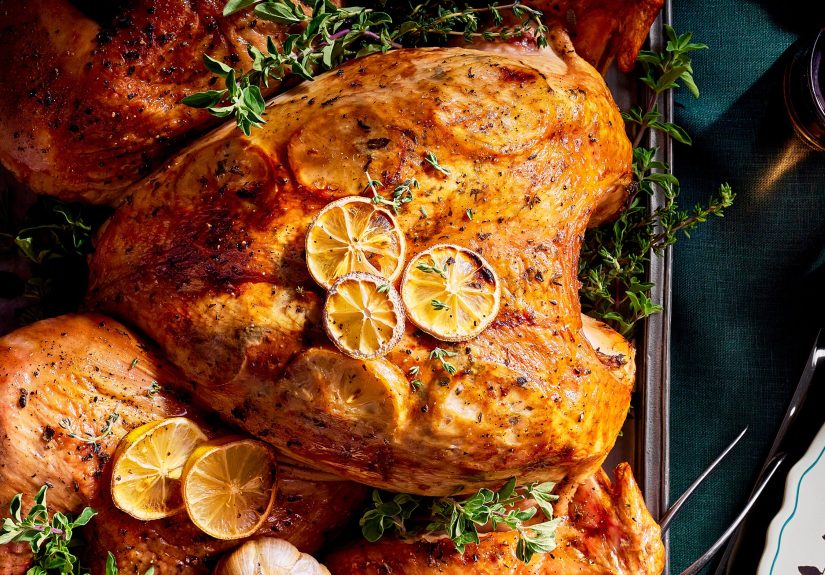
In other words, this is not the dry, beige turkey of holiday cautionary tales. This is the turkey equivalent of showing up overdressed and somehow making everyone else grateful for it. A Mediterranean spatchcock turkey brings together smart technique and big, sunny flavor, giving you golden skin, tender meat, and a roast that feels festive without being fussy.
Why Spatchcocking Changes the Turkey Game
Spatchcocking sounds dramatic, but the concept is simple: remove the backbone, flatten the bird, and roast it spread out instead of upright. That one move solves some of the biggest turkey problems in one swoop. Because the bird lies flatter, heat reaches the legs and thighs more efficiently while the breast cooks more evenly. The result is a better balance between dark meat and white meat, which is especially helpful for anyone who has suffered through a breast slice with the texture of printer paper.
The flatter shape also exposes more skin to direct oven heat. That matters because crispy skin is not a side quest. It is one of the main reasons people look excited when the turkey hits the table. Spatchcocking encourages even browning and reduces the need for constant basting, flipping, shielding, or bargaining with the oven.
There is another benefit that busy cooks love: speed. A spatchcock turkey usually roasts faster than a traditional whole bird of the same size. That means less oven time, less stress, and a better chance of serving dinner before your guests start circling the appetizer tray like seagulls at a beach picnic.
What Makes It Mediterranean?
The Mediterranean angle is all about flavor and balance. Instead of leaning heavily on sugary glazes or rich butter-only seasoning, this turkey takes its cues from ingredients that are bright, savory, and aromatic. Think extra-virgin olive oil, lots of garlic, fresh lemon zest, lemon juice, oregano, rosemary, thyme, parsley, black pepper, and a little paprika for warmth and color. Optional extras like fennel seed, sumac, Aleppo pepper, or a touch of crushed red pepper can deepen the profile without making the bird taste like it wandered off into another recipe entirely.
The beauty of Mediterranean flavors is that they make turkey taste lively. Lemon cuts through richness. Garlic brings depth. Herbs create freshness. Olive oil helps the skin brown and crisp while adding a fruity, savory note. When those elements mingle with the drippings in the pan, the turkey tastes layered and aromatic rather than flat and one-note.
It also pairs beautifully with vegetables and grains. Roasted potatoes, carrots, fennel, olives, couscous, farro, whipped feta, and a crisp salad all make sense here. So while the turkey is still the star, it suddenly has a very stylish supporting cast.
The Best Flavor Formula for Crispy Skin and Juicy Meat
1. Start with a dry bird
Moisture is the sworn enemy of crisp skin. Pat the turkey dry thoroughly before seasoning it. Then let it rest uncovered in the refrigerator if time allows. This air-drying step helps the skin lose surface moisture, which improves browning in the oven.
2. Use a dry brine
A dry brine is the secret handshake of really good turkey. Rub the bird with kosher salt and let it rest, ideally overnight and up to about a day ahead. Add black pepper, lemon zest, oregano, rosemary, thyme, paprika, and garlic to reinforce the Mediterranean flavor profile. Some cooks include a little brown sugar, but for this style of turkey, the herbs and citrus do enough heavy lifting on their own.
Dry brining seasons the meat more deeply than a last-minute sprinkle of salt. It also helps the turkey retain moisture while encouraging a drier surface for better crisping. That is how you get juicy meat and golden skin without turning your refrigerator into a saltwater bird spa.
3. Use olive oil wisely
Olive oil fits the Mediterranean theme and helps promote browning. Rub it over the skin and, if you like, blend it with minced garlic, chopped herbs, and lemon zest. You can also loosen the skin over the breast and thighs and rub some of that mixture underneath for more direct flavor. This gives the meat character all the way through, not just on the surface.
4. Roast hot, but not reckless
A moderately hot oven gives the skin a head start. The exact oven temperature can vary depending on your method, but the goal is consistent: roast the flattened bird until the skin is deeply golden and the meat is cooked through without drying out. Use a thermometer instead of guesswork. Turkey deserves certainty, not vibes.
How to Make a Mediterranean Spatchcock Turkey
Here is the practical overview. First, place the turkey breast-side down on a sturdy cutting board. Using poultry shears or very sharp kitchen shears, cut along both sides of the backbone and remove it. Flip the turkey over, press firmly on the breastbone until the bird flattens, and tuck the wing tips back so they do not burn. Congratulations, you have officially made the turkey less photogenic in raw form and much better in cooked form.
Next, pat it dry and season generously. A strong Mediterranean seasoning blend could include kosher salt, black pepper, lemon zest, minced garlic, chopped rosemary, thyme, oregano, parsley, paprika, and olive oil. Rub the mixture all over the bird and under the loosened skin where possible. Let it sit uncovered in the refrigerator for several hours or overnight.
When ready to roast, place the turkey on a wire rack set over a sheet pan or a shallow roasting pan. You can scatter lemon slices, onion wedges, or chunks of fennel and carrot under the rack if you want aromatic drippings. Roast until the turkey reaches 165°F in the thickest parts before serving. Then let it rest for at least 20 to 30 minutes so the juices redistribute instead of flooding the cutting board like a sad little river of lost potential.
Why This Turkey Stays Juicy
Juiciness is not magic. It is physics, timing, and restraint. Spatchcocking helps because the bird cooks more evenly. Dry brining helps because seasoned meat retains moisture better. Resting helps because the juices settle back into the meat instead of running off at first slice.
Just as important, this method reduces the classic turkey trap: waiting for the thighs to cook while the breast quietly overachieves itself into dryness. A flatter bird closes that gap. You end up with breast meat that still tastes like turkey and not like a formal apology.
The Mediterranean seasoning also contributes here. Olive oil, herbs, and garlic create a flavorful coating, while lemon brightens the richness. The turkey tastes juicy not only because it holds moisture well, but because the flavor stays active and fresh on the palate.
Tips for Truly Crispy Turkey Skin
- Dry the turkey very well before seasoning.
- Dry brine it uncovered in the refrigerator whenever possible.
- Roast it on a rack so hot air can circulate.
- Do not baste every 20 minutes. That keeps adding moisture to the skin and interrupts browning.
- Use enough olive oil to coat the skin lightly, not drown it.
- Let the oven do its job without opening the door every time someone asks, “How’s it looking?”
If the turkey is cooked through but you want a little more color, a short blast of higher heat at the end can help. Just watch carefully. There is a very fine line between gorgeous bronzed skin and “Well, that escalated quickly.”
Serving Ideas That Fit the Mediterranean Mood
A Mediterranean spatchcock turkey invites sides that are bright and textured rather than heavy for the sake of tradition. Roasted potatoes with lemon and oregano are an easy win. So are green beans with garlic and toasted almonds, a cucumber-tomato salad with herbs, buttery couscous with parsley, or farro with roasted squash and feta.
You can also lean into sauces that echo the turkey’s flavor profile. A lemony pan sauce works beautifully, especially if you deglaze the roasting pan with a splash of white wine or stock. A yogurt-herb sauce with parsley, dill, lemon, and garlic can add cool contrast. Even a spoonful of olive tapenade on the side makes the platter feel restaurant-worthy in a way that still feels relaxed and welcoming.
And yes, leftovers shine. This turkey is excellent sliced into grain bowls, tucked into sandwiches with arugula and aioli, or chopped into salads with olives, cucumbers, and feta. Leftover turkey that actually inspires enthusiasm is one of the highest forms of kitchen success.
Common Mistakes to Avoid
Skipping the thermometer
If you are serious about juicy meat, use an instant-read thermometer. Color alone is not reliable, and turkey deserves better than guess-and-pray cooking.
Underseasoning a big bird
Turkey is large, and large food needs confident seasoning. This is not the time for a timid pinch of salt and one sad sprig of rosemary.
Not drying the skin
Wet skin steams. Dry skin crisps. Choose your destiny.
Carving too soon
Resting is not optional. It is part of cooking. Give the turkey time to settle, and it will reward you with cleaner slices and juicier meat.
Forgetting the backbone
Do not throw it out. Roast it with onions, carrots, and celery for a quick stock or gravy base. It is the sort of thrifty, flavorful move that makes you feel like the smartest person in the kitchen.
Why This Recipe Works for Holidays and Beyond
Even though turkey often gets locked into holiday duty, this Mediterranean spatchcock version feels flexible enough for many occasions. It is elegant enough for Thanksgiving, Christmas, or Easter, but it is also practical enough for a Sunday gathering when you want a centerpiece that feeds a crowd without monopolizing your day.
That is the charm of the whole approach. It tastes festive, but it cooks efficiently. It looks abundant, but it is easier to carve and serve. It brings color, brightness, and real flavor instead of relying on nostalgia to do all the work. And in a season when many dishes compete for your time, this turkey earns its place by being both beautiful and sensible. Frankly, more holiday recipes should show that kind of maturity.
Experience: What It’s Like to Serve a Mediterranean Spatchcock Turkey
The first time you serve a Mediterranean spatchcock turkey, the biggest surprise is not the flavor. It is the reaction. People notice the color before they notice anything else. The bird comes out deeply golden, with crisp edges, glistening skin, and the sort of roasted-herb aroma that makes everyone suddenly “just happen” to wander into the kitchen. Lemon, garlic, rosemary, and oregano hit the air together, and the whole room smells less like routine holiday cooking and more like a warm coastal dinner party that accidentally got promoted to main event status.
There is also something deeply satisfying about how manageable it feels. A whole traditional turkey can be majestic, but it can also act like it knows you have guests and wants to challenge your dignity. A spatchcock turkey is different. It roasts flatter, carves easier, and feels like a bird that came to cooperate. When you slide the knife through the breast, it cuts cleanly. The thigh meat is tender instead of stubborn. The skin crackles in a way that gets people leaning in for the “good pieces,” which, let’s be honest, is all of them.
The Mediterranean seasoning changes the emotional tone of the meal too. Instead of that one-note “holiday turkey flavor,” you get brightness from lemon, warmth from garlic, and the unmistakable perfume of herbs. It tastes lively. It feels fresh. Even people who usually say turkey is “fine” start taking oddly enthusiastic second helpings. That is when you know the recipe has crossed from competent to memorable.
Another underrated pleasure is the leftover experience. This is not the kind of turkey that needs to be hidden under a gallon of gravy the next day. Sliced cold, it still tastes fragrant and well-seasoned. Fold it into sandwiches with arugula and roasted peppers. Toss it into a salad with olives and feta. Reheat it gently with broth and spoon it over couscous. The flavors keep making sense, which is a small miracle in the land of post-holiday refrigerator roulette.
And maybe the best part is the confidence it gives the cook. Once you have made a turkey this way, the entire process feels less intimidating next time. You stop thinking of turkey as a once-a-year ordeal and start treating it like a large bird that simply responds well to smart technique. Which, in fairness, is exactly what it is. The result is not just a delicious roast. It is a better cooking experience from start to finish: less stress, more aroma, easier carving, happier guests, and the quiet satisfaction of knowing the turkey did not merely survive the occasion. It absolutely owned it.