Table of Contents >> Show >> Hide
- What “Fat-Burning Foods” Really Means
- What Makes a Food Effective for Weight Loss?
- Most Effective Fat-Burning Foods for Weight Loss
- 1. Eggs
- 2. Greek Yogurt and Cottage Cheese
- 3. Beans, Lentils, and Chickpeas
- 4. Fish, Especially Salmon, Tuna, and Sardines
- 5. Lean Poultry and Tofu
- 6. Leafy Greens and Cruciferous Vegetables
- 7. Berries, Apples, and Citrus Fruit
- 8. Oats and Other Whole Grains
- 9. Nuts and Seeds
- 10. Avocados and Olive Oil
- 11. Soup and High-Water Foods
- 12. Potatoes and Sweet Potatoes
- Foods That Sound Fat-Burning but Usually Disappoint
- How to Combine These Foods for Better Results
- Common Mistakes That Make Healthy Foods Less Effective
- The Bottom Line
- Real-Life Experiences With Fat-Burning Foods for Weight Loss
- SEO Tags
If the phrase fat-burning foods makes you picture a blueberry wearing a tiny firefighter helmet, welcome aboard. It is a catchy term, but let’s clear something up right away: no food has secret laser powers that melt body fat while you sit there heroically eating lunch. Real weight loss foods work in a less dramatic but much more useful way. They help you stay full, steady your appetite, support muscle, and make it easier to eat fewer calories without feeling like you are being punished for wanting a snack at 3 p.m.
That is the real magic. The most effective fat-burning foods for weight loss are typically high in protein, rich in fiber, full of water, or dense in nutrients without being overloaded with calories. In plain English, they help your body and your brain stop acting like every afternoon is a survival situation.
This guide breaks down the best foods to add to your plate, why they work, and how to use them in real life. No gimmicks. No “eat this one weird fruit and lose 27 pounds by Tuesday” nonsense. Just smart, sustainable eating that actually makes sense.
What “Fat-Burning Foods” Really Means
When people search for the best fat-burning foods, they are usually looking for foods that help with one or more of these goals:
- Reduce hunger so you naturally eat less.
- Increase fullness after meals.
- Support muscle mass while losing weight.
- Improve blood sugar balance so cravings do not run the show.
- Replace ultra-processed foods that are easy to overeat.
So no, there is no celery-based miracle. But there are foods that make healthy weight loss much easier. And those are the foods that deserve a permanent VIP pass to your kitchen.
What Makes a Food Effective for Weight Loss?
The foods that support healthy weight loss usually share a few winning traits:
1. They are high in protein
Protein helps you stay full longer than refined carbs alone and supports muscle while you lose weight. That matters because losing weight is not just about getting smaller. It is about losing fat while preserving the lean tissue that keeps your metabolism and strength in decent shape.
2. They are rich in fiber
Fiber slows digestion, helps manage appetite, and adds bulk to meals. It is the nutritional equivalent of inviting a very organized friend to the party. Everything works better when fiber shows up.
3. They have low energy density
Foods with lots of water and volume but fewer calories help you eat satisfying portions without going overboard. Think vegetables, fruit, broth-based soups, and beans instead of tiny portions of super-rich foods that disappear in three bites and leave you staring into the void.
4. They are minimally processed
Whole and minimally processed foods tend to be more filling and harder to overeat than ultra-processed snacks. A bowl of Greek yogurt with berries is not nearly as easy to accidentally demolish as a family-size bag of “lightly salted” something that is somehow gone before the movie trailer ends.
Most Effective Fat-Burning Foods for Weight Loss
1. Eggs
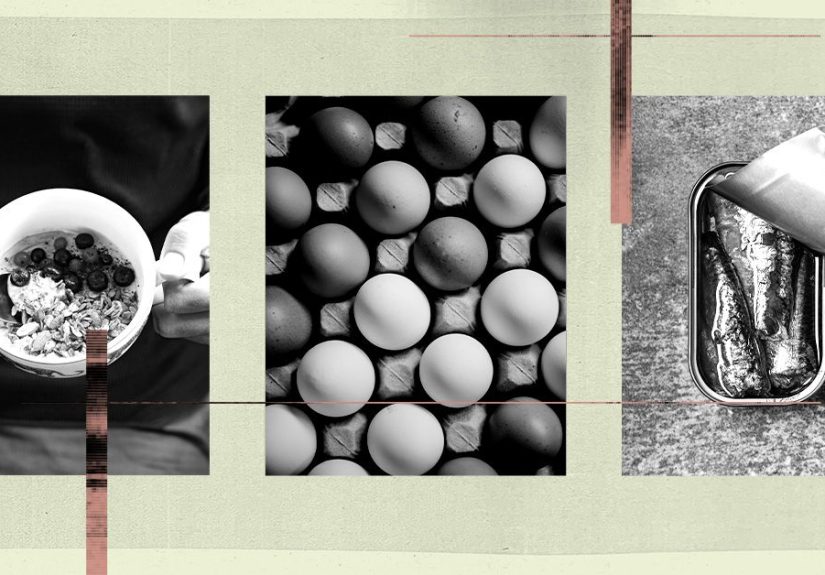
Eggs are one of the simplest high-protein foods you can eat. They are convenient, versatile, and satisfying, especially at breakfast. Starting the day with protein can help reduce hunger later, which is helpful if your usual breakfast strategy has been “coffee and vibes.”
Try eggs with sautéed spinach, tomatoes, or mushrooms for a meal that brings both protein and volume. If you want something quick, hard-boiled eggs with fruit make a strong backup plan when life gets chaotic.
2. Greek Yogurt and Cottage Cheese
Greek yogurt for weight loss gets a lot of love for good reason. It is rich in protein, easy to pair with fruit, and works as breakfast, a snack, or even a base for sauces. Cottage cheese deserves more respect too. It is filling, affordable, and surprisingly useful with fruit, cucumbers, or whole-grain toast.
The best versions are plain or lower in added sugar. If a yogurt tastes like melted birthday cake, it might not be your best “healthy eating” wingman.
3. Beans, Lentils, and Chickpeas
If there were an award for “most underrated weight loss food,” legumes would be on the podium wearing gold. Beans, lentils, and chickpeas deliver a powerful combo of protein and fiber, which is exactly what helps keep you full.
They also work in nearly everything: soups, salads, tacos, grain bowls, pasta dishes, and dips. Add black beans to a burrito bowl, toss chickpeas into a chopped salad, or make lentil soup on a Sunday and thank yourself all week.
4. Fish, Especially Salmon, Tuna, and Sardines
Fish is one of the best high-protein foods for weight loss. It helps with fullness, supports muscle, and fits well into a balanced eating pattern. Fatty fish like salmon and sardines also bring healthy fats, which can make meals more satisfying.
The key is preparation. Grilled, baked, roasted, or air-fried fish is a very different situation than a deep-fried seafood basket that arrives looking like it needs its own zip code.
5. Lean Poultry and Tofu
Chicken breast, turkey, tofu, and tempeh are excellent staples for fat loss foods because they provide protein without piling on unnecessary extras. These foods are especially useful at lunch and dinner, where strong protein choices often help prevent the “I deserve dessert because my meal was basically leaves” problem.
Pair lean proteins with vegetables and a smart carbohydrate like brown rice, quinoa, or roasted sweet potatoes for a meal that actually keeps you going.
6. Leafy Greens and Cruciferous Vegetables
Spinach, kale, romaine, arugula, broccoli, cauliflower, cabbage, and Brussels sprouts are all stars for foods that help burn fat in the practical sense. They are low in calories, high in volume, and rich in fiber and nutrients.
These vegetables help you build larger, more satisfying meals without a huge calorie load. That matters because most people do not want to lose weight by eating sad little portions on tiny plates while pretending they are fine.
A big salad with protein, roasted broccoli next to salmon, or cauliflower added to grain bowls can make a meal feel generous instead of restrictive.
7. Berries, Apples, and Citrus Fruit
Fruit is often unfairly dragged into diet conversations like it is secretly plotting something. In reality, whole fruit is one of the best categories of healthy foods for weight loss. It provides fiber, water, and natural sweetness in a form that is far more filling than juice or dessert.
Berries are especially useful because they pack a lot of flavor and fiber into a modest calorie range. Apples are portable and satisfying. Citrus fruits can add brightness and help replace the urge for sugary snacks when your sweet tooth starts singing show tunes.
8. Oats and Other Whole Grains
Whole grains like oats, brown rice, quinoa, barley, and whole-wheat pasta can absolutely fit into a weight loss diet. The trick is choosing high-fiber versions and keeping portions sensible. Whole grains digest more slowly than refined grains and help meals feel more substantial.
Oatmeal is especially helpful because it is warm, filling, and easy to upgrade with protein and fiber. Add Greek yogurt, chia seeds, berries, or peanut butter, and suddenly breakfast is doing some actual heavy lifting.
9. Nuts and Seeds
Nuts and seeds are nutritious, satisfying, and full of healthy fats, fiber, and in many cases some protein too. Almonds, pistachios, walnuts, chia seeds, flaxseeds, and pumpkin seeds all deserve a place in a balanced plan.
They are calorie-dense, though, so this is a “use wisely” category, not an invitation to free-pour half a jar of trail mix into your hand while saying, “It is healthy, so it does not count.” A modest portion can curb hunger beautifully. An accidental party-size portion can sneak up on you.
10. Avocados and Olive Oil
Healthy fats are not the villain. Avocados and olive oil can make meals more satisfying and enjoyable, which matters for long-term consistency. A salad with no fat at all often tastes like a personal grievance. Add avocado or olive-oil-based dressing, and suddenly vegetables become a meal you actually want to repeat.
The key is balance. These foods support sustainable weight loss when used to improve meal quality, not when used like confetti.
11. Soup and High-Water Foods
Foods with a lot of water content can help fill you up on fewer calories. Vegetable soup, broth-based soups, cucumbers, tomatoes, zucchini, melon, oranges, and lettuce all fall into this category.
This is one reason starting a meal with soup or salad often helps. It gives your appetite a head start in calming down before the main course arrives.
12. Potatoes and Sweet Potatoes
Potatoes get a weird reputation, mostly because people judge them by what happens when they meet a deep fryer. Plain potatoes and sweet potatoes can actually be satisfying, affordable, and useful in a balanced eating plan.
Baked or roasted potatoes paired with protein and vegetables are very different from fries plus mystery sauce plus “I will start over Monday.” Sweet potatoes also bring fiber and a naturally sweet flavor that can help replace more processed sides.
Foods That Sound Fat-Burning but Usually Disappoint
Some foods get marketed like they are tiny metabolism coaches screaming motivational quotes at your cells. Real life is less exciting.
Here is the truth: if a food is being sold mainly on hype, detox language, miracle claims, or “one weird trick” energy, lower your expectations immediately. Weight loss still depends on the big picture. A sprinkle of cayenne on a cheeseburger is not a strategy. Neither is drinking a fancy tea while ignoring the rest of your habits.
The most effective approach is boring in the best possible way: more whole foods, more protein, more fiber, more produce, and fewer ultra-processed foods that are easy to overeat.
How to Combine These Foods for Better Results
The smartest way to use fat-burning foods for weight loss is not to eat them in isolation. It is to build meals that combine protein, fiber, and volume.
Easy examples
- Breakfast: Greek yogurt, berries, and chia seeds.
- Lunch: Big salad with grilled chicken, chickpeas, and olive-oil vinaigrette.
- Dinner: Salmon, roasted broccoli, and quinoa.
- Snack: Apple slices with peanut butter or cottage cheese with fruit.
- Meal prep option: Lentil soup with a side of crunchy vegetables.
Notice the pattern? None of these meals rely on magic. They rely on structure. That is how real progress happens.
Common Mistakes That Make Healthy Foods Less Effective
Turning a healthy food into a dessert project
Oatmeal is great. Oatmeal drowned in syrup, candy toppings, and cookie butter is having a different career.
Ignoring portion sizes on calorie-dense foods
Nuts, seeds, avocado, olive oil, and nut butters are excellent foods, but they are easy to overdo without noticing.
Eating too little protein
If your meals are mostly refined carbs with a decorative amount of protein, hunger tends to come back swinging.
Skipping meals and then overeating later
Extreme restriction usually backfires. Sustainable healthy eating for weight loss works better than white-knuckling your way through the day and then raiding the pantry at night.
The Bottom Line
The most effective fat-burning foods for weight loss are not mysterious, exotic, or overpriced. They are everyday foods that help you feel full, eat better, and stay consistent: eggs, Greek yogurt, beans, lentils, fish, lean poultry, tofu, vegetables, fruit, whole grains, nuts, seeds, and healthy fats used thoughtfully.
If a food helps you manage hunger, makes your meals more satisfying, and fits into a balanced routine you can stick with, that food is doing real work. That is what matters. Weight loss is not about chasing miracle ingredients. It is about building meals that make good choices easier, repeatable, and honestly kind of enjoyable.
And that, thankfully, does not require a detox tea, a dramatic cleanse, or a refrigerator full of foods you hate.
Real-Life Experiences With Fat-Burning Foods for Weight Loss
One of the most common experiences people have when they switch to more effective weight loss foods is not instant fat loss. It is something much less flashy but much more important: they stop feeling hungry every five minutes. That is a bigger win than it sounds. A lot of people begin with the idea that losing weight means constantly battling cravings, eating tiny portions, and pretending celery is thrilling. Then they add more protein, more fiber, and more produce, and suddenly the day feels easier. Breakfast is no longer a sugary crash followed by emergency snacking. Lunch no longer disappears in ten minutes and leaves them scanning the office kitchen for mystery granola bars.
Another common experience is that meals start to feel more stable. People who add eggs or Greek yogurt in the morning often say they feel more in control by late afternoon. Those who start eating more beans, lentils, vegetables, and high-protein lunches often notice fewer intense evening cravings. It is not because their bodies have unlocked some secret fat-burning mode. It is because they are finally eating meals that are actually satisfying.
There is also a practical side that people do not talk about enough: these foods make meal planning simpler. A fridge stocked with yogurt, eggs, fruit, salad greens, cooked chicken, beans, and a pot of soup makes weeknight decisions less dramatic. Instead of asking, “What is the perfect diet meal?” the question becomes, “What can I make quickly that includes protein, fiber, and some color?” That shift tends to reduce all-or-nothing thinking, which is where a lot of diets crash and burn.
Some people are surprised to find that the healthiest changes feel almost boring at first. There is no dramatic cleanse, no weird powder, no strange meal replacement that tastes like sweet drywall. It is just better food, eaten more consistently. But after a few weeks, the boring stuff starts to look pretty amazing. Energy becomes more even. Snacking becomes more intentional. People often find they are less obsessed with food because they are finally eating in a way that works with their appetite instead of against it.
Of course, there are challenges too. Some people eat more nuts, avocado, or olive oil and assume that because the food is healthy, the portion no longer matters. Others add healthy foods on top of a diet that was already too large instead of using them to replace less filling choices. And some expect one “superfood” to carry the whole plan on its back like a nutritional superhero. Real success usually comes when people stop searching for one perfect food and start building better meals overall.
In the end, the most encouraging experience people report is that weight loss becomes less about willpower and more about setup. When the kitchen is full of foods that genuinely help with fullness and satisfaction, the process feels less like a daily fight. That is usually when the best results start to happen.