Table of Contents >> Show >> Hide
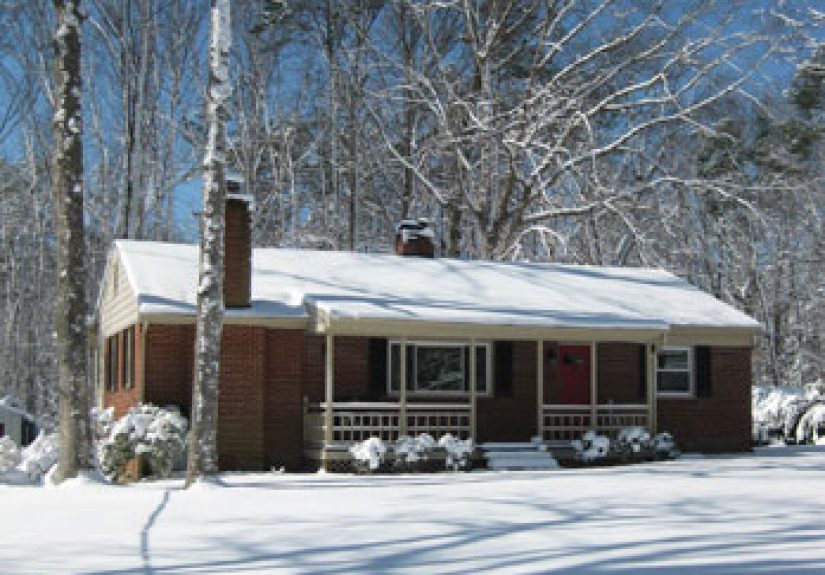
There are some houses that look good in every season, and then there are houses that absolutely show off when winter arrives. A brick ranch covered in snow belongs in that second category. The long, low roofline, the sturdy chimney, the warm color of the brick, the clean geometry of the windows, and the hush that settles over everything after a storm all work together like they planned it months in advance. Suddenly, the ordinary front yard becomes a postcard. The mailbox looks heroic. The porch light glows like it deserves an award. Even the shrubs, which spent most of November looking a little tired and judgmental, finally get their moment.
But the appeal of a snow-covered brick ranch is not just visual. It is emotional, practical, and deeply familiar in a very American way. Ranch-style homes have long been loved for their single-story layout, easy flow, and grounded, approachable look. Add fresh snow, and that same house starts telling a bigger story about warmth, shelter, family routines, and winter resilience. In other words, it is not just a brick house in winter. It is the kind of place that makes people slow down in the driveway, admire the roofline, and think, “Yep, that looks like home.”
This article explores why a brick ranch looks so striking in snow, what winter weather reveals about this classic home style, and how to keep that dreamy snow-globe charm from turning into a headache involving ice dams, frozen pipes, or a roof that suddenly develops opinions. And because snowy houses are not just structures but lived experiences, the final section lingers in the feeling of being inside one while the world outside turns white.
Why a Brick Ranch Looks So Good in the Snow
Ranch-style homes were made for visual balance. Their low profiles sit close to the landscape, which gives them a calm, settled look even before the first flake falls. When snow blankets the roof and yard, that horizontal design becomes even more dramatic. A taller house can look busy in winter. A brick ranch, by contrast, looks composed. Snow outlines the roof edge, traces the porch rail, softens the walkway, and turns the entire exterior into a study in clean lines and cozy contrast.
Brick plays a huge role in that effect. Wood siding can look charming in winter, sure, but brick has a grounded, timeless character that feels especially rich against white snow. Red brick, brown brick, and even painted brick create visual warmth on the coldest days. The texture helps, too. Snow reflects light in a way that makes masonry look deeper and more dimensional, especially in early morning or late afternoon. It is one of the few moments when your exterior walls seem to say, “I am sturdy, photogenic, and not remotely concerned about the forecast.”
A brick ranch also benefits from familiar, approachable proportions. It is not trying to be a castle. It is not pretending to be a mountain lodge. It is a practical house with a welcoming face, and winter amplifies that honesty. The house feels protective. The windows feel brighter. The front door feels more important. Even a simple storm door, a modest wreath, or a row of evergreen shrubs can suddenly look magazine-worthy when framed by fresh snow.
What Snow Reveals About a House
Snow has a funny way of exposing both beauty and truth. A light snowfall can make nearly any house look charming. A real winter storm, however, becomes a kind of home inspection performed by nature. On a brick ranch, that can be revealing in good ways and not-so-good ways.
For one thing, snow makes a ranch home’s strengths obvious. The single-story layout is easier to access in bad weather. The driveway and front walk are usually more manageable than those at a tall, narrow house with dramatic steps. The visual connection between indoors and outdoors feels closer. Looking out from a ranch-style living room at a snow-covered yard feels intimate, not distant. The house sits with the landscape instead of hovering above it.
At the same time, winter quickly highlights weak spots. If warm air is escaping into the attic, the roof may show uneven snow melt. If insulation is lacking, indoor comfort drops fast and heating bills rise without apology. If the attic is too warm, snow can melt high on the roof and refreeze near the colder eaves, forming ice dams. If outside vents are blocked by snow, the safety risk becomes much more serious than an inconvenient weekend chore. Winter does not lie, and it definitely does not care whether you planned to “deal with it in spring.”
The Cozy Fantasy and the Practical Reality
The fantasy version of a brick ranch in winter is wonderful: a clean roofline topped with powdery snow, smoke curling from the chimney, warm light in the windows, soup on the stove, and a throw blanket that somehow looks better than every blanket you own the rest of the year. The practical version is still lovely, but it comes with a checklist.
Attic Air Sealing and Insulation Matter More Than You Think
If you want the snow to stay pretty instead of turning into a roof problem, start with the attic. In many homes, the attic is where major air leaks and insulation gaps show up. Warm indoor air that escapes upward does not just waste energy; it also warms the roof deck, which encourages uneven snow melt. That is how your charming winter scene can evolve into ice-dam drama with surprising speed.
A well-sealed, well-insulated attic helps keep indoor temperatures more stable, improves comfort, and reduces the conditions that contribute to dangerous ice dams. On a brick ranch, where the roofline is broad and visually prominent, that matters even more. The goal is not to create a tropical attic. It is to keep the heat where it belongs: in the living space, not staging a rooftop escape.
Ice Dams Are Not Decorative Trim
Let us clear something up: those thick ridges of ice along the roof edge are not a festive architectural feature. Ice dams form when snow melts higher up on a warm roof and then refreezes at the colder edge. The trapped water can back up under shingles and work its way into ceilings, insulation, and walls. This is one of those winter problems that starts off looking mildly annoying and ends with a bucket in your hallway.
If snow buildup is heavy, safe removal from the roof edge can help in the short term. For some homeowners, a roof rake is part of winter life. But long-term prevention usually comes back to the same boring heroes: air sealing, insulation, and proper attic conditions. Not glamorous, but neither is repairing water damage in February.
Brick Is Tough, But Moisture Still Deserves Respect
Brick has a reputation for being durable, and it earns it. Still, winter moisture deserves attention. Snow piles against exterior walls, repeated freeze-thaw cycles, poor drainage, and trapped moisture can all create trouble over time. A brick ranch generally handles winter beautifully when the home sheds water well, flashing and drainage details are doing their jobs, and the exterior is maintained rather than ignored until it starts sending passive-aggressive signals.
This is also why winter is a great time to notice where snow lingers. Does it pile up against the foundation? Does meltwater refreeze near the front steps? Do gutters overflow? Those little patterns tell you a lot about how water moves around your home. And in a brick house, good moisture management is part of preserving both performance and appearance.
Do Not Forget Vents, Pipes, and Carbon Monoxide Safety
A snowy house can look serene while still hiding real risks. Outside vents for fuel-burning appliances need to stay clear. Generators should never be run inside or too close to the house. Chimneys, furnaces, and heating systems need to be maintained. Pipes in vulnerable areas need attention before a deep freeze arrives. In other words, the same storm that makes your front yard look like a greeting card can also test every shortcut you took in November.
Fortunately, a brick ranch often makes seasonal checks easier because everything is more accessible. You are not hauling a ladder around a three-story façade just to inspect a vent. The trick is using that convenience. Clear the snow where it matters. Watch the roofline. Keep an eye on the gutters. Make sure the house stays beautiful and smart.
Winter Curb Appeal for a Brick Ranch
One of the best things about a brick ranch is that it does not need much to look polished in winter. In fact, the worst thing you can do is overdecorate it until it looks like a gift basket exploded on the porch. Snow already adds drama. Let the house do some of the work.
Start with lighting. Warm porch lights against a snowy evening are undefeated. Add evergreen planters by the front door, a simple wreath, a dark doormat that does not disappear into the white yard, and maybe a bench or rocker if your porch has the space. Keep the walkway clear and defined. A shoveled path is not just safer; it creates that satisfying contrast between order and softness that makes winter exteriors so appealing.
If your ranch has original brick details, black shutters, a painted front door, or large picture windows, winter is the season when they really shine. Snow simplifies everything around the home, which means the architectural details carry more visual weight. The house ends up looking cleaner, stronger, and more intentional, even if your landscaping has entered its annual “I’ll try again in April” phase.
Why This Scene Feels So Comforting
There is a reason the image of a brick ranch covered in snow feels so emotionally loaded. It combines modesty with permanence. This is not a flashy house type. It is a practical, familiar American home style associated with family life, neighborhood streets, holiday visits, and ordinary routines that matter more than they seem. Snow slows the scene down and makes those qualities visible.
The low roofline suggests shelter. The brick suggests strength. The glowing windows suggest warmth, food, and somewhere to take off wet boots. A snowy ranch does not just look pretty; it looks dependable. It feels like the kind of house that has seen a lot of winters and knows how to handle another one.
That emotional pull is why photos and stories about brick ranch homes in winter resonate so strongly online. They tap into a mix of nostalgia, comfort, design appreciation, and practical admiration. We are not only looking at snow on a roof. We are looking at the idea of home holding its ground against the cold.
Our Brick Ranch Covered in Snow: The Experience of Living It
By morning, the whole house is quieter than usual. Snow has that effect. It lands overnight and somehow edits the world. The street loses its sharp edges, the driveway becomes a pale ribbon, and the brick ranch at the center of it all looks smaller and stronger at the same time. Through the front window, the yard appears untouched except for the slow drift collecting along the shrubs. The roof wears a white cap from end to end, and the chimney looks like it has been promoted to winter ambassador.
Inside, the experience is all contrast. The floors feel warmer because the windows look colder. The coffee tastes better because the forecast is worse. Someone peeks through the blinds every fifteen minutes as if the snow might suddenly start doing cartwheels. The front door opens, and a blast of air rushes in with that unmistakable clean, metallic winter smell. Boots land on the mat. Gloves disappear immediately, as gloves do. The first shovel pass scrapes the driveway, and the sound echoes in the stillness like the official opening bell of the day.
From the street, the house looks picture-perfect. From the porch, it looks lived in. Snow clings to the mailbox post, the porch rail, and the edges of the window boxes. The brick, darker now from the cold, glows under the porch light in the early morning gray. There is something reassuring about seeing sturdy walls, a low roofline, and a cleared path cutting through all that white. It feels less like decoration and more like a promise: winter can be loud, but this house knows what it is doing.
Later in the day, the rhythm settles in. A pot simmers in the kitchen. Towels dry near the back door. The windows frame a world that looks almost theatrical, all brightness and hush, while indoors the house stays golden and practical. That may be the real magic of a brick ranch in snow. It does not ask you to admire it from a distance. It invites you in. It makes winter feel manageable. Beautiful, yes, but manageable too.
By afternoon, footprints cross the yard in wandering lines. Maybe kids made them. Maybe the dog did. Maybe an adult swore they were “just checking the side gate” and then spent ten minutes staring at the way sunlight hit the snowbank near the garage. The ranch house takes all of it in stride. One-story homes have a closeness to daily life that taller houses sometimes miss. Every room feels connected to the weather. Every window has a front-row seat. Every errand outside becomes a small expedition with a visible return.
Then evening arrives, and the whole place turns cinematic. The porch light reflects on the snow. The front walk, neatly shoveled, looks like an invitation. The brick façade seems warmer after dark, not because the temperature changed, but because winter nights make every bit of warmth feel earned. You notice the details more: the shadow under the eaves, the wreath on the door, the way the chimney stands above the roofline like it was born for this weather. Inside, dinner happens. Socks get thicker. Conversations get slower. The house creaks a little, settles a little, and carries on.
And that is really what makes our brick ranch covered in snow so memorable. It is not just the appearance, though the appearance is lovely. It is the combination of beauty and usefulness, atmosphere and structure, romance and routine. The house is scenic, yes, but it is also doing real work. It is holding heat, sheltering people, framing the season, and asking only for the sensible care that any good home deserves. In a world that often feels too fast and too bright, a snow-covered brick ranch offers something wonderfully unfashionable: steadiness. It is cozy without trying too hard, classic without feeling stiff, and beautiful in a way that grows out of everyday life. Which is why, every winter, the moment the snow settles on the roof and the windows begin to glow, the whole place seems to say exactly what we hoped it would: welcome home.
Conclusion
A brick ranch covered in snow is more than a seasonal pretty picture. It is a lesson in why classic American home design still works so well. The low profile, durable materials, and approachable layout create a house that looks especially inviting in winter, while also demanding smart cold-weather care behind the scenes. When insulation, attic air sealing, moisture management, roof awareness, and winter safety are all handled well, the result is the best version of the snowy-home dream: beautiful, functional, and deeply comforting. In other words, your winter curb appeal does not have to come at the expense of common sense. Ideally, it comes with it.