Table of Contents >> Show >> Hide
- What Is Pico de Gallo?
- Why This Pico de Gallo Recipe Works
- Pico de Gallo Ingredients
- Classic Pico de Gallo Recipe
- How to Keep Pico de Gallo From Getting Watery
- Heat Control: Make It Mild, Medium, or “Oh No”
- Easy Variations (So You Don’t Get Bored)
- What to Serve With Pico de Gallo
- Storage, Food Safety, and Make-Ahead Tips
- Pico de Gallo FAQs
- Conclusion
- Experiences Related to “Pico de Gallo Recipe”
Pico de gallo is the “small but mighty” of the salsa world: five-ish ingredients, one bowl, zero cooking,
and somehow it makes tacos taste like tacos again. It’s bright, crunchy, salty, a little spicy,
and just acidic enough to wake up anything you spoon it onto (including that leftover chicken that’s been
giving you side-eye in the fridge).
In this guide, you’ll get a dependable pico de gallo recipe, plus the pro-level tricks that separate
“fresh and zesty” from “watery tomato sadness.” We’ll cover ingredient choices, heat control, how to keep
it from turning into soup, and easy variations when you want to switch things up.
What Is Pico de Gallo?
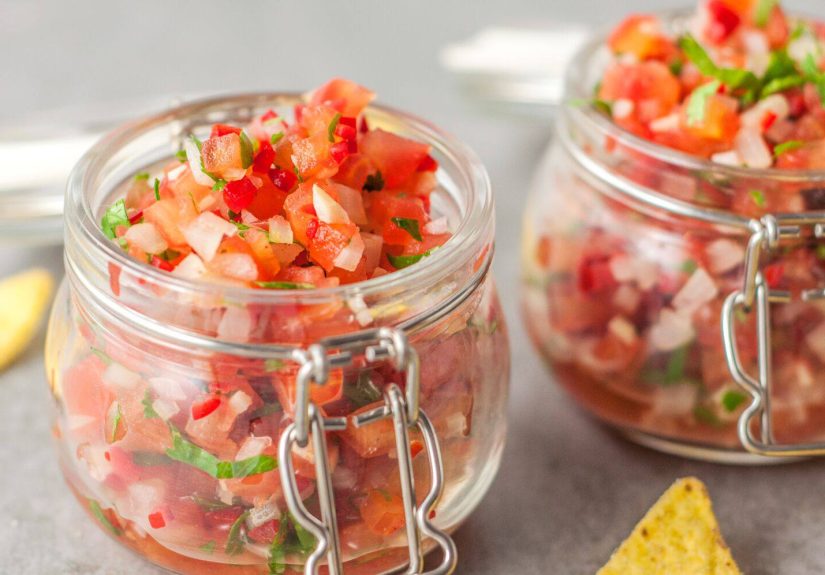
Pico de gallo (also called salsa fresca) is a fresh salsa made from chopped tomatoes,
onion, chile, cilantro, lime juice, and salt. Unlike blended salsa, pico is chunkymore like a relish
so each bite delivers crisp texture and clean, punchy flavor.
Why This Pico de Gallo Recipe Works
-
It’s balanced. Tomatoes bring sweetness and juice, lime brings brightness, onion adds bite,
chiles bring heat, and salt pulls it all together. -
It avoids watery pico. A quick “salt and drain” option concentrates tomato flavor and keeps
the bowl from filling up with liquid. - It tastes better as it sits. A short rest lets flavors minglethink of it as speed-dating for vegetables.
Pico de Gallo Ingredients
The classic ingredient list is short, which means each ingredient has to show up and do its job. Here’s what
to use and why it matters.
Tomatoes
Use ripe, flavorful tomatoesthis is not the time for pale, mealy, “I traveled 2,000 miles to be here” tomatoes.
Roma/plum tomatoes are a popular choice because they’re meatier and less watery. In off-season months, smaller
tomatoes (like cherry or grape) often have better flavor than big slicers.
Onion
White onion is traditional, but red onion works beautifully and adds color. If you find raw onion too sharp,
you can rinse the chopped onion and pat it dry, or let it marinate briefly in lime and salt (more on that below).
Chiles (Jalapeño or Serrano)
Jalapeños bring moderate heat; serranos usually run hotter. For less spice, remove seeds and ribs. For more spice,
leave some (or all) of them in. Pro tip: chiles vary wildlyone jalapeño can be a gentle nudge or an aggressive
motivational speaker.
Cilantro
Fresh cilantro gives pico its signature “green” flavor. If you’re in the cilantro-tastes-like-soap club, you can
use flat-leaf parsley, chives, or a mix of green onion and parsley instead. It won’t be classic, but it will still
be deliciousand nobody gets hurt.
Lime Juice
Fresh lime juice is non-negotiable for that bright, clean finish. Bottled lime juice can taste dull or slightly bitter.
Start with less than you think you need, then adjust.
Salt
Salt isn’t just for saltinessit helps the tomatoes taste more like tomatoes. Different salts vary in intensity,
so add gradually and taste as you go.
Optional Add-Ins
- Garlic (minced): Adds a punchy edge.
- Pinch of sugar: Helpful if tomatoes are a little acidic or bland.
- Diced avocado: Turns it into a creamy, scoopable topping (best eaten the same day).
- Diced mango or pineapple: Sweet-and-spicy summer energy.
Classic Pico de Gallo Recipe
Quick Overview
- Prep time: 15 minutes (plus optional draining/resting)
- Total time: 15–45 minutes
- Yield: About 2 to 3 cups (roughly 6–8 servings as a topping)
- Difficulty: Easy (the hardest part is not eating it straight from the bowl)
Ingredients
- 5 to 6 medium Roma/plum tomatoes (about 1 1/2 pounds), diced
- 1/2 to 3/4 cup finely diced white or red onion (about 1/2 medium onion)
- 1 jalapeño (or 1 small serrano), finely minced (seeded for mild, unseeded for hotter)
- 1/2 cup chopped fresh cilantro (more or less to taste)
- 2 to 3 tablespoons fresh lime juice (about 1 to 2 limes)
- 1/2 to 1 teaspoon kosher salt, to taste
- Optional: 1 small garlic clove, minced
- Optional: Pinch of sugar (especially if tomatoes are out of season)
Instructions
-
(Optional, but amazing) Drain the tomatoes:
Place diced tomatoes in a colander or fine-mesh strainer set over a bowl. Sprinkle with a pinch of salt and let
them drain for 10–20 minutes. This concentrates flavor and reduces watery liquid. (If you’re in a hurry, you can
skip thisbut your pico might be juicier.) -
Marinate the onion and chile (for extra flavor):
In a medium bowl, combine diced onion, minced jalapeño/serrano, lime juice, and 1/2 teaspoon salt. Let sit for
5 minutes while you finish prepping. This mellows the onion and helps the flavors start mingling early. -
Combine:
Add drained (or undrained) tomatoes and chopped cilantro to the bowl. Add garlic and sugar if using. -
Taste and adjust:
Add more salt for savoriness, more lime for brightness, more cilantro for herbal lift, or more chile for heat.
You want it lively, not flat. -
Rest (recommended):
Let the pico sit for 15–30 minutes before serving, or refrigerate for up to an hour. This gives you that
“restaurant pico” flavor where everything tastes like it belongs together. -
Serve:
Serve with tortilla chips, spoon onto tacos, or use it anywhere you want a fresh, crunchy pop. If it releases
extra liquid, use a slotted spoonor just embrace it and call it “tomato-lime dressing.”
How to Keep Pico de Gallo From Getting Watery
Watery pico is common because tomatoes naturally release juice after salting and mixing. Here are the fixes that
actually work:
- Choose meatier tomatoes: Roma/plum, grape, or cherry tomatoes tend to be less watery.
-
Seed if needed: If your tomatoes are especially juicy, scoop out some of the gel and seeds
before dicing. - Salt and drain: Even 10 minutes of draining makes a noticeable difference.
- Chill before serving: Cold pico tastes fresher and the texture holds up better.
Heat Control: Make It Mild, Medium, or “Oh No”
Pico de gallo should fit your life. Here’s an easy heat guide:
- Mild: Use 1/2 jalapeño, remove seeds and ribs.
- Medium: Use 1 jalapeño, remove some seeds/ribs.
- Hot: Use 1 serrano (or 2 jalapeños), keep seeds/ribs, and consider an extra squeeze of lime to balance.
Easy Variations (So You Don’t Get Bored)
Avocado Pico (Guac’s Chunky Cousin)
Fold in 1 diced avocado right before serving. Add an extra pinch of salt and a little more lime. Eat the same day
for best color and texture.
Fruit Pico for Summer Grilling
Replace 1 cup of diced tomatoes with diced mango or pineapple. Keep the onion, chile, cilantro, and lime. This is
unreal on grilled fish, shrimp tacos, or chicken.
Smoky “Half-Roasted” Salsa Fresca
If tomatoes aren’t great, roast or grill half of them (or char some onion) for deeper flavor, then mix with the
fresh chopped ingredients. You’ll get the brightness of pico with a hint of smoky complexity.
What to Serve With Pico de Gallo
- Tacos: carnitas, grilled chicken, steak, fish, veggie tacospico doesn’t discriminate.
- Eggs: spoon over scrambled eggs, omelets, or breakfast burritos.
- Nachos and quesadillas: add after cooking for freshness and crunch.
- Rice bowls: it’s basically an instant flavor upgrade.
- Grilled meats: use it like a bright salsa topping.
Storage, Food Safety, and Make-Ahead Tips
Pico de gallo is best the day you make itfresh, snappy, and bright. That said, leftovers can be refrigerated in
an airtight container. Expect the tomatoes to soften and release more liquid over time (drain before serving if you
want it chunky). If you add avocado, plan to eat it the same day.
How long does pico de gallo last?
Most guidance lands around up to 3 days in the fridge for best quality, though some recipes suggest
it can last a bit longer. When in doubt, trust your senses: if it smells off, tastes fermented, or looks slimy,
it’s time to let it go.
Pico de Gallo FAQs
Can I make pico de gallo without cilantro?
Yes. Use flat-leaf parsley, chives, or green onion tops. The flavor changes, but it’s still a fresh tomato salsa
that works on tacos and chips.
Do I have to use lime?
Lime is classic, but lemon can work in a pinch. You’ll get a slightly different brightness, but it still delivers
the acid the salsa needs.
Why does my pico taste bland?
Usually it needs one of three things: more salt, more lime, or better tomatoes. Add salt in small pinches, then
add lime a teaspoon at a time until the flavors pop.
Can I freeze pico de gallo?
Technically you can, but the texture won’t survive. Frozen tomatoes thaw soft and watery, which defeats the whole
crunchy-fresh vibe. If you want a make-ahead salsa for freezing, choose a cooked or roasted blended salsa instead.
Conclusion
A great pico de gallo recipe isn’t complicatedit’s just picky (in the best way). Use ripe tomatoes, chop everything
evenly, add enough salt to wake up the flavor, and give it a short rest so the lime and onion can do their magic.
Once you’ve nailed the classic version, you can riff with avocado, fruit, or a touch of smoky char whenever the mood
strikes. Just remember: pico is at its best when it’s fresh, bright, and gone surprisingly fast.
Experiences Related to “Pico de Gallo Recipe”
If you’ve ever hosted taco night, you already know pico de gallo has a strange superpower: it disappears first,
even when you made “a lot.” People will politely take a spoonful… then circle back like it’s a buffet strategy game.
It’s the kind of topping that makes everyone feel like the meal is fresher, brighter, and somehow more “real,”
even if the rest of dinner came together in a suspiciously fast 20 minutes.
One common experience is learning the hard way that jalapeños have moods. The same number of peppers can yield
totally different heat levels from week to week. That’s why pico is such a great “taste as you go” recipe: you can
start mild, then add more chile if the bowl feels too polite. And if you accidentally go too spicy? You’ll watch
people do that brave thing where they say, “Oh wow, it’s perfect!” while blinking rapidly and reaching for another
chip like they’re putting out a tiny fire. (Hydration is important. So is dignity.)
Pico also tends to become a kitchen confidence-builder. It’s basically knife skills with a reward at the end.
The first time someone dices tomatoes neatly without turning them into mush, they feel like a pro. The first time
they get onion pieces consistently small, they start thinking, “Wait… am I good at cooking?” It’s a gateway salsa.
Next thing you know, they’re debating serrano vs. jalapeño, buying extra limes “just in case,” and using phrases
like “acid balance” with a straight face.
Another classic moment: the “watery pico realization.” You make pico, it tastes great, and then ten minutes later
the bottom of the bowl looks like tomato-lime soup. That’s when you discover the little tricks that feel like
secret knowledgesalting and draining the tomatoes, using Roma tomatoes, or serving with a slotted spoon. Once you
do it, it’s hard to go back. It’s like finding out your phone has a flashlight and you’ve been living in the dark
on purpose.
Pico is also one of those recipes that adapts to whoever’s at the table. For kids (or heat-sensitive grown-ups),
you can dial the chile way down and add a little extra lime for brightness. For cilantro skeptics, you can swap in
parsley or green onions so the salsa still tastes fresh. For the “I want it extra” crowd, you can set out add-ons
extra chopped chiles, more salt, or even diced avocadoso people can customize without hijacking the whole bowl.
It’s low-stress entertaining because the salsa doesn’t demand perfection; it just rewards attention.
And then there’s the “pico goes on everything” phase. It starts with chips and tacos. Then someone tries it on eggs.
Then on a rice bowl. Then on grilled chicken. Suddenly it’s Tuesday, you’re spooning pico onto a baked potato, and
you’re not sorry. Pico’s flavor profilefresh tomato, onion, citrus, saltplays well with almost any savory food,
especially anything rich, cheesy, or fried. It cuts through heaviness and adds crunch, like a reset button for your
taste buds.
The best part is that pico de gallo often becomes a shared ritual. Someone’s always chopping, someone’s always
“taste-testing,” and someone’s always asking, “Is it spicy?” while reaching in anyway. It’s a simple recipe that
brings people into the kitchen, invites opinions, and turns a regular meal into something a little more lively.
And if you end up with extra? Congratulationsyou’ve just made tomorrow’s lunch dramatically better.