Table of Contents >> Show >> Hide
- What primary care really covers
- The intimacy of primary care
- The problems are medical, emotional, and social all at once
- Prevention: the least flashy and most important part
- Chronic disease management is relationship work
- Mental health lives here too
- Across the lifespan, the concerns keep changing
- Care coordination: the invisible labor no one sees on TV
- Why this work feels intimate even when the visit is short
- Conclusion
- A 500-word reflection on the experiences behind this topic
Primary care is where medicine stops pretending life comes in neat little categories. In one morning, a clinician may see a teenager with panic attacks, a father with chest pressure he has ignored for two months, a woman who booked a “quick visit” for fatigue but really needs help escaping burnout, and an older adult who came in for blood pressure follow-up but quietly reveals they have started forgetting names. That is primary care in a nutshell: broad, unpredictable, deeply human, and occasionally powered by lukewarm coffee.
The title of this piece sounds personal because primary care is personal. It is the part of medicine that lives closest to ordinary life. It is where headaches, grief, high cholesterol, pelvic pain, insomnia, back strain, loneliness, smoking cessation, caregiving stress, depression, menopause, rashes, reflux, memory changes, and mysterious “I just don’t feel like myself” visits all show up at the same door. Unlike narrower specialties, primary care does not get to choose only one body system or one kind of problem. Its job is to begin with the whole person and work outward.
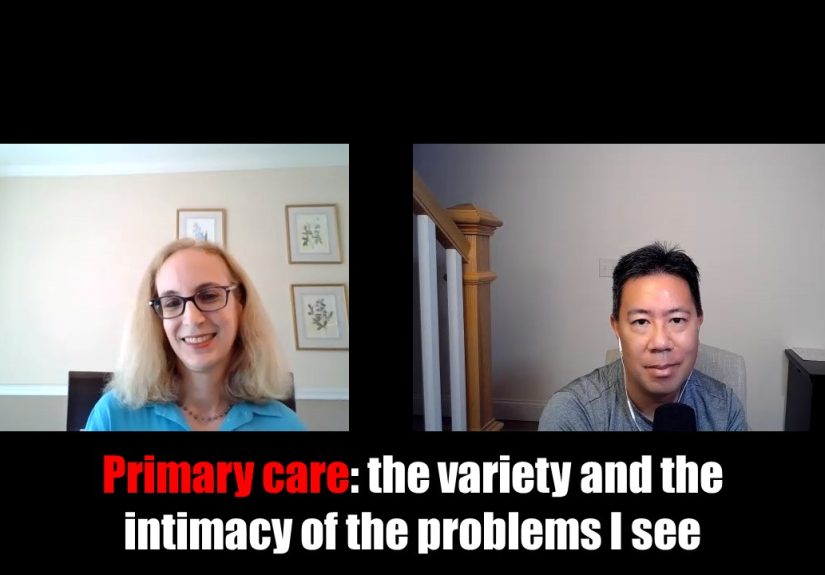
That is why primary care matters so much. It is often the first contact in the health care system, the place where long-term relationships are built, the setting where prevention happens, and the center that coordinates everything else. In plain English, primary care is where people bring the messiest parts of real life and ask someone they trust to help sort them out.
What primary care really covers
People sometimes imagine primary care as the place for colds, annual checkups, and the dreaded phrase “let’s keep an eye on that.” But that undersells the work. Good primary care includes acute care, preventive care, chronic disease management, mental health screening and treatment, medication review, counseling, reproductive and sexual health conversations, care planning, and referrals when needed. It is both front door and home base.
That breadth is part of the beauty. A primary care visit can start with a sore throat and end with a life-saving hypertension diagnosis. It can begin as a refill appointment and turn into the first honest conversation someone has had in years about drinking too much, sleeping too little, or feeling numb every morning. In primary care, small complaints are sometimes small complaints. And sometimes they are the loose thread that leads to the whole sweater.
The variety is the point, not the inconvenience
Primary care thrives on what doctors sometimes call undifferentiated problems. That is a fancy way of saying patients often arrive without a tidy label. They do not walk in saying, “Hello, I have a textbook case of condition number 47.” They say things like:
- “I’m tired all the time.”
- “My stomach has been off.”
- “I think it’s stress, but also maybe not?”
- “I know this sounds weird…”
Those vague openings are not a flaw in primary care. They are the work. A good clinician must notice patterns, weigh risk, ask the right follow-up questions, and decide what can be safely watched, what should be treated now, and what needs urgent escalation. That means primary care involves detective work, counseling, pattern recognition, risk management, and relationship-building all at once. It is half science, half conversation, and half trying to remember whether you already asked about caffeine intake. Yes, the math is suspicious. Welcome to medicine.
The intimacy of primary care
If the variety is what makes primary care broad, intimacy is what makes it powerful. People tell primary care clinicians things they have not told their partner, their boss, their children, or sometimes even themselves. The exam room becomes a place where private problems finally get words.
That intimacy exists for a simple reason: continuity. When patients return over time, trust grows. They are more likely to bring up embarrassing symptoms, sensitive relationships, sexual health questions, substance use, depression, trauma, caregiving strain, financial stress, food insecurity, or fear of serious illness. In many cases, the first sentence is not the real reason for the visit. The real reason appears after the clinician listens long enough for the patient to feel safe.
And safety matters. A patient may come in for migraines but really needs to say they are being controlled by a partner. Someone may ask for help sleeping but really needs to admit they are drinking every night. A person who jokes about “getting old” may actually be worried about memory loss because their parent had dementia. The intimacy of primary care is not sentimental fluff. It is diagnostic information. It is often the difference between superficial treatment and meaningful care.
Why trust changes what gets said
Trust is not just nice to have. It affects what patients reveal, whether they follow a plan, and whether they return before a problem becomes a crisis. A rushed, transactional visit may catch a symptom. A trusted relationship can uncover a life pattern. That is why continuity of care is so valuable. When a clinician knows a patient’s baseline personality, health history, stressors, family dynamics, and typical coping style, subtle changes stand out sooner.
That familiarity also humanizes medicine. In primary care, people are not only “the diabetic in room three” or “the knee pain follow-up.” They are the school bus driver caring for a spouse with cancer, the college student trying to function through anxiety, the grandmother who never misses church but keeps missing meals because groceries got expensive. The medical problem matters. The surrounding life matters too.
The problems are medical, emotional, and social all at once
One of primary care’s hardest truths is that symptoms do not respect categories. High blood pressure may be influenced by genetics, diet, sleep, chronic stress, medication access, and whether a patient has time to exercise between two jobs. Diabetes care is not just about glucose numbers; it is about food, money, health literacy, transportation, routine, family support, and sometimes shame. Back pain may be musculoskeletal, but it may also be worsened by depression, poor sleep, caregiving labor, and a job that does not allow rest.
That is why primary care can feel so intimate. It deals not only with disease but with the daily circumstances that shape disease. Housing instability, loneliness, caregiving burden, trauma history, and nutrition insecurity all show up in the exam room, whether the schedule says they belong there or not. Increasingly, primary care is expected to address health-related social needs alongside medical care because real life keeps barging into the chart and refusing to stay in separate boxes.
Prevention: the least flashy and most important part
There is no dramatic soundtrack for preventive care, which is probably why it gets less glory than it deserves. But this is where primary care quietly saves trouble for future you. Screenings, vaccines, blood pressure checks, cholesterol discussions, cancer prevention, alcohol counseling, tobacco cessation, sexual health screening, and depression screening do not always produce exciting stories. They produce fewer disasters. That is better.
Primary care often catches common conditions before they announce themselves with sirens. Hypertension is the classic example: many people feel perfectly fine until they are not. The annual visit that seems boring can be the moment a silent risk factor is finally found and managed. The same goes for diabetes, colorectal cancer screening, hepatitis C screening, depression, and other issues that are much easier to address early than late.
In this way, primary care is both ordinary and extraordinary. It deals in habits, follow-up, reminders, repeat conversations, and gradual change. That may sound less glamorous than emergency medicine or surgery, but it is central to population health. A calm conversation about preventive care today can prevent a frightening diagnosis tomorrow.
Chronic disease management is relationship work
Primary care also carries a massive share of chronic illness management. And in the United States, that is a huge assignment. Many adults live with one or more chronic conditions, and many have multiple conditions at the same time. That means primary care is constantly balancing blood pressure, diabetes, asthma, arthritis, obesity, chronic kidney disease, depression, high cholesterol, thyroid disease, and other overlapping concerns.
This is not simply a matter of prescribing medication and wishing everyone good luck. Chronic disease management requires follow-up, education, goal-setting, side-effect review, behavioral counseling, lab monitoring, medication adjustment, and coordination with specialists. It also requires honesty about how hard behavior change can be. Telling someone to “eat better and exercise more” without asking about time, stress, pain, caregiving, culture, cost, or motivation is not health care. It is a refrigerator magnet.
Good primary care knows that chronic illness unfolds over years, not one heroic appointment. The relationship matters because treatment plans need revision. People lose momentum. Life gets in the way. Medications become unaffordable. Symptoms change. Motivation dips. New diagnoses arrive. Primary care works best when it meets patients repeatedly, not when it scolds them once and disappears.
Mental health lives here too
For many patients, primary care is the first place mental health becomes visible. That is partly because emotional distress often arrives disguised as physical complaints: fatigue, headaches, chest tightness, poor sleep, appetite changes, irritability, dizziness, stomach trouble, or vague pain. It is also because many communities still have limited access to specialty mental health care. So primary care becomes the place where depression, anxiety, trauma responses, substance use concerns, grief, and burnout are first recognized.
This makes primary care emotionally demanding in a way outsiders do not always see. A clinician may move from an ear infection to suicidal thoughts to medication counseling to a Pap smear discussion in the span of an hour. The work requires flexibility, empathy, boundaries, and the ability to listen for what is being said under what is being said.
It also requires systems that support integrated behavioral health. When primary care can work closely with therapists, psychiatrists, social workers, care managers, and community resources, patients are more likely to receive coordinated help instead of a lonely handoff and a phone number scribbled on paper.
Across the lifespan, the concerns keep changing
Another reason primary care feels so varied is that it follows people through changing life stages. A younger adult may need contraception counseling, STI screening, acne treatment, anxiety care, or help managing migraines during a demanding job. A midlife patient may need support for hypertension, perimenopause symptoms, weight changes, caregiving stress, sleep problems, and cancer screening. An older adult may need medication simplification, fall prevention, memory evaluation, mobility support, and advance care planning.
Yet the common thread remains the same: a person is trying to live a life while managing a body. Primary care sits at that intersection. It helps people function, not just survive. It asks practical questions. Can you sleep? Can you work? Can you afford the medicine? Can you climb the stairs? Can you focus? Can you care for your kids? Can you get through the day without feeling miserable? Those are intimate questions because they reach beyond diagnosis into daily living.
Care coordination: the invisible labor no one sees on TV
Primary care is often the quiet organizer behind the scenes. When a patient sees a cardiologist, endocrinologist, therapist, physical therapist, gynecologist, and maybe three urgent care clinicians for good measure, somebody has to assemble the puzzle. That somebody is often primary care.
Medication lists must be reconciled. Duplicate tests should be avoided. Specialist advice needs interpretation. New diagnoses have to be explained in plain language. Follow-up plans must make sense to an actual human who has a schedule, a budget, and a limited tolerance for confusing portal messages. This coordination is not glamorous, but it is essential. Without it, patients can end up overwhelmed, overtested, undertreated, or all three.
Why this work feels intimate even when the visit is short
Even a brief primary care encounter can be intimate because it touches identity, vulnerability, and fear. Health is never purely technical. It is tied to aging, control, sexuality, family roles, mortality, shame, hope, and memory. A blood pressure check can trigger a conversation about a parent who died young. A weight discussion can uncover years of stigma. A fertility question can hold grief no lab value can measure. A routine exam can become a moment when someone finally says, “I’m not okay.”
That is the real emotional terrain of primary care. The clinician is not simply collecting symptoms. They are often witnessing a person’s private negotiations with their own body and their own life. That is why the field demands both competence and tenderness. Patients need skill, of course. They also need a professional who can ask better questions than “Where does it hurt?”
Conclusion
Primary care is remarkable because it handles the widest variety of problems in the most intimate way. It is broad enough to deal with preventive care, chronic illness, mental health, reproductive concerns, aging, and everyday mystery symptoms. It is personal enough to earn disclosures that change outcomes. It is practical enough to coordinate specialists and complicated care plans. And it is human enough to remember that patients do not experience life as a set of separate organ systems.
That is the genius of primary care. It lives in continuity, context, and trust. It sees people before, during, and after diagnosis. It notices what changes, what lingers, what gets avoided, and what finally gets said out loud. In a fragmented health system, primary care remains the place most capable of connecting the dots between the body, the mind, and the life being lived around them. The variety is vast. The intimacy is real. And both are exactly why primary care matters.
A 500-word reflection on the experiences behind this topic
What makes primary care unforgettable is not only the range of complaints, but the way ordinary appointments open into extraordinary truths. Consider the patient who schedules a visit for “heartburn.” On paper, that looks simple. In conversation, it may turn out the burning started after nights of fast food eaten in a car between jobs, poor sleep, rising anxiety, and a recent separation. The reflux is real, but it is living inside a much larger story. Primary care has to treat both the symptom and the context, because the context keeps showing up whether anyone billed for it or not.
Or think about the annual physical that everyone claims to hate. These visits are often where the most meaningful disclosures happen, precisely because they appear routine. A patient comes in expecting blood work and vaccine updates, then admits they have been crying in the shower so the family will not notice. Another laughs while discussing cholesterol, then quietly asks whether memory loss can start in your forties. Another asks about fatigue, and after a few more questions, reveals they are caring for a parent with dementia, sleeping four hours a night, and eating whatever comes from the vending machine. The presenting complaint is only the tip of the iceberg; primary care is where the submerged part finally becomes visible.
The intimacy also comes from repetition. When people return over years, a clinician sees more than lab trends. They see the before and after of life events. They see who stops making eye contact when something is wrong. They notice when a naturally talkative patient becomes flat, or when a usually stoic patient suddenly tears up over a minor symptom. Those details matter. Medicine often celebrates data, but continuity creates a different kind of data: emotional baseline, behavioral shifts, tone, hesitation, readiness, trust. None of that is trivial.
There is also humor in primary care, because there has to be. The same clinic may move from discussing bowel habits with great seriousness to untangling whether a patient’s “terrible memory” is stress, sleep deprivation, or simply having five group chats and no calendar. Primary care lives in that weirdly sacred territory where deeply serious issues coexist with the comic reality of human beings being human. Bodies are awkward. Symptoms are hard to describe. Medication names sound made up. People apologize for crying, for sweating, for forgetting, for Googling too much, for not Googling enough. The exam room sees it all.
What stays with people most, though, is not perfection. It is being known. It is the relief of not having to explain your whole history from the beginning every single time. It is hearing, “This is different from your usual pattern,” or “I remember this started after your surgery,” or “Last time you were trying to quit smoking; how are you doing now?” That recognition can make patients more honest, more engaged, and more willing to come back before a small issue becomes a large one.
So when we talk about the variety and intimacy of primary care, we are really talking about medicine at its most grounded. It is not a parade of rare diseases and dramatic rescues. It is the ongoing work of helping people navigate common problems, private fears, changing bodies, and complicated lives. That may not always look dramatic from the outside. From the inside, it is some of the most meaningful work in health care.