Table of Contents >> Show >> Hide
- What Are Raw Chicken Dishes?
- Why Raw Chicken Is Riskier Than Raw Fish or Rare Beef
- The Main Food Poisoning Risks From Raw Chicken
- Does Searing Raw Chicken Make It Safe?
- Can Marinades, Lemon Juice, or Vinegar Kill Bacteria?
- What About Restaurants That Serve Raw Chicken?
- Who Should Absolutely Avoid Raw Chicken?
- Safe Internal Temperature for Chicken
- Do Not Wash Raw Chicken
- How to Handle Raw Chicken Safely at Home
- What If You Accidentally Ate Raw Chicken?
- Better Alternatives to Raw Chicken Dishes
- So, Should You Eat Raw Chicken Dishes?
- Experience Notes: What Raw Chicken Dishes Teach Us About Food Curiosity
Raw chicken dishes have a way of making the internet stop scrolling. One minute you are watching a chef slice glossy, pale chicken into sashimi-style pieces; the next minute half the comment section is yelling “absolutely not,” while the other half is pretending they have the immune system of a superhero. So, let’s ask the big question plainly: should you eat raw chicken dishes?
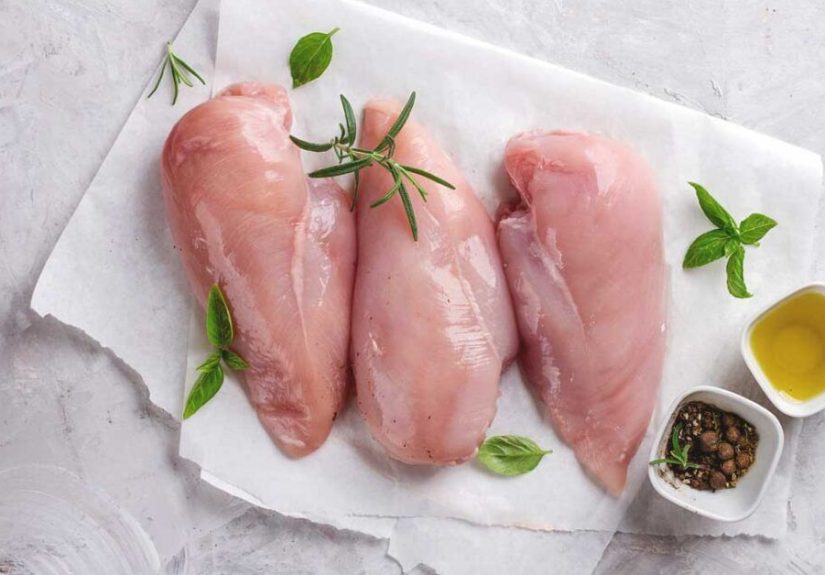
The safest answer, especially in the United States, is no. Raw chicken is not like sushi-grade tuna, a rare steak, or a runny egg. Chicken can carry harmful bacteria such as Salmonella, Campylobacter, and Clostridium perfringens. These germs do not politely announce themselves with a bad smell, strange color, or tiny warning flag. Raw chicken can look fresh, smell normal, and still be a microscopic theme park for foodborne illness.
That does not mean raw chicken dishes do not exist. They do. The most famous example is torisashi, often described as Japanese chicken sashimi. Some versions are briefly seared on the outside while the inside remains raw or nearly raw. But “people eat it somewhere” is not the same as “it is a good idea for dinner on Tuesday.” People also climb mountains in shorts and argue with geese. Existence is not endorsement.
This guide explains what raw chicken dishes are, why they are risky, what food-safety experts recommend, and what to do instead if you want adventurous chicken without turning your digestive system into a protest march.
What Are Raw Chicken Dishes?
Raw chicken dishes are meals where chicken is served uncooked, undercooked, lightly seared, cured, marinated, or otherwise prepared without reaching the temperature needed to reliably kill harmful bacteria. These dishes may appear on specialty menus, social media videos, travel blogs, or dare-style food content.
Common examples include:
- Chicken sashimi or torisashi: thinly sliced raw or lightly seared chicken, usually served with seasonings or dipping sauces.
- Chicken tartare: minced raw chicken mixed with herbs, spices, or egg yolk.
- Rare chicken skewers: poultry grilled only briefly, leaving the center undercooked.
- Marinated raw chicken: chicken treated with citrus, vinegar, soy sauce, salt, or spices but not fully cooked.
Some people assume that acid, salt, alcohol, freezing, or a fancy chef’s knife can make raw chicken safe. Unfortunately, bacteria are not impressed by your marinade. Lemon juice may change flavor and texture, but it is not a dependable kill step. Freezing may reduce some parasites in certain foods, but it does not reliably eliminate the major bacterial risks associated with raw poultry.
Why Raw Chicken Is Riskier Than Raw Fish or Rare Beef
Many diners compare raw chicken to sushi or steak tartare, but the comparison is shaky. Chicken has a different production chain, different contamination risks, and different cooking guidance. In the U.S., public health guidance is clear: all poultry should be cooked to a safe internal temperature of 165°F.
Chicken Can Carry Dangerous Bacteria Inside and Outside
With whole cuts of beef, bacteria are often concentrated on the surface, which is why a properly handled rare steak can be lower risk than rare ground beef. Chicken is different. Poultry processing can spread bacteria across surfaces, into crevices, and sometimes throughout the meat. Once chicken is cut, ground, skewered, pounded, or handled repeatedly, the risk spreads further.
Ground chicken is especially risky because bacteria from the surface can be mixed throughout the meat. But even whole chicken breasts, thighs, wings, and livers can carry germs that require thorough cooking.
“Fresh” Does Not Mean “Safe to Eat Raw”
Fresh chicken can still contain foodborne pathogens. Organic chicken, pasture-raised chicken, local chicken, expensive chicken, and chicken packaged in a font that looks like it went to design school can all carry bacteria. Food safety is not determined by vibes, price tags, or whether the package uses the word “natural.”
Freshness matters for quality, but cooking matters for safety. A beautiful raw chicken dish may be visually elegant, but bacteria do not care about plating.
The Main Food Poisoning Risks From Raw Chicken
Salmonella
Salmonella is one of the best-known foodborne bacteria associated with poultry. Symptoms often include diarrhea, fever, stomach cramps, nausea, and vomiting. Illness can appear within hours to several days after exposure. Many healthy adults recover without specific treatment, but severe cases can require medical care, especially when dehydration or invasive infection occurs.
Young children, older adults, pregnant people, and those with weakened immune systems face higher risk of serious illness. For these groups, raw chicken should be treated less like a daring delicacy and more like a tiny biological hazard wearing a dinner jacket.
Campylobacter
Campylobacter is strongly linked to raw or undercooked poultry. It can cause diarrhea, fever, abdominal cramps, nausea, and general misery. In some cases, complications can occur, including reactive arthritis or, rarely, nervous-system conditions. Most people do not want their dinner to come with a subplot involving medical journals.
One frustrating part of Campylobacter risk is that it can take only a small amount of contaminated juice or undercooked meat to cause illness. Cross-contamination from raw chicken to cutting boards, hands, knives, plates, sauces, lettuce, or cooked foods is a major concern.
Clostridium Perfringens
Clostridium perfringens is another germ that can be associated with meat and poultry, especially foods cooked in large batches and held at unsafe temperatures. While it is more often discussed with improperly cooled or reheated foods, it belongs in the broader raw and undercooked poultry conversation because temperature control matters from start to finish.
Does Searing Raw Chicken Make It Safe?
Some raw chicken dishes are briefly seared, torched, or boiled on the outside before serving. This may reduce some surface bacteria, but it does not guarantee safety. The center of the chicken may remain raw, and any bacteria inside or transferred during preparation can survive.
Think of searing as locking the front door while leaving every window open and a sign outside that says “free snacks.” It helps in one limited area, but it does not solve the whole problem.
Food-safety recommendations for poultry are based on reaching 165°F throughout the meat, measured with a food thermometer. Color is not enough. Juices running clear are not enough. A chef saying “trust me” is definitely not enough, unless that chef is also offering to personally handle your stomach cramps at 3 a.m.
Can Marinades, Lemon Juice, or Vinegar Kill Bacteria?
Marinades can add flavor, tenderness, and personality. They cannot reliably make raw chicken safe. Acidic ingredients like lemon juice, vinegar, or wine may slow some microbial growth or affect the surface, but they do not consistently eliminate Salmonella or Campylobacter throughout the meat.
Salt curing and spice rubs have similar limitations. They may change taste and texture, but they are not the same as cooking. If a raw chicken recipe claims that citrus “cooks” the meat like ceviche, be careful. Fish ceviche already carries risk when not handled properly, and chicken is an even higher-risk candidate for this kind of treatment.
What About Restaurants That Serve Raw Chicken?
Some restaurants may serve raw or nearly raw chicken dishes as specialty items. In the U.S., restaurants offering raw or undercooked animal foods generally must provide consumer advisories, especially because these foods can increase the risk of foodborne illness. But a menu warning does not remove the risk; it simply tells you the risk exists.
A skilled chef, careful sourcing, clean kitchen, and strict handling can reduce risk. They cannot make raw chicken risk-free. Even high-end restaurants can experience contamination problems. Foodborne bacteria do not check Yelp ratings before showing up.
If you see raw chicken on a menu, ask direct questions: Where is the chicken sourced? How is it processed? Is it intended for raw consumption? What controls are used? Even then, the safest choice remains ordering chicken fully cooked.
Who Should Absolutely Avoid Raw Chicken?
Everyone should avoid raw chicken from a food-safety standpoint, but some people should be especially strict:
- Children under 5
- Adults 65 and older
- Pregnant people
- People with weakened immune systems
- People with chronic illness
- Anyone recovering from surgery or serious infection
- Anyone who really cannot afford to spend the next few days becoming emotionally attached to a bathroom
For these groups, even a “small taste” can be a poor gamble. Foodborne illness is not always a quick stomachache. It can lead to dehydration, hospitalization, complications, and long recovery periods.
Safe Internal Temperature for Chicken
The safest way to eat chicken is to cook it to an internal temperature of 165°F. Use a food thermometer inserted into the thickest part of the meat, avoiding bone when possible. For whole birds, check the thickest part of the breast, the innermost part of the thigh, and the innermost part of the wing.
Here is a simple safety guide:
- Chicken breast: 165°F
- Chicken thighs and drumsticks: 165°F minimum, though many cooks prefer higher for better texture
- Ground chicken: 165°F
- Stuffed chicken: stuffing must also reach 165°F
- Leftover chicken: reheat to 165°F
A thermometer is not a fussy gadget. It is the tiny referee that stops guesswork from ruining dinner. If you cook chicken often, it is one of the best kitchen tools you can own.
Do Not Wash Raw Chicken
Many home cooks grew up rinsing raw chicken in the sink. The intention is understandable: washing feels clean. But food safety experts advise against it because washing raw chicken can spread bacteria through splashing water droplets. Those droplets can land on countertops, utensils, dish racks, sink handles, nearby produce, and your hands.
Cooking kills germs. Rinsing spreads them around like an unpaid intern with a leaf blower. If chicken feels wet, pat it dry with disposable paper towels, throw the towels away immediately, and wash your hands.
How to Handle Raw Chicken Safely at Home
Keep It Separate
Raw chicken and its juices should stay away from ready-to-eat foods. At the grocery store, bag poultry separately. In the refrigerator, store chicken in a sealed container or on a rimmed tray on the lowest shelf so juices cannot drip onto other foods.
Use Separate Cutting Boards
Use one cutting board for raw poultry and another for vegetables, fruit, bread, or cooked food. Wash knives, boards, bowls, tongs, and countertops with hot, soapy water after contact with raw chicken. Sanitize surfaces when appropriate.
Wash Hands Properly
Wash hands with soap and water for at least 20 seconds after handling raw chicken, its packaging, or anything it touched. Do not touch your phone, spice jars, drawer handles, or refrigerator door with chicken hands. Your phone has been through enough.
Chill Promptly
Keep raw chicken refrigerated at 40°F or below. Cook or freeze it within the recommended storage window. Do not leave raw chicken at room temperature while you “just quickly check something” and then disappear into a 45-minute internet rabbit hole about antique lamps.
What If You Accidentally Ate Raw Chicken?
If you ate raw or undercooked chicken, do not panic, but pay attention. Not everyone gets sick after exposure, but symptoms can develop later. Watch for diarrhea, fever, stomach cramps, nausea, vomiting, bloody stool, signs of dehydration, or symptoms lasting more than a couple of days.
Seek medical advice promptly if symptoms are severe, if you cannot keep fluids down, if you have a high fever, if diarrhea is bloody, or if you are in a higher-risk group. Do not try to “tough it out” if symptoms are worsening. Food poisoning may sound ordinary, but serious cases are very real.
Better Alternatives to Raw Chicken Dishes
If the appeal of raw chicken dishes is novelty, texture, or culinary adventure, there are safer ways to get an exciting meal without inviting bacteria to the table.
Try Properly Cooked Yakitori
Yakitori delivers deep flavor, smoky edges, and juicy chicken without leaving the center raw. Use thighs, wings, or meatballs, cook thoroughly, and finish with tare sauce or salt. You get the restaurant experience without the gastrointestinal cliffhanger.
Make Chicken Tataki-Inspired Dishes Safely
Instead of serving the inside raw, cook chicken fully, chill it, slice it thinly, and pair it with ponzu, scallions, grated ginger, sesame, cucumber, or daikon. You can capture the bright, clean flavor profile while keeping the chicken safe.
Use Cooked Chicken in Cold Preparations
Cold sesame chicken, chicken salad with herbs, Vietnamese-style chicken cabbage salad, and chilled poached chicken with ginger-scallion sauce can all feel refreshing and elegant. The key is simple: cook first, chill safely, serve beautifully.
So, Should You Eat Raw Chicken Dishes?
For most people, the answer is no. Raw chicken dishes may be culturally interesting, visually intriguing, and occasionally served by specialists, but they carry real foodborne illness risks. In the U.S., the practical advice is straightforward: cook chicken to 165°F, avoid cross-contamination, skip washing raw poultry, and keep raw juices away from ready-to-eat foods.
Food should be memorable because it tastes amazing, not because it rearranges your weekend plans around electrolyte drinks and regret. If curiosity is calling, let it go to voicemail. There are plenty of delicious cooked chicken dishes that deliver flavor, texture, and excitement without turning dinner into a science experiment.
Experience Notes: What Raw Chicken Dishes Teach Us About Food Curiosity
Raw chicken dishes are fascinating because they sit at the intersection of culture, trust, risk, and internet spectacle. Many people first hear about chicken sashimi through a travel video or a dramatic social post. The dish looks delicate and refined, often served in small slices with garnishes, dipping sauces, and the quiet confidence of a chef who has clearly sharpened a knife more times than most of us have folded laundry.
That visual elegance can make the dish seem safer than it is. This is one of the biggest lessons from raw chicken: presentation can influence perception. A beautifully plated dish feels intentional, and intentional food feels controlled. But bacteria are invisible. They do not ruin the lighting, change the garnish, or wave from the plate. A dish can look luxurious and still be risky.
For home cooks, the topic is a useful reminder that confidence in the kitchen should be paired with humility. Many people are comfortable handling raw chicken, but small habits matter. Did the cutting board touch salad greens? Did the marinade brush go back onto cooked meat? Did the tongs used for raw chicken also move the finished pieces to a serving plate? These moments are easy to miss, especially when cooking for guests, juggling side dishes, or trying to look relaxed while the smoke alarm judges your life choices.
Raw chicken discussions also reveal how food trends can travel faster than food-safety context. A short video might show a rare preparation without explaining the sourcing, sanitation, local regulations, chef training, or warnings behind it. Viewers see the exciting part, not the risk-management part. That gap can be dangerous. A dish prepared under specialized conditions should not automatically become a weekend experiment in a home kitchen.
Another experience many people share is the “almost cooked” problem. Chicken may appear done on the outside while remaining undercooked near the bone or in the thickest section. This happens with grilled drumsticks, stuffed breasts, frozen chicken tossed into an air fryer, and large pieces cooked too quickly over high heat. The solution is not fear; it is measurement. A thermometer removes the drama. It gives you a clear answer instead of forcing you to perform detective work with color, texture, and optimism.
There is also a social side to the issue. Sometimes people feel pressure to try risky foods because everyone else at the table is doing it. But food boundaries are valid. You do not need to eat raw chicken to prove sophistication, bravery, cultural openness, or loyalty to a chef. “No, thank you” is a complete sentence, and it pairs well with staying healthy.
The best takeaway is not that chicken is scary. Chicken is nutritious, versatile, affordable, and delicious when handled correctly. The real lesson is that safety unlocks enjoyment. When chicken is cooked properly, you can focus on crisp skin, juicy thighs, smoky skewers, comforting soup, spicy wings, or a perfect roast bird. That is the kind of chicken experience worth chasing: flavorful, satisfying, and not followed by suspicious stomach noises.
Note: This article is based on established U.S. food-safety guidance from public health, food-safety, and medical sources. It is intended for general education and should not replace professional medical advice if symptoms of foodborne illness occur.