Table of Contents >> Show >> Hide
- What Is Regrouting, Exactly?
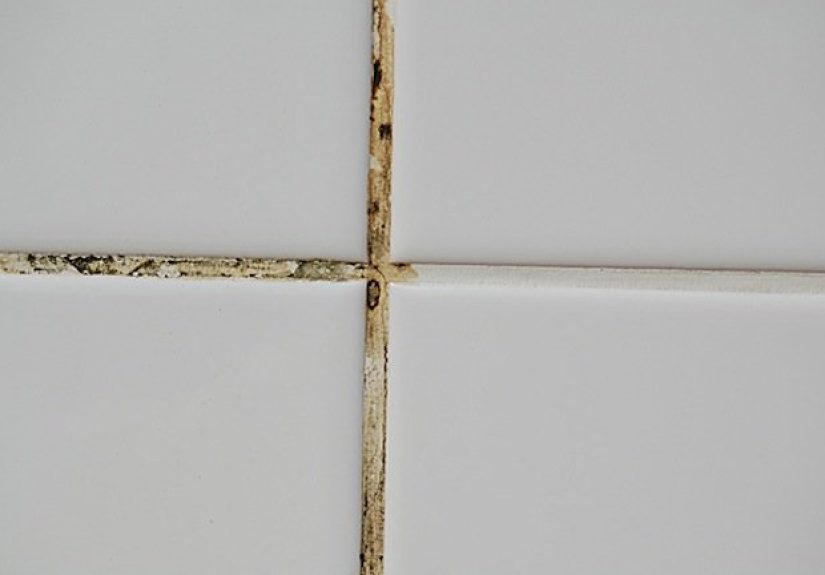
- Signs It’s Time to Regrout Tile
- Tools and Materials You’ll Need to Regrout
- Choosing the Right Grout for Regrouting
- Step-by-Step: How to Regrout Tile Like a Pro
- Common Regrouting Mistakes (and How to Avoid Them)
- When to Call a Professional Instead
- How to Keep Your New Grout Looking Great
- Real-World Regrouting Experiences and Lessons Learned
If your bathroom or kitchen tile is looking tired, dingy, or just plain depressing,
there’s a good chance the tiles aren’t the problem at all. It’s the grout. The good
news? You usually don’t need to rip out the entire tile installation. Regrouting tile
can make worn walls and floors look almost new againwithout the demolition dust and
remodeling budget. Inspired by the practical approach of Bob Vila and other trusted
home-improvement sources, this guide walks you through everything you need to know to
regrout tile like a pro.
What Is Regrouting, Exactly?
Regrouting tile is the process of removing failing, stained, or cracked grout from
between your tiles and replacing it with fresh grout. Unlike simply cleaning or
“recoloring” grout, regrouting means physically cutting out the old material down to
just above the thinset or substrate and packing new grout into the joints. It’s a
labor-intensive job, but still well within the reach of a patient DIYer.
Regrouting improves both the look and performance of tile. Solid, intact grout helps
keep tiles stable, reduces water penetration, and prevents dirt and mildew from
hiding in gaps and cracks. Experts at long-standing home-improvement brands note that
regrouting is often the best option when tiles are sound but the grout lines are
failing or deeply stained.
Signs It’s Time to Regrout Tile
Not sure whether you need to regrout tile or just clean it? Look for these clues:
- Cracked or missing grout: Gaps, crumbling joints, or hairline cracks that keep returning.
- Persistent stains: Dark blotches that don’t respond to cleaning or keep coming back quickly.
- Mildew and mold in the joints: Especially in showers and tub surrounds, where moisture lingers.
- Loose tiles: Movement or hollow-sounding tiles can signal grout and possibly thinset failure.
- Powdery or chalky grout: Grout that easily rubs away under your fingertip.
If the tiles themselves are cracked, loose across a wide area, or the backer board is
soft or moldy, you may need a bigger repair than regrouting. But if the tile is firmly
attached and only the joints are sad, regrouting tile is often the most cost-effective
fix.
Tools and Materials You’ll Need to Regrout
Before you start scraping away, gather the right tools and supplies. Most major home
centers and hardware stores carry everything on this list:
Essential tools
- Manual grout saw or grout rake (for small areas or delicate tile)
- Oscillating multi-tool or rotary tool with grout-removal blades (for larger jobs)
- Grout float (rubber float for spreading grout)
- Bucket and mixing paddle or margin trowel
- Sponges and microfiber cloths
- Shop vacuum or household vacuum with a hose attachment
- Painter’s tape and drop cloths for protection
Safety gear
- Safety glasses (those tiny grout chips really know how to find eyeballs)
- Dust mask or respiratorgrout dust can contain silica
- Cut-resistant gloves
- Knee pads for floors (your future self will thank you)
Materials
- New grout (sanded or unsanded, depending on your joint width)
- Clean water for mixing and wiping
- Grout sealer (penetrating or spray-on, depending on the area)
- Caulk that matches your grout color (for corners and change-of-plane joints)
Choosing the Right Grout for Regrouting
When regrouting tile, choosing the correct grout is just as important as how you apply
it. Established tile guides and manufacturers offer a few simple rules of thumb.
Sanded vs. unsanded grout
- Unsanded grout: Best for narrow joints up to about 1/8 inch wide and for delicate tiles such as glass or polished stone.
- Sanded grout: Contains fine sand, making it stronger and better for wider joints (typically 1/8 inch and up). It also shrinks less as it cures.
Color choices
You can either match the original grout color or intentionally change it for a fresh
look. Light grout makes spaces feel larger and cleaner but shows dirt more easily.
Dark grout hides stains but can visually “grid” the tile and highlight any layout
irregularities. For resale value, neutral tones (warm grays, beiges, soft whites) are
usually a safe bet.
Step-by-Step: How to Regrout Tile Like a Pro
Below is a streamlined process adapted from professional regrouting tile tutorials and
long-standing how-to resources such as Bob Vila, True Value, and Neighborly.
Step 1: Prepare the area
- Clear counters, shelves, rugs, and accessories from the work zone.
- Mask nearby surfaces with painter’s tape and use drop cloths to catch dust.
- If you’re regrouting a shower, make sure the area is completely dry before you start.
Step 2: Remove the old grout
This step is where most of the effort lives. The goal isn’t to grind down to the
backer board, but to remove enough old grout so the new material can bond wellusually
at least 2/3 of the grout depth.
-
Start with a manual grout saw or rake along each joint, especially near tile edges or
corners where you want more control. -
For larger areas, use an oscillating multi-tool or rotary tool with a grout-removal
blade. Work slowly and keep the tool centered in the joint to avoid chipping the
tiles. -
Vacuum dust regularly so you can see what you’re doing and avoid grinding loosened
debris further into the joints. - Use a utility knife, small screwdriver, or dental pick to clean corners and tight spots.
Safety first: grout removal produces dust and tiny tile fragments, so wear eye
protection, a dust mask, and gloves from start to finish.
Step 3: Clean and inspect the joints
Once the old grout is out, vacuum thoroughly and then wipe down the tile and joints
with a slightly damp sponge or cloth. Some pros like to follow with a mild cleaner to
remove remaining dustjust avoid soaking the joints. Let the area dry completely.
Now is the time to inspect. If tiles are loose, the substrate is crumbly, or you see
signs of hidden water damage, pause and address those issues before proceeding.
Regrouting alone won’t fix structural problems.
Step 4: Mix the new grout
Follow the manufacturer’s instructions on the bagthis is not the moment for
freelancing. Most cement-based grouts are mixed by adding powder to a measured amount
of clean water and stirring until the mixture resembles creamy peanut butter. Let the
grout slake (rest) for a few minutes and then remix.
Avoid mixing large batches until you get a feel for the working time. It’s better to
mix smaller amounts more often than to rush to use grout that’s setting up in your
bucket.
Step 5: Pack the joints with grout
This is the satisfying part, where your tile finally starts to look refreshed again.
-
Load grout onto a rubber grout float and hold it at about a 45-degree angle to the
tile surface. -
Spread the grout across the tile in diagonal strokes, pressing firmly to pack joints
completely. Work in small sections so the grout doesn’t dry out on the surface. -
Once joints are full, use the edge of the float to scrape excess grout from the tile
faces, again moving diagonally across the joints.
Step 6: Wipe, rinse, and de-haze
After the grout has firmed up slightly (typically 10–20 minutes, depending on
conditions and manufacturer directions), begin cleanup:
- Use a damp (not dripping) sponge to wipe the tile in gentle, diagonal passes.
- Rinse the sponge frequently and change the water as it turns cloudy.
-
Once the joints are smooth and the majority of excess grout is gone, allow a light
haze to remain on the tile surface. -
After another short drying period, buff tiles with a soft, dry cloth or microfiber
towel to remove the remaining haze.
Step 7: Let grout cure, then seal it
Fresh grout needs time to cure and harden fully. Many manufacturers recommend waiting
24 to 72 hours before exposing the area to heavy moisture, and at least 48 hours before
applying sealer. Always follow your specific product’s instructions.
After curing, apply grout sealer to help resist stains and make future cleaning easier.
Penetrating sealers are commonly recommended for kitchens, baths, and other high-moisture
areas. Some modern grouts contain built-in sealers, but many pros still like to topcoat
with an additional sealer for extra protection.
Common Regrouting Mistakes (and How to Avoid Them)
Even careful DIYers can run into trouble with regrouting tile. Watch out for these pitfalls:
-
Not removing enough old grout: If you only scrape the surface, new
grout may not bond well and can pop out prematurely. -
Rushing the cleaning stage: Leaving a thick grout haze can turn
into a permanent film that’s hard to remove later. -
Skipping sealer when it’s needed: In high-traffic or high-moisture
areas, unsealed grout can stain quickly and make your hard work look tired in just a
few months. -
Using the wrong grout type: Applying sanded grout in very narrow
joints can scratch delicate tiles; using unsanded grout in wide joints can lead to
cracking and shrinkage. -
Ignoring underlying damage: Regrouting won’t fix a deteriorated
backer board or a leaky shower pan. If you see signs of movement or water damage,
investigate before regrouting.
When to Call a Professional Instead
Regrouting tile is absolutely DIY-friendly, but it’s not for every situation. Consider
hiring a pro if:
- The tiled area is very large (entire floors or multiple rooms).
- Many tiles are loose, cracked, or hollow-sounding.
- You see evidence of mold behind tiles or water damage in adjacent walls.
- You’re dealing with specialty tile like natural stone that’s easy to damage.
- You simply don’t have the time or patience for a meticulous, dusty job.
Professional regrouting services often include deep cleaning, full grout removal,
repairs to minor substrate issues, and sealing, giving you a “like-new” tile surface
with less hasslethough at a higher cost than DIY.
How to Keep Your New Grout Looking Great
Once you’ve invested the time to regrout tile, a few simple habits will help keep it
looking crisp:
-
Ventilate bathrooms: Use an exhaust fan or open a window during and
after showers to reduce moisture and mildew. -
Clean gently but regularly: Mild cleaners and soft brushes or
sponges are usually enough. Save abrasive cleaners for rare deep cleans. -
Spot-treat stains quickly: Baking soda and hydrogen peroxide pastes
are popular DIY options for lightening stains on cured grout. -
Reseal periodically: Depending on traffic and exposure, many experts
suggest resealing grout every 1–3 years, or when a “water drop test” shows water
soaking into the grout instead of beading on the surface.
Real-World Regrouting Experiences and Lessons Learned
Homeowners who have tackled regrouting tile often sound like people who’ve finished a
marathon: exhausted, proud, and already giving advice to the next person in line.
Their experiences are full of practical tips that don’t always make it onto the back
of a grout bag.
One common theme is the importance of pacing yourself. Regrouting an entire shower or
kitchen backsplash in one day is technically possible, but many DIYers find it easier
to break the job into zones. For example, you might regrout the back wall of a shower
one evening, the side walls the next, and the floor on a weekend. This approach keeps
the work from feeling overwhelming and gives you a chance to refine your technique as
you go.
Another frequent lesson: don’t cheap out on blades or bits. Manual
grout saws and grout-removal blades dull over time. People who try to stretch a single
blade across an entire bathroom often end up applying more pressure and scratching
tiles. Those who keep a few fresh blades on hand report smoother cuts, less effort, and
fewer “oops” moments.
DIYers also talk about the “Goldilocks zone” of grout consistency. Too runny, and it
slumps out of joints and makes a huge mess. Too stiff, and it’s hard to pack tightly
into seams, leading to weak spots and pinholes. Most people find that mixing smaller
batches helps: it’s easier to keep each batch within that comfortable, peanut-butter-like
consistency, instead of fighting a massive bucket that’s slowly turning to concrete.
The cleanup phase is where many first-timers get caught off guard. Wiping too soon can
pull grout back out of the joints; wiping too late makes grout haze stubborn. Real-world
experience suggests doing the “thumbnail test”: when you lightly press a fingernail into
the grout and it leaves only a shallow mark without smearing, you’re usually safe to begin
gentle sponge cleanup. Taking your time with this step pays off every time you walk into
the room and see crisp joints instead of cloudy tiles.
People who have regrouted high-traffic kitchen floors or heavily used showers also swear
by routine maintenance. Something as simple as squeegeeing shower walls after each use
dramatically reduces soap scum and mildew buildup, extending the fresh look of your new
grout. Likewise, quickly wiping up kitchen spillsespecially oily oneshelps prevent deep
staining that even sealed grout can eventually develop.
Finally, there’s the emotional side of the project. Regrouting can feel tedious in the
middle stages: you’re crouched on the floor, the room is dusty, and you’re wondering why
you didn’t just hire someone. But the moment you step back and see a once-grimy shower or
backsplash suddenly look crisp, bright, and cohesive again, the job stops feeling like
punishment and starts feeling like a serious home upgrade. Many homeowners say it’s one
of the most satisfying cosmetic projects they’ve donehigh visual impact, relatively low
cost, and a sense that they truly restored something rather than replaced it.
So if your tile is still in good shape but your grout is telling a different story,
regrouting tile might be the perfect middle-ground project. You’ll get the visual payoff
of a makeover with far less money and mess than a full renovationand you’ll learn a
skill you can use again whenever grout lines start looking tired in another room.