Table of Contents >> Show >> Hide
- Why This Roasted Eggplant Recipe Works
- Ingredients (Serves 4 to 6)
- Step-by-Step: Roasted Eggplant and Tomatoes With Parmesan Cheese Recipe
- How to Serve It (Without Getting Bored)
- Common Mistakes and How to Fix Them
- Variations for Different Diets and Moods
- Storage, Reheating, and Food Safety
- Kitchen Experience Section (Extended, 500+ Words)
- Conclusion
If eggplant has ever betrayed you by turning into a spongy, oil-soaked sadness, this recipe is your redemption arc.
This Roasted Eggplant and Tomatoes With Parmesan Cheese Recipe is built for big flavor, crisp edges,
and a silky centerwithout frying, without fuss, and without a sink full of greasy pans.
The idea is simple: roast eggplant hot and fast, roast tomatoes until sweet and jammy, then bring everything together
with garlic, herbs, and a shower of Parmesan that melts into savory magic. The result sits comfortably between a side
dish and a vegetarian main. It’s weeknight-friendly, dinner-party-worthy, and surprisingly good the next day (possibly
even better, but we’ll let your leftovers decide).
You’ll also get practical tips for texture, flavor layering, make-ahead prep, storage, reheating, and easy variations.
So whether you’re cooking for one, feeding a family, or trying to convert an eggplant skeptic, this guide gives you a
reliable, repeatable methodwith personality included.
Why This Roasted Eggplant Recipe Works
Eggplant and tomatoes are a classic pair for good reason: eggplant brings creamy body, tomatoes bring acidity and sweetness,
and Parmesan adds salty depth with nutty, umami notes. Roasting concentrates natural sugars and drives off excess moisture,
which means richer flavor and better texture.
What makes this method different
- High-heat roasting: Encourages browning and caramelized edges instead of steaming.
- Single-layer spacing: Prevents sogginess and helps eggplant crisp.
- Two-pan strategy: Eggplant and tomatoes cook at their own pace.
- Parmesan in layers: Some for deep flavor, some on top for that golden finish.
- Optional salting step: Useful when needed, skippable when life is busy.
In short: less oil, more flavor, and a texture that lands right between tender and structuredexactly what you want when
serving this as a main dish, over pasta, or beside grilled protein.
Ingredients (Serves 4 to 6)
Core ingredients
- 2 medium globe eggplants (about 2 to 2.5 pounds), sliced into 1/2-inch rounds or half-moons
- 1 1/2 pounds ripe tomatoes (Roma, plum, or cherry; halve cherry tomatoes)
- 4 tablespoons extra-virgin olive oil, plus more for finishing
- 4 cloves garlic, thinly sliced or minced
- 1 teaspoon dried oregano
- 1/2 teaspoon dried basil (or 2 tablespoons fresh basil, chopped)
- 1/4 teaspoon red pepper flakes (optional)
- 1 teaspoon kosher salt, plus more to taste
- 1/2 teaspoon black pepper
- 1 cup finely grated Parmesan cheese, divided
- 2 tablespoons panko breadcrumbs (optional, for extra crispy top)
- Fresh basil or parsley for garnish
Optional upgrades
- 1 tablespoon tomato paste (adds depth and body to the tomato layer)
- 1 teaspoon balsamic vinegar (a tiny splash wakes up roasted flavors)
- 1/2 cup shredded low-moisture mozzarella (if you want extra melt)
- Lemon zest for brightness right before serving
Ingredient notes
Eggplant: Choose firm, glossy eggplants with no soft spots. Smaller to medium ones usually have thinner skin and
fewer seeds, which helps with texture.
Tomatoes: Ripe but not mushy is ideal. Cherry tomatoes get sweet and jammy; Roma tomatoes hold shape better.
Parmesan: Freshly grated from a wedge melts and browns better than pre-shredded versions.
Step-by-Step: Roasted Eggplant and Tomatoes With Parmesan Cheese Recipe
Step 1: Preheat like you mean it
Preheat oven to 425°F (220°C). Place two rimmed sheet pans in the oven while it heats for 5 to 8 minutes.
A hot pan jump-starts browning and helps avoid steamed vegetables.
Step 2: Prep the eggplant
Slice eggplant into 1/2-inch pieces. If your eggplant looks very mature (large seeds, slightly spongy interior), lightly
salt both sides and let it rest 20 to 30 minutes. Pat dry with paper towels.
If your eggplant is young and firm, you can often skip this step and go straight to roasting.
Step 3: Season and roast eggplant
In a large bowl, toss eggplant with 2 1/2 tablespoons olive oil, 1/2 teaspoon kosher salt, and black pepper.
Carefully spread onto one hot sheet pan in a single layer. Roast for 18 to 20 minutes, flip, then roast another
8 to 12 minutes until tender and caramelized at the edges.
Step 4: Roast tomatoes and garlic
Toss tomatoes with remaining olive oil, garlic, oregano, dried basil, and red pepper flakes. Spread on the second hot sheet pan.
Roast for 18 to 25 minutes until tomatoes collapse, edges char slightly, and juices thicken. If using tomato paste, stir it in
during the last 8 minutes so it caramelizes lightly.
Step 5: Build the flavor base
Transfer roasted tomatoes and garlic to a bowl. Stir in half the Parmesan (about 1/2 cup). Taste and adjust salt.
Add a tiny splash of balsamic vinegar if your tomatoes need brightness.
Step 6: Assemble
Lightly oil a baking dish (9×13-inch works well). Spoon in one-third of the roasted tomato mixture. Add half the roasted eggplant.
Scatter more tomato mixture, then a light sprinkle of Parmesan. Repeat layers, ending with tomatoes and remaining Parmesan.
If using panko, mix with 1 tablespoon Parmesan and scatter on top for crunch.
Step 7: Final bake
Bake at 400°F (205°C) for 15 to 20 minutes, until bubbling at the edges. For extra color, broil 1 to 2 minutes
at the end (watch closelyParmesan goes from golden to dramatic very quickly).
Step 8: Rest, garnish, serve
Rest 8 to 10 minutes before serving. Top with fresh basil or parsley, a crack of black pepper, and a small drizzle of olive oil.
Serve warm.
How to Serve It (Without Getting Bored)
- As a vegetarian main: Serve with crusty bread and a crisp green salad.
- Over pasta: Toss with rigatoni or spaghetti and pasta water for a silky sauce effect.
- With grains: Spoon over farro, couscous, or quinoa for meal prep bowls.
- With protein: Pair with grilled chicken, fish, or white beans.
- Sandwich style: Layer in ciabatta with arugula for a next-level lunch.
Common Mistakes and How to Fix Them
1) Eggplant turned mushy
Most likely: pan overcrowding or low oven heat. Fix it by roasting in a true single layer and keeping temperature high.
2) Dish tastes flat
Add a pinch more salt, a little lemon zest, or a splash of balsamic. Acid and salt are your emergency flavor crew.
3) Too watery
Tomatoes were likely over-juicy or under-roasted. Next time roast longer until juices thicken before assembly.
4) Top won’t brown
Use finely grated Parmesan and finish under broiler briefly. A touch of breadcrumbs helps too.
Variations for Different Diets and Moods
Gluten-free
Skip panko or use gluten-free crumbs. Everything else stays deliciously intact.
Lower sodium
Use less Parmesan, no added panko salt, and finish with fresh herbs plus lemon for flavor pop.
Vegan-ish adaptation
Swap Parmesan with a plant-based hard cheese alternative or a blend of toasted breadcrumbs, nutritional yeast, and ground nuts.
Spicier version
Add chile flakes, Calabrian chile paste, or a spoonful of harissa to the tomato mix.
Storage, Reheating, and Food Safety
Cool leftovers promptly, then refrigerate in shallow containers. Reheat in a 375°F oven until hot through (about 12 to 18 minutes),
or use a skillet over medium-low heat for crisper edges than a microwave.
- Fridge: Best within 3 to 4 days.
- Freezer: Up to 2 months for best texture and flavor.
- Safety rule: Don’t leave cooked dishes out beyond 2 hours (1 hour if very hot weather).
Kitchen Experience Section (Extended, 500+ Words)
What home cooks learn after making this recipe more than once
The first time people make roasted eggplant, they often assume they did something wrong because the raw slices seem to drink olive
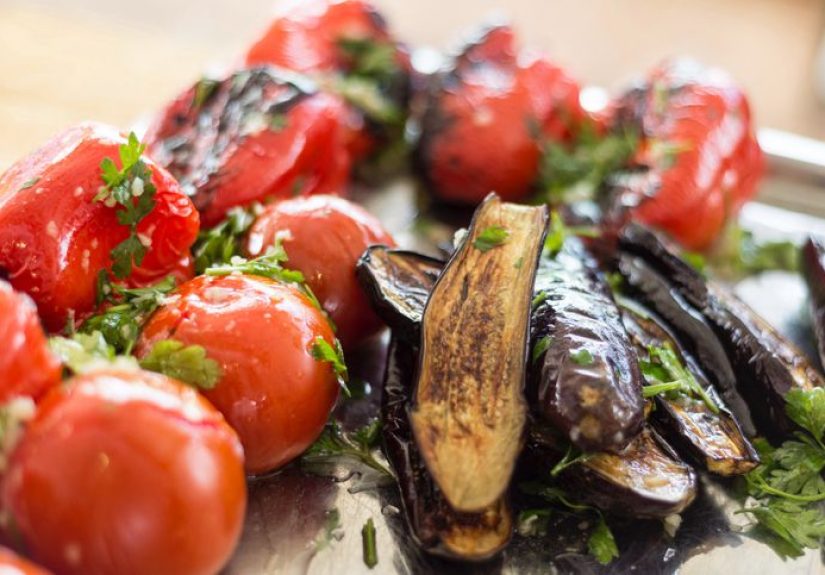
oil like they’ve just finished a marathon. Then roasting happens, moisture evaporates, edges brown, and suddenly the tray looks
like a restaurant side dish. That transformation is usually the moment eggplant skeptics turn into eggplant believers.
One common experience: the “I thought this was a side dish” surprise. You set it out next to chicken or fish, and everyone keeps
scooping the eggplant instead. By the second or third time, many cooks intentionally double the recipe because this dish tends to
vanish fastespecially when served with bread that can mop up tomato juices and cheesy bits from the pan.
Another frequent lesson is timing confidence. On round one, cooks hover by the oven and check every three minutes. On round three,
they know exactly what “ready” looks like: tomato edges wrinkled and caramelized, eggplant golden with soft centers, and Parmesan
turning toasty. That confidence makes the recipe feel easier each time, even though the steps are exactly the same.
Families with mixed preferences also report this dish is a smart “bridge meal.” Someone wants vegetables, someone wants comfort food,
someone wants “real dinner.” This recipe sits in the overlap zone. It’s vegetable-forward but still deeply savory. It has that cozy
baked-dish vibe without the heavy fried feel. And because it’s customizableextra herbs, extra spice, extra cheese, fewer crumbsit
becomes a reliable crowd-pleaser without turning into a bland compromise.
Meal-prep cooks tend to love how well this fits into weekday life. Sunday roast, Monday bowl, Tuesday pasta, Wednesday sandwich.
The same base can produce completely different meals just by changing what goes underneath it. Over quinoa, it feels wholesome.
Over pasta, it feels indulgent. Stuffed into toasted ciabatta with greens, it feels like lunch from a very expensive café that
definitely charges extra for “seasonal vegetables.”
Then there’s the produce-saving effect. Eggplant and tomatoes both have a very specific “use me now” window. This recipe is perfect
for that moment when vegetables are ripe, your schedule is chaotic, and you need one pan strategy that rescues everything before it
crosses into compost territory. Many cooks end up adopting this as their end-of-week refrigerator reset meal.
Cooks who entertain often mention this dish solves a familiar dinner-party issue: balancing elegance with low stress. You can roast
components in advance, assemble later, then bake while guests arrive. The kitchen smells incredible, the presentation looks impressive,
and you’re not trapped at the stove doing frantic last-minute sautéing while pretending you are “totally relaxed.”
There’s also a texture lesson that keeps showing up in real kitchens: people who dislike eggplant usually dislike under-roasted
eggplant. Once the slices are properly browned, the flavor becomes nutty and rich, and the interior turns silky rather than squishy.
That difference changes minds. In fact, this recipe has become a stealth strategy for introducing more vegetables to picky eaters:
keep the tomato layer flavorful, let Parmesan do its umami thing, and the eggplant stops being “that weird purple thing.”
Finally, experienced home cooks often describe this recipe as a “confidence dish.” It teaches transferable skills: roasting for
caramelization, balancing acidity with salt and fat, layering flavor in baked vegetable dishes, and knowing when resting time improves
the final texture. Once you own those techniques, you can riff endlesslyzucchini, mushrooms, peppers, onions, different cheeses,
different herbs. The recipe becomes less of a fixed script and more of a template for flavorful, flexible cooking.
Conclusion
This Roasted Eggplant and Tomatoes With Parmesan Cheese Recipe proves that simple ingredients can deliver big, layered flavor
when technique does the heavy lifting. Roast hot, season thoughtfully, layer intelligently, and finish with Parmesan at the right moment.
You’ll get caramelized vegetables, savory depth, and that irresistible golden topwithout deep-frying or complicated steps.
Keep it classic the first time, then customize it: add spice, swap herbs, serve over pasta, or pair with crusty bread and salad.
Once this method clicks, it becomes one of those back-pocket recipes you’ll use all year long.