Table of Contents >> Show >> Hide
- What Are Scalloped Potatoes, Exactly?
- Scalloped Potatoes vs. Potatoes Au Gratin
- The Short List of Ingredients That Actually Matter
- The Best Potatoes for Scalloped Potatoes (And Why)
- How Thin Should You Slice the Potatoes?
- Classic Creamy Scalloped Potatoes (A Reliable, Make-Again Recipe)
- Flavor Variations That Still Feel Like Scalloped Potatoes
- Make-Ahead, Storage, and Reheating Without Ruining the Texture
- Troubleshooting: Common Scalloped Potato Problems (And Fixes)
- What to Serve with Scalloped Potatoes
- FAQ
- Real-World Scalloped Potato Experiences (The “Been There” Section)
- Conclusion
Scalloped potatoes are what happens when a humble spud gets a glow-up and decides it’s the main character.
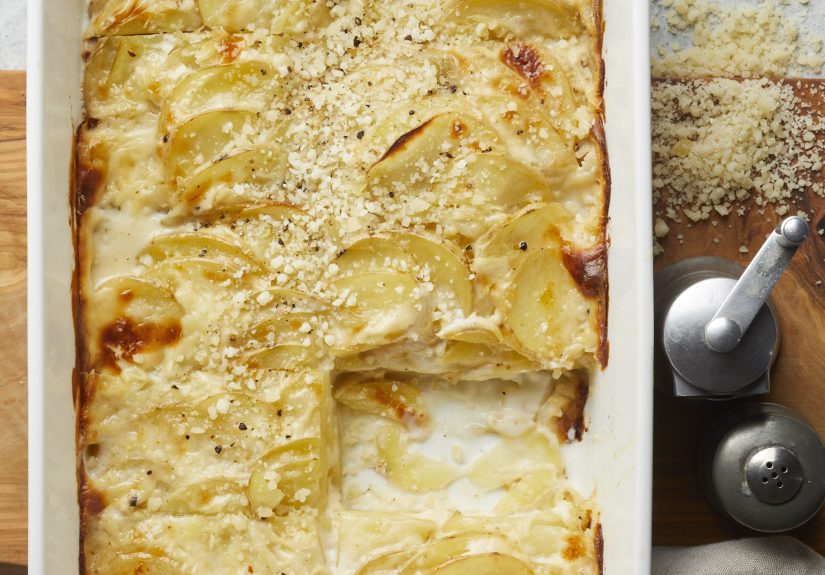
Thin slices of potato bake into a creamy, savory casserole with soft layers underneath and a bronzed, bubbly top.
It’s cozy food with a fancy last nameperfect for holidays, Sunday dinners, or a random Tuesday when you need emotional support in casserole form.
What Are Scalloped Potatoes, Exactly?
At their core, scalloped potatoes are thinly sliced potatoes layered in a baking dish and cooked gently in milk or cream
until tender and saucy. Many classic versions use a simple thickener (like flour and butter) to help the dairy turn into a cohesive sauce,
and they’re commonly flavored with onion, garlic, herbs, salt, and pepper.
In the U.S., plenty of “scalloped” recipes also include cheeseeven if purists might raise an eyebrow and clutch their gratin dishes.
Scalloped Potatoes vs. Potatoes Au Gratin
The easiest way to remember the difference: au gratin usually means cheese (and often breadcrumbs),
while scalloped potatoes are traditionally more about creaminess than cheesiness.
In real American kitchens, the line gets blurrybecause we’re a “why not both?” nation.
If there’s a golden crust of cheese on top, you’re drifting into au gratin territory.
If it’s mostly creamy sauce with maybe a little cheese cameo, most folks still call it scalloped potatoes.
The Short List of Ingredients That Actually Matter
Scalloped potatoes don’t need a long ingredient listthey need the right ingredients, treated nicely.
Here’s what makes the biggest difference:
1) Potatoes
You want potatoes that bake up tender and help thicken the sauce. Medium-to-starchy types are your best friends:
Yukon Gold (creamy, slightly buttery) or Russet/Idaho (starchier, great for thickening).
Waxy reds can work, but they tend to hold their shape and may take longer to soften.
2) Dairy (Milk, Cream, or a Mix)
All-milk can work, but a mix of milk and heavy cream usually hits the sweet spot: rich without turning the dish into a dairy monument.
Half-and-half is also a common middle ground.
3) Thickener (Optional but Helpful)
Some traditional recipes sprinkle flour between layers; others build a quick roux (butter + flour) and whisk in milk.
Either way, the goal is a sauce that clings instead of pooling like a potato hot tub.
4) Aromatics + Seasoning
Onion and garlic are the usual suspects. Thyme is a classic herb buddy here.
And pleasesalt matters. Potatoes are basically tiny flavor sponges with social anxiety; they need encouragement.
5) Cheese (Optional, But… Come On)
If you want a more decadent, crowd-pleasing casserole, add cheese.
Gruyère melts beautifully and tastes nutty; sharp cheddar brings bold comfort-food energy; Parmesan adds salty depth.
If using cheese, keep the sauce at a gentle heatboiling cheese in the sauce can make it separate and turn grainy.
The Best Potatoes for Scalloped Potatoes (And Why)
There’s a reason Yukon Gold and Russet show up repeatedly in reputable recipes: it’s chemistry, not potato propaganda.
Starch helps thicken the dairy into a silky sauce, and these varieties bake up tender without staying stubbornly firm.
Yukon Gold tends to hold shape a bit better while still feeling creamy. Russets break down more easily and release more starch,
which can make the sauce feel thicker and more luxuriousespecially if you slice directly into warm dairy or avoid rinsing away starch.
How Thin Should You Slice the Potatoes?
Thin and even wins the race. Many reliable recipes aim for about 1/8-inch slices.
A mandoline makes this fast and consistent (and also has a long history of turning cooks into people who say,
“I should’ve used the safety guard”).
If slicing by hand, just keep the thickness consistent so everything cooks at the same pace.
Classic Creamy Scalloped Potatoes (A Reliable, Make-Again Recipe)
This version is built for real life: creamy, deeply seasoned, and flexible.
Keep it cheese-free for a traditional vibe, or add cheese for maximum applause.
Ingredients (Serves 8–10)
- 3 pounds Yukon Gold or Russet potatoes, peeled (optional) and sliced 1/8-inch thick
- 1 medium yellow onion, thinly sliced or finely chopped
- 2–3 cloves garlic, minced (or rub the baking dish with a smashed clove for subtle garlic flavor)
- 4 tablespoons unsalted butter
- 3 tablespoons all-purpose flour
- 2 cups whole milk
- 1 cup heavy cream (or use more milk for a lighter dish)
- 1–1 1/2 teaspoons kosher salt (start with 1 teaspoon; adjust)
- 1/2 teaspoon black pepper
- Pinch of nutmeg (optional, but secretly excellent)
- 1–2 teaspoons fresh thyme (or 1/2 teaspoon dried)
- Optional: 1 1/2–2 cups shredded cheddar and/or Gruyère, plus a little Parmesan for the top
Step-by-Step
1) Prep the dish and oven
Heat oven to 350°F–375°F. Butter a 9×13-inch baking dish.
If you want a whisper of garlic without committing to garlic breath,
rub the dish with a cut or smashed clove before buttering.
2) Make a quick sauce
Melt butter in a saucepan over medium heat. Add onion and cook until softened, 5–7 minutes.
Stir in garlic for 30 seconds. Sprinkle in flour and cook 1 minute (this prevents raw flour flavor).
Slowly whisk in milk, then cream. Simmer gently until slightly thickenedthink “light gravy,” not “cement.”
Season with salt, pepper, thyme, and a pinch of nutmeg.
If adding cheese, reduce heat to low and whisk in cheese off the boil so it melts smoothly.
3) Layer like you mean it
Layer one-third of the potatoes in the dish, slightly overlapping. Spoon on some sauce.
Repeat layers until potatoes and sauce are used, finishing with sauce on top.
If you’re using cheese, sprinkle a little between layers and/or save most for the top.
4) Bake covered, then uncovered
Cover tightly with foil and bake 35–45 minutes, until the potatoes are starting to soften.
Remove foil and bake another 20–35 minutes, until the center is tender and the top is golden and bubbling.
(Timing depends on slice thickness and potato typethin slices cook faster.)
5) Rest before serving
Let the dish rest 10–20 minutes before slicing. This isn’t culinary snobbery; it’s physics.
Resting helps the sauce thicken and settle so you get clean, creamy layers instead of a dairy landslide.
Flavor Variations That Still Feel Like Scalloped Potatoes
Cheesy Scalloped Potatoes
Add 1 1/2–2 cups shredded cheddar or Gruyère, and finish with a light Parmesan dusting.
For best texture, melt cheese gently (avoid boiling the cheese sauce).
Loaded “Baked Potato” Style
Stir a spoonful of bacon drippings into the sauce (optional but powerful),
then finish with crumbled bacon and sliced scallions. Serve with sour cream on the side for maximum “loaded” energy.
Ham and Scalloped Potatoes
Layer in 2–3 cups diced ham (leftover holiday ham is basically designed for this).
Great with cheddar and a little mustard powder in the sauce.
Herby + Lighter
Use mostly milk, add fresh herbs (thyme + parsley), and keep cheese minimal or skip it.
You’ll still get creamy scalloped potatoesjust with a slightly lighter finish.
Make-Ahead, Storage, and Reheating Without Ruining the Texture
Can you make scalloped potatoes ahead of time?
Yes. For best texture, assemble the components ahead, but slice potatoes close to baking time if possible.
If you must prep early, keep sliced potatoes submerged in cold water in the fridge to prevent browning,
then drain and pat very dry before assemblingextra water can thin the sauce.
How to store leftovers
Cool quickly, cover, and refrigerate. For food safety, most cooked leftovers are best used within about
3–4 days. If you freeze leftovers, expect a softer texture after thawing (still tasty, just less “perfect layers”).
Reheating tips
Reheat in the oven (covered) at 325°F–350°F until hot, then uncover briefly to re-crisp the top.
If microwaving, use medium power and stir/rotate when possible to avoid cold spots.
For safety, leftovers should be reheated thoroughly (a food thermometer is the no-drama way to confirm).
Troubleshooting: Common Scalloped Potato Problems (And Fixes)
“My potatoes are still crunchy.”
- Your slices are too thick or uneven. Aim for ~1/8 inch.
- Dish wasn’t covered long enough. Covered baking helps steam and soften the potatoes.
- Oven runs cool. Verify with an oven thermometer if this happens often.
“My sauce is watery.”
- Too much liquid or potatoes weren’t dried after soaking.
- Not enough starch/thickener. Russets release more starch; a roux helps consistency.
- Not baked long enough uncovered. Uncovered time reduces moisture and thickens the sauce.
“My sauce curdled or looks grainy.”
- Heat was too high, or cheese was boiled in the sauce. Keep it gentle.
- Use full-fat dairy for stability, especially if adding cheese.
“The top is brown but the inside isn’t done.”
- Cover longer before browning, or tent with foil if browning too fast.
- Move dish to a lower rack position so heat reaches the center more evenly.
What to Serve with Scalloped Potatoes
Scalloped potatoes are a classic side for roasted chicken, glazed ham, steak, pork chops, or holiday turkey.
They also pair well with something green and crispthink roasted broccoli, a bright salad, or tangy pickles
because creamy potato dishes love a little contrast.
FAQ
Do scalloped potatoes have cheese?
Traditionally, scalloped potatoes are more about milk/cream and a creamy sauce, while au gratin features more cheese.
In modern U.S. recipes, scalloped potatoes often include some cheesebecause it’s delicious and nobody called the potato police.
Do I have to peel the potatoes?
Not strictly. Thin-skinned gold potatoes can be scrubbed and sliced with the skins on for a more rustic dish.
Peeling gives a smoother, more classic texture.
Can I use a food processor instead of a mandoline?
Yesuse the slicing blade and aim for an even thickness. Consistency is the real goal.
Real-World Scalloped Potato Experiences (The “Been There” Section)
If scalloped potatoes had a personality, they’d be the friend who shows up looking effortlessbut needed
45 minutes of prep and a playlist to get there. Many home cooks describe the same arc: confidence at the potato bin,
optimism during slicing, and a brief existential moment when you realize you’ve created approximately 900 potato coins.
The good news? That “mountain of slices” becomes a casserole that feeds a crowd and makes people hover near the oven like it’s a campfire.
One common experience is learningusually oncethat thickness matters more than ambition. Slice too thick,
and the dish can look gorgeous on top while the middle stays stubbornly firm, like the potatoes are protesting
being turned into a side dish. Slice evenly (many cooks aim for that 1/8-inch sweet spot), and everything softens together.
This is also where the mandoline earns its reputation as both a hero and a villain.
People love it for speed and consistency…and fear it because it will absolutely bite if you get cocky.
The “safety guard” is not a suggestion; it’s a lifestyle.
Another shared moment: tasting the sauce and realizing it’s under-seasoned. Potatoes dilute flavor in a way that feels
almost personal. A sauce that tastes “fine” in the pan can taste like warm milk once it’s baked with three pounds of potatoes.
Cooks who make scalloped potatoes regularly tend to season in layerssalt in the sauce, a little pepper across the potatoes,
and sometimes a pinch of nutmeg or thyme to give the cream a gentle backbone.
And when someone brings cheese into the situation? That’s when the compliments get louder.
Holiday scalloped potatoes come with their own set of experiences. You’ll hear stories of people baking them for Thanksgiving,
then discovering the oven is already booked by a turkey, a stuffing casserole, and something involving green beans and crispy onions.
The dish is forgiving, though: you can assemble it earlier, bake it when the oven frees up, and let it rest while other foods finish.
That resting periodoften the hardest part emotionallypays off with cleaner slices and a sauce that clings instead of running.
Many cooks also find scalloped potatoes are a strategic choice for potlucks: they travel well, they reheat decently,
and they don’t require last-second stovetop juggling.
Leftovers inspire another classic experience: the “midnight fridge fork.” Scalloped potatoes reheat beautifully in the oven,
but plenty of people admit they’ll eat a cold corner straight from the container, because the flavors deepen overnight.
The texture softens a bit as it sits (potatoes keep absorbing sauce), so reheating gently and adding a splash of milk or cream
can bring back that creamy feel. Some cooks even prefer making a slightly saucier batch on purpose, knowing day-two potatoes
will drink it up like they’ve been training for it.
Finally, there’s the emotional victory lap: watching someone take a bite, pause, and immediately go back for a bigger scoop.
Scalloped potatoes have that effect. They’re not flashy, but they’re deeply satisfyingwarm, creamy, and reliably crowd-pleasing.
And once you’ve made them a couple of times, you’ll likely develop your own signature move:
a handful of Gruyère on top, a thyme-heavy sauce, caramelized onions, bacon, or a “loaded baked potato” finish with scallions.
The dish becomes less of a recipe and more of a ritualone you can adapt to whoever’s at your table,
or to whatever you need that day: comfort, celebration, or just a really good reason to turn potatoes into something magical.
Conclusion
Scalloped potatoes are a classic for a reason: simple ingredients, big comfort, and endless flexibility.
Nail the slice thickness, season with confidence, bake covered then uncovered, and rest before serving.
Whether you keep it traditional and creamy or go cheesy and “loaded,” this is the kind of side dish that makes dinner feel special
even if the main course is just “whatever was on sale.”