Table of Contents >> Show >> Hide
- Why Skillet Lasagna Works (AKA: Lasagna, But Make It Practical)
- What You Need for the Best One-Pan Lasagna
- Step-by-Step Skillet Lasagna Recipe
- How to Tell It’s Done (Without Overthinking It)
- Flavor Variations (Because Your Pantry Has Opinions)
- Pro Tips for Foolproof Stovetop Lasagna
- What to Serve with Skillet Lasagna
- Storage, Reheating, and Make-Ahead Tips
- FAQ
- Conclusion
- Real-World Skillet Lasagna Experiences ( of “Been There” Wisdom)
If lasagna is your love language but your schedule speaks in calendar alerts and “low battery” warnings, this skillet lasagna recipe is your new best friend. It delivers the cozy, cheesy, tomatoey joy of classic lasagnawithout the oven marathon, without the noodle juggling, and without creating a sink full of regret.
Think of it as lasagna’s weeknight alter ego: a little more relaxed, still wildly comforting, and totally fine with jarred marinara as long as it gets to wear a crown of melted mozzarella.
Why Skillet Lasagna Works (AKA: Lasagna, But Make It Practical)
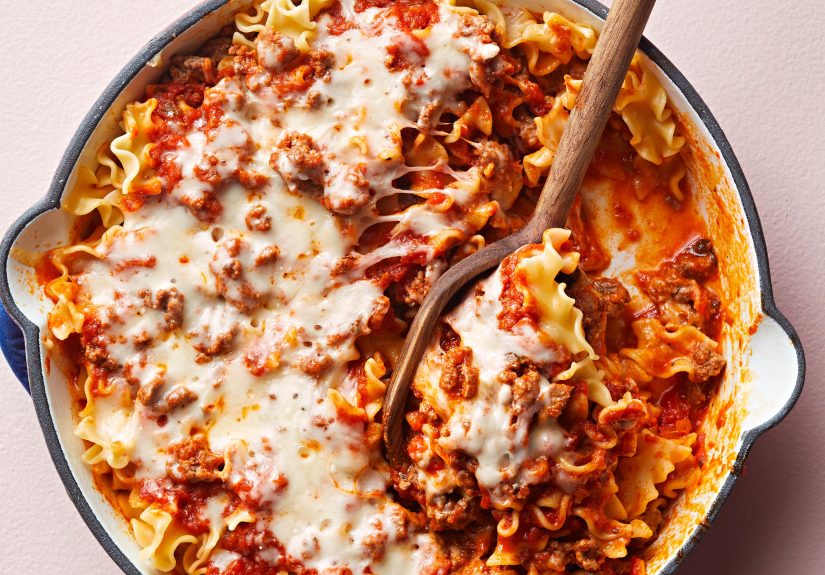
Traditional lasagna is glorious… and also a commitment. Skillet lasagna flips the script by cooking broken lasagna noodles right in a simmering sauce. The pasta releases starch, the sauce thickens, and everything turns into a rich, cohesive, scoopable masterpiece.
The result lands somewhere between layered lasagna and a saucy baked ziti vibeexcept with those unmistakable lasagna flavors: browned meat, garlicky tomato sauce, creamy ricotta, and a bubbly cheese blanket that makes everyone hover around the stove like it’s a campfire.
What You Need for the Best One-Pan Lasagna
This ingredient list is intentionally weeknight-friendly. You’ll recognize everything, and you can swap a bunch of it without the lasagna police showing up.
Equipment
- 12-inch deep skillet (high-sided cast iron, stainless sauté pan, or a wide Dutch oven)
- Lid (or foil if your skillet doesn’t have one)
- Wooden spoon or spatula
Ingredients (Serves 6)
- 1 tablespoon olive oil (optional if your meat is fatty)
- 1 pound Italian sausage or ground beef (or ground turkey for a lighter option)
- 1 small onion, finely chopped
- 3–5 garlic cloves, minced (measure with your heart, but your coworkers might notice)
- 1–2 teaspoons Italian seasoning
- 1/2 teaspoon dried oregano + 1/2 teaspoon dried basil (or use more Italian seasoning)
- Pinch red pepper flakes (optional, but fun)
- 1 (24–25 oz) jar marinara (choose one you’d actually eat with a spoon)
- 1 1/2 cups water or low-sodium broth (plus more if needed)
- 10 lasagna noodles, broken into 2–3 inch pieces (about 8–10 oz)
- 1 cup whole-milk ricotta (or cottage cheese if that’s your household’s tradition)
- 2 cups shredded mozzarella, divided
- 1/3 cup grated Parmesan, divided
- Salt and black pepper
- Optional: 2 cups baby spinach, 1 cup diced zucchini, or 1 cup shredded carrot for a veggie boost
- Optional garnish: fresh basil or parsley
Ingredient Notes That Save Dinner
- Noodles: Regular lasagna noodles work greatjust break them up. No-boil noodles also work, but they drink liquid faster. Either way, keep extra water/broth nearby like a responsible adult.
- Ricotta: For maximum creaminess, use whole-milk ricotta. If your ricotta tastes bland, season it with a pinch of salt and a little Parmesan before dolloping.
- Jarred marinara: Pick a sauce you like on its own. You can “upgrade” it by simmering it with browned meat, onion, and garlicinstant slow-cooked energy.
Step-by-Step Skillet Lasagna Recipe
This method is the sweet spot: minimal effort, maximum cozy. No elaborate layering requiredunless you find layering relaxing, in which case… are you okay? (Kidding. Mostly.)
- Brown the meat.
Heat a large high-sided skillet over medium-high heat. Add olive oil if needed. Add sausage or ground beef and cook until browned, breaking it up as you go. If there’s a lot of fat, spoon off excess. - Add onion and garlic.
Stir in chopped onion and cook 3–4 minutes until softened. Add garlic, Italian seasoning, oregano, basil, and red pepper flakes. Cook 30 seconds, just until fragrant. - Build the sauce.
Pour in the marinara and 1 1/2 cups water (or broth). Stir, scraping up any browned bits. Bring to a lively simmer. - Add noodles and (optional) veggies.
Scatter broken lasagna noodles over the sauce. Press them down so they’re mostly submerged. If using spinach or zucchini, stir it in now (spinach can go in near the end too). - Cover and simmer.
Reduce heat to medium-low. Cover and simmer 15–20 minutes, stirring every 5 minutes to prevent sticking and to keep noodles from clumping. If the mixture looks dry before noodles are tender, add a splash more water/broth. - Cheese it like you mean it.
When noodles are tender and the sauce is thick and glossy, turn heat to low. Dollop ricotta all over the top. Sprinkle on 1 1/2 cups mozzarella and half the Parmesan. - Melt, rest, devour.
Cover again for 3–5 minutes until cheese melts. Let it rest 5 minutes to thicken and become easier to scoop. Finish with remaining Parmesan and fresh basil.
Optional “bubbly top” move: If your skillet is oven-safe, broil 1–3 minutes to brown the cheese. Keep an eye on itbroilers have no chill.
How to Tell It’s Done (Without Overthinking It)
- Noodles: Tender, not crunchy. A little bite is fine; “still a cracker” is not.
- Sauce: Thick enough to coat noodles, not soupy. If it’s thin, simmer uncovered 2–3 minutes.
- Cheese: Melted and stretchy. If you can pull a mozzarella thread across the pan, you win.
Flavor Variations (Because Your Pantry Has Opinions)
1) The “Lazy Lasagna” Shortcut
Use no-boil noodles and a good marinara. Boost flavor with extra garlic, Parmesan, and fresh basil. This version is peak weeknight efficiencylike meal prepping, but with better vibes.
2) Veggie-Forward Skillet Lasagna
Add diced zucchini, shredded carrot, chopped spinach, or even sautéed mushrooms. Veggies make the sauce feel heartier and help you pretend you’re basically a wellness influencer.
3) “Healthier” But Still Comforting
Use lean ground turkey or chicken, part-skim mozzarella, and add extra spinach. You’ll still get the cheesy, saucy satisfactionjust a little lighter on the “nap immediately” factor.
4) Pesto or “Green Lasagna” Twist
Stir a few spoonfuls of pesto into the sauce (or swirl it with ricotta). Add spinach and finish with Parmesan. It’s bright, herby, and tastes like you planned it.
5) Ravioli Skillet “Lasagna” Hack
In a broiler-safe skillet, layer frozen ravioli with sauce and cheese, then bake/broil until bubbly. It’s not traditional, but it is deliciousand tradition never had to unload your dishwasher.
Pro Tips for Foolproof Stovetop Lasagna
Prevent sticking
Stir every few minutes and keep noodles mostly submerged. High heat + thick sauce + pasta = the fastest way to create “lasagna fond” that nobody asked for.
Fix a too-thick pan
Add water or broth in small splashes (1/4 cup at a time). The noodles need enough liquid to finish cooking, and you want the final texture to be saucynot cement.
Fix a too-thin pan
Simmer uncovered for a couple minutes. The sauce will tighten up as steam escapes and starch keeps working its magic.
Make it taste “slow-cooked” fast
Brown the meat well, sauté the onion until sweet, and don’t rush the garlic. Those small steps build depth that makes jarred sauce taste like it took all day.
What to Serve with Skillet Lasagna
- Garlic bread (for sauce-scooping excellence)
- Big green salad with a punchy vinaigrette (to balance the cheese party)
- Roasted broccoli or sautéed green beans (easy veggie win)
- Simple fruit for dessert (or, you know, cookiesno judgment)
Storage, Reheating, and Make-Ahead Tips
Refrigerator
Store leftovers in an airtight container for up to 4 days. The flavors often get better overnight, like a well-rested joke.
Freezer
Freeze in single-serve portions for up to 2–3 months. Thaw overnight in the fridge for best texture.
Reheating
Microwave works (cover it so it doesn’t redecorate your appliance). For best results, reheat in a skillet with a splash of water, covered, until hot and melty again.
FAQ
Can I make this vegetarian?
Absolutely. Skip the meat, sauté mushrooms and onions for extra savory depth, and add spinach or zucchini. A little extra Parmesan helps boost umami.
Can I use gluten-free noodles?
Yes, but watch the liquid and timinggluten-free pasta can soften faster. Add liquid gradually and stir gently to avoid breakage.
Do I have to use ricotta?
Nope. Cottage cheese is a classic swap, and it melts into the dish beautifully. You can also mix ricotta with a little Parmesan and black pepper for extra flavor.
What skillet size is best?
A deep 12-inch skillet is ideal. If your pan is smaller, cut the recipe in half or use a wide Dutch oven so you don’t end up stirring like you’re rowing a boat.
Conclusion
This skillet lasagna recipe gives you everything you cravesavory sauce, tender noodles, creamy ricotta, and a molten cheese topwithout turning dinner into a full-length film. It’s the kind of one-pan meal that makes weeknights feel a little less like a race and a little more like a win.
Keep it classic with beef and marinara, go veggie with spinach and zucchini, or lean into shortcuts with no-boil noodles. Once you’ve made stovetop lasagna in a skillet, the oven version starts feeling like a hobby.
Real-World Skillet Lasagna Experiences ( of “Been There” Wisdom)
Skillet lasagna has a funny way of becoming a household “default dinner”not because it’s boring, but because it solves a very real problem: you want comfort food, but you don’t want a second job. In a typical home kitchen, the first time someone makes stovetop lasagna, they’re skeptical about the noodle situation. Broken lasagna sheets? In sauce? On the stove? It feels like you’re breaking a rule. Then the lid goes on, the sauce simmers, and suddenly the kitchen smells like you’ve been lovingly tending a casserole since noon. That’s the first moment people realize: this recipe has superpowers.
One common experience: the “oops, the noodles are clumping” phase. It happens when the broken pieces land in a little pasta stack and decide to become best friends. The fix is delightfully simplestir every few minutes and press noodles under the sauce. After one or two rounds of stirring, most cooks get the rhythm and start treating it like risotto’s chill cousin: check in occasionally, keep things glossy, don’t walk away for a full episode of anything.
Another classic moment is the liquid panic. Around minute ten, the sauce can look thick and you might worry it’s drying out. A splash of water or broth usually brings it right back. People who’ve made it a few times learn to trust the process: the noodles need enough liquid to cook, and the sauce will tighten again as starch is released. The dish is forgivingespecially if you add liquid gradually instead of dumping in a whole cup and turning it into lasagna soup.
The cheese phase is where everyone becomes an artist. Some folks do neat dollops of ricotta like they’re plating for a magazine cover. Others go full abstract expressionism and scatter it wherever it lands. Both approaches work. The best “experience-based” tip here: season your cheese layer. A little Parmesan and black pepper make ricotta taste like it’s been hanging out with Italian grandmas all day.
Skillet lasagna also tends to create a specific kind of dinner table happiness: it’s scoopable, shareable, and makes people ask for seconds before they’ve finished firsts. Leftovers are a quiet bonusreheated portions get thicker and more cohesive overnight, which is why so many home cooks swear it’s even better the next day. And if you’re feeding picky eaters, it’s a rare “everyone agrees” meal: pasta, tomato sauce, cheese. That’s basically a peace treaty.
Over time, households develop their own signature version. Some always use Italian sausage for the extra spice. Some keep it lighter with turkey and spinach. Some add pesto for a bright twist. The shared experience is the same: skillet lasagna becomes less of a recipe and more of a reliable strategylike a cozy dinner button you can press whenever the week gets loud.