Table of Contents >> Show >> Hide
- What Are Stenciled Limestone Tiles?
- Why This Look Has Such Staying Power
- Understanding Limestone Before You Commit
- Where Stenciled Limestone Tiles Work Best
- Where to Think Twice
- Design Ideas for Stenciled Limestone Tiles
- Pros and Cons of Stenciled Limestone Tiles
- Installation, Sealing, and Everyday Care
- What Do Stenciled Limestone Tiles Cost?
- How to Get the Look Without the Full Limestone Commitment
- Experiences With Stenciled Limestone Tiles
- Final Thoughts
- SEO Tags
Some surfaces shout for attention. Stenciled limestone tiles do something more interesting: they flirt, smirk, and quietly steal the whole room. They combine the earthy, chalky softness of limestone with the decorative punch of a patterned surface, creating floors and walls that feel both old-world and surprisingly current. If plain beige tile is the design equivalent of toast, stenciled limestone tiles are toast with salted butter, orange marmalade, and unexpectedly good opinions.
The phrase “stenciled limestone tiles” can refer to two related ideas. First, it points to true decorative limestone tiles with a stencil-like or etched pattern, a look associated with classic European-inspired interiors and boutique kitchens. Second, it is often used more loosely to describe limestone tiles or limestone-look surfaces that create the same graphic effect through pattern, paint, or printed design. Either way, the appeal is clear: natural warmth plus visual rhythm.
What Are Stenciled Limestone Tiles?
At their core, stenciled limestone tiles are limestone tiles that feature a decorative motif rather than a completely plain face. The pattern may be etched, printed, painted, or created as part of a design collection. Some versions lean artisanal and historic, with botanical, geometric, or stripe-inspired motifs. Others mimic the appearance of encaustic cement tile but keep the softer, more muted personality of limestone.
Limestone itself is a sedimentary natural stone known for soft neutral tones such as cream, taupe, greige, pale gray, charcoal, and warm beige. It has a gentler visual texture than heavily veined marble and a less glossy personality than many ceramic finishes. That subdued base is exactly why pattern works so well on it. Limestone gives stenciled designs a dusty, lived-in elegance instead of a loud, high-contrast “look at me” effect.
If you love materials that feel collected rather than mass-produced, this category makes instant sense. Stenciled limestone tiles look curated. They suggest the homeowner has opinions, and possibly a favorite European flea market, even if the farthest trip lately has been to the paint aisle on a Saturday morning.
Why This Look Has Such Staying Power
Natural texture meets graphic pattern
One reason stenciled limestone tiles remain compelling is the contrast between softness and structure. Limestone brings gentle variation, matte texture, and organic depth. The stencil effect adds order. Together, the two create balance. A room with these tiles feels layered without becoming chaotic.
Neutral does not have to mean boring
Homeowners often want timeless finishes but still crave personality. That is where these tiles shine. A patterned limestone floor can feel classic enough for resale yet distinctive enough to keep you from falling asleep every time you walk into the room. It offers interest without relying on trendy color combinations that may look dated in five years.
They work across design styles
Stenciled limestone tiles can skew traditional, Mediterranean, English country, organic modern, Belgian-inspired, rustic luxury, or even minimalist depending on scale and color contrast. A black-and-ivory pattern feels tailored and graphic. A soft taupe-on-cream motif feels old-world and romantic. A simplified stripe or trellis can look clean and contemporary.
Understanding Limestone Before You Commit
Limestone is beautiful, but it is not a superhero in a cape. It is a natural stone, and natural stone comes with both charm and chores. Compared with porcelain, limestone is more porous and more vulnerable to staining if spills sit too long. Because it is calcareous, acidic substances can also etch the surface. That means vinegar, lemon juice, and some bathroom and kitchen cleaners are not your friends here.
This does not make limestone a bad choice. It simply makes limestone a choice for people who appreciate character and are willing to do some maintenance. Think of it like owning linen pants. Gorgeous? Yes. Completely carefree? Not even a little.
Finish matters too. Honed limestone tends to look softer and more relaxed, while polished limestone can appear dressier but may show etching and wear more noticeably. Many people prefer honed finishes for floors because they disguise everyday life a bit better and feel less formal. In wet spaces, texture and finish should always be evaluated carefully for slip resistance rather than assumed from appearance alone.
Where Stenciled Limestone Tiles Work Best
Kitchens with soul
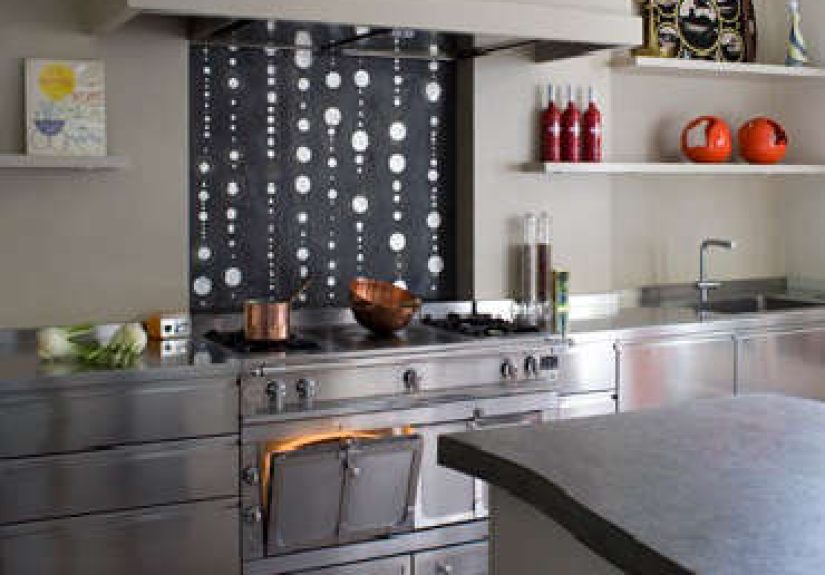
Few surfaces look more at home in a warm, layered kitchen than patterned limestone. It pairs especially well with painted cabinetry, natural wood, unlacquered brass, and plaster-like wall colors. A stenciled limestone floor can act as the room’s “quiet wallpaper,” adding movement while cabinets and counters stay relatively simple.
Powder rooms and guest baths
These smaller spaces are excellent places to use stenciled limestone tiles because the pattern has impact without overwhelming a large footprint. A powder room, in particular, is the ideal place to be a little dramatic. Guests are in there for a short time; let the floor have its main-character moment.
Entryways and mudrooms
A patterned limestone entry creates instant charm and sets the tone for the rest of the house. In lower- to moderate-traffic homes, it can be a lovely fit. In homes with muddy boots, large dogs, and children who treat the outdoors like a competitive sport, sealing and maintenance become more important.
Fireplace surrounds, laundry rooms, and accent zones
You do not have to commit to a full-house floor. These tiles can also be stunning as a fireplace surround, a laundry room floor, or even as an inset panel framed by simpler stone. Sometimes the smartest design move is not “more pattern,” but “pattern exactly where it counts.”
Where to Think Twice
Stenciled limestone tiles are not the best fit for every space. In very busy family kitchens, heavy-use commercial-style mudrooms, or bathrooms where harsh cleaners are constantly used, limestone may demand more patience than some homeowners want to give. If you know you are unlikely to wipe spills promptly, reseal when needed, or use stone-safe cleaners, this may not be your forever material.
That does not mean you must abandon the look. It may simply mean choosing limestone-look porcelain instead. Porcelain can deliver a similar visual story with less maintenance drama. It is the practical cousin who shows up on time, never forgets a birthday, and does not panic when red wine appears.
Design Ideas for Stenciled Limestone Tiles
Soft European farmhouse
Use a warm cream or greige patterned limestone floor with shaker or inset cabinetry, aged brass hardware, and creamy wall paint. Add a wood island and simple linen café curtains. The result feels collected, not decorated to death.
Graphic black-and-natural scheme
A charcoal stencil motif on pale limestone makes a strong statement without becoming glossy or overproduced. This approach works especially well with white walls, black-framed windows, and restrained styling. It feels crisp and architectural.
Dusty blue or sage accents
Because limestone often sits in neutral territory, it plays beautifully with muted paint colors. If your floor pattern is subtle, nearby cabinetry in soft blue-gray, sage, or mushroom can create a layered palette that feels rich without screaming for applause.
Pattern as a border or inset
Not every room needs an all-over motif. A border around plain limestone tiles or a patterned inset under a dining table can give the space structure and custom character. This approach is especially useful in larger rooms where too much pattern might feel visually busy.
Pros and Cons of Stenciled Limestone Tiles
The advantages
- Timeless character: They blend old-world elegance with natural texture.
- Subtle pattern: You get movement and design interest without neon-level drama.
- Versatility: They work in traditional, rustic, and modern interiors alike.
- Natural variation: Each tile brings tonal depth, which helps a room feel authentic.
- Custom look: Even a modest room can feel high-end and thoughtfully designed.
The drawbacks
- Maintenance: Limestone typically needs sealing and careful cleaning.
- Etching risk: Acidic spills and wrong cleaners can damage the finish.
- Porosity: It can stain more easily than porcelain if neglected.
- Cost: Natural stone installation is generally more expensive than standard manufactured tile.
- Trend balance: Very bold motifs may date faster than quieter patterns.
Installation, Sealing, and Everyday Care
If you choose actual limestone, proper installation matters just as much as design. Use an installer who has real experience with natural stone. That is not snobbery; it is self-defense. Natural stone can vary in thickness, porosity, and finish, and those details affect prep, grout choice, and sealing strategy.
Sealing is typically recommended for limestone to improve stain resistance, but it is important to understand what a sealer does and does not do. It helps repel liquids; it does not make the stone invincible. Coffee, wine, oil, citrus, and personal-care products should still be wiped up quickly. In bathrooms and wet zones, regular upkeep matters because soap residue and moisture can dull the surface over time.
For daily cleaning, use a soft broom, microfiber dust mop, or vacuum attachment that will not scratch the floor. Wash with a pH-neutral stone cleaner rather than acidic solutions. Skip the vinegar hacks. The internet loves vinegar. Limestone does not.
Resealing schedules vary based on use, finish, and product, but homeowners should expect periodic maintenance rather than one-and-done treatment. In heavily used spaces, that maintenance cycle may come sooner. The reward is a floor that ages with character rather than looking flat and synthetic.
What Do Stenciled Limestone Tiles Cost?
Costs vary widely depending on whether you are buying plain limestone tile, custom patterned limestone, a boutique imported design, or a limestone-look alternative. Standard limestone flooring materials often fall into the midrange for natural stone, while custom or design-forward patterned versions can climb quickly. Installation also adds to the budget because stone is heavier, more delicate, and less forgiving than many ceramic products.
For many homeowners, the real budget question is not just the upfront tile cost. It is the total lifetime equation: material, installation, sealing, maintenance products, and the possibility of occasional professional restoration. If that feels like too much, a stencil-inspired porcelain tile or even a properly executed stencil-on-existing-tile project may offer the aesthetic at a lower commitment level.
How to Get the Look Without the Full Limestone Commitment
There are three main ways to bring this style home.
1. Real patterned limestone
This is the premium route. It delivers the most authentic texture and the richest, quietest beauty. It is ideal for homeowners who truly want natural stone and are comfortable with upkeep.
2. Limestone-look porcelain with a stencil-inspired pattern
This option is easier to maintain and often better for high-traffic households. It can mimic the color palette and visual softness of limestone while offering greater durability and less stress.
3. Stenciling over an existing tile or concrete surface
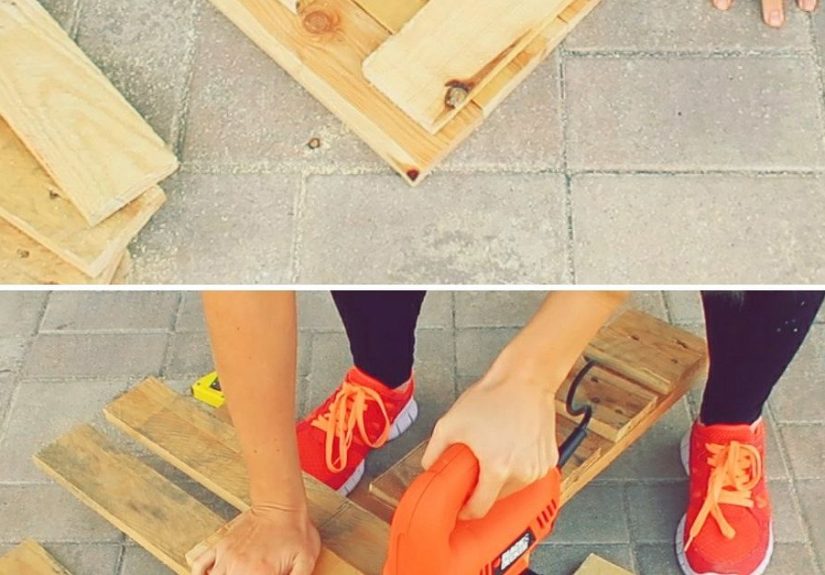
For budget-conscious renovations, stenciling can be a clever way to create a patterned-tile look. This approach depends heavily on prep, primer, paint quality, and topcoat durability. It can work well when the existing floor is structurally sound and you want style fast, but it is still a painted finish, not real stone. Translation: lovely shortcut, not identical twin.
Experiences With Stenciled Limestone Tiles
Living with stenciled limestone tiles is a little different from admiring them in a showroom. In a showroom, they look composed, cinematic, and almost suspiciously well-behaved. In a real home, they become part of daily life, and that is where their personality really comes through.
One of the first things people notice is how these tiles change with light. Morning sun can make a pale limestone floor look creamy and golden, while late-afternoon shadows pull out the gray, taupe, or chalky undertones. The stencil pattern may look bold at noon and soft by evening. That shifting quality is part of the charm. Unlike a flat manufactured surface that looks exactly the same all day, limestone has moods. Fortunately, most of them are attractive.
Underfoot, honed limestone often feels grounded and substantial rather than slick or plasticky. In kitchens and entryways, that tactile quality matters more than many homeowners expect. The floor does not just decorate the room; it affects how the room feels to move through. A patterned limestone surface can make even a simple walk to the coffee maker feel oddly elegant, which is a ridiculous sentence until you have lived with a really good floor.
There is also an emotional side to the experience. Stenciled limestone tiles tend to make a room feel finished in a deep, architectural way. They do not read like an afterthought. They feel intentional. Even when the rest of the room is quiet, the floor carries enough visual interest to make the whole space feel layered. That is why people often find they can simplify other finishes once the tile is installed. The floor is already doing enough.
Of course, the lived experience includes maintenance. Homeowners who are happiest with limestone usually adapt their habits rather than fight the material. They keep a stone-safe cleaner on hand. They wipe up spills without turning it into a dramatic monologue. They understand that a natural floor may develop a little patina over time. Instead of expecting sterile perfection, they appreciate softness, wear, and age. If that mindset sounds appealing, limestone can be deeply satisfying.
In family homes, experience also depends on traffic patterns. In a low-drama powder room, stenciled limestone can stay pristine-looking for a long time with basic care. In a busy mudroom shared by children, pets, guests, groceries, backpacks, and one person who never removes shoes, it will tell a more eventful story. That does not make it a failure; it just means the space has to match the material.
Design-wise, people often report that they tire of loud trendy patterns faster than they tire of subtle stone-based ones. That is another strength of stenciled limestone tiles. Because the colors are usually muted and the texture is natural, the pattern tends to settle into the room instead of dominating it forever. It still feels decorative, but not exhausting.
Perhaps the best way to describe the experience is this: stenciled limestone tiles do not create a perfect house. They create a house with atmosphere. They make a kitchen feel storied, an entry feel welcoming, and a powder room feel far more expensive than it has any right to. If you want a finish that feels human, tactile, and quietly stylish, living with them can be a pleasure. If you want something bulletproof, indifferent to spills, and emotionally unavailable, porcelain may be your soulmate instead.
Final Thoughts
Stenciled limestone tiles sit at a rare intersection of beauty and character. They can be classic without being dull, decorative without becoming fussy, and elegant without reading cold. Their biggest strength is also their biggest warning: they feel real. Real stone. Real texture. Real maintenance. For the right homeowner, that is exactly the point.
If you want a home that looks softly collected, thoughtfully designed, and a little more interesting than the average builder-grade box, this material is worth serious consideration. Choose the right room, the right finish, and the right level of commitment, and stenciled limestone tiles can deliver the kind of charm that trends keep tryingand usually failingto imitate.